



14906 Jefferson Davis Highway, Woodbridge, VA 22191
For more information about senior living options: (866) 208-4318
Overall Review of Envoy Of Woodbridge
Pros
 The center has a new manager who is dedicated to improving care for each patient.
- The rehab therapy is described as great.
- The staff is described as fantastic.
- The dining area is outstanding.
- There are a variety of activities for residents.
- A reviewer would recommend the center to others.
Cons
 The facility is described as the dirtiest the reviewer has ever been in, with staff not attentive and patients waiting hours for help.
- It is one of the worst places the reviewer has seen, needing massive improvement and a warning not to send anyone there.
- A sister who cannot walk or talk received horrible care: nails were not trimmed, the mouth was not cleaned, and she was neglected for days, with the place smelling.
- Residents were left unattended with no staff around, and medications were often not given on time.
- The staff are described as condescending, self-centered, and rude, making it unlikely that a loved one would be properly cared for.
- Pain medications arrived two hours or more after being requested, and many staff members spoke little or no English.
- Nursing care is described as nonexistent or lazy, with feeding and wound care neglected.
- Envoy of Woodbridge is linked to a suspected MRSA infection in a resident, with a strong warning not to send a loved one there.
Review
Envoy of Woodbridge is best suited for families who can act as relentless care advocates and who are prepared to supervise day-to-day needs with a readiness to switch course if care does not meet expectations. The rehab pathway can be appealing only when a strong, engaged family is ready to coordinate therapy, monitor medications, and demand timely responses. In short, this community works only for those who can provide steady oversight, push for accountability, and tolerate significant inefficiencies unless and until clear improvements are demonstrated.
Those who cannot commit to constant oversight or who insist on steady cleanliness, punctual med administration, and consistently respectful staff should consider alternatives. The consensus from multiple observers is that, without sustained advocacy, basic tasks fall through the cracks. Safer options exist in the same market where staffing levels, responsiveness, and the daily rhythm of care are more predictable, and where family members do not have to act as de facto caregivers to ensure someone is fed, cleaned, and attended to on schedule.
On the upside, there are concrete positives that suggest real potential when management and frontline staffing align. A few families have observed competent rehab therapy and meaningful activity programming, with therapy teams delivering usable progress for residents in need of physical or occupational rehabilitation. A particular review notes a manager who is focused on improving care, and a sense that the center can become more reliable when leadership stays committed. In these moments, residents appear engaged, and the dining environment can be competitive with comparable facilities. These factors signal that improvement is possible, but only with consistent, well-seasoned execution.
The flagrant downsides, however, overwhelm the potential upsides in most cases. Countless accounts describe persistent odors, dirty surroundings, and insufficient cleaning, creating an untenable day-to-day living environment. Staffing gaps translate into delayed responses to calls, missed meals, and neglected personal care tasks. Language barriers, insufficient English proficiency among staff, and reportedly inconsistent medical administration compound the risk, leaving families feeling outmatched during crises. Safety concerns crop up as residents wander unsupervised or don't receive timely help for wounds, pain, or basic needs. The most troubling narratives center on neglect and disrespect, with family members forced to intervene repeatedly to secure basic dignity for their loved ones.
These gaps are not trivial operational hiccups; they are material risks to comfort, health, and safety. The relief provided by occasional therapy sessions and a pleasant dining room cannot meaningfully offset a pattern of unaddressed needs, unanswered bells, and environments that feel more like an under-resourced hospital than a rehabilitative community. Given the breadth and intensity of the concerns, the decision to place a loved one here should only come after rigorous live observation, corroboration of staffing quality, and a clear, enforceable plan for immediate remediation. Expect that a significant commitment to oversight will be the norm, not the exception.
In closing, prospective families should enter with a disciplined checklist: insist on a current, written care plan with assigned nurses and therapists, request to meet the administrator and frontline supervisors, and confirm response times for bells, medications, and meals. Schedule multiple visits at different times to verify consistency, and demand transparency on staffing levels and credentials. If the facility cannot deliver demonstrable, sustained improvements on those fronts within a defined window, pivot to alternatives with stronger reputations for reliability, safety, and resident dignity. Envoy of Woodbridge may work for a highly involved family with a specific rehab objective, but for long-term stability and peaceful daily living, stronger options are prudent.
 120 resident community capacity
 Skilled Nursing Facility
 Air-conditioning
 Beauty salon
 Cable or satellite TV
 Computer center
 Dining room
 Fitness room
 Fully furnished
 Gaming room
 Garden
 Housekeeping services
 Kitchenette
 Move-in coordination
 Outdoor space
 Private bathrooms
 Restaurant-style dining
 Small library
 Telephone
 Wellness center
 Wi-Fi/high-speed internet available
 Ronald Reagan Washington National (20 miles away)
 Community operated transportation
 12-16 hour nursing
 24-hour call system
 Activities of daily living assistance
 Assistance with bathing
 Assistance with dressing
 Assistance with transfers
 Diabetes diet
 Medication management
 Mental wellness program
 Special dietary restrictions
 Concierge services
 Planned day trips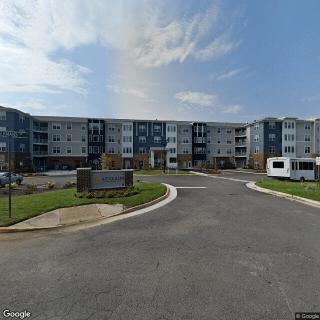






 Fecal Incontinence in Older Adults: A Comprehensive Guide
 Recognizing the Journey: Understanding and Navigating Anticipatory Grief
 Encouraging Participation in Adult Day Care: A Guide to Supporting a Hesitant Parent