Culpeper Health & Rehabilitation Center

Save

Culpeper Health & Rehabilitation Center

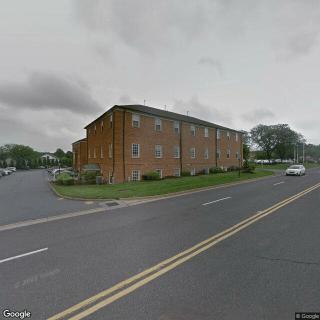
602 Madison Road, Culpeper, VA 22701

For more information about senior living options: (844) 490-3973

4.5 from 116 reviews
5 stars
93
4 stars
6
3 stars
5
2 stars
1
1 stars
11

Skilled Nursing Facility

What level of care are you interested in?

Assisted Living

Memory Care

Independent Living

Skilled Nursing Facility

Continuing Care Retirement Community (CCRC)CCRC

Other


Request a tour at Culpeper Health & Rehabilitation Center

    Overall Review of Culpeper Health & Rehabilitation Center

    Pros

    • pro A staff member was very helpful and friendly.
    • pro Everyone was polite and considerate.
    • pro Patients have had good experiences with the medical, nursing, and PT staff.
    • pro The staff treated him like family and went above and beyond to take care of him.
    • pro The medical records staff were very helpful.
    • pro Susan Suleske is the best and a valuable asset to the team.
    • pro The facility is warm and welcoming, with kind and friendly staff.
    • pro The care is excellent, and the staff are knowledgeable, professional, friendly, and helpful.

    Cons

    • pro The patient's room was messy, with linens and supplies not put away, belongings not reachable, and a urinal placed next to food items.
    • pro The facility is described as a joke of a healthcare facility that neglects relatives of patients.
    • pro The owners should be ashamed of themselves for putting profit before proper staffing and patient care.
    • pro The staff allegedly ignore ongoing cognitive decline and chronic diarrhea.
    • pro The facility looked dirty and dated.
    • pro Residents were reportedly robbed on multiple occasions, totaling more than $500.
    • pro Supplies such as Depends in the required sizes and clean sheets were frequently unavailable, and clothes often went missing.
    • pro Staff rarely returned calls and were rude to family members.

    Review

    Culpeper Health & Rehabilitation has a wide spectrum of patient and family experiences, with many reviewers praising the warmth and responsiveness of the staff while others express substantial concerns about care standards, communication, and operational issues. On the positive side, several accounts highlight genuinely helpful and friendly team members who guide visitors, answer questions, and make an effort to put patients at ease. One reviewer recounted a staff member leading the way and described the overall atmosphere as pleasant, with polite and considerate behavior from the team. In another note, a patient described the experience as consistently good during their stay, underscoring the competency of the medical, nursing, and physical therapy teams, and commended the communication that kept families informed when issues arose. The sentiment of "kind and curious and very professional staff" also appears, suggesting that many workers are viewed as dedicated and reliable.

    Within the care staff, several individuals are repeatedly singled out for their impact. Maria, a physical therapy therapist, was praised for individualized attention, with a specific comment that she worked one-on-one to help the patient regain balance and stamina, an approach that stood out to families who valued tailored therapy. Andrea, noted as the charge nurse, is described as an asset, and other nurses such as Ashley and Charlotte receive affectionate commendations for their patience and helpfulness. Dina is mentioned as a contact for discharge planning, with families hoping for timely follow-up and continuity of care after they leave the facility. These recognitions collectively paint a picture of a facility where, at its best, competent clinicians and attentive frontline staff contribute significantly to patients' daily comfort and recovery.

    Yet the reviews also present a contrasting reality, with some families expressing deep concern about overall quality and system-level issues. A particularly strong negative assessment described the facility as a mockery of healthcare, alleging neglect of relatives, prioritization of profits over patient care, and insufficient staffing ratios. Some reviewers pointed to ongoing problems such as declining cognitive function and chronic medical issues, suggesting that these conditions were not adequately addressed. The tone here is urgent and critical, charging the leadership with a failure to safeguard residents' well-being and to respond to persistent health concerns.

    Other recurring issues center on day-to-day conditions and the adequacy of service. Several reviewers criticized the quality of food, with one father's experience highlighting meals that did not meet expectations and led to noticeable weight loss during a stay. Therapy experiences varied widely as well: while some patients benefited from one-on-one attention, others felt that group activities were not well aligned with their needs or goals, and there were mentions of difficulties arranging continued in-home therapy after discharge. Cleanliness and upkeep also surfaced as concerns, including complaints about a dated, dingy facility appearance, and reports of missing or delayed supplies and linens, which some reviewers linked to broader operational shortcomings.

    There are also pointed anecdotes about incidents that have left families questioning safety and transparency. A number of reviews allege personal belongings were stolen, with mentions of missing clothing or cash, and some families felt that communication from staff or administrators was inconsistent or insufficient. In contrast, multiple entries emphasize strong, proactive communication when issues do arise, with caregivers who call family members to relay important information and keep them in the loop about a patient's status. The tension between these two experiences - free-flowing, proactive communication in some cases and perceived opacity or neglect in others - appears to be a defining characteristic of the facility's recent reputation.

    Beyond individual stories, several reviewers offered clear endorsements of the facility's leadership and overall environment. The regional manager, Alonzo, is repeatedly described in glowing terms as fantastic and outstanding, suggesting that senior leadership at Culpeper Health & Rehabilitation has the ability to make meaningful, positive impacts on operations and staff morale. Phrases like "the most accommodating staff I have seen" and "highly recommend for those who are looking for long term or short term care" reflect a segment of the community that views the facility as a strong option when things are running smoothly. In addition, a sentiment emerging from multiple posts is that the facility can feel welcoming and homelike, with staff who demonstrate genuine care for residents and their families.

    In sum, Culpeper Health & Rehabilitation presents a nuanced picture. For some patients and families, the staff's kindness, professionalism, and readiness to assist create a positive, reassuring experience, especially when caregivers like Maria, Andrea, Ashley, Charlotte, and Dina are involved and when leadership demonstrates strong support, as seen with Alonzo. For others, persistent concerns about staffing levels, food quality, meaningful engagement in therapy, cleanliness, and reliable communication temper those positive impressions. The divergent experiences suggest that, as with many facilities, outcomes can be highly dependent on specific shifts, departments, and individual caregivers, making it important for prospective families to gather up-to-date, firsthand input and to visit personally to assess fit with their loved one's needs.

    Features

    Housing

    • 180 resident community capacity 180 resident community capacity

    Types of Care

    • Skilled Nursing Facility Skilled Nursing FacilitySkilled Nursing Facilities are crucial for seniors as they provide round-the-clock medical care, rehabilitation services, and assistance with daily activities. These facilities ensure that seniors receive the specialized care they need to maintain their health and well-being as they age.

    Amenities

    • Air-conditioning Air-conditioningAir conditioning is important for seniors as they are more vulnerable to heat-related illnesses and may have underlying health conditions that make it difficult for them to regulate their body temperature. It helps to keep them comfortable, safe, and healthy in hot weather.
    • Beauty salon Beauty salonBeauty salons are important for seniors because they provide a space for them to feel pampered, socialize, and maintain their personal grooming and hygiene. Regular visits to a beauty salon can help boost seniors' self-esteem and overall well-being.
    • Cable or satellite TV Cable or satellite TVCable or satellite TV is important for seniors because it provides entertainment, news, and companionship, helping to combat loneliness and boredom. It also offers a wide range of programming options tailored to different interests and preferences.
    • Computer center Computer centerA computer center is essential for seniors as it provides access to technology, communication tools, and resources that can enhance their daily lives. It allows them to stay connected with loved ones, engage in online activities, and learn new skills, ultimately promoting socialization and mental stimulation.
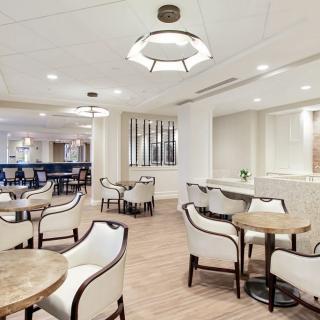
    • Dining room Dining roomDining rooms are important for seniors as they provide a space for socialization, connection, and nutritious meals. They offer opportunities for residents to bond over shared meals, foster a sense of community, and promote healthy eating habits. Dining rooms also ensure that seniors have access to well-balanced meals tailored to their dietary needs and preferences.
    • Fitness room Fitness roomHaving a fitness room in a senior living community is essential for seniors to stay active, maintain their physical health, and improve their overall well-being. Regular exercise can help prevent falls, reduce the risk of chronic diseases, and promote mental sharpness. It also provides social opportunities for residents to connect with others and enjoy a sense of community.
    • Fully furnished Fully furnishedFully furnished senior living communities are important for seniors because they provide convenience, comfort, and a hassle-free moving experience. Seniors can easily settle into their new living space without the stress of having to buy and move furniture. This allows them to focus on enjoying their new home and community.
    • Gaming room Gaming roomGaming rooms are important for seniors as they provide a fun and engaging environment for socializing, cognitive stimulation, and physical activity. Games can improve memory, problem-solving skills, and overall mental well-being while fostering friendships and reducing feelings of isolation.
    • Garden GardenGardens are important for seniors as they provide a peaceful and therapeutic environment for relaxation, physical activity, and socialization. Being in nature has been shown to reduce stress, improve mood, and promote overall well-being. Gardens also offer opportunities for seniors to engage in gardening activities, which can improve mobility, flexibility, and cognitive function. Additionally, gardens create a sense of community and connection with others who share a passion for plants and outdoor spaces.
    • Housekeeping services Housekeeping servicesHousekeeping services are important for seniors because they help maintain a clean and safe living environment, promote independence, and reduce the risk of accidents or illnesses. Additionally, having assistance with household chores can alleviate physical strain and allow seniors to focus on other aspects of their well-being.
    • Kitchenette KitchenetteKitchenettes are important for seniors living in senior living communities because they provide the convenience and independence of being able to prepare simple meals and snacks in the comfort of their own living space. This can help promote a sense of autonomy and well-being for seniors, allowing them to maintain some level of control over their dietary choices and daily routines.
    • Move-in coordination Move-in coordinationMove-in coordination is important for seniors because it helps ease the transition into their new living environment. It ensures that all logistics, such as packing, organizing movers, and setting up utilities are taken care of, allowing seniors to focus on settling in and adjusting to their new home. Having a smooth move-in process can alleviate stress and anxiety, making the transition smoother and more enjoyable for seniors.
    • Outdoor space Outdoor spaceOutdoor spaces are important for seniors as they provide opportunities for physical activity, social interaction, exposure to natural light and fresh air, and a sense of connection to nature. Having access to outdoor spaces can improve overall well-being and quality of life for older adults living in senior communities.
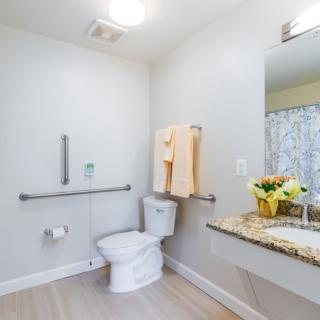
    • Private bathrooms Private bathroomsPrivate bathrooms are important for seniors in senior living communities because they provide independence, dignity, and comfort. Having a private bathroom allows seniors to maintain their personal hygiene routines without the need for assistance, promoting a sense of autonomy and privacy. Additionally, private bathrooms help prevent the spread of infections and provide a safe and clean environment for seniors to navigate safely.
    • Restaurant-style dining Restaurant-style diningRestaurant-style dining is important for seniors because it allows them to enjoy delicious, nutritious meals in a social and upscale setting. This enhances their dining experience, promotes healthy eating habits, and fosters socialization with fellow residents, ultimately contributing to their overall well-being and quality of life.
    • Small library Small librarySmall libraries are important for seniors as they provide access to a variety of reading materials, including books, newspapers, and magazines. This can help stimulate their minds, keep them engaged, and provide a sense of community through book clubs and other social activities. Additionally, reading has been shown to improve cognitive function and overall mental well-being in older adults.
    • Telephone TelephoneTelephones are important for seniors as they provide a lifeline for communication with loved ones, emergency services, and healthcare providers. They offer a sense of security and independence, enabling seniors to stay connected and access assistance when needed.
    • Wellness center Wellness centerWellness centers are important for seniors because they offer a variety of programs and services that promote physical, mental, and emotional well-being. These centers provide opportunities for exercise, socialization, education, and relaxation, helping seniors maintain their overall health and quality of life.
    • Wi-Fi/high-speed internet available Wi-Fi/high-speed internet availableWi-Fi/high-speed internet is important for seniors to stay connected with loved ones, access online resources, and participate in virtual activities to combat feelings of loneliness and isolation. It also allows them to easily manage healthcare needs, access entertainment, and engage in lifelong learning opportunities.

    Transportation

    • Community operated transportation Community operated transportationCommunity operated transportation is crucial for seniors as it provides them with the means to access essential services, social activities, and medical appointments. It allows seniors to maintain their independence and quality of life by ensuring they can participate in activities outside of their homes. Additionally, community-operated transportation services offer a safe and reliable way for seniors to travel without having to rely on family or friends for assistance.
    • Transportation arrangement Transportation arrangementTransportation arrangements are crucial for seniors as they may face challenges with driving, mobility, or access to public transportation. Having reliable transportation services ensures that seniors can easily attend appointments, social activities, and maintain their independence and quality of life.
    • Transportation arrangement (non-medical) Transportation arrangement (non-medical)Transportation arrangements are essential for seniors as they provide access to essential services, activities, and social interactions outside the home. This service helps maintain independence, mobility, and overall well-being for seniors who may have limited transportation options.
    • Transportation to doctors appointments Transportation to doctors appointmentsTransportation to doctors appointments is crucial for seniors as it ensures they have access to necessary medical care and support, promoting their health and well-being. It allows them to receive timely treatment, monitor existing conditions, and address any new health concerns efficiently. Additionally, transportation services can help seniors maintain their independence and quality of life by enabling them to stay connected with their healthcare providers.

    Care Services

    • 12-16 hour nursing 12-16 hour nursing12-16 hour nursing care is crucial for seniors in order to ensure around-the-clock monitoring, timely medication administration, and prompt response to any health concerns or emergencies. This level of care helps to promote the overall well-being and safety of seniors living in senior living communities.
    • 24-hour call system 24-hour call system24-hour call systems are important for seniors because they provide peace of mind and immediate assistance in case of emergencies. This technology ensures that help is always available, promoting safety and security for elderly individuals living alone or in assisted living facilities.
    • 24-hour supervision 24-hour supervision24-hour supervision is important for seniors to ensure their safety, well-being, and access to immediate assistance in case of emergencies or health issues. This constant support provides peace of mind for both seniors and their loved ones, allowing them to age in place with dignity and security.
    • Activities of daily living assistance Activities of daily living assistanceActivities of daily living assistance are important for seniors because they provide essential support with tasks such as eating, bathing, dressing, and mobility. This assistance helps seniors maintain their independence, dignity, and overall quality of life as they age.
    • Assistance with bathing Assistance with bathingAssistance with bathing is crucial for seniors as it helps maintain personal hygiene, prevents infections, and ensures their overall well-being and comfort. It also provides a sense of dignity and independence for seniors who may struggle with this task on their own.
    • Assistance with dressing Assistance with dressingAssistance with dressing is important for seniors because it helps maintain their independence, promotes personal hygiene, prevents accidents and injuries, and improves overall quality of life. This service ensures that seniors can continue to dress comfortably and confidently, despite any physical limitations they may have.
    • Assistance with transfers Assistance with transfersAssistance with transfers is crucial for seniors as it helps prevent falls and injuries, maintains their independence, and ensures they can safely navigate their living environment. It also provides peace of mind for both seniors and their loved ones.
    • Diabetes diet Diabetes dietA diabetes diet is crucial for seniors as it helps manage blood sugar levels, reduce risks of complications, and improve overall health and well-being. By following a balanced and nutritious diet tailored to their specific needs, seniors can better control their diabetes and enhance their quality of life.
    • Meal preparation and service Meal preparation and serviceMeal preparation and service are crucial for seniors as they may have limited mobility or energy to cook nutritious meals. Having access to healthy and convenient food options can ensure they are getting the proper nutrition needed to maintain their overall health and well-being.
    • Medication management Medication managementMedication management is crucial for seniors to ensure they are taking the right medications at the correct dosages and times. This helps prevent adverse drug interactions, reduces the risk of medication errors, and promotes overall health and well-being. Proactive management also allows for adjustments as needed based on changing health conditions or new prescriptions.
    • Mental wellness program Mental wellness programMental wellness programs are essential for seniors as they promote cognitive stimulation, emotional support, and social engagement. These programs help prevent isolation, depression, and cognitive decline, ultimately enhancing the overall quality of life for older adults.
    • Special dietary restrictions Special dietary restrictionsSpecial dietary restrictions are important for seniors because age-related changes in metabolism and health conditions can make it difficult for their bodies to process certain foods. By following a diet tailored to their specific needs, seniors can maintain their overall health and well-being, manage chronic conditions, and reduce the risk of complications such as malnutrition or food interactions with medications.

    Dining

    • Diabetes diet Diabetes dietA diabetes diet is crucial for seniors as it helps manage blood sugar levels, reduce risks of complications, and improve overall health and well-being. By following a balanced and nutritious diet tailored to their specific needs, seniors can better control their diabetes and enhance their quality of life.
    • Special dietary restrictions Special dietary restrictionsSpecial dietary restrictions are important for seniors because age-related changes in metabolism and health conditions can make it difficult for their bodies to process certain foods. By following a diet tailored to their specific needs, seniors can maintain their overall health and well-being, manage chronic conditions, and reduce the risk of complications such as malnutrition or food interactions with medications.

    Activities

    • Community-sponsored activities Community-sponsored activitiesCommunity-sponsored activities are important for seniors as they provide opportunities for social interaction, mental stimulation, and physical activity. These activities can help improve overall well-being, combat loneliness and isolation, and promote a sense of belonging and purpose among older adults.
    • Concierge services Concierge servicesConcierge services are essential for seniors as they provide assistance with daily tasks and errands, enhance their quality of life by offering convenience and personalized care, and promote a sense of safety and security.
    • Fitness programs Fitness programsFitness programs are crucial for seniors as they help improve strength, flexibility, balance, and overall well-being. Staying active can reduce the risk of chronic diseases, improve mental health, and enhance quality of life in older adults.
    • Planned day trips Planned day tripsPlanned day trips are important for seniors because they offer opportunities for socialization, mental stimulation, and physical activity. They provide a change of scenery and help seniors stay engaged and connected to their community, promoting overall well-being and quality of life.
    • Resident-run activities Resident-run activitiesResident-run activities are important for seniors as they encourage social interaction, creativity, and a sense of autonomy. These activities empower seniors to stay engaged and active in their community while fostering meaningful connections with their peers.
    • Scheduled daily activities Scheduled daily activitiesScheduled daily activities are important for seniors because they provide structure, socialization, mental stimulation, and physical activity. Engaging in regular activities can improve overall well-being and quality of life for seniors living in a community setting.

    Description

    Culpeper Health & Rehabilitation Center in Culpeper, VA is an assisted living community that offers a wide range of amenities and care services to ensure the comfort and well-being of its residents. The center provides a homelike environment with fully furnished accommodations, private bathrooms, and restaurant-style dining options. Residents can enjoy various amenities such as a beauty salon, gaming room, fitness room, small library, and outdoor spaces including a garden. The community also offers convenient services like housekeeping, move-in coordination, transportation arrangement (both non-medical and to doctors' appointments), and Wi-Fi/ high-speed internet access.

    In terms of care services, the center has a 24-hour call system and supervision to ensure the safety of its residents. Trained staff are available to provide assistance with activities of daily living such as bathing, dressing, and transfers. Special care is given to those with diabetes or special dietary restrictions. Medication management is also provided along with a mental wellness program to promote overall health.

    Residents at Culpeper Health & Rehabilitation Center can enjoy a variety of activities offered on-site including fitness programs, resident-run activities, planned day trips, and scheduled daily activities. Concierge services are also available for added convenience.

    The surrounding area offers numerous amenities as well. There are two cafes nearby for residents to enjoy outings or have meals outside the facility. Four parks provide opportunities for outdoor recreation and leisurely walks. Six pharmacies offer easy access to medications while 25 physicians ensure that medical needs are met promptly. Additionally, there are 22 restaurants nearby offering diverse dining options for residents who wish to explore culinary delights outside the facility. Transportation options are readily available with two transportation services in close proximity.

    For spiritual needs, there are twelve places of worship nearby where residents can attend religious services if desired. There is also one theater nearby for entertainment purposes. In case of medical emergencies or specialized care needs, three hospitals are conveniently located nearby.

    Overall, Culpeper Health & Rehabilitation Center offers a comprehensive assisted living experience with a wide range of amenities, care services, and convenient access to nearby amenities to ensure that residents can enjoy a vibrant and fulfilling lifestyle.

    Nearby Places of Interest

    Physicians

    • Fauquier Health General Surgery at Culpeper (0.1 miles)
    • Fauquier Health General Surgery at Culpeper (0.1 miles)
    • Central Virginia Oral & Facial Surgeons (0.1 miles)
    • Culpeper Family Practice (0.1 miles)
    • UVA Primary Care Culpeper Family Practice (0.1 miles)
    • Culpeper Ear, Nose, and Throat (0.2 miles)
    • Virginia Orthopedic and Spine Center (0.3 miles)

    Places of Worship

    • Reformation Lutheran Church (0.1 miles)
    • Reformation Lutheran Church (1.3 miles)
    • Culpeper Presbyterian (1.4 miles)
    • Igelsia Casa De Dios Bethel (1.4 miles)
    • Hope Community Church of the Nazarene (1.4 miles)
    • Iglesia Pentecostal Fuente De Agua Viva (1.5 miles)
    • City Light Baptist Church (1.6 miles)

    Pharmacies

    • Walgreens (0.1 miles)
    • The Pharmacy of Culpeper (0.8 miles)
    • Good Neighbor Pharmacy (0.9 miles)
    • CVS Pharmacy (0.9 miles)
    • Walgreens (3 miles)
    • Martin's Pharmacy (3.2 miles)
    • Good Neighbor Pharmacy (12.4 miles)

    Restaurants

    • Sonia's Bakery & More (0.2 miles)
    • Mama's Pizza & Subs (0.3 miles)
    • Peppers Grill (0.4 miles)
    • C J's Soft Serve (0.9 miles)
    • Country Cafe (1 miles)
    • Sweets By Monique (1 miles)
    • Lucio (1.2 miles)

    Hospitals

    • Culpeper Regional Hospital (0.3 miles)
    • Culpeper Surgery Center (0.4 miles)
    • Culpeper Regional Hospital Foundation (1.5 miles)

    Parks

    • Rockwater Park (0.6 miles)
    • Culpeper County Parks & Rec (1.4 miles)
    • Mountain Run Lake Park (1.6 miles)
    • Commonwealth Park (4.3 miles)

    Transportation

    • U-Haul Neighborhood Dealer (1 miles)
    • Amtrak (1.5 miles)
    • 88VA - Belmont Farm Airport (5.9 miles)
    • Coffey's Taxidermy (8.8 miles)

    Theaters

    • Regal Culpeper (1.4 miles)

    Cafes

    • Panera Bread (3.1 miles)
    • Starbucks (3.1 miles)

    Frequently Asked Questions

    Where is Culpeper Health & Rehabilitation Center?
    What photos are available for Culpeper Health & Rehabilitation Center in Culpeper, Virginia?

    Nearby Communities

    Skilled Nursing Facility in Nearby Cities

    Related Resources

    • what is hospice care at homeUnderstanding Hospice Care at Home: Comprehensive Services, Key Benefits, and Eligibility

      Hospice care at home provides specialized end-of-life support that focuses on comfort and dignity for individuals with life-limiting illnesses, offering a range of services including medical management, emotional and spiritual support, and logistical assistance tailored to the family's needs. It involves collaboration to create individualized care plans and extends to bereavement support after a loved one's passing.

    • how much does 24/7 in home care cost per monthUnderstanding the Full Cost of 24/7 In-Home Care: A Detailed Overview

      The guide outlines the rising costs of 24/7 in-home care, ranging from $10,000 to over $20,000 monthly, driven by factors such as location and caregiver qualifications. It discusses the limited coverage by Medicare and private insurance, potential Medicaid support, and the emotional and living condition considerations influencing families' decisions on care arrangements.

    • home health nurseExploring the World of Home Health Nurses: Qualifications, Roles, and Hiring Tips


      Home health nursing is an expanding field where licensed professionals provide specialized medical care in patients' homes, addressing the needs of an aging population through personalized services like assessments and medication management. Effective collaboration with healthcare teams, cultural sensitivity, and quality assurance measures are essential for fostering trust and ensuring positive patient outcomes.


    Get Pricing Ask A Question Schedule A Tour Contact Senior Advisor