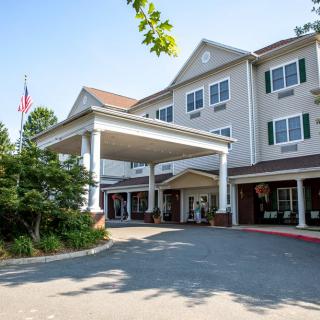
Cedars Healthcare Center in Charlottesville, VA

Save

  • Interior

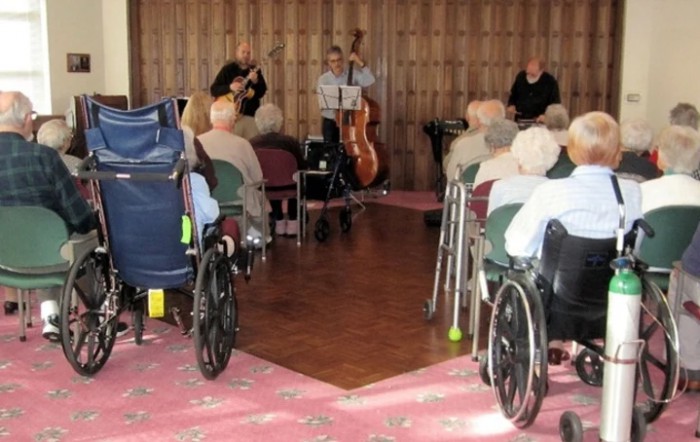
    A musical performance for an elderly audience in a community setting.
  • Building

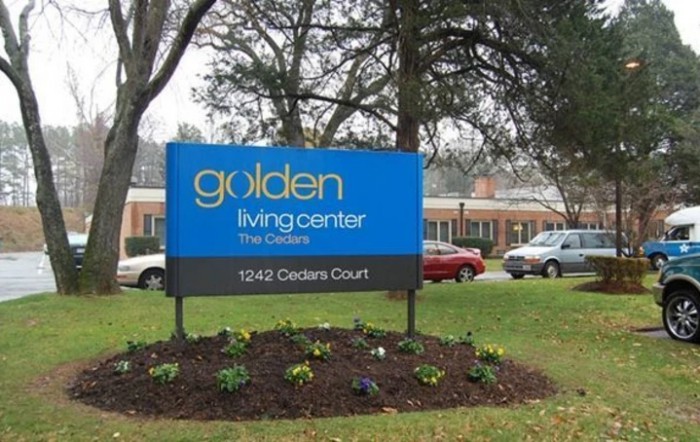
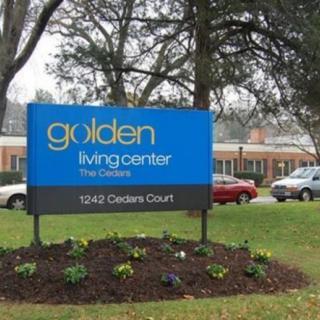
    Sign for Golden Living Center in front of a healthcare facility.
  • Trees

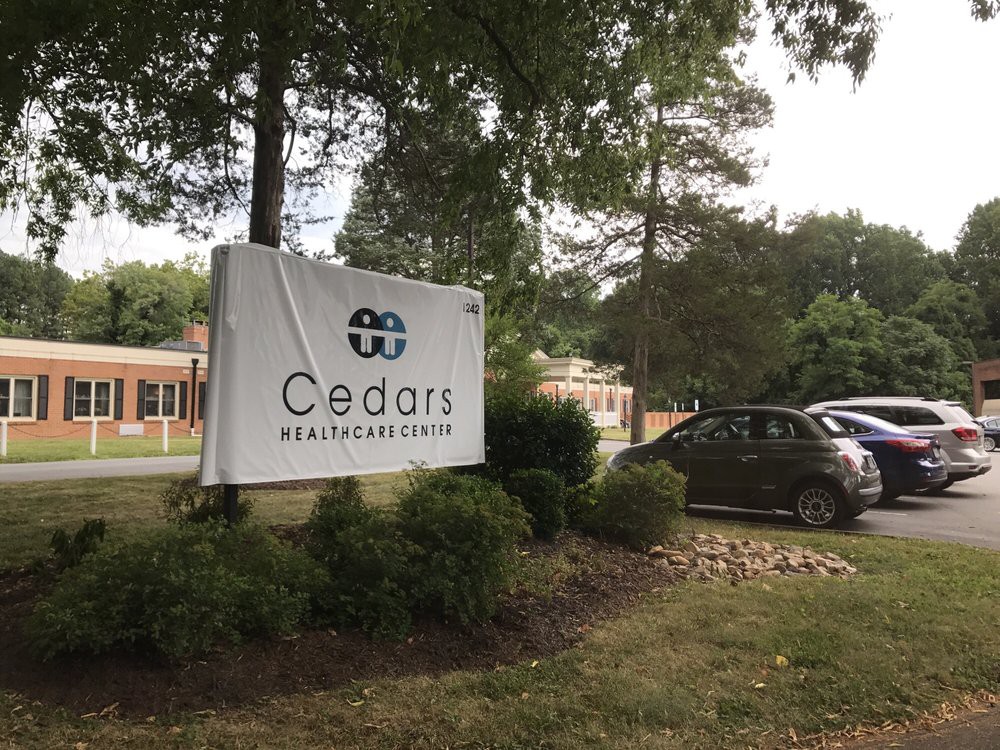
    A view of a building surrounded by trees and parked cars on a clear day.
  • Outdoor

    An outdoor sign for a business named 'Cadota Advanced' surrounded by greenery.
  • Exercise Equipment

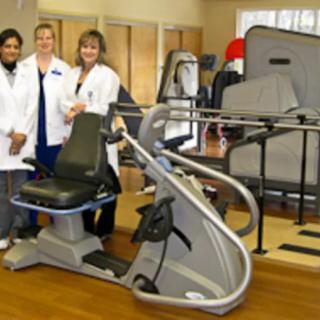
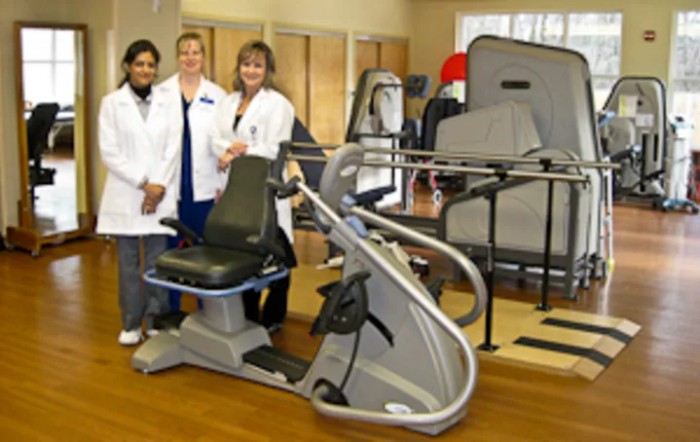
    Healthcare professionals standing next to rehabilitation exercise equipment in a medical facility.
  • Assistance

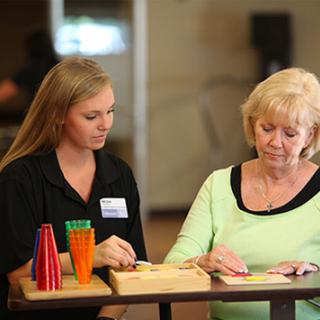
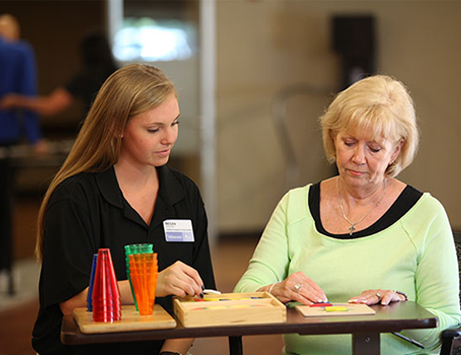
    A young adult assists an elderly person with a tabletop activity, fostering engagement and interaction.

Cedars Healthcare Center in Charlottesville, VA

Information last verified:

1242 Cedars Ct, Charlottesville, VA 22903

For more information about senior living options: (844) 490-3973

3.3 from 37 reviews
5 stars
21
4 stars
0
3 stars
1
2 stars
0
1 stars
15

Overall Review of Cedars Healthcare Center

Pros

  • pro The staff are professional and proactive in their care.
  • pro The care team demonstrates teamwork, strong communication, mentoring, and patient-focused care.
  • pro New management has turned things around, with a building that looks great and staff who genuinely care about residents.
  • pro Residents enjoy the activities and form great connections with others.
  • pro The overall vibe is welcoming and residents are treated like family.
  • pro The rehabilitation and physical therapy services have transformed the quality of care and residents’ independence.
  • pro The center provides warm hospitality and compassionate support for families.
  • pro Administrators and leadership are praised for making positive, impactful changes.

Cons

  • pro The facility is described as a run-down Medicaid facility, essentially a homeless shelter with drug users and psychiatric patients, labeled as "the lowest of the low."
  • pro The place is referred to as a homeless shelter/rehab where visitors are warned to enter at their own risk.
  • pro The staff are described as unprofessional, with residents seen under the influence of drugs and alcohol and the building not caring.
  • pro It is called the worst nursing home in the area, with alarms removed from residents and no explanation given.
  • pro The environment is described as absolutely disgusting, with a strong stench of urine and feces upon entry.
  • pro The nurses are labeled rude, crude, and untrained to care for residents.
  • pro Front desk staff are sometimes unfriendly, and housekeeping is noted as neglected.
  • pro Overall, the care is portrayed as unsafe and neglectful, with advice to avoid placing loved ones there.

Review

Cedars Healthcare Center in Charlottesville is best suited for seniors whose primary goal is recovery through aggressive rehabilitation in a setting that has shifted recently toward a more attentive, family-like culture. This community shines for those who value hands-on physical therapy, proactive staff engagement, and engaging daily programming, including meaningful activities and better meals. Under new leadership, the atmosphere has been described as welcoming, with residents showing improved connections and a sense of belonging. Families should understand, however, that this is most compelling for rehab-focused care rather than for others who require a uniformly pristine, always-stable environment across all shifts. Those who prioritize rigid, predictable environments with unwavering staffing consistency may want to consider alternatives.

The strongest positives center on the rehab and therapy front. The facility has earned praise for high-quality physical therapy, effective rehabilitation outcomes, and staff who are experienced, professional, and genuinely caring. Families note meaningful improvements in residents’ mood, engagement, and social interaction, with many reporting that their loved ones look forward to activities and form friendships. The overall care ethos now feels more like a team effort, with administrators and DONs who are accessible and committed to lifting care standards. Food, activities, and the sense of being treated like family contribute to a noticeably more positive day-to-day experience for many residents.

Yet the experience is not uniformly positive, and the most serious concerns recede only for some residents. A substantial portion of reviews flag safety and quality gaps, ranging from complaints about staffing inconsistency and turnover to accusations of unsanitary conditions and lapses in supervision. Several accounts describe friction between front-desk staff and families, alarms or safety systems not functioning consistently, and variability in how quickly needs are met. The tone of the negative feedback emphasizes that, while many caregivers are dedicated, there is a nontrivial risk of uneven care depending on shift, staff proximity, and management responsiveness. In short, the facility’s positive trajectory is real, but it is not universal.

These contrasting experiences must be weighed against each other when forming a plan. The favorable rehab outcomes and the warm, engaged culture can offset many resident and family concerns, particularly for those who are committed to active involvement with care planning and ongoing oversight. However, the lingering concerns about sanitation, supervision gaps, and staff reliability mean that Cedars may not be suitable for residents requiring relentless consistency, top-tier safety controls, or a maintenance of pristine conditions at all times. Prospective families should insist on current, concrete assurances: recent staffing ratios, incident and complaint follow-through, cleanliness metrics, and a transparent, responsive mechanism for addressing concerns. A direct conversation with the administrator and the DON, coupled with a first-hand evening or weekend visit, can reveal whether the day-to-day reality aligns with expectations.

For families navigating a decision, Cedars represents a clear trade-off. If rehabilitation efficacy, a warm, family-forward environment, and improved activities and meals are the top priorities, this center offers meaningful upside and a plausible path to independence for many residents. If safety, perfect cleanliness, and unwavering consistency across all shifts are non-negotiable, it is prudent to explore alternatives or to place strong emphasis on verifying current performance indicators before committing. The decision should hinge on how robust the rehab program is, how reliable the staffing framework remains, and how closely family oversight can be maintained to preserve a high standard of daily care. Cedars can be a strong match when these elements align, but it requires engaged, ongoing involvement from loved ones to ensure the best possible outcomes.

Features

Housing

  • 143 resident community capacity 143 resident community capacity

Types of Care

  • Skilled Nursing Facility Skilled Nursing FacilitySkilled Nursing Facilities are crucial for seniors as they provide round-the-clock medical care, rehabilitation services, and assistance with daily activities. These facilities ensure that seniors receive the specialized care they need to maintain their health and well-being as they age.

Amenities

  • Air-conditioning Air-conditioningAir conditioning is important for seniors as they are more vulnerable to heat-related illnesses and may have underlying health conditions that make it difficult for them to regulate their body temperature. It helps to keep them comfortable, safe, and healthy in hot weather.
  • Beauty salon Beauty salonBeauty salons are important for seniors because they provide a space for them to feel pampered, socialize, and maintain their personal grooming and hygiene. Regular visits to a beauty salon can help boost seniors' self-esteem and overall well-being.
  • Cable or satellite TV Cable or satellite TVCable or satellite TV is important for seniors because it provides entertainment, news, and companionship, helping to combat loneliness and boredom. It also offers a wide range of programming options tailored to different interests and preferences.
  • Computer center Computer centerA computer center is essential for seniors as it provides access to technology, communication tools, and resources that can enhance their daily lives. It allows them to stay connected with loved ones, engage in online activities, and learn new skills, ultimately promoting socialization and mental stimulation.
  • Dining room Dining roomDining rooms are important for seniors as they provide a space for socialization, connection, and nutritious meals. They offer opportunities for residents to bond over shared meals, foster a sense of community, and promote healthy eating habits. Dining rooms also ensure that seniors have access to well-balanced meals tailored to their dietary needs and preferences.
  • Fitness room Fitness roomHaving a fitness room in a senior living community is essential for seniors to stay active, maintain their physical health, and improve their overall well-being. Regular exercise can help prevent falls, reduce the risk of chronic diseases, and promote mental sharpness. It also provides social opportunities for residents to connect with others and enjoy a sense of community.
  • Fully furnished Fully furnishedFully furnished senior living communities are important for seniors because they provide convenience, comfort, and a hassle-free moving experience. Seniors can easily settle into their new living space without the stress of having to buy and move furniture. This allows them to focus on enjoying their new home and community.
  • Gaming room Gaming roomGaming rooms are important for seniors as they provide a fun and engaging environment for socializing, cognitive stimulation, and physical activity. Games can improve memory, problem-solving skills, and overall mental well-being while fostering friendships and reducing feelings of isolation.
  • Garden GardenGardens are important for seniors as they provide a peaceful and therapeutic environment for relaxation, physical activity, and socialization. Being in nature has been shown to reduce stress, improve mood, and promote overall well-being. Gardens also offer opportunities for seniors to engage in gardening activities, which can improve mobility, flexibility, and cognitive function. Additionally, gardens create a sense of community and connection with others who share a passion for plants and outdoor spaces.
  • Housekeeping services Housekeeping servicesHousekeeping services are important for seniors because they help maintain a clean and safe living environment, promote independence, and reduce the risk of accidents or illnesses. Additionally, having assistance with household chores can alleviate physical strain and allow seniors to focus on other aspects of their well-being.
  • Kitchenette KitchenetteKitchenettes are important for seniors living in senior living communities because they provide the convenience and independence of being able to prepare simple meals and snacks in the comfort of their own living space. This can help promote a sense of autonomy and well-being for seniors, allowing them to maintain some level of control over their dietary choices and daily routines.
  • Move-in coordination Move-in coordinationMove-in coordination is important for seniors because it helps ease the transition into their new living environment. It ensures that all logistics, such as packing, organizing movers, and setting up utilities are taken care of, allowing seniors to focus on settling in and adjusting to their new home. Having a smooth move-in process can alleviate stress and anxiety, making the transition smoother and more enjoyable for seniors.
  • Outdoor space Outdoor spaceOutdoor spaces are important for seniors as they provide opportunities for physical activity, social interaction, exposure to natural light and fresh air, and a sense of connection to nature. Having access to outdoor spaces can improve overall well-being and quality of life for older adults living in senior communities.
  • Private bathrooms Private bathroomsPrivate bathrooms are important for seniors in senior living communities because they provide independence, dignity, and comfort. Having a private bathroom allows seniors to maintain their personal hygiene routines without the need for assistance, promoting a sense of autonomy and privacy. Additionally, private bathrooms help prevent the spread of infections and provide a safe and clean environment for seniors to navigate safely.
  • Restaurant-style dining Restaurant-style diningRestaurant-style dining is important for seniors because it allows them to enjoy delicious, nutritious meals in a social and upscale setting. This enhances their dining experience, promotes healthy eating habits, and fosters socialization with fellow residents, ultimately contributing to their overall well-being and quality of life.
  • Small library Small librarySmall libraries are important for seniors as they provide access to a variety of reading materials, including books, newspapers, and magazines. This can help stimulate their minds, keep them engaged, and provide a sense of community through book clubs and other social activities. Additionally, reading has been shown to improve cognitive function and overall mental well-being in older adults.
  • Telephone TelephoneTelephones are important for seniors as they provide a lifeline for communication with loved ones, emergency services, and healthcare providers. They offer a sense of security and independence, enabling seniors to stay connected and access assistance when needed.
  • Wellness center Wellness centerWellness centers are important for seniors because they offer a variety of programs and services that promote physical, mental, and emotional well-being. These centers provide opportunities for exercise, socialization, education, and relaxation, helping seniors maintain their overall health and quality of life.
  • Wi-Fi/high-speed internet available Wi-Fi/high-speed internet availableWi-Fi/high-speed internet is important for seniors to stay connected with loved ones, access online resources, and participate in virtual activities to combat feelings of loneliness and isolation. It also allows them to easily manage healthcare needs, access entertainment, and engage in lifelong learning opportunities.

Transportation

  • Charlottesville-Albermarle (6 miles away) Charlottesville-Albermarle (6 miles away)
  • Community operated transportation Community operated transportationCommunity operated transportation is crucial for seniors as it provides them with the means to access essential services, social activities, and medical appointments. It allows seniors to maintain their independence and quality of life by ensuring they can participate in activities outside of their homes. Additionally, community-operated transportation services offer a safe and reliable way for seniors to travel without having to rely on family or friends for assistance.
  • Transportation arrangement Transportation arrangementTransportation arrangements are crucial for seniors as they may face challenges with driving, mobility, or access to public transportation. Having reliable transportation services ensures that seniors can easily attend appointments, social activities, and maintain their independence and quality of life.
  • Transportation arrangement (non-medical) Transportation arrangement (non-medical)Transportation arrangements are essential for seniors as they provide access to essential services, activities, and social interactions outside the home. This service helps maintain independence, mobility, and overall well-being for seniors who may have limited transportation options.
  • Transportation to doctors appointments Transportation to doctors appointmentsTransportation to doctors appointments is crucial for seniors as it ensures they have access to necessary medical care and support, promoting their health and well-being. It allows them to receive timely treatment, monitor existing conditions, and address any new health concerns efficiently. Additionally, transportation services can help seniors maintain their independence and quality of life by enabling them to stay connected with their healthcare providers.

Care Services

  • 12-16 hour nursing 12-16 hour nursing12-16 hour nursing care is crucial for seniors in order to ensure around-the-clock monitoring, timely medication administration, and prompt response to any health concerns or emergencies. This level of care helps to promote the overall well-being and safety of seniors living in senior living communities.
  • 24-hour call system 24-hour call system24-hour call systems are important for seniors because they provide peace of mind and immediate assistance in case of emergencies. This technology ensures that help is always available, promoting safety and security for elderly individuals living alone or in assisted living facilities.
  • 24-hour supervision 24-hour supervision24-hour supervision is important for seniors to ensure their safety, well-being, and access to immediate assistance in case of emergencies or health issues. This constant support provides peace of mind for both seniors and their loved ones, allowing them to age in place with dignity and security.
  • Activities of daily living assistance Activities of daily living assistanceActivities of daily living assistance are important for seniors because they provide essential support with tasks such as eating, bathing, dressing, and mobility. This assistance helps seniors maintain their independence, dignity, and overall quality of life as they age.
  • Assistance with bathing Assistance with bathingAssistance with bathing is crucial for seniors as it helps maintain personal hygiene, prevents infections, and ensures their overall well-being and comfort. It also provides a sense of dignity and independence for seniors who may struggle with this task on their own.
  • Assistance with dressing Assistance with dressingAssistance with dressing is important for seniors because it helps maintain their independence, promotes personal hygiene, prevents accidents and injuries, and improves overall quality of life. This service ensures that seniors can continue to dress comfortably and confidently, despite any physical limitations they may have.
  • Assistance with transfers Assistance with transfersAssistance with transfers is crucial for seniors as it helps prevent falls and injuries, maintains their independence, and ensures they can safely navigate their living environment. It also provides peace of mind for both seniors and their loved ones.
  • Diabetes diet Diabetes dietA diabetes diet is crucial for seniors as it helps manage blood sugar levels, reduce risks of complications, and improve overall health and well-being. By following a balanced and nutritious diet tailored to their specific needs, seniors can better control their diabetes and enhance their quality of life.
  • Meal preparation and service Meal preparation and serviceMeal preparation and service are crucial for seniors as they may have limited mobility or energy to cook nutritious meals. Having access to healthy and convenient food options can ensure they are getting the proper nutrition needed to maintain their overall health and well-being.
  • Medication management Medication managementMedication management is crucial for seniors to ensure they are taking the right medications at the correct dosages and times. This helps prevent adverse drug interactions, reduces the risk of medication errors, and promotes overall health and well-being. Proactive management also allows for adjustments as needed based on changing health conditions or new prescriptions.
  • Mental wellness program Mental wellness programMental wellness programs are essential for seniors as they promote cognitive stimulation, emotional support, and social engagement. These programs help prevent isolation, depression, and cognitive decline, ultimately enhancing the overall quality of life for older adults.
  • Special dietary restrictions Special dietary restrictionsSpecial dietary restrictions are important for seniors because age-related changes in metabolism and health conditions can make it difficult for their bodies to process certain foods. By following a diet tailored to their specific needs, seniors can maintain their overall health and well-being, manage chronic conditions, and reduce the risk of complications such as malnutrition or food interactions with medications.

Dining

  • Diabetes diet Diabetes dietA diabetes diet is crucial for seniors as it helps manage blood sugar levels, reduce risks of complications, and improve overall health and well-being. By following a balanced and nutritious diet tailored to their specific needs, seniors can better control their diabetes and enhance their quality of life.
  • Special dietary restrictions Special dietary restrictionsSpecial dietary restrictions are important for seniors because age-related changes in metabolism and health conditions can make it difficult for their bodies to process certain foods. By following a diet tailored to their specific needs, seniors can maintain their overall health and well-being, manage chronic conditions, and reduce the risk of complications such as malnutrition or food interactions with medications.

Activities

  • Community-sponsored activities Community-sponsored activitiesCommunity-sponsored activities are important for seniors as they provide opportunities for social interaction, mental stimulation, and physical activity. These activities can help improve overall well-being, combat loneliness and isolation, and promote a sense of belonging and purpose among older adults.
  • Concierge services Concierge servicesConcierge services are essential for seniors as they provide assistance with daily tasks and errands, enhance their quality of life by offering convenience and personalized care, and promote a sense of safety and security.
  • Fitness programs Fitness programsFitness programs are crucial for seniors as they help improve strength, flexibility, balance, and overall well-being. Staying active can reduce the risk of chronic diseases, improve mental health, and enhance quality of life in older adults.
  • Planned day trips Planned day tripsPlanned day trips are important for seniors because they offer opportunities for socialization, mental stimulation, and physical activity. They provide a change of scenery and help seniors stay engaged and connected to their community, promoting overall well-being and quality of life.
  • Resident-run activities Resident-run activitiesResident-run activities are important for seniors as they encourage social interaction, creativity, and a sense of autonomy. These activities empower seniors to stay engaged and active in their community while fostering meaningful connections with their peers.
  • Scheduled daily activities Scheduled daily activitiesScheduled daily activities are important for seniors because they provide structure, socialization, mental stimulation, and physical activity. Engaging in regular activities can improve overall well-being and quality of life for seniors living in a community setting.

Description

The Cedars Healthcare Center in Charlottesville, VA is a premier assisted living community that offers a wide range of amenities and care services to enhance the quality of life for its residents. The community boasts a beauty salon for pampering and self-care, as well as cable or satellite TV in each resident's room for entertainment. Community operated transportation is available for convenience, along with a computer center for staying connected.

For dining options, residents can enjoy meals in the elegant dining room with restaurant-style service or choose from one of the 50 nearby restaurants. The fitness room and wellness center promote overall well-being and physical health, while the gaming room and small library offer opportunities for leisure activities.

Each resident has their own private bathroom and fully furnished living space for comfort and privacy. Housekeeping services ensure that their living space remains clean and tidy. Move-in coordination is also provided to assist residents in transitioning smoothly into their new home.

Care services at Cedars Healthcare Center are comprehensive and include assistance with activities of daily living such as bathing, dressing, and transfers. Medication management and special dietary restrictions are also accommodated. A mental wellness program is available to address emotional needs.

Residents can take advantage of numerous activities offered by the community, including fitness programs, planned day trips, and resident-run activities. Concierge services are also available to cater to individual preferences.

The location of Cedars Healthcare Center offers convenience with various amenities nearby. There are plenty of cafes, parks, pharmacies, physicians' offices, places of worship, theaters, restaurants,and hospitals within close proximity.

Overall, the Cedars Healthcare Center provides a comfortable and caring environment where seniors can enjoy an active lifestyle while receiving personalized assistance with their daily needs.

Nearby Places of Interest

Restaurants

  • Peter Chang's China Grill (0.1 miles)
  • Cook Out (0.2 miles)
  • Zaxby's (0.2 miles)
  • Bodo's Bagels (0.2 miles)
  • Arby's (0.3 miles)
  • El Puerto (0.4 miles)
  • Raising Cane's Chicken Fingers (0.4 miles)

Pharmacies

  • Kroger Pharmacy (0.2 miles)
  • Kroger Pharmacy (0.5 miles)
  • Octapharma Plasma (0.8 miles)
  • Lewis & Clark Pharmaceuticals (1.1 miles)
  • CVS Pharmacy (1.5 miles)
  • CVS Pharmacy (2.1 miles)
  • Timberlakes Drug Store (2.2 miles)

Cafes

  • Starbucks (0.3 miles)
  • Shenandoah Joe Coffee Roasters (1.3 miles)
  • Kung Fu Tea (1.7 miles)
  • Mudhouse (2 miles)
  • Starbucks (2.1 miles)

Theaters

  • Regal Stonefield & IMAX (0.7 miles)

Physicians

  • Professional Optical Service Incorporated (0.7 miles)
  • UVA Colonnades Medical Associates (0.8 miles)
  • American Board of Urology (1.2 miles)
  • Albemarle Center for Family Medicine (1.3 miles)
  • Occupational Health Strategies (1.5 miles)
  • Charlottesville Wellness Center Family Practice (1.5 miles)
  • Eye Clinic (1.6 miles)

Hospitals

  • Kluge Children's Rehabilitation Center (1.4 miles)
  • Rector & Visitors of The University of Virginia (1.4 miles)
  • University Hospital (1.7 miles)
  • UVA Hospital 4 Central (1.7 miles)
  • University of Virginia Health System : Infectious Diseases Clinic (1.8 miles)
  • UVA 3 Central (1.8 miles)

Places of Worship

  • St Paul's Memorial Church (1.4 miles)
  • University Baptist Church (1.6 miles)

Transportation

  • Amtrak (1.8 miles)

Parks

  • Tonsler Park (2.2 miles)

Frequently Asked Questions

Where is Cedars Healthcare Center?
What photos are available for Cedars Healthcare Center in Charlottesville, Virginia?

Nearby Communities

  • Golden LivingCenter-Charlottesville

    Golden LivingCenter-Charlottesville

    Charlottesville, VA

    3.2 from 39 reviews
    $4,505 to $5,265 / month

    pro Strong access to nearby healthcare, pharmacies, dining options, and social amenities.


  • Care Advantage of Charlottesville,  VA

    Care Advantage of Charlottesville, VA

    Charlottesville, VA

    4.8 from 4 reviews
     

    pro Several caregivers (notably Michelle, Linda, Catherine, and Mandy) are highly praised for exceptional, dedicated care.

  • FirstLight HomeCare - Charlottesville,  VA

    FirstLight HomeCare - Charlottesville, VA

    Charlottesville, VA

    3.8 from 17 reviews
    $4,500 to $5,850 / month

    pro Excellent access to nearby amenities and healthcare services.

  • The Manor House

    The Manor House

    Charlottesville, VA

    4 from 4 reviews
    $2,015 to $3,270 / month

    pro Helpful staff and spacious, well-appointed rooms.

  • Senior Helpers - Charlottesville,  VA

    Senior Helpers - Charlottesville, VA

    Charlottesville, VA

    4.6 from 16 reviews
     

    pro Professional, compassionate care with open communication and fair pricing.

  • The Colonnades

    The Colonnades

    Charlottesville, VA

    4.5 from 149 reviews
    $3,645 to $4,433 / month

    pro Friendly staff, active social life, and well-appointed apartments in a convenient Charlottesville location.

  • Morningside Of Charlottesville

    Morningside Of Charlottesville

    Charlottesville, VA

    4.5 from 111 reviews
    $3,175 to $7,185 / month

    pro Friendly, attentive staff in a clean, welcoming environment with engaging activities.

  • Martha Jefferson House

    Martha Jefferson House

    Charlottesville, VA

    4.7 from 39 reviews
    $5,500 to $6,500 / month

    pro Home-like setting with a caring, attentive staff and an odor-free, clean environment.

  • Rosewood Village Greenbrier

    Rosewood Village Greenbrier

    Charlottesville, VA

    4.6 from 125 reviews
    $4,050 to $5,950 / month

    pro Friendly staff with attentive care in a warm, family-owned atmosphere.

Skilled Nursing Facility in Nearby Cities

Related Resources

  • caregiver dutiesTen Vital Duties of a Senior Caregiver: A Comprehensive Guide

    The guide details ten essential responsibilities of senior caregivers, including personal care, mobility assistance, medication management, and emotional support, while emphasizing the importance of safety, nutrition, and maintaining a safe living environment to enhance seniors' quality of life and independence.

  • memory games for seniors9 Stimulating Memory Activities for Seniors: Puzzles, Cards, and Much More

    The article highlights nine memory-boosting activities for seniors that enhance cognitive health and social interaction, including puzzles, trivia quizzes, and storytelling, while emphasizing the importance of adapting these activities to individual preferences to maximize enjoyment and engagement. Consistent mental engagement is linked to improved cognitive function and emotional well-being in older adults.

  • what happens when medicare stops paying for nursing home careManaging Nursing Home Expenses After Medicare Coverage Ends
    Medicare provides limited coverage for skilled nursing home care, covering full benefits for the first 20 days and partial benefits up to 100 days under certain conditions, after which families must explore alternative funding options like Medicaid or long-term care insurance to manage potentially high costs. Proactive planning is essential to navigate the complexities of financing ongoing care once Medicare coverage ends.