


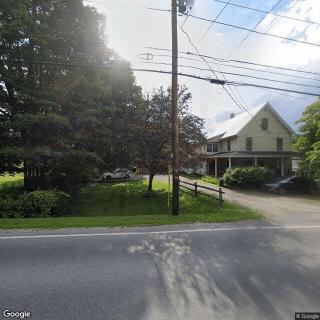
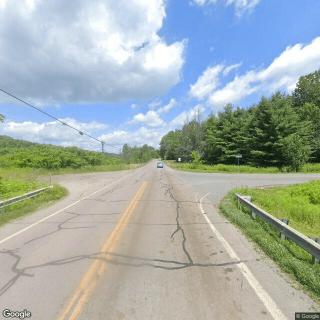
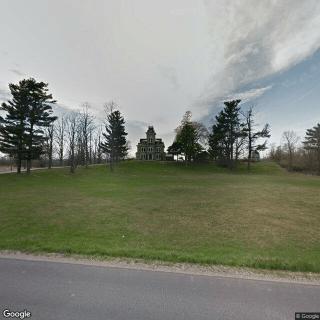
71 Richardson Avenue, Northfield, VT 05663
For more information about senior living options: (866) 208-4318
Overall Review of Mayo Healthcare
Pros
 Mayo Healthcare's administrative staff are kind and knowledgeable.
- The nursing staff is quick to respond and thorough.
- The facility is clean and bustling with good energy.
- Residents feel at home in Mayo's caring environment.
- The staff are passionate about their work and genuinely care for people.
- The team across all departments is exceptional and dedicated.
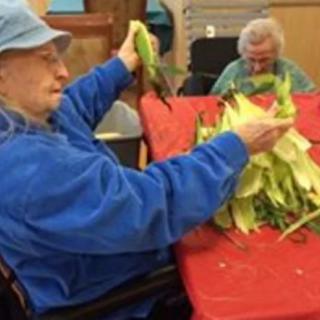
- Residents stay engaged and involved in activities, even with memory loss.
- Mayo Healthcare builds a sense of family and makes a meaningful, everyday difference.
Cons
 Other healthcare facilities were appalling.
- They left him alone in his bed for days.
- They show no concept of support during mourning.
Review
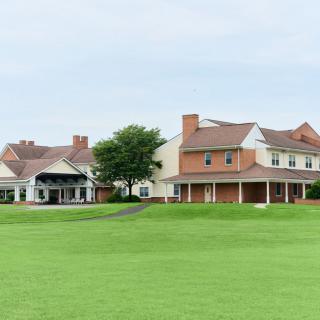
This community is best suited for families who prize a warm, family-like atmosphere where staff form genuine bonds with residents, especially when memory care and social engagement are priorities. Mayo Healthcare in Northfield, Vermont consistently earns praise for a clean, energetic environment where residents feel at home. The testimonials emphasize a sense of belonging: staff interactions that feel personal, residents who remain engaged, and families who sense a compassionate, long-term commitment. The facility’s non-profit character and well-run campus culture contribute to a perception of stability and ongoing investment in quality of life, with spacious rooms, outdoor spaces, and a walking path that invite daily activity.
Those who may want to consider alternatives include families for whom formal mourning or bereavement support is a non-negotiable priority. One review highlighted a notable gap in mourning support, signaling that while daily care and social programming shine, the structure for bereavement work is less clear. For residents with highly complex medical needs who expect hospital-like breadth of clinical services and highly regimented medical oversight, comparing options with a stronger emphasis on aggressive medical management may be prudent. In short, Mayo excels at daily care, engagement, and end-of-life kindness, but it may not meet every family’s standard for formal mourning programs.
The strongest pros, compassionate, responsive staff; thorough nursing care; and a home-like ambiance, drive Mayo Healthcare’s standout appeal. Administrative and nursing teams are repeatedly described as kind, knowledgeable, and quick to respond, creating a sense of safety and reliability. Families recount how care extends beyond routine tasks: staff members remind memory-impaired residents about activities, accompany them to events, and maintain consistent, affectionate contact. The atmosphere is described as lively yet intimate, with residents bonding with caregivers and feeling secure in a community that values every resident’s dignity. End-of-life experiences are framed as deeply supportive, with staff providing nourishment and practical help during difficult times, underscoring a culture of genuine care.
The balance between these strengths and the observed gaps mostly tilts toward a favorable outcome for most families. The proactive, resident-centered approach helps offset the one-liner concern about mourning support by delivering ongoing daily life quality: robust activity programming, accessible staff, and a facility design that supports mobility and outdoor engagement. The memorials and personal biographies shared at events illustrate a meaningful effort to honor residents’ lives in a way that resonates with families, even if a formal bereavement framework isn’t prominently described. For families not requiring intensive bereavement programming, Mayo’s comprehensive daily care, interpersonal warmth, and active social calendar create a compelling value proposition.
Prospective residents should explicitly verify several practical fit points during a visit. Observe the cadence of daily interactions between residents and staff, and assess how activities are tailored to different levels of ability, especially for memory care. Inquire about the memory-care approach, dining dynamics, transportation options, and how end-of-life care is coordinated with families and outside providers. Questions about bereavement resources, support groups, or referrals can help determine whether Mayo’s approach aligns with a family’s expectations. Given the consistent praise for staff culture and resident warmth, these checks should confirm whether the environment matches the hoped-for day-to-day experience.
Bottom line: Mayo Healthcare offers a compelling, practical choice for families seeking a compassionate, community-oriented setting with highly engaged staff, strong nursing care, and meaningful social programming. It stands out as a place where residents often feel seen, included, and comfortable enough to maintain independence and connection. The primary caveat is the less clearly defined bereavement support, which may lead some to explore alternatives that emphasize formal mourning programs. For most families, Mayo Healthcare represents a sound, well-regarded option in Northfield, worth pursuing with a thorough tour, candid conversations with staff, and a clear plan for care and connection as needs evolve.
 50 resident community capacity
 Skilled Nursing Facility
 Beauty salon
 Cable or satellite TV
 Dining room
 Fully furnished
 Garden
 Housekeeping services
 Kitchenette
 Move-in coordination
 Outdoor space
 Restaurant-style dining
 Small library
 Telephone
 Wi-Fi/high-speed internet available
 24-hour call system
 Activities of daily living assistance
 Assistance with bathing
 Assistance with dressing
 Assistance with transfers
 Diabetes diet
 Medication management
 Mental wellness program
 Special dietary restrictions

 Skilled Nursing Facilities vs. Nursing Homes: Making Sense of the Differences
 A Detailed Examination of Nursing Home Costs Across the U.S.
 Exploring Nonmedical Home Care: Understanding Services, Costs, and Financial Approaches