

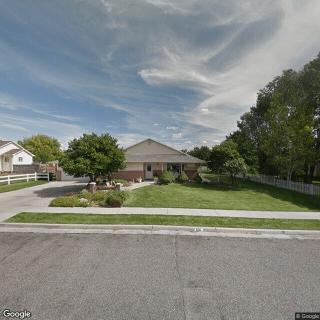
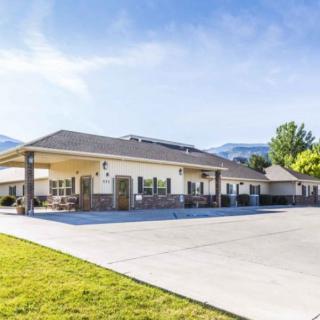
163 E 1000 N, Richfield, UT 84701
To contact a resident: (435) 896-8211
For more information about senior living options: (866) 208-4318
Overall Review of Richfield Care Center
Pros
 The caregivers were patient and loving with her.
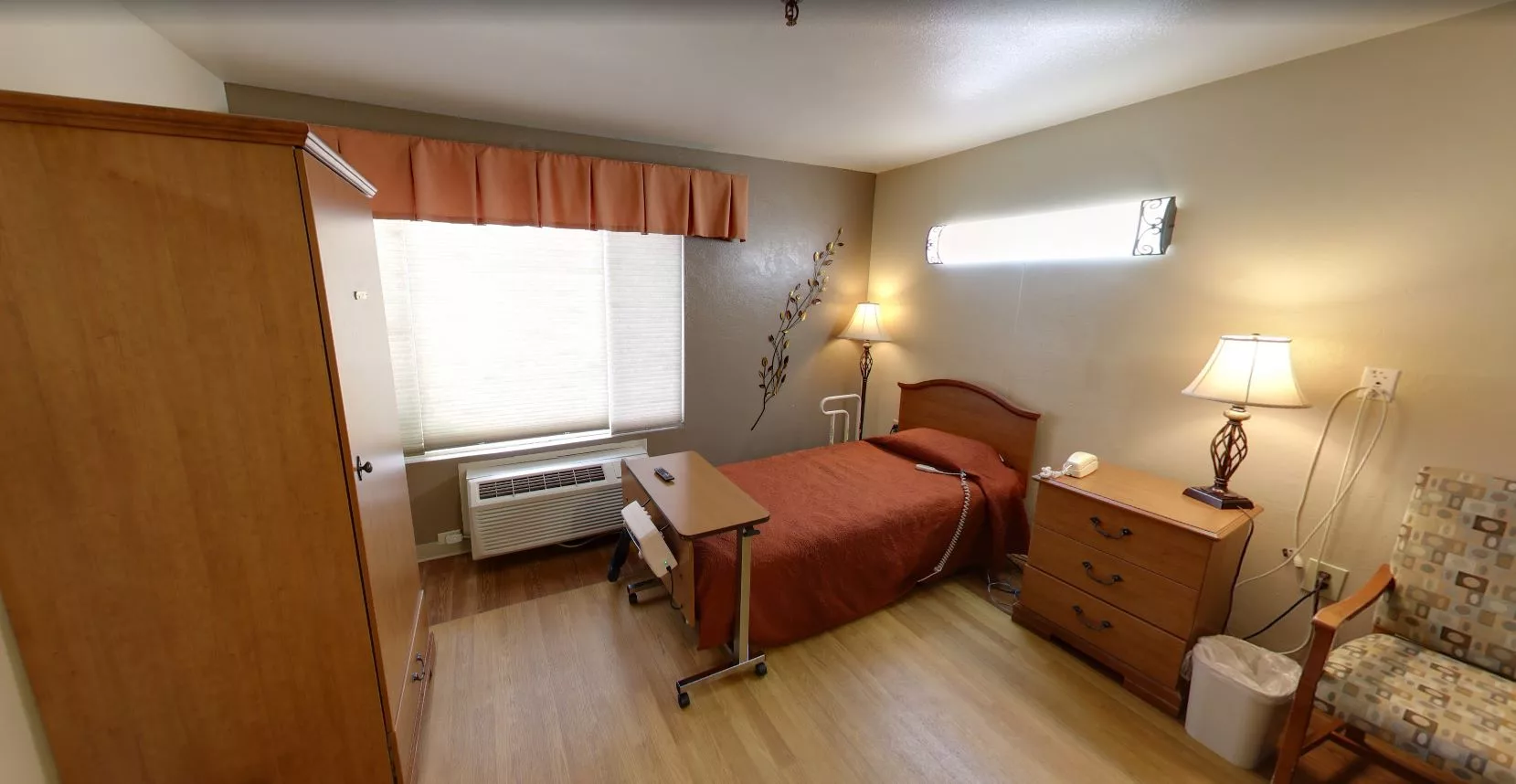
- Her room was clean and she was bathed and well cared for.
- Her medications were given as prescribed.
- The staff were heaven-sent and dedicated to their profession.
- The caregivers provided loving, respectful care and simple kindness.
- The caregivers were supportive and patient, giving the husband time to say his farewells.
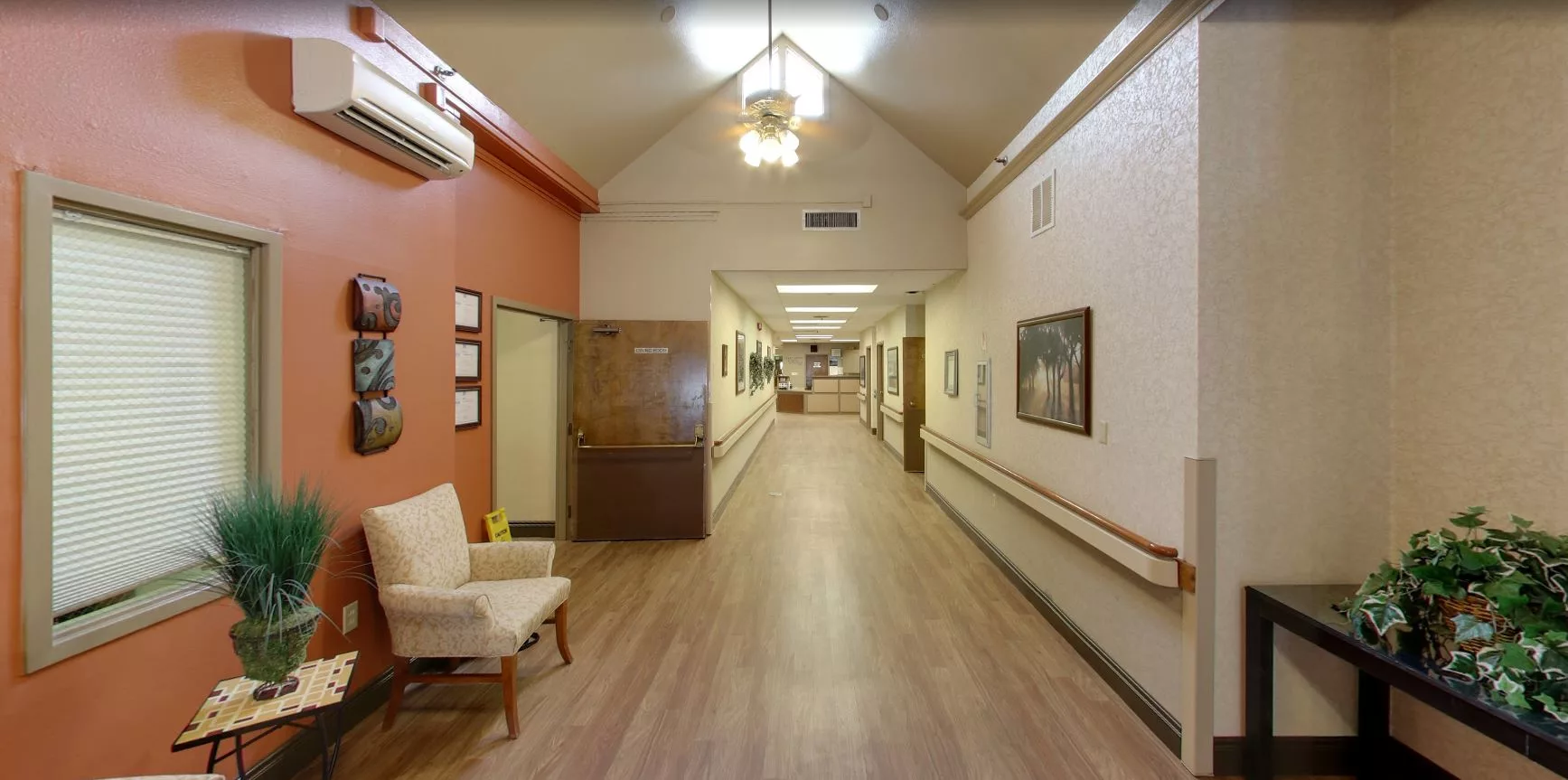
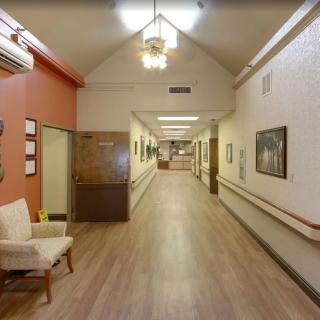
- The center was clean and the staff were curious and kind to everyone.
Cons
 The staff were inexperienced, inefficient, disorganized and mostly dangerous.
- The aide who cared for the father used a whole tube of Fixodent in his mouth, was mentally-handicapped, didn’t have a clue what she was doing, and put his life at risk as well as others.
- There was no checklist for the aides to check against the medications.
- The reviewer notes the father was left in a wheelchair and fell out because nobody came in.
- He got bedsores; it was terrible.
- The facility’s cost was the reviewer’s only downfall.
Review
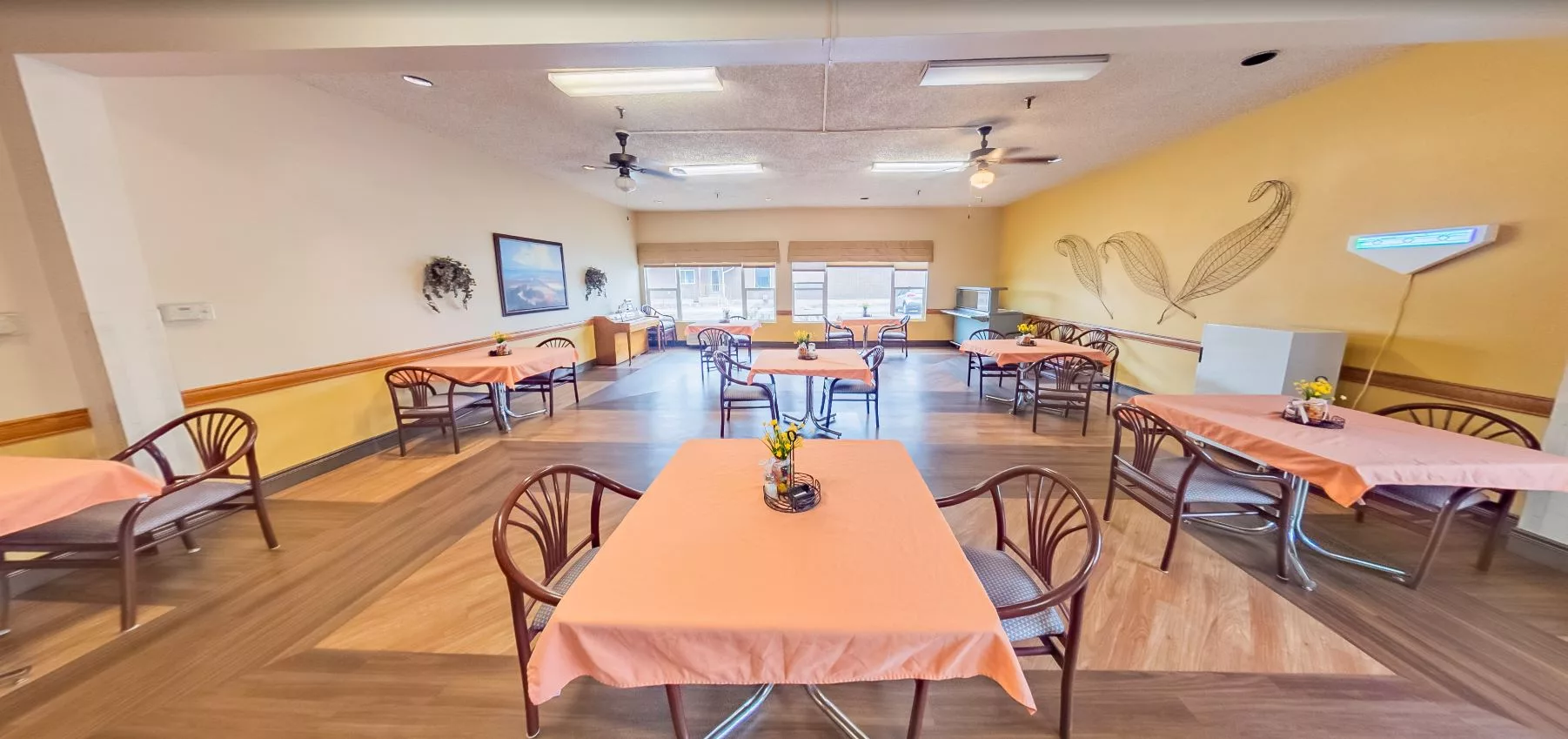
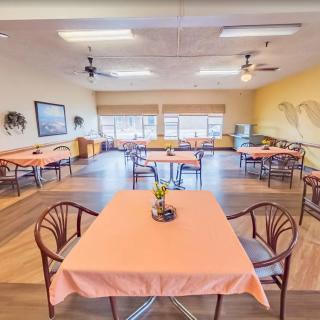
Richfield Care Center is best suited for families seeking a warm, person-centered setting where an elderly relative can receive steady daily support, respectful end-of-life or pallative-type care, and reliable medication management in a clean, home-like environment. The strongest notes across the accounts are about compassionate, patient caregivers who are attentive to comfort, dignity, and family presence during difficult times. Clean rooms, regular hygiene, and timely administration of prescribed meds combine with a supportive staff culture to create a sense of relief for families who want hands-on, ongoing reassurance that their loved one is cared for with kindness.
Those who may want to consider alternatives are residents with more complex medical needs or higher-acuity requirements. A credible caution comes from a review describing inexperienced and disorganized staffing, with consequences that feel unsafe, no systematic medication checks, a denture mishap, a wheelchair incident, and pressure injuries. Such episodes signal that while the center can deliver heartfelt care, it may struggle under heavier clinical demands where robust nursing oversight, standardized procedures, and stronger risk management are non-negotiable. Families prioritizing intensive medical monitoring, rapid response, and high-level rehabilitation should compare options with clearer safety protocols and staff training.
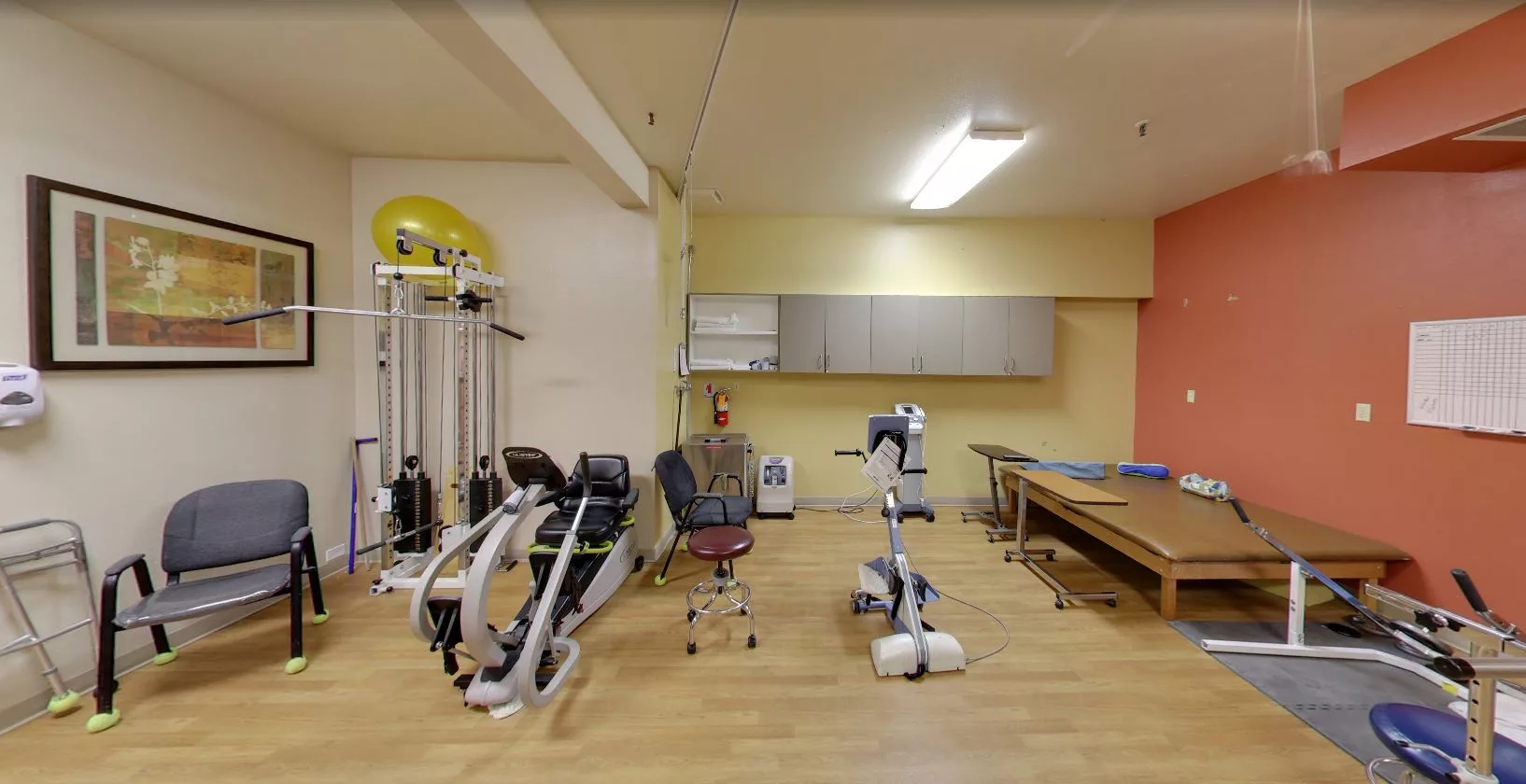
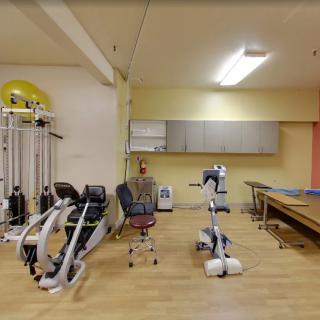
Prosions in abundance: the environment tends to be clean and orderly, with staff who are consistently described as kind, patient, and responsive. Medication administration is highlighted as reliable, and visits by therapy teams and activity directors add structure and engagement to daily life. End-of-life and in-hospital-level attention appears to be handled with dignity, and family members frequently note a sense of peace knowing loved ones are not left without support during difficult moments. Across several accounts, the combination of respectful caregiving and a calm, tidy setting translates into meaningful comfort for residents and their families.
But the cons carry real weight. Inconsistencies in staffing, apparent inefficiency, and a lack of formal checklists or oversight can translate into real safety risks for residents. The denture incident, the reported falls, and bedsores point to gaps in day-to-day risk management and supervision. These concerns are not merely administrative; they affect day-to-day safety, comfort, and trust. For families evaluating this location, these red flags warrant focused questions about staffing stability, training programs, supervision levels, incident reporting, and specific preventive measures that would protect a resident with similar needs.
The key question is how the positives balance against the negatives in practical terms. For older adults needing comforting, patient-centered care and a steady routine, especially those approaching end of life or recovering from less intensive medical events, the compassionate culture and reliable medication timing can deliver priceless peace of mind. Cleanliness and staff responsiveness further reduce daily stress and support a dignified experience. Yet the risk profiles highlighted by the most cautionary review cannot be dismissed; they suggest a facility that may excel in bedside care but requires stronger systems to prevent safety lapses. Cost appears to be a consideration for some families, adding another layer to the decision.
For families weighing Richfield Care Center, a clear path emerges. Prioritize a thorough on-site evaluation: request to meet the nurse manager, review staffing ratios by shift, and inquire about training and supervision programs. Probe the center’s medication-check protocols, incident reporting history, fall-prevention strategies, and pressure sore prevention plans. Ask about palliative or end-of-life care pathways, and how therapy and activity schedules are coordinated to maintain engagement without overburdening the resident. Request a transparent cost breakdown and a trial period if possible to observe day-to-day operations. When compassion and a clean, supportive environment align with robust safety practices, Richfield Care Center can be a strong, trustworthy choice; when safety systems appear uncertain, it is prudent to compare with facilities that demonstrate stronger clinical oversight and proven risk management.
 Skilled Nursing Facility


 Caregiver Exhaustion: Recognizing the Signs and Restoring Your Well-Being
 Understanding Hospice Care at Home: Comprehensive Services, Key Benefits, and Eligibility
 Understanding the Full Cost of 24/7 In-Home Care: A Detailed Overview