For more information about senior living options: (866) 208-4318
4.2 from 133 reviews
5 stars
99
4 stars
5
3 stars
2
2 stars
4
1 stars
23
Overall Review of Provo Rehabilitation And Nursing
common35 reviews mention this
Staff care is a major focus
Residents and families repeatedly describe staff as kind, attentive, and professional.
Across reviews, people highlight staff professionalism and bedside care, including nurses and CNAs who show up, respond, and treat residents with respect. Several comments also mention therapists and activities staff as supportive and engaged, not hands-off. A few residents describe a home-like atmosphere created by the way staff interacts day to day.
caveat12 reviews mention this
Call buttons and phones frustrate families
Several reviewers report slow responses to call lights and difficulty getting through by phone.
A recurring complaint is that call buttons or phone calls are not answered quickly, sometimes leading families to feel stuck without updates. Some reviews describe lights taking a long time and staff not returning messages, while others say calls are picked up and then hung up. While some reviewers also say responses are timely, the negative experiences are frequent enough to stand out.
caveat6 reviews mention this
Care coordination can fall short
Some families describe problems with coordination and follow-through on clinical details.
A subset of reviews recount situations where communication and medication handling did not go smoothly, including missed knowledge about diagnoses, repeated requests not being resolved, and concerns about attention to medical needs. There are also reports of a loved one being placed in the wrong unit and teams not responding appropriately when problems were raised. Other reviews speak positively about nurses and therapy working around schedules, but these negative stories point to variability in coordination.
common18 reviews mention this
Rehab therapy is repeatedly praised
Reviews frequently credit therapy teams with making recovery progress.
Many reviewers describe physical and occupational therapy as informative, supportive, and focused on getting people moving again, including after surgery and injury. Some mention tailoring therapy around appointments and complex schedules, and others describe therapists who stay engaged rather than limiting time in sessions. Even in more critical reviews, therapy professionalism appears more favorable than parts of daily care.
caveat14 reviews mention this
Dining and cleanliness are mixed
Food quality and cleanliness impressions vary across reviews.
Several reviewers describe meals as good, with some specifically calling out great or delicious food and noting variety. Others say food is only okay or was disappointing, including comments about it being bad or not appealing. Cleanliness is also described both positively (clean rooms, good smells, well maintained) and negatively (reports of unpleasant odors in some rooms and halls), so experiences appear uneven.
common9 reviews mention this
Activities help pass the time
Residents and families mention activities and community events as a bright spot.
Multiple reviews talk about scheduled activities and group events, including crafts and other resident activities, with some describing them as enjoyable for long stays. Reviews also mention religious activities and visits from community members, along with day-to-day engagement from recreation staff. A few reviewers note that activities matter even when mobility limits attendance, suggesting they play a consistent role in the routine.
How we summarize
Counts show how many written reviews mention each theme; a review can touch several themes, and only frequently mentioned themes are displayed.
Features
Housing
220 resident community capacity
Types of Care
Skilled Nursing Facility
Amenities
Air-conditioning
Beauty salon
Cable or satellite TV
Computer center
Dining room
Fitness room
Fully furnished
Gaming room
Garden
Housekeeping services
Kitchenette
Move-in coordination
Outdoor space
Private bathrooms
Restaurant-style dining
Small library
Telephone
Wellness center
Wi-Fi/high-speed internet available
Transportation
Community operated transportation
Transportation arrangement
Transportation arrangement (non-medical)
Transportation to doctors appointments
Care Services
12-16 hour nursing
24-hour call system
24-hour supervision
Activities of daily living assistance
Assistance with bathing
Assistance with dressing
Assistance with transfers
Diabetes diet
Meal preparation and service
Medication management
Mental wellness program
Special dietary restrictions
Dining
Diabetes diet
Special dietary restrictions
Activities
Community-sponsored activities
Concierge services
Fitness programs
Planned day trips
Resident-run activities
Scheduled daily activities
Nearby Places of Interest
Physicians
Merrill Gappmayer Family Medicine Center (0.1 miles)
RevereHealth (0.1 miles)
Revere Health Hand Wrist & Elbow Center (0.1 miles)
Revere Health Wellness Institute (0.1 miles)
Central Utah Gastroenterology (0.1 miles)
Utah Valley Hospital Gift Shop (0.2 miles)
Utah Valley Neonatology (0.2 miles)
Hospitals
Intermountain Health Care (0.1 miles)
Utah Valley Hospital (0.2 miles)
Candida Wellness Center (3.5 miles)
Restaurants
Chick-Fil-A (0.3 miles)
Green Burrito (0.3 miles)
Taco Bell (0.5 miles)
Street Tacos Don Joaquin (0.5 miles)
Mi Lindo Guadalajara (0.6 miles)
Brick Oven Restaurant (0.7 miles)
Bombay House (0.7 miles)
Pharmacies
Walgreens (0.3 miles)
Macey's, Happy Shopping (0.4 miles)
Macey's Pharmacy #3 (0.5 miles)
CVS Pharmacy (0.6 miles)
Walmart Pharmacy (1.1 miles)
South End Market (1.2 miles)
Utah Valley Pharmacy (1.7 miles)
Places of Worship
Grandview East Stake (0.4 miles)
Provo City Center Temple (1.1 miles)
Provo Utah Temple (1.9 miles)
Centerpoint Church (2.7 miles)
Church of Jesus Christ of Latter Day Saints (3.3 miles)
Church of Jesus Christ of Latter Day Saints (3.4 miles)
The Church Of Jesus İst Of Latter-Day Saints (3.7 miles)
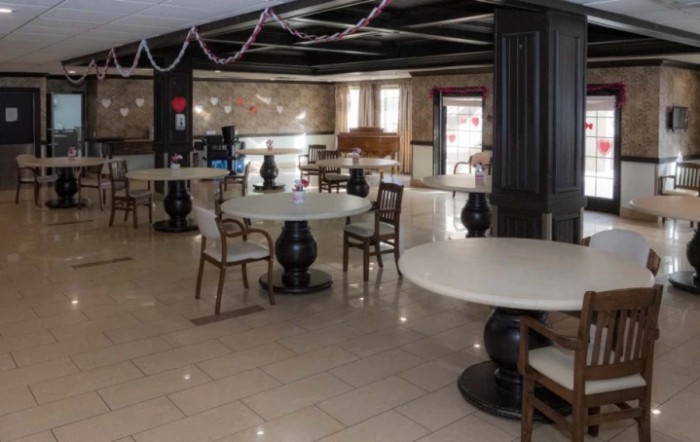
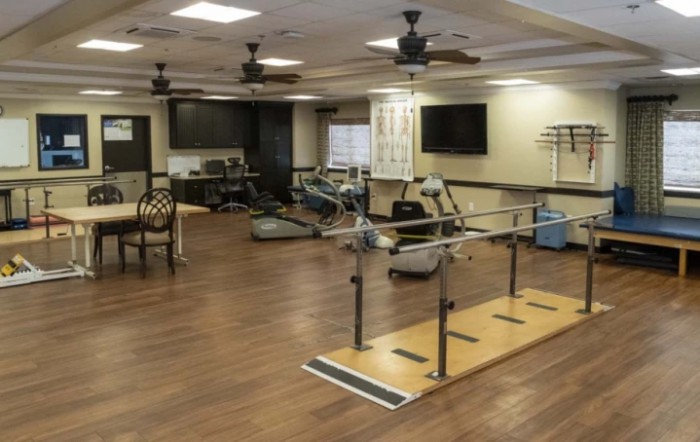
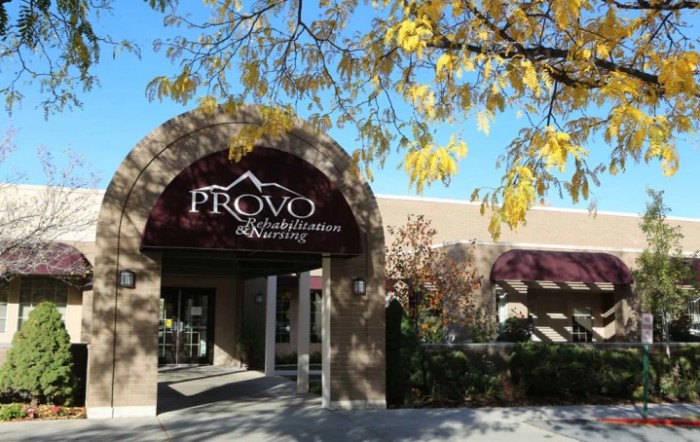
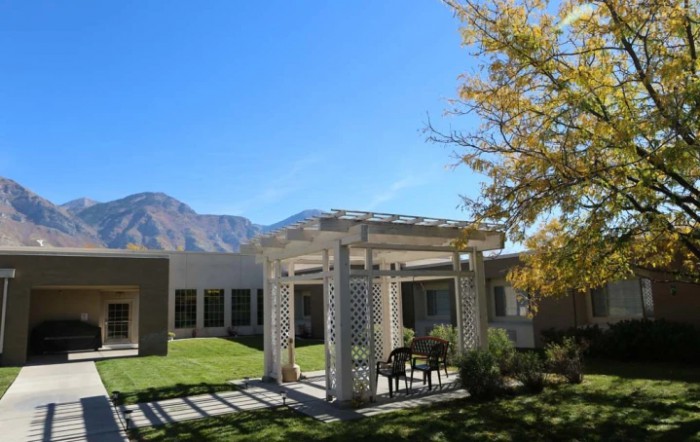
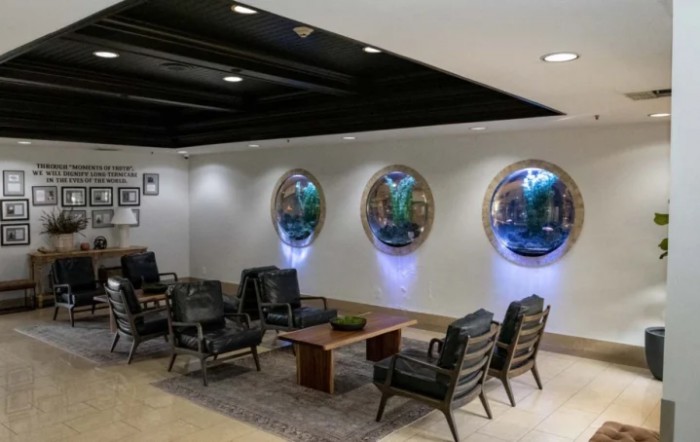
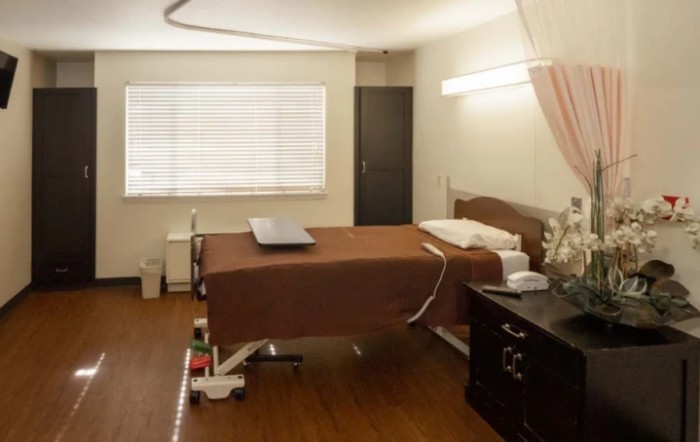
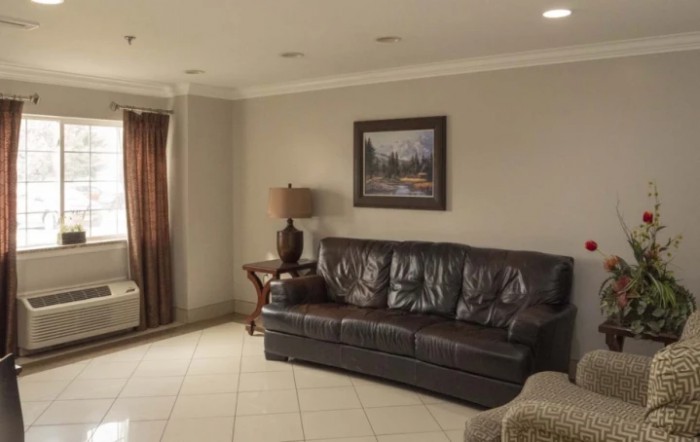
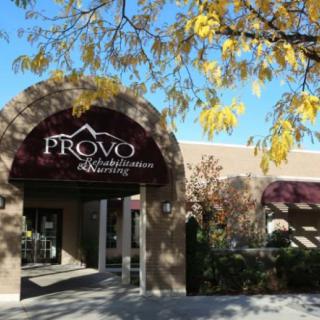
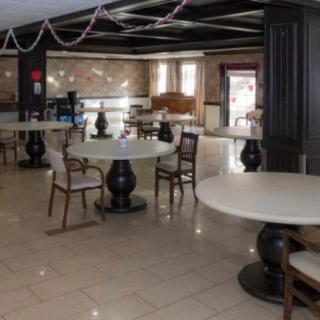
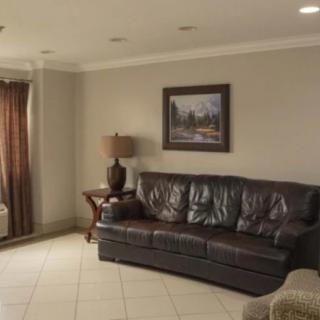
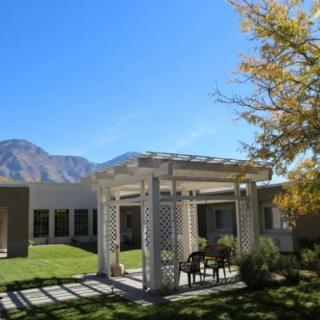
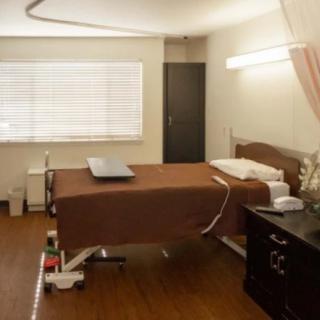
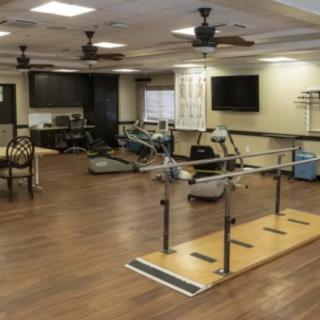
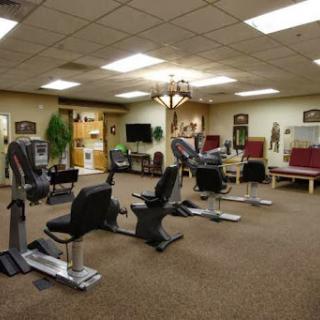
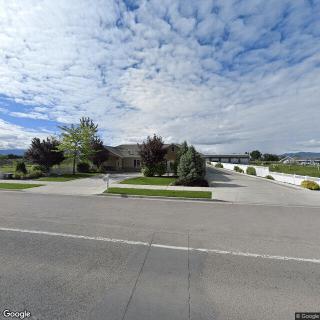
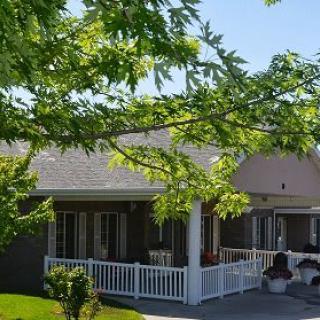
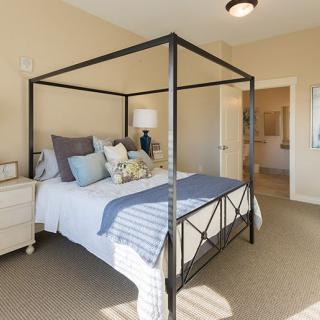
Provo Rehabilitation And Nursing on seniors.fyi includes 7 photos including images showing interior, dining, building, pergola, fitness center, outdoor seating, garden, mountains, and more.
Nearby Communities
Visiting Angels Of Utah County
Provo, UT
5 from 28 reviews
Small, personalized community with 24-hour supervision and comprehensive care.
Stonebridge Home Care South
Provo, UT
24/7 supervision with daily living assistance and diabetic-friendly dining.
Homewatch CareGivers
Provo, UT
3 from 2 reviews
Strong access to healthcare and nearby amenities (doctors, hospitals, pharmacies, restaurants, parks).
1 Assist Care Of Utah Valley
Provo, UT
Small, personalized community with 24/7 supervision, diabetes care, and restaurant-style dining.
Cove Point Retirement
Provo, UT
4.4 from 65 reviews
Friendly, attentive staff and a welcoming, active community.
Aspen Ridge Of Utah Valley
Orem, UT
4.5 from 39 reviews
Fully furnished accommodations with 24-hour support, restaurant-style dining, and a mental wellness program.
BeeHive Homes of Provo I
Provo, UT
4.9 from 32 reviews
$3,000 / month
Attentive, caring staff in a clean, home-like setting.
Canyon Breeze Senior Living
Orem, UT
4.5 from 13 reviews
$1,400 / month
New ownership with improved care, clean facilities, and welcoming outdoor spaces.
Covington Senior Living
Orem, UT
4.8 from 101 reviews
$3,000 to $4,300 / month
Well-maintained facility with helpful staff and a wide range of activities; memory care director praised.
In-home care is increasingly sought after by older adults for maintaining independence, with average private home care rates in 2025 varying by state and service type, reflecting geographical and local labor market influences. As demand rises, families are considering funding options like Medicaid waivers and long-term care insurance to manage costs effectively while ensuring quality care.
Home health care has become essential for supporting independence among the aging population, offering diverse services such as skilled nursing and rehabilitation in familiar environments, while also incorporating technology for personalized care. Despite its benefits, including improved recovery rates and emotional well-being, challenges like safety, staff availability, and insurance navigation must be managed for effective implementation.
Home health care offers a range of clinical services provided in a patient's home, including nursing and therapy, tailored to individual needs, particularly for aging seniors with chronic conditions. This approach enhances patient independence, promotes better disease management, and utilizes technology for real-time monitoring while fostering collaboration among healthcare providers and family members.
Landscaping, Trees, Garden, Outdoor Seating, Pergola, and Mountains
Building
Seating Area, Lobby, and Modern Furniture
Entrance, Outdoors, Tree, and Awning
Exercise Equipment and Fitness Center
Get PricingAsk A QuestionSchedule A TourContact Senior Advisor
By clicking submit, you agree to our Partner's Terms of Use. You
also consent to receive calls and texts, which may be autodialed, from our Partner. Your consent is not a condition to
using our Partner's service. Please visit our Partner's Privacy Policy for information about their privacy practices.


 220 resident community capacity
 Skilled Nursing Facility
 Air-conditioning
 Beauty salon
 Cable or satellite TV
 Computer center
 Dining room
 Fitness room
 Fully furnished
 Gaming room
 Garden
 Housekeeping services
 Kitchenette
 Move-in coordination
 Outdoor space
 Private bathrooms
 Restaurant-style dining
 Small library
 Telephone
 Wellness center
 Wi-Fi/high-speed internet available
 Community operated transportation
 12-16 hour nursing
 24-hour call system
 Activities of daily living assistance
 Assistance with bathing
 Assistance with dressing
 Assistance with transfers
 Diabetes diet
 Medication management
 Mental wellness program
 Special dietary restrictions
 Concierge services
 Planned day trips
 Small, personalized community with 24-hour supervision and comprehensive care.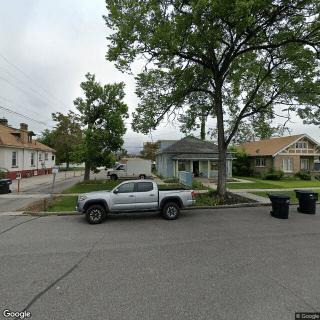

 In-Home Care Costs in 2025: A Detailed State-by-State Exploration
 Understanding Home Health Care: A Comprehensive Guide
 Home Health Care Demystified: A Comprehensive Guide for Families and Caregivers