










1215 Highway 124, Winnie, TX 77665
For more information about senior living options: (866) 208-4318
Overall Review of Arboretum Nursing And Rehabilitation Center Of Winnie
Pros
 The Arboretum provides a great experience with staff who are genuinely helpful, kind, and courteous to residents' needs.
- The staff are genuine and caring, going out of their way to ensure residents feel comfortable and attend to their special needs.
- The facility is clean, and residents enjoy the prepared meals.
- They would recommend Arboretum to anyone needing rehab.
- Arboretum stands out among facilities, with residents sharing happy, family-like experiences and staff who feel like family.
- After 2.5 years, Arboretum continues to meet or exceed expectations with reliable customer service and individualized care.
- The staff deliver great customer care and truly care about residents.
- The facility is beautiful with amazing staff.
- The care teams truly love their residents and provide attentive, compassionate care.
- The programs for resident involvement are strong, with daily activities that give residents opportunities to have a good time.
- The Winnie location is a nice nursing home that keeps residents clean, entertained, and well cared for, with good food and engaging activities like bingo and church services.
Cons
 This place is a joke they don't care about their people in there
- Didn't even give my Mom a decent chance before deciding to kick her out
- Be careful placing your loved one in the Arboretum Memory Care Unit
- If your loved one has any issues with agitation due to dementia and or the occasional UTI, they will not help them get the proper medications necessary to help them, they will just kick them out
- Yall dont deserve any stars
Review
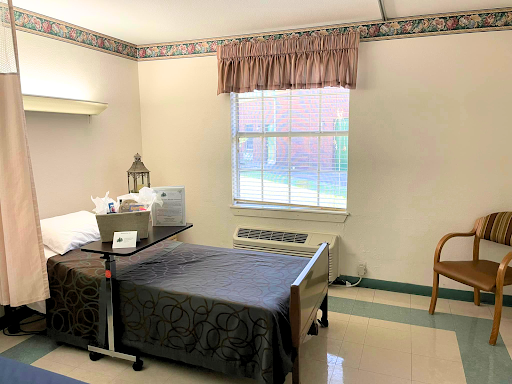
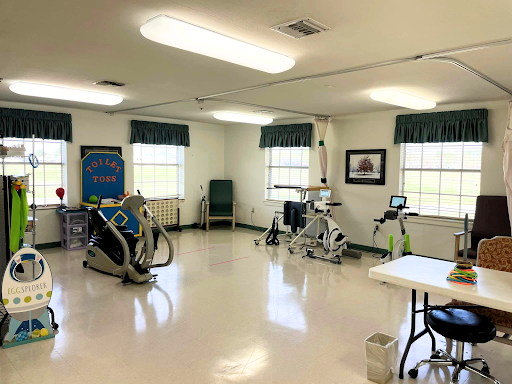
This community is best suited for families seeking post-acute rehabilitation or ongoing assisted living in a warm, engagement-rich environment where staff presence feels personal and dependable. The Arboretum Winnie earns strong marks as a rehab-focused option, with residents typically returning home after physical therapy or short-term stays, and with long-term residents who remain connected through daily activities, outings, and a sense of “family” on campus. It is a practical fit for families who want visible staff investment, regular updates, and a clean, welcoming setting that supports recovering strength as well as daily living. Those prioritizing a highly structured memory-care program with rock-solid protocols may find it necessary to explore specialized options elsewhere, but for many families the Arboretum checks the boxes on care, cleanliness, and community feel.
The most consistent positives run through the staff and environment. Reviewers repeatedly describe a genuine, caring team that goes out of its way to tailor care to individual needs, whether during post-therapy recovery or longer-term living. Residents and families praise the warmth, courtesy, and attentiveness of aides, nurses, and support personnel, along with reliable communication about concerns and resolutions. The facility is consistently noted as clean and well-kept, with prepared meals that residents actually enjoy and a culture that emphasizes comfort and dignity. The social fabric is strong: residents participate in daily activities, bingo, music, church services, and outings, which contributes to a sense of belonging and purpose even for those who are less inclined to socialize. This combination, hands-on staff, clean surroundings, and meaningful activity, creates a reliable platform for recovery and ongoing wellness.
Yet there are clear cautions worth weighing. A minority of reviews flags serious concerns about memory-care operations, highlighting incidents where agitation tied to dementia or other medical issues led to abrupt discharge decisions rather than sustained management. One account describes an untreated UTI contributing to agitation that supposedly went unaddressed, followed by a quick removal from memory care; another caller warned that residents with dementia who exhibit behavioral challenges may be moved out rather than supported with targeted medical oversight. While these one-star experiences appear isolated relative to the broader 4.5 rating, they are not negligible for families whose loved ones require dementia-specific supervision, consistent medication management, and a long-term plan that prioritizes stability over discharge. The potential misalignment between expectations in memory care and actual practice remains a salient risk.
How the strengths fare against the drawbacks is best understood through the lens of need. For short-term rehab and respite users, the pros, attentive staff, a welcoming atmosphere, transparent communication, clean facilities, and engaged programming, tend to offset any residual inconveniences. Families repeatedly note that staff reliability and the clear, ongoing updates reduce stress during recovery and help families feel involved rather than peripheral. The long-term living stream benefits similarly: residents develop friendships, participate in activities, and enjoy meals and services that feel tailored rather than generic. In short, for recovery-oriented care and general assisted living, the upside of the Arboretum Winnie often exceeds the downsides, particularly when memory-care challenges are not the central need.
Decision-making should be guided by clear priorities. If the priority is rapid rehab, safe discharge planning, and a home-like atmosphere where staff are accessible and responsive, Arboretum Winnie delivers a compelling value proposition. If the loved one requires dementia-specific oversight, behavioral management, and a care plan with unwavering safeguards against abrupt discharge, alternatives should be compared, and concrete questions must be asked: How does the facility handle agitation related to dementia or infections? What is the protocol for UTIs and psychiatric evaluation when behavioral changes arise? How are memory-care residents monitored, and what is the policy on discharge versus escalation of care? Request time with the memory-care director and a written plan for crisis scenarios, including how events are communicated to families and what steps lead to a transfer or escalation.
In the end, Arboretum Winnie stands out as a strong, practical choice for families prioritizing compassionate care, daily activity, and reliable staff-centered operations in rehab and general assisted living. The overwhelming chorus of positive experiences, staff who feel like a team, residents who feel cared for, and families who sleep a little easier knowing updates are timely, offers a compelling case for many. However, for those whose loved one’s primary need is dementia-specific care with consistently strict medical oversight, the potential for discharge in challenging situations suggests a prudent path: investigate memory-care specifics in depth, confirm the facility’s crisis-management and escalation policies, and compare with alternatives that emphasize continuous medical monitoring. With careful vetting and a clear care plan, Arboretum Winnie can be a dependable, people-first choice that supports recovery, companionship, and sustained well-being.
 120 resident community capacity
 Skilled Nursing Facility
 Air-conditioning
 Beauty salon
 Cable or satellite TV
 Computer center
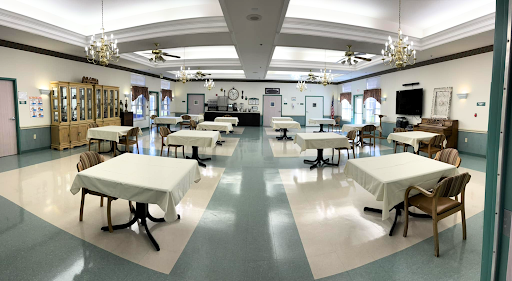
 Dining room
 Fitness room
 Fully furnished
 Gaming room
 Garden
 Housekeeping services
 Kitchenette
 Move-in coordination
 Outdoor space
 Private bathrooms
 Restaurant-style dining
 Small library
 Telephone
 Wellness center
 Wi-Fi/high-speed internet available
 Southeast Texas Regional (24 miles away)
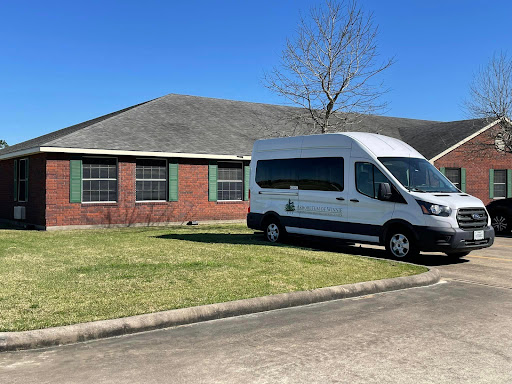
 Community operated transportation
 12-16 hour nursing
 24-hour call system
 Activities of daily living assistance
 Assistance with bathing
 Assistance with dressing
 Assistance with transfers
 Diabetes diet
 Medication management
 Mental wellness program
 Special dietary restrictions
 Concierge services
 Planned day trips







 Nurturing Our Elders: Linda's Journey of Supporting Her Mother
 A Comprehensive Exploration of Common Misunderstandings about Powers of Attorney
 Senior Move Management: Understanding the Role, Value, and Associated Costs