
Wharton Nursing And Rehabilitation Center

Save

Wharton Nursing And Rehabilitation Center

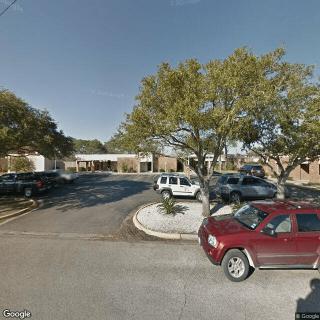
1220 Sunny Lane, Wharton, TX 77488

For more information about senior living options: (844) 490-3973

3.9 from 23 reviews
5 stars
15
4 stars
0
3 stars
3
2 stars
1
1 stars
4

Skilled Nursing Facility

What level of care are you interested in?

Assisted Living

Memory Care

Independent Living

Skilled Nursing Facility

Continuing Care Retirement Community (CCRC)CCRC

Other


Request a tour at Wharton Nursing And Rehabilitation Center

    Overall Review of Wharton Nursing And Rehabilitation Center

    Pros

    • pro Delores and Tasha are amazing, and the facility is a loving, caring home for the community.
    • pro The nursing staff treated Dad well and were good to him during his stay.
    • pro Mrs. Pam is a gem for staying in contact about insurance issues.
    • pro The facility has awesome staff and is highly recommended.
    • pro Lisa in admissions is second to none and a huge asset to the facility and Wharton.
    • pro Shawnderrick, the social worker, does a great job advocating for all patients.
    • pro The activities staff are hands-on and go above and beyond for residents.
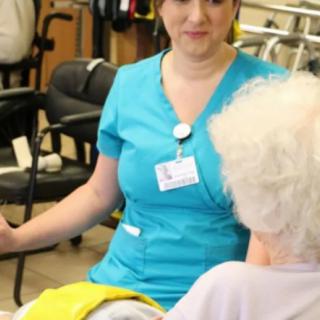
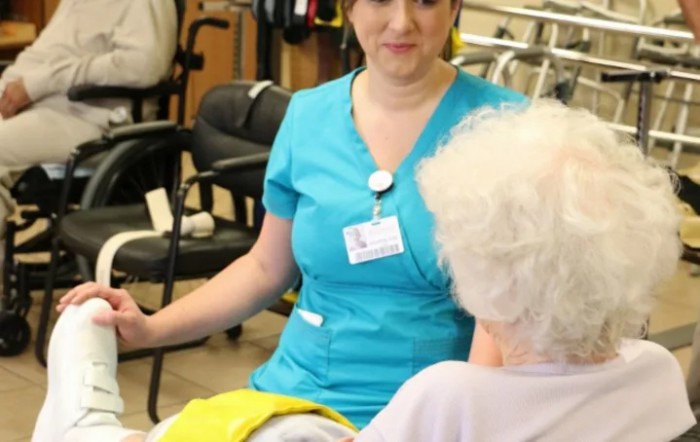
    • pro The nursing and therapy teams provide personalized care and keep residents engaged with daily opportunities.
    • pro Regina Fernandez is outstanding and loves what she does.
    • pro My mother regained strength and independence after outpatient rehab at Wharton Nursing and Rehab.

    Cons

    • pro The facility is chronically understaffed with high turnover, leading to inconsistent patient care.
    • pro Food portions are extremely small, requiring family members to continually provide meals.
    • pro Communications are often failed: administrators and social workers do not return calls or follow up on issues and orders.
    • pro A PICC line remained in place for three weeks despite safety concerns and a PCP order for removal.
    • pro Hygiene and incontinence care were neglected, including dirty clothes left in rooms and lack of diapers or reminders to use the restroom.
    • pro Patients are billed for services that were not provided, such as snacks that were not given.
    • pro Confidentiality was breached when therapy sessions were conducted in a shared room where others could overhear.

    Review

    This collection of experiences paints a facility with a wide spectrum of outcomes, where moments of genuine care and genuine frustration sit side by side. On the hopeful end, families repeatedly describe a loving, attentive atmosphere created by some of the facility's staff, with particular praise for individuals who go above and beyond. Delores and Tasha are singled out as amazing, and several reviewers describe the environment as a "loving caring home" for the community. In the midst of these sentiments, there are also strong voices calling for improvement, accountability, and a safer, more compassionate standard of care.

    One caregiver recounts a three-week stay intended to help a father regain walking ability. The nursing staff, according to the family, were kind and treated him well, but the experience was undermined by other practical shortcomings. Food portions were described as insanely small, forcing family members to provide meals. The reviewer acknowledged sincere appreciation for a staff member named Pam, who stayed in contact regarding insurance issues and was deemed a "gem." Yet other communications fell flat - the administrator was not returned calls after leave messages, leaving the reviewer frustrated and feeling that some concerns were not being heard.

    Medical safety and coordination problems emerge as a persistent thread across accounts. A PICC line placed near a dialysis port remained for the entire three weeks, triggering concerns from Dr. Opperman at Methodist about the risk of infection. The reviewer describes a frustrating cycle of unclear or uncompleted orders, noting that an order to remove the PICC line apparently never happened. In addition to medical equipment delays, there are mentions of a social worker who did not secure needed items in a timely fashion, with a sense that orders were "on" but not actually fulfilled in practice.

    Several reviews sharply critique staffing levels and internal communication. The facility is described as chronically understaffed, with new hires not lasting long and a sense that despite efforts to recruit, turnover undermines reliable patient care. One reviewer explicitly cautions families to visit and monitor loved ones frequently, suggesting that no one can guarantee dignified, consistent treatment if check-ins are infrequent. Another perspective asserts that staff may be overwhelmed or distracted, with mentions of hours wasted on gossip or phone activity rather than patient needs, leading to unattended needs and a sense of neglect.

    Conditions inside patient rooms and the handling of basic needs are another critical concern. One visitor describes a room that smelled unpleasant and clothes that were dirty, left in the closet rather than addressed. The lack of timely reminders to use the restroom and the absence of a diaper when needed led to distress, and the reviewer felt financially wronged for services that were not provided, including snacks they had packed not being given. This account ends with a strong implication that there should be financial redress or formal reporting to a regulatory body.

    Despite these troubling experiences, other families report meaningful progress and gratitude. A family member in therapy notes significant improvement over about twenty days, with safety, care, and attention described as improving the patient's condition. A different reviewer thanks the nursing staff for prompt action on December 4, noting how the team's quick decisions helped prevent a critical outcome. The emphasis here is on tangible progress and the sense that dedicated staff members can and do save lives or avert serious harm, even in challenging circumstances.

    Several narratives highlight individual staff members and the culture of care that they cultivate. Lisa in admissions is praised as a top asset, with Shawnderrick - the facility's social worker - acknowledged for doing important advocacy work for patients. The activities team is described as hands-on and dedicated, consistently engaging residents in meaningful ways. A recurring theme is the "Regency Crown of Compassion" - a phrase used to describe the ethos that some teams bring to their work, even as they acknowledge the demanding reality of the environment. In a sense, these voices celebrate the best of what the facility strives to be: a place where care, compassion, and teamwork can shine through even amid strain.

    Yet the experiences culminating in an outbreak of COVID underscore a harsh reality that many long-term care facilities faced. Some reviewers describe a COVID outbreak where the spread among staff and patients led to relocated rooms, loud and rude interactions, and discussions of hours spent by staff on non-essential activities rather than patient needs. The sentiment here is clear: the pandemic intensified existing challenges and tested the facility's ability to protect residents and maintain consistent, respectful communication. Even in the face of crisis, reviewers call for accountability and better practices to ensure safety and dignity.

    Taken together, the accounts present a complex portrait of care. There are undeniable moments of compassion, competence, and impressive teamwork that lift families' spirits and demonstrate what dedicated staff can accomplish. At the same time, there are pointed and persistent concerns about understaffing, communication gaps, administrative responsiveness, infection control, and basic daily care tasks. The common thread is a plea for greater attention to the needs of seniors: timely care, respectful treatment, comprehensive coordination among medical teams, and a work environment that supports rather than drains the very people who are trusted with loved ones' lives. For families weighing a future stay, the message is clear: there are caring, capable staff at work here, but there is also a pressing need for systemic improvements and stronger accountability to ensure every resident receives the dignity and quality of care they deserve.

    Features

    Housing

    • 120 resident community capacity 120 resident community capacity

    Types of Care

    • Skilled Nursing Facility Skilled Nursing FacilitySkilled Nursing Facilities are crucial for seniors as they provide round-the-clock medical care, rehabilitation services, and assistance with daily activities. These facilities ensure that seniors receive the specialized care they need to maintain their health and well-being as they age.

    Amenities

    • Air-conditioning Air-conditioningAir conditioning is important for seniors as they are more vulnerable to heat-related illnesses and may have underlying health conditions that make it difficult for them to regulate their body temperature. It helps to keep them comfortable, safe, and healthy in hot weather.
    • Beauty salon Beauty salonBeauty salons are important for seniors because they provide a space for them to feel pampered, socialize, and maintain their personal grooming and hygiene. Regular visits to a beauty salon can help boost seniors' self-esteem and overall well-being.
    • Cable or satellite TV Cable or satellite TVCable or satellite TV is important for seniors because it provides entertainment, news, and companionship, helping to combat loneliness and boredom. It also offers a wide range of programming options tailored to different interests and preferences.
    • Computer center Computer centerA computer center is essential for seniors as it provides access to technology, communication tools, and resources that can enhance their daily lives. It allows them to stay connected with loved ones, engage in online activities, and learn new skills, ultimately promoting socialization and mental stimulation.
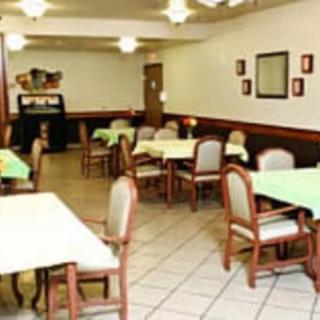
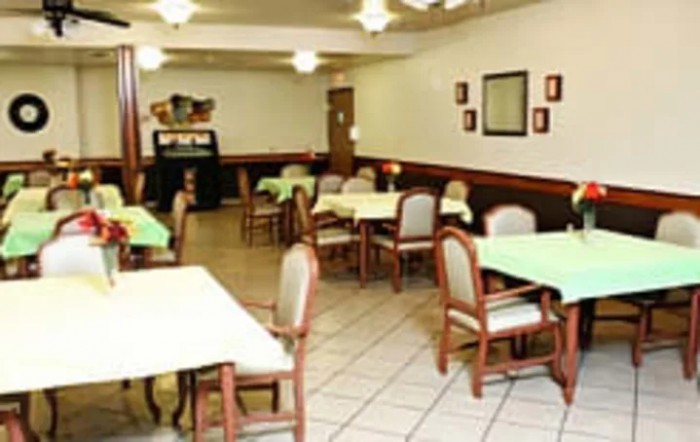
    • Dining room Dining roomDining rooms are important for seniors as they provide a space for socialization, connection, and nutritious meals. They offer opportunities for residents to bond over shared meals, foster a sense of community, and promote healthy eating habits. Dining rooms also ensure that seniors have access to well-balanced meals tailored to their dietary needs and preferences.
    • Fitness room Fitness roomHaving a fitness room in a senior living community is essential for seniors to stay active, maintain their physical health, and improve their overall well-being. Regular exercise can help prevent falls, reduce the risk of chronic diseases, and promote mental sharpness. It also provides social opportunities for residents to connect with others and enjoy a sense of community.
    • Fully furnished Fully furnishedFully furnished senior living communities are important for seniors because they provide convenience, comfort, and a hassle-free moving experience. Seniors can easily settle into their new living space without the stress of having to buy and move furniture. This allows them to focus on enjoying their new home and community.
    • Gaming room Gaming roomGaming rooms are important for seniors as they provide a fun and engaging environment for socializing, cognitive stimulation, and physical activity. Games can improve memory, problem-solving skills, and overall mental well-being while fostering friendships and reducing feelings of isolation.
    • Garden GardenGardens are important for seniors as they provide a peaceful and therapeutic environment for relaxation, physical activity, and socialization. Being in nature has been shown to reduce stress, improve mood, and promote overall well-being. Gardens also offer opportunities for seniors to engage in gardening activities, which can improve mobility, flexibility, and cognitive function. Additionally, gardens create a sense of community and connection with others who share a passion for plants and outdoor spaces.
    • Housekeeping services Housekeeping servicesHousekeeping services are important for seniors because they help maintain a clean and safe living environment, promote independence, and reduce the risk of accidents or illnesses. Additionally, having assistance with household chores can alleviate physical strain and allow seniors to focus on other aspects of their well-being.
    • Kitchenette KitchenetteKitchenettes are important for seniors living in senior living communities because they provide the convenience and independence of being able to prepare simple meals and snacks in the comfort of their own living space. This can help promote a sense of autonomy and well-being for seniors, allowing them to maintain some level of control over their dietary choices and daily routines.
    • Move-in coordination Move-in coordinationMove-in coordination is important for seniors because it helps ease the transition into their new living environment. It ensures that all logistics, such as packing, organizing movers, and setting up utilities are taken care of, allowing seniors to focus on settling in and adjusting to their new home. Having a smooth move-in process can alleviate stress and anxiety, making the transition smoother and more enjoyable for seniors.
    • Outdoor space Outdoor spaceOutdoor spaces are important for seniors as they provide opportunities for physical activity, social interaction, exposure to natural light and fresh air, and a sense of connection to nature. Having access to outdoor spaces can improve overall well-being and quality of life for older adults living in senior communities.
    • Private bathrooms Private bathroomsPrivate bathrooms are important for seniors in senior living communities because they provide independence, dignity, and comfort. Having a private bathroom allows seniors to maintain their personal hygiene routines without the need for assistance, promoting a sense of autonomy and privacy. Additionally, private bathrooms help prevent the spread of infections and provide a safe and clean environment for seniors to navigate safely.
    • Restaurant-style dining Restaurant-style diningRestaurant-style dining is important for seniors because it allows them to enjoy delicious, nutritious meals in a social and upscale setting. This enhances their dining experience, promotes healthy eating habits, and fosters socialization with fellow residents, ultimately contributing to their overall well-being and quality of life.
    • Small library Small librarySmall libraries are important for seniors as they provide access to a variety of reading materials, including books, newspapers, and magazines. This can help stimulate their minds, keep them engaged, and provide a sense of community through book clubs and other social activities. Additionally, reading has been shown to improve cognitive function and overall mental well-being in older adults.
    • Telephone TelephoneTelephones are important for seniors as they provide a lifeline for communication with loved ones, emergency services, and healthcare providers. They offer a sense of security and independence, enabling seniors to stay connected and access assistance when needed.
    • Wellness center Wellness centerWellness centers are important for seniors because they offer a variety of programs and services that promote physical, mental, and emotional well-being. These centers provide opportunities for exercise, socialization, education, and relaxation, helping seniors maintain their overall health and quality of life.
    • Wi-Fi/high-speed internet available Wi-Fi/high-speed internet availableWi-Fi/high-speed internet is important for seniors to stay connected with loved ones, access online resources, and participate in virtual activities to combat feelings of loneliness and isolation. It also allows them to easily manage healthcare needs, access entertainment, and engage in lifelong learning opportunities.

    Transportation

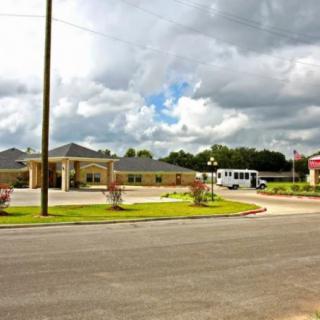
    • Community operated transportation Community operated transportationCommunity operated transportation is crucial for seniors as it provides them with the means to access essential services, social activities, and medical appointments. It allows seniors to maintain their independence and quality of life by ensuring they can participate in activities outside of their homes. Additionally, community-operated transportation services offer a safe and reliable way for seniors to travel without having to rely on family or friends for assistance.
    • Transportation arrangement Transportation arrangementTransportation arrangements are crucial for seniors as they may face challenges with driving, mobility, or access to public transportation. Having reliable transportation services ensures that seniors can easily attend appointments, social activities, and maintain their independence and quality of life.
    • Transportation arrangement (non-medical) Transportation arrangement (non-medical)Transportation arrangements are essential for seniors as they provide access to essential services, activities, and social interactions outside the home. This service helps maintain independence, mobility, and overall well-being for seniors who may have limited transportation options.
    • Transportation to doctors appointments Transportation to doctors appointmentsTransportation to doctors appointments is crucial for seniors as it ensures they have access to necessary medical care and support, promoting their health and well-being. It allows them to receive timely treatment, monitor existing conditions, and address any new health concerns efficiently. Additionally, transportation services can help seniors maintain their independence and quality of life by enabling them to stay connected with their healthcare providers.

    Care Services

    • 12-16 hour nursing 12-16 hour nursing12-16 hour nursing care is crucial for seniors in order to ensure around-the-clock monitoring, timely medication administration, and prompt response to any health concerns or emergencies. This level of care helps to promote the overall well-being and safety of seniors living in senior living communities.
    • 24-hour call system 24-hour call system24-hour call systems are important for seniors because they provide peace of mind and immediate assistance in case of emergencies. This technology ensures that help is always available, promoting safety and security for elderly individuals living alone or in assisted living facilities.
    • 24-hour supervision 24-hour supervision24-hour supervision is important for seniors to ensure their safety, well-being, and access to immediate assistance in case of emergencies or health issues. This constant support provides peace of mind for both seniors and their loved ones, allowing them to age in place with dignity and security.
    • Activities of daily living assistance Activities of daily living assistanceActivities of daily living assistance are important for seniors because they provide essential support with tasks such as eating, bathing, dressing, and mobility. This assistance helps seniors maintain their independence, dignity, and overall quality of life as they age.
    • Assistance with bathing Assistance with bathingAssistance with bathing is crucial for seniors as it helps maintain personal hygiene, prevents infections, and ensures their overall well-being and comfort. It also provides a sense of dignity and independence for seniors who may struggle with this task on their own.
    • Assistance with dressing Assistance with dressingAssistance with dressing is important for seniors because it helps maintain their independence, promotes personal hygiene, prevents accidents and injuries, and improves overall quality of life. This service ensures that seniors can continue to dress comfortably and confidently, despite any physical limitations they may have.
    • Assistance with transfers Assistance with transfersAssistance with transfers is crucial for seniors as it helps prevent falls and injuries, maintains their independence, and ensures they can safely navigate their living environment. It also provides peace of mind for both seniors and their loved ones.
    • Diabetes diet Diabetes dietA diabetes diet is crucial for seniors as it helps manage blood sugar levels, reduce risks of complications, and improve overall health and well-being. By following a balanced and nutritious diet tailored to their specific needs, seniors can better control their diabetes and enhance their quality of life.
    • Meal preparation and service Meal preparation and serviceMeal preparation and service are crucial for seniors as they may have limited mobility or energy to cook nutritious meals. Having access to healthy and convenient food options can ensure they are getting the proper nutrition needed to maintain their overall health and well-being.
    • Medication management Medication managementMedication management is crucial for seniors to ensure they are taking the right medications at the correct dosages and times. This helps prevent adverse drug interactions, reduces the risk of medication errors, and promotes overall health and well-being. Proactive management also allows for adjustments as needed based on changing health conditions or new prescriptions.
    • Mental wellness program Mental wellness programMental wellness programs are essential for seniors as they promote cognitive stimulation, emotional support, and social engagement. These programs help prevent isolation, depression, and cognitive decline, ultimately enhancing the overall quality of life for older adults.
    • Special dietary restrictions Special dietary restrictionsSpecial dietary restrictions are important for seniors because age-related changes in metabolism and health conditions can make it difficult for their bodies to process certain foods. By following a diet tailored to their specific needs, seniors can maintain their overall health and well-being, manage chronic conditions, and reduce the risk of complications such as malnutrition or food interactions with medications.

    Dining

    • Diabetes diet Diabetes dietA diabetes diet is crucial for seniors as it helps manage blood sugar levels, reduce risks of complications, and improve overall health and well-being. By following a balanced and nutritious diet tailored to their specific needs, seniors can better control their diabetes and enhance their quality of life.
    • Special dietary restrictions Special dietary restrictionsSpecial dietary restrictions are important for seniors because age-related changes in metabolism and health conditions can make it difficult for their bodies to process certain foods. By following a diet tailored to their specific needs, seniors can maintain their overall health and well-being, manage chronic conditions, and reduce the risk of complications such as malnutrition or food interactions with medications.

    Activities

    • Community-sponsored activities Community-sponsored activitiesCommunity-sponsored activities are important for seniors as they provide opportunities for social interaction, mental stimulation, and physical activity. These activities can help improve overall well-being, combat loneliness and isolation, and promote a sense of belonging and purpose among older adults.
    • Concierge services Concierge servicesConcierge services are essential for seniors as they provide assistance with daily tasks and errands, enhance their quality of life by offering convenience and personalized care, and promote a sense of safety and security.
    • Fitness programs Fitness programsFitness programs are crucial for seniors as they help improve strength, flexibility, balance, and overall well-being. Staying active can reduce the risk of chronic diseases, improve mental health, and enhance quality of life in older adults.
    • Planned day trips Planned day tripsPlanned day trips are important for seniors because they offer opportunities for socialization, mental stimulation, and physical activity. They provide a change of scenery and help seniors stay engaged and connected to their community, promoting overall well-being and quality of life.
    • Resident-run activities Resident-run activitiesResident-run activities are important for seniors as they encourage social interaction, creativity, and a sense of autonomy. These activities empower seniors to stay engaged and active in their community while fostering meaningful connections with their peers.
    • Scheduled daily activities Scheduled daily activitiesScheduled daily activities are important for seniors because they provide structure, socialization, mental stimulation, and physical activity. Engaging in regular activities can improve overall well-being and quality of life for seniors living in a community setting.

    Description

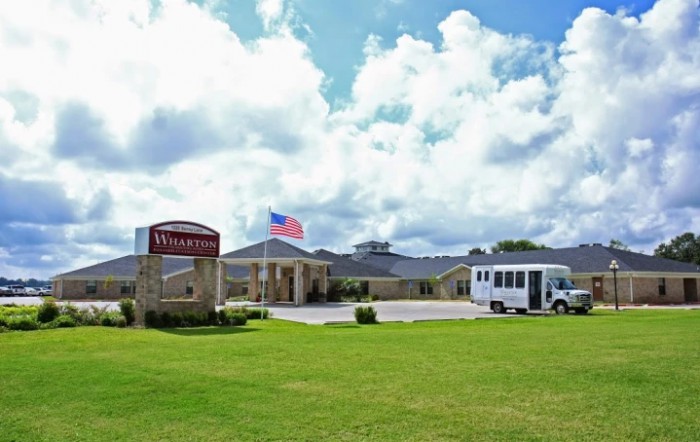
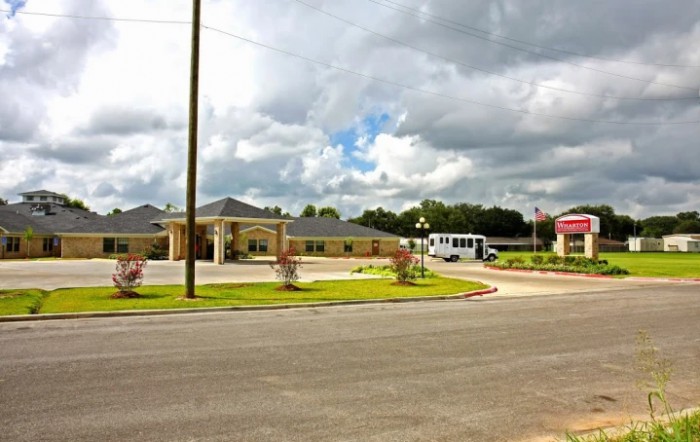
    Wharton Nursing And Rehabilitation Center in Wharton, TX offers a wide range of amenities and care services to provide a comfortable and enriching living environment for seniors. Residents can take advantage of the beauty salon, fully furnished accommodations, gaming room, fitness room, and small library. There is also community-operated transportation available for outings and appointments.

    The dining options at Wharton Nursing And Rehabilitation Center are exceptional, with restaurant-style dining and special dietary restrictions accommodated. The kitchenette in each resident's room allows for meal preparation and service as desired.

    Care services provided include 24-hour call system and supervision, assistance with activities of daily living such as bathing and dressing, transfers assistance, medication management, and diabetes diet support. A mental wellness program is also available to support residents' emotional well-being.

    Various activities are offered to keep residents engaged and entertained. These include fitness programs, planned day trips, resident-run activities, and scheduled daily activities. Additionally, concierge services are provided to ensure personalized assistance.

    The location of Wharton Nursing And Rehabilitation Center is conveniently surrounded by amenities such as cafes, pharmacies, physicians' offices, restaurants, places of worship, hospitals nearby. Transportation arrangements can be made for non-medical purposes as well as to doctors' appointments.

    Overall, Wharton Nursing And Rehabilitation Center provides a comfortable and supportive assisted living community where residents can enjoy various amenities while receiving high-quality care services tailored to their individual needs.

    Nearby Places of Interest

    Restaurants

    • Reyna's Cafe (0.2 miles)
    • Larry's Mexican Restaurant (0.2 miles)
    • Mingles Sport Bar (0.7 miles)
    • Milam Donut Shop (0.8 miles)
    • Burger King (0.8 miles)
    • 9er's Grill (0.8 miles)
    • Hinze's Country Kitchen (0.8 miles)

    Places of Worship

    • Wishert Anthony (0.2 miles)
    • Grace Community Fellowship (0.2 miles)
    • College Heights Baptist Church (0.4 miles)
    • The Church of Jesus Christ (0.6 miles)
    • Holy Family Catholic Church (0.6 miles)
    • Church Of Christ (0.7 miles)
    • St Thomas Episcopal Church (0.7 miles)

    Physicians

    • Salman Aly, MD & Sarfraz Aly, MD (0.6 miles)
    • Priya Oolut, MD (0.7 miles)
    • Indigent Health Care (1 miles)
    • Regent Family Practice (2 miles)
    • El Campo Memorial Hospial Medical Clinic (2 miles)
    • Dr Nathan Nguyen - Regent Adult and Pediatric Clinic (2 miles)
    • Robin Ferguson MD (2.2 miles)

    Pharmacies

    • CVS Pharmacy (0.9 miles)
    • Affordable Pharmacy (1.1 miles)
    • South Texas Pharmacy (2.2 miles)
    • South Texas Medical Clinics PA (2.2 miles)
    • El Campo Professional Pharmacy (14 miles)
    • Walgreens (14.1 miles)

    Transportation

    • Oa Enterprises (1 miles)
    • Texas Trophy Taxidermy (12.9 miles)
    • U-Haul Neighborhood Dealer (14.2 miles)
    • Bus Station (14.4 miles)

    Cafes

    • Ambition Nutrition (1.1 miles)
    • Reyna's Cafe (5.5 miles)

    Hospitals

    • Gulf Coast Medical Center (2.1 miles)
    • OakBend Medical Center - Wharton Hospital Campus (2.2 miles)
    • El Campo Memorial Hospital (14.3 miles)

    Frequently Asked Questions

    Where is Wharton Nursing And Rehabilitation Center?
    What photos are available for Wharton Nursing And Rehabilitation Center in Wharton, Texas?

    Nearby Communities

    Skilled Nursing Facility in Nearby Cities

    Related Resources

    • what is home health careHome Health Care Demystified: A Comprehensive Guide for Families and Caregivers

      Home health care offers a range of clinical services provided in a patient's home, including nursing and therapy, tailored to individual needs, particularly for aging seniors with chronic conditions. This approach enhances patient independence, promotes better disease management, and utilizes technology for real-time monitoring while fostering collaboration among healthcare providers and family members.

    • uber for seniorsSeniors and Modern Transportation: Exploring Uber, Lyft, and Other Ride-Hailing Options

      Seniors benefit from ride-hailing services like Uber and Lyft, which provide convenient and accessible transportation options that promote independence and social engagement, while addressing mobility challenges. These platforms have adapted to meet senior needs with user-friendly features and safety measures, although costs can be a concern; community programs may help subsidize rides for older adults.

    • who qualifies for home health care servicesComprehensive Guide to Qualifying for Home Health Care Services

      The guide outlines the eligibility criteria for home health care services, emphasizing clinical requirements, insurance options, and application processes. It distinguishes between Medicare's strict and Medicaid's flexible qualifications while addressing challenges families may face in securing necessary care at home.


    Get Pricing Ask A Question Schedule A Tour Contact Senior Advisor