
216 N Smith St, Weimar, TX 78962
To contact a resident: (979) 725-8564
For more information about senior living options: (866) 208-4318
Overall Review of Parkview Manor
Pros
 Parkview Manor is a nice place with a welcoming staff.
- Parkview Manor goes above and beyond for its residents and shows unprecedented care for all members, including staff.
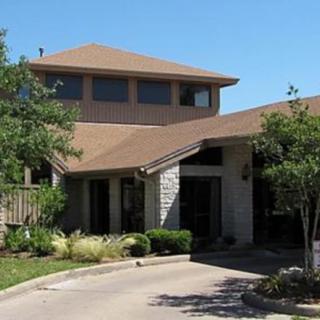
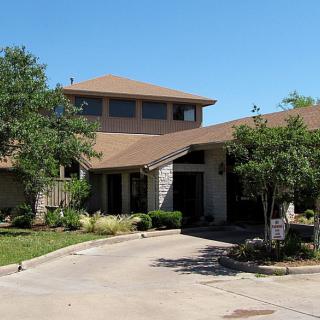
- Parkview Manor is a beautiful facility, with notable progress in the rehab department.
- The staff at Parkview Manor is loving and hospitable.
- Parkview Manor's staff is top of the line and always willing to help in any way they can.
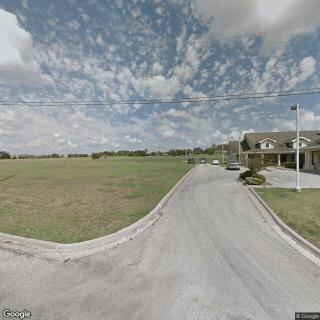
- The golf course view at Parkview Manor is a lovely added bonus.
- The new ownership at Parkview Manor is evident in management that is helpful and informative for families and residents.
- Parkview Manor is wonderful, with a friendly team and a very clean facility, and it is highly recommended.
Cons
 They do not pay their bills.
- They have not paid an emergency after-hours worker after a three-hour call.
- They are accused of wrongful death and fraudulent medical power of attorney practices.
- They have been fined over $200,000 by CMS for violations.
- They refused to provide medical records and violated HIPAA and elder rights laws.
- They engage in gaslighting and exhibit a low standard of care.
Review
Parkview Manor in Weimar, Texas is best suited for families seeking a warm, caregiver-first environment with solid rehabilitation results and a welcoming, home-like daily rhythm. The facility earns its strongest endorsements from staff who are repeatedly described as kind, attentive, and genuinely devoted to residents’ well-being. Rehab services are praised for progress and successful discharges, often enabling shorter hospital-to-home pathways. The setting itself, clean spaces, a calm atmosphere, and a pleasant golf-course view, adds to a sense of quality and security. For families prioritizing hands-on kindness and observable rehab gains, Parkview Manor presents a compelling, practical option.
Yet this is not a one-size-fits-all choice. Several reviews raise substantial governance and safety questions that demand careful scrutiny. Concerns span billing and payment practices, with at least one account describing ongoing after-hours payment delays and excuses. More troubling are accounts alleging HIPAA violations, contested powers of attorney, and barriers to accessing medical records. These voices portray a pattern of administrative friction and potential rights violations that can create risk for residents and families. In evaluating Parkview Manor, attention must be paid to the quality and consistency of oversight, as well as how financial and records-related processes are actually handled.
On balance, the community’s strongest positives, compassionate staff, strong rehab outcomes, and a clean, supportive environment, often offset a great deal for residents focused on recovery and daily quality of life. The genuine warmth of the nursing team, the accessibility of management, and the demonstrated willingness to work with families are repeatedly cited as the reasons for trust and satisfaction. When residents make measurable progress in therapy and can return home sooner, those concrete benefits provide real value that can outweigh everyday irritants. New ownership and proactive management in some accounts suggest a trajectory toward smoother operations, better communication, and more reliable day-to-day care.
Nonetheless, the most serious cons are not easily dismissed. Reports of financial irregularities, delayed payments, and disputes over medical records raise legitimate concerns about transparency and accountability. The severity of some claims, HIPAA violations, alleged wrongful death, and fines from regulatory authorities, signals a risk profile that should be weighed heavily, especially for residents with complex medical needs or strict privacy requirements. The variety and intensity of negative anecdotes mean that potential residents should not assume a uniform experience; governance and risk controls appear inconsistent across perspectives.
The key question becomes whether the rehab-focused, caregiver-driven strengths can anchor a resident’s safety and satisfaction in the long term despite the governance and billing concerns. For families whose priority is robust therapy, short-term mobility gains, and a steady, personable staff, Parkview Manor offers a credible, practical path to recovery and daily comfort. For those requiring meticulous financial transparency, predictable billing, and unassailable privacy rights, the risk signals warrant a cautious approach and a comparison with other communities with stronger, more consistently documented regulatory footprints.
Actionable due diligence is essential. Prospective families should request a transparent, written summary of billing practices and a clear process for medical record access and privacy protections. Speaking directly with the administrator and the rehab leadership can illuminate whether current operations align with the high standards described by frontline staff. Checking the latest state and federal surveys, as well as Medicare/Medicaid ratings, will provide objective context to the qualitative impressions. Finally, arrange conversations with current residents’ families to verify consistency of day-to-day care and to gauge whether the positive rehab outcomes and staff warmth endure across shifts and transitions. Parkview Manor remains a competitive option, but only with thorough verification of governance, finances, and privacy safeguards.
 Skilled Nursing Facility



 Navigating the Tax Landscape of Caregiving: Credits, Deductions, and Beyond
 Highly Beneficial Low-Impact Exercises for Senior Living Residents
 Is In-Home Healthcare Tax Deductible? Your Comprehensive Guide