
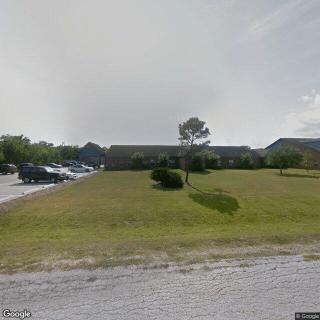
424 North Tarpey Road, Texas City, TX 77591
For more information about senior living options: (866) 208-4318
Overall Review of Bay Oaks Health Care Center
Pros
 Everything looks well kept.
- The facility provides residents with bingo, movie nights, adult coloring, talking stations, and more.
- The facility has undergone renovations and is looking good.
- There are lots of activities for residents.
- The new HR person and the business administrator are great.
- The staff took really good care of mom.
Cons
 The facility is described as horrific, dirty, and the administration as the root of all problems.
- The DON allegedly stood up in a threatening way, pointing at a visitor.
- The Lakes in Texas City is described as dangerous and abusive.
- Residents were left in feces and urine, with staff and the attending physician described as despicable, and the physician called a quack.
- Residents are served undercooked food and belittled for complaining; medical provisions and care are lacking.
- Hallways regularly smell of urine; nurses are difficult to find and patients are frequently neglected.
- Basic care such as feeding, bathing, and monitoring vitals has been neglected, resulting in weight loss and illness.
- Bay Oaks is described as having unbrushed residents, uncalibrated thermometers, dirty rooms, leaking catheters, cockroaches, and poor communication with corporate.
Review
Bay Oaks Health Care Center in Texas City is best suited for families on a tight budget who are prepared to supervise care closely, and for residents who mainly need predictable daily routines within a secure setting rather than consistently excellent medical care. The facility offers tangible structure: keypad-secured entrances and visible calendars of activities in rooms and at the lobby, along with programming that includes bingo, movie nights, adult coloring, and social stations. Those elements can create a semblance of normal life for residents who crave routine and for relatives who cannot be present around the clock. Yet these conveniences do not compensate for gaps in core care or safety, and the emphasis on routine should not be mistaken for comprehensive clinical excellence.
Anyone with higher care needs or who requires dependable medical oversight should seriously consider alternatives. The reviews repeatedly flag failures in basic caregiving, cleanliness, and timely treatment, which are unacceptable for residents who need reliable feeding, dehydration management, wound and infection control, or prompt clinician involvement. If the priority is a facility that consistently maintains clean conditions, swiftly addresses medical issues, and holds staff accountable, there are stronger options in the region. This is not a place to gamble on adequate care when a loved one depends on steady, professional attention.
The few clearly positive facets do not balance the overwhelming risks. Security features and structured activity schedules deliver a usable daily rhythm and a sense of safety, and some residents report improvements under new leadership. However, these positives are overshadowed by persistent reports of dirt, pervasive odors, and inconsistent care. Instances of staff difficulty in locating nurses, missed meals, dehydration, and irregular medical contact dominate the narrative, undermining the facility’s ability to support well-being. In short, surface-level programming cannot mask chronic clinical and hygienic shortcomings.
When evaluating Bay Oaks, undertake rigorous due diligence. Insist on speaking with administrative leaders and the medical director, and demand up-to-date staffing data, including licensed nurse coverage per shift. Observe a tour during peak activity and mealtime to assess actual caregiving throughput, sanitation, and responsiveness. Review recent incident logs, medication-handling procedures, and evidence of weight loss or dehydration that required hospitalization. Confirm access to timely physician or PA oversight and request candid references from multiple current families to gauge whether any improvements are sustained or merely episodic.
Red flags recur across multiple accounts: hallways with odors, inconsistent cleaning, and reports of neglected personal care, missed feeds, and insufficient monitoring of fluids and vitals. Alarm bells ring louder with claims of uncalibrated thermometers, unmanaged fevers, and rooms shared with substandard sanitation conditions and contaminated equipment. Although a few residents describe periods of improvement under new administration, the broader pattern points to serious, ongoing concerns about safety, dignity, and quality of care. These are not trivial operational irritations; they indicate foundational problems that risk resident health and well-being.
The bottom-line decision hinges on risk tolerance and advocacy bandwidth. For families unwilling to accept uneven care, Bay Oaks is not the right choice; more reliable facilities with stronger clinical oversight and cleaner, more responsive environments should be pursued. If choosing Bay Oaks, preparation is essential: concrete care expectations in writing, frequent care-plan reviews, and an explicit escalation path with licensing or regulators if standards lapse. In practice, only those prepared for active, hands-on involvement, and possibly a rapid transition to a higher-tier facility, will find Bay Oaks workable. Care decisions of this gravity deserve options that prioritize consistent medical attention, safety, and dignity above routine programming or cost savings.
 109 resident community capacity
 Skilled Nursing Facility
 Air-conditioning
 Beauty salon
 Cable or satellite TV
 Computer center
 Dining room
 Fitness room
 Fully furnished
 Gaming room
 Garden
 Housekeeping services
 Kitchenette
 Move-in coordination
 Outdoor space
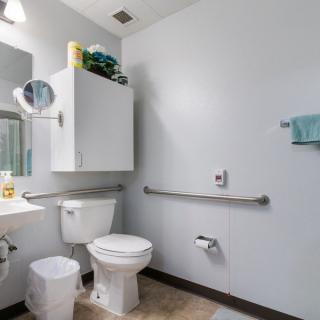
 Private bathrooms
 Restaurant-style dining
 Small library
 Telephone
 Wellness center
 Wi-Fi/high-speed internet available
 William P X (24 miles away)
 Community operated transportation
 12-16 hour nursing
 24-hour call system
 Activities of daily living assistance
 Assistance with bathing
 Assistance with dressing
 Assistance with transfers
 Diabetes diet
 Medication management
 Mental wellness program
 Special dietary restrictions
 Concierge services
 Planned day trips




 9 Stimulating Memory Activities for Seniors: Puzzles, Cards, and Much More
 Managing Nursing Home Expenses After Medicare Coverage Ends
 Is a Geriatric Care Manager the Right Choice for Your Family?