


920 East Avenue L, Silsbee, TX 77656
For more information about senior living options: (866) 208-4318
Overall Review of Silsbee Oaks Health Care
Pros
 Silsbee Oaks took excellent care of loved ones until they passed.
- The staff consistently went above and beyond, and families are grateful.
- The nurses and aides were sweet to residents, and families were notified promptly about issues.
- The facility is clean, well maintained, and smells pleasant.
- The staff became extended family to residents and their families, showing compassion and care.
- The facility is perfect for short-term rehab or long-term care, with amazing staff who truly care.
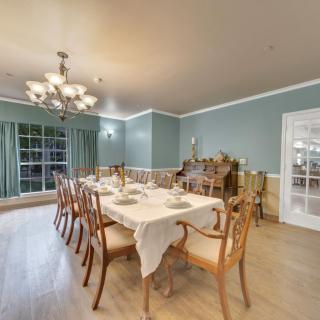
- The environment feels like home, with a welcoming, cozy atmosphere and staff described as angels by families.
- Families note that residents were comfortable and well cared for, even in their last days, thanks to attentive staff.
Cons
 The facility is a terrible place to leave loved ones due to poor management and lack of accountability.
- Employees are taken advantage of and underpaid for their work, with bonuses left unpaid after long hours.
- The facility has neglectful practices and management attempting to cover things up, with calls that it should be shut.
- The indoor smoking area inside the healthcare facility is unbelievable, and the place feels outdated and unclean.
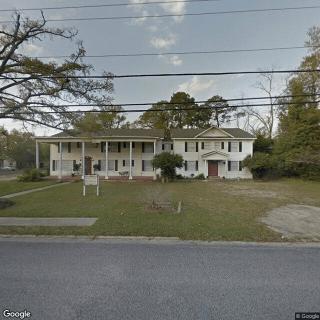
- Some reviewers describe the interior as outdated and not clean, lacking a fresh, professional atmosphere.
Review
Silsbee Oaks Health Care in Silsbee, TX is best suited for families seeking a warm, home‑like environment where frontline caregivers provide consistently compassionate daily care and residents with chronic needs or post‑acute rehabilitation receive around‑the‑clock attention. The facility seems to shine most when care teams are allowed to build personal relationships with residents and their families, creating a sense of safety and continuity that many families value deeply. This choice fits well for long‑term residents who want a familiar, intimate atmosphere and for those who prize the emotional support that staff routinely offers during difficult days. It also works for families who can be actively involved, visiting often and collaborating with caregivers to monitor progress and address concerns promptly. The question is less about clinical prowess and more about whether a homey setting with strong caregiver bonds aligns with the family’s expectations for oversight and consistency.
Alternatives to consider are warranted for anyone who prioritizes management transparency, strict policy adherence, or a facility that feels more clinical or modern in its presentation. Several reviewers flag concerns about management practices, retention, and accountability, implying that higher expectations for administration discipline and process clarity may not be fully met here. For families whose peace of mind hinges on consistent leadership visibility, robust systems for staff support, predictable communication, and a modernized physical environment, other communities may deliver more of what is required. The warnings from some families about discharging loved ones abruptly or about perceived neglect cannot be ignored by those who want a pristine, reliably managed operation with no ambiguity in rules or procedures. In short, this option calls for a careful assessment of management credibility in addition to frontline warmth.
The strongest, most consistent pros lie with the care staff and the resident‑centered culture. Nurses and aides are repeatedly described as kind, patient, and genuinely invested in each resident’s well‑being. Families report being notified promptly about issues, and several memorable accounts describe staff going beyond the call of duty to support families during crises or end‑of‑life moments. The environment is repeatedly characterized as clean, respectful, and homey, feelings reinforced by remarks about staff who treat residents like family and by accounts of caregivers who provide not just medical attention but emotional nourishment. For families prioritizing personal attention, this level of daily, hands‑on care is a compelling offset to other concerns and a strong predictor of a positive day‑to‑day experience for residents with complex needs.
Yet the main cons deserve serious weight in the decision. The most troubling narratives center on management quality and staff compensation dynamics, with some reviews alleging poor oversight and underpaid staff, including unpaid bonuses after long shifts. There are claims of neglect or “covering up” by leadership, along with anecdotes about rule violations and disjointed communications. The facility’s look and feel also draw mixed opinions: some describe it as comfortable and homelike, while others critique outdated interiors and even indoor smoking arrangements that clash with the expectations of a healthcare setting. These tensions matter because they touch stability, trust, and the predictability families rely on when entrusting a loved one to care for their daily needs and safety.
From a decision‑making perspective, the key is whether the daily caregiving wins outweigh the governance concerns. For residents who require constant, devoted attention, especially those with dementia or post‑acute recovery needs, the dedicated frontline teams can deliver a steadiness that is hard to match elsewhere. The anecdotes of “extended family” connections, timely updates, and compassionate, individualized care create a compelling case for choosing Silsbee Oaks when the priority is an emotionally secure environment and a facility that feels like home. Those gains can be substantial, and for some families they will be decisive, particularly if a loved one thrives on consistent contact with staff who remember names, preferences, and routines.
The careful conclusion is pragmatic: Silsbee Oaks Health Care is a legitimate option for a specific profile of resident and family. For households that can tolerate, or even overlook, questions about administrative rigor in exchange for genuine warmth and daily attentiveness, this community can deliver meaningful quality of life and dignity in care. For others, especially those who want airtight management accountability, modernized facilities, or a more formalized, strictly rule‑driven environment, alternative communities may reduce risk and align better with expectations. Prospective families should plan multiple visits, speak candidly with several caregivers, and probe staffing levels, turnover, and how management handles concerns before committing. If a tour reveals steady, engaged leadership alongside the beloved, hands‑on care cited by many families, Silsbee Oaks stands up as a thoughtful, practical choice.
 160 resident community capacity
 Skilled Nursing Facility
 Air-conditioning
 Beauty salon
 Cable or satellite TV
 Computer center
 Dining room
 Fitness room
 Fully furnished
 Gaming room
 Garden
 Housekeeping services
 Kitchenette
 Move-in coordination
 Outdoor space
 Private bathrooms
 Restaurant-style dining
 Small library
 Telephone
 Wellness center
 Wi-Fi/high-speed internet available
 Community operated transportation
 12-16 hour nursing
 24-hour call system
 Activities of daily living assistance
 Assistance with bathing
 Assistance with dressing
 Assistance with transfers
 Diabetes diet
 Medication management
 Mental wellness program
 Special dietary restrictions
 Concierge services
 Planned day trips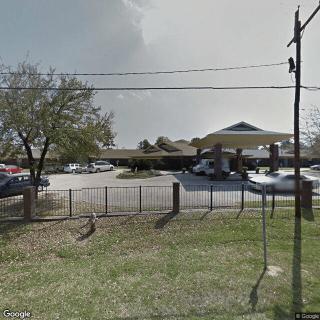





 6 Crucial Ways an Elder Law Attorney Assists Families
 Navigating the Tax Landscape of Caregiving: Credits, Deductions, and Beyond
 Highly Beneficial Low-Impact Exercises for Senior Living Residents