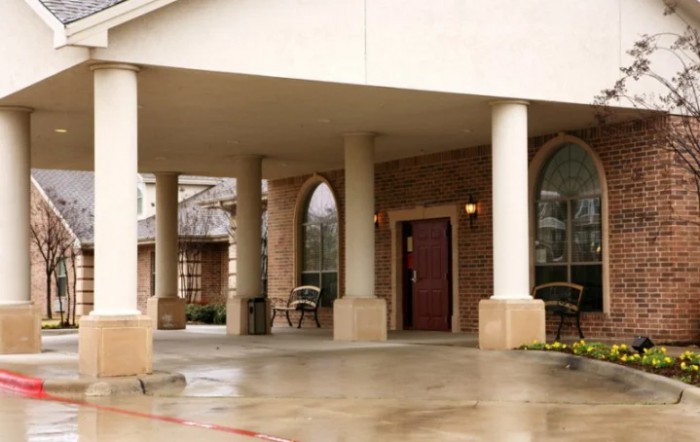
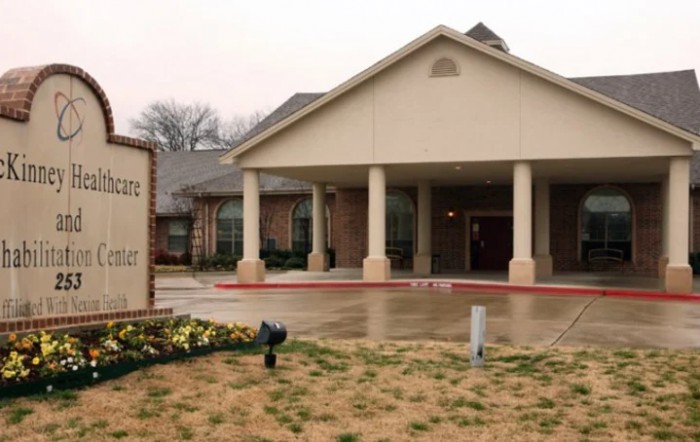
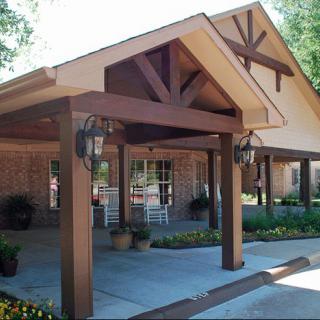
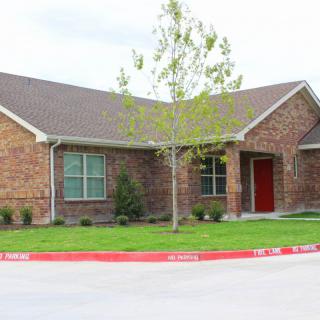
McKinney Healthcare And Rehabilitation Center in McKinney, TX

Save

McKinney Healthcare And Rehabilitation Center in McKinney, TX

Information last verified:

253 Enterprise Drive, McKinney, TX 75069

For more information about senior living options: (844) 490-3973

4.5 from 107 reviews
5 stars
88
4 stars
5
3 stars
1
2 stars
2
1 stars
11

Seniors.FYI Elite Community Awards

Top 5% Senior Living Community in 2025

Add this award to your website

Overall Review of McKinney Healthcare And Rehabilitation Center

Pros

  • pro The facility provides outstanding clinical care and strong leadership.
  • pro The nursing team is kind, knowledgeable, responsive, and dedicated to resident well-being.
  • pro The facility maintains high standards for cleanliness, safety, and quality.
  • pro Kitty Healthcare is a one-of-a-kind rehab center delivering successful outcomes for both inpatient and outpatient therapy.
  • pro Under the leadership of Executive Director Jacob McKay, the team consistently delivers the highest quality care.
  • pro The admissions team—including Chase Tolleson and Stephanie Oxford—streamlined the admissions process, making transitions seamless and worry-free.
  • pro The staff are kind, professional, and consistently greet residents with warmth.
  • pro The care team is excellent, with a positive, friendly environment and staff who go above and beyond.
  • pro The facility has earned CMS 5 stars for its level of care and compassion.
  • pro The therapy team is outstanding, with skilled therapists and strong leadership.
  • pro The facility is clean and well maintained, with friendly, attentive staff.
  • pro The administration and nursing leadership are awesome and responsive to concerns.
  • pro The center creates a warm, inviting, home-like environment for residents.
  • pro The staff consistently provide exceptional care and support, helping families feel at ease.
  • pro The building is beautiful, and the overall environment reflects a high standard of care.

Cons

  • pro The staff were overworked and the facility was understaffed, resulting in inadequate care.
  • pro The oxygen equipment malfunctioned and oxygen ran out, leading to dangerous carbon dioxide buildup.
  • pro The patient developed bed sores due to insufficient care and monitoring.
  • pro The facility strip-searched the patient and forced feeding, causing trauma and distress.
  • pro Medications were mixed up and delayed, sometimes for days, risking serious harm.
  • pro Call lights were ignored for long periods, leaving residents waiting for help.
  • pro The facility was dirty and not cleaned regularly, with a strong odor in the building.
  • pro The patient was left in a wheelchair for hours with a soiled diaper, with no prompt assistance.

Review

McKinney Healthcare and Rehabilitation Center is best suited for families seeking strong, clinically focused rehabilitation and long-term skilled nursing in a warm, community-oriented setting. The core value is in robust medical oversight paired with aggressive therapy and wound-care capabilities, all under engaged leadership. For residents who need daily nursing attention, proactive care planning, and a patient, home-like atmosphere, this community tends to deliver consistently. It is especially well-matched for those transitioning from hospital rehabilitation who require a seamless handoff to ongoing therapy and medical management, as well as for families who prioritize visible leadership involvement and a culture of genuine staff-resident interaction.

That said, there are clear reasons some families should explore alternatives. Short-term stays or rehab plans that demand unwavering, hourly nurse presence around the clock may not align with every shift, given the mixed reports on staffing consistency. Potential residents who require meticulous medication safety and pristine operational control should vet the process carefully; a subset of reviews highlights medication mix-ups, delays, and billing or administrative friction. For individuals or families prioritizing flawless facility conditions and uniform day-to-day reliability, there are concerns cited about cleanliness, dining quality, and the predictability of service. In short, the community excels in clinical excellence and heartfelt care, but experiences can vary enough to justify a second look at other options if staffing stability or administrative predictability is a primary criterion.

The most persuasive pros center on clinical strength and leadership. The nursing team is repeatedly described as kind, knowledgeable, and highly responsive, with residents benefiting from attentive wound care, careful medical oversight, and a disciplined approach to cleanliness and safety. Therapy teams, particularly physical therapy, receive broad praise for their expertise and their ability to push residents toward meaningful gains, often accompanied by therapists who foster a sense of momentum and independence. Families consistently note administrators and DONs who are visible, approachable, and proactive in addressing concerns, which translates into smoother admissions, transitions from hospital to rehab, and ongoing communication that keeps families connected. The overall environment is frequently described as welcoming, uplifting, and respectful, with staff who treat residents with dignity and compassion. When care succeeds, it succeeds loudly: residents thrive, and families feel both supported and confident in the care plan.

However, there are weightier red flags raised in a minority of reviews that cannot be ignored. Serious safety concerns surface in some accounts, including equipment failures, delayed call-light responses, and perceived lapses in monitoring that left families anxious about breathing support, oxygen delivery, and overall stability. Accusations, though isolated in the broader mix, about miscommunication with families, inappropriate handling, or gaps in daily attention to patient needs point to potential reliability gaps. A few families describe frustrations with dining quality, room conditions, and the administrative side of billing or record-keeping. These voices urge careful diligence before committing, especially for loved ones requiring highly predictable, uninterrupted care or for those who place a premium on spotless, consistently managed surroundings.

When weighing the positives against the negatives, the balance often favors a decision in favor of McKinney Healthcare and Rehabilitation Center for residents who value clinical prowess, hands-on leadership, and a genuinely caring staff. The bright side, the highly skilled rehabilitation, the evident commitment of nurses and therapists, and the supportive social and administrative teams, tosters confidence in the facility’s ability to deliver meaningful recovery and steady, long-term care. The concerns raised by some families do not negate the care story told by many others, but they do drain certainty for those with the most exacting safety and reliability expectations. The decisive question becomes whether the family can tolerate potential variability in staffing and operations in exchange for the exceptional clinical core and the warmth that staff routinely provide.

For families near the decision point, a practical path forward is clear. Begin with a thorough in-person tour and candid conversations with the administrator and the director of nursing to gauge current staffing rhythms, nurse-to-resident ratios, and how shifts are managed. Ask to observe or shadow a therapy session in the gym, review the medication-management process for safety checks, and request recent quality metrics and incident reports to ground expectations in current performance. Probe the admissions process with the marketing and social-work teams to understand transition timelines, and specifically ask for references from families who recently moved in or transitioned out after rehab. If the goal is a facility that blends robust therapy with real-hearted care and steady leadership, McKinney Healthcare and Rehabilitation Center stands out, so long as the family is comfortable with the trade-off between exceptional clinical services and the occasional, well-documented cautionary notes.

Features

Housing

  • 125 resident community capacity 125 resident community capacity

Types of Care

  • Skilled Nursing Facility Skilled Nursing FacilitySkilled Nursing Facilities are crucial for seniors as they provide round-the-clock medical care, rehabilitation services, and assistance with daily activities. These facilities ensure that seniors receive the specialized care they need to maintain their health and well-being as they age.

Amenities

  • Air-conditioning Air-conditioningAir conditioning is important for seniors as they are more vulnerable to heat-related illnesses and may have underlying health conditions that make it difficult for them to regulate their body temperature. It helps to keep them comfortable, safe, and healthy in hot weather.
  • Beauty salon Beauty salonBeauty salons are important for seniors because they provide a space for them to feel pampered, socialize, and maintain their personal grooming and hygiene. Regular visits to a beauty salon can help boost seniors' self-esteem and overall well-being.
  • Cable or satellite TV Cable or satellite TVCable or satellite TV is important for seniors because it provides entertainment, news, and companionship, helping to combat loneliness and boredom. It also offers a wide range of programming options tailored to different interests and preferences.
  • Computer center Computer centerA computer center is essential for seniors as it provides access to technology, communication tools, and resources that can enhance their daily lives. It allows them to stay connected with loved ones, engage in online activities, and learn new skills, ultimately promoting socialization and mental stimulation.
  • Dining room Dining roomDining rooms are important for seniors as they provide a space for socialization, connection, and nutritious meals. They offer opportunities for residents to bond over shared meals, foster a sense of community, and promote healthy eating habits. Dining rooms also ensure that seniors have access to well-balanced meals tailored to their dietary needs and preferences.
  • Fitness room Fitness roomHaving a fitness room in a senior living community is essential for seniors to stay active, maintain their physical health, and improve their overall well-being. Regular exercise can help prevent falls, reduce the risk of chronic diseases, and promote mental sharpness. It also provides social opportunities for residents to connect with others and enjoy a sense of community.
  • Fully furnished Fully furnishedFully furnished senior living communities are important for seniors because they provide convenience, comfort, and a hassle-free moving experience. Seniors can easily settle into their new living space without the stress of having to buy and move furniture. This allows them to focus on enjoying their new home and community.
  • Gaming room Gaming roomGaming rooms are important for seniors as they provide a fun and engaging environment for socializing, cognitive stimulation, and physical activity. Games can improve memory, problem-solving skills, and overall mental well-being while fostering friendships and reducing feelings of isolation.
  • Garden GardenGardens are important for seniors as they provide a peaceful and therapeutic environment for relaxation, physical activity, and socialization. Being in nature has been shown to reduce stress, improve mood, and promote overall well-being. Gardens also offer opportunities for seniors to engage in gardening activities, which can improve mobility, flexibility, and cognitive function. Additionally, gardens create a sense of community and connection with others who share a passion for plants and outdoor spaces.
  • Housekeeping services Housekeeping servicesHousekeeping services are important for seniors because they help maintain a clean and safe living environment, promote independence, and reduce the risk of accidents or illnesses. Additionally, having assistance with household chores can alleviate physical strain and allow seniors to focus on other aspects of their well-being.
  • Kitchenette KitchenetteKitchenettes are important for seniors living in senior living communities because they provide the convenience and independence of being able to prepare simple meals and snacks in the comfort of their own living space. This can help promote a sense of autonomy and well-being for seniors, allowing them to maintain some level of control over their dietary choices and daily routines.
  • Move-in coordination Move-in coordinationMove-in coordination is important for seniors because it helps ease the transition into their new living environment. It ensures that all logistics, such as packing, organizing movers, and setting up utilities are taken care of, allowing seniors to focus on settling in and adjusting to their new home. Having a smooth move-in process can alleviate stress and anxiety, making the transition smoother and more enjoyable for seniors.
  • Outdoor space Outdoor spaceOutdoor spaces are important for seniors as they provide opportunities for physical activity, social interaction, exposure to natural light and fresh air, and a sense of connection to nature. Having access to outdoor spaces can improve overall well-being and quality of life for older adults living in senior communities.
  • Private bathrooms Private bathroomsPrivate bathrooms are important for seniors in senior living communities because they provide independence, dignity, and comfort. Having a private bathroom allows seniors to maintain their personal hygiene routines without the need for assistance, promoting a sense of autonomy and privacy. Additionally, private bathrooms help prevent the spread of infections and provide a safe and clean environment for seniors to navigate safely.
  • Restaurant-style dining Restaurant-style diningRestaurant-style dining is important for seniors because it allows them to enjoy delicious, nutritious meals in a social and upscale setting. This enhances their dining experience, promotes healthy eating habits, and fosters socialization with fellow residents, ultimately contributing to their overall well-being and quality of life.
  • Small library Small librarySmall libraries are important for seniors as they provide access to a variety of reading materials, including books, newspapers, and magazines. This can help stimulate their minds, keep them engaged, and provide a sense of community through book clubs and other social activities. Additionally, reading has been shown to improve cognitive function and overall mental well-being in older adults.
  • Telephone TelephoneTelephones are important for seniors as they provide a lifeline for communication with loved ones, emergency services, and healthcare providers. They offer a sense of security and independence, enabling seniors to stay connected and access assistance when needed.
  • Wellness center Wellness centerWellness centers are important for seniors because they offer a variety of programs and services that promote physical, mental, and emotional well-being. These centers provide opportunities for exercise, socialization, education, and relaxation, helping seniors maintain their overall health and quality of life.
  • Wi-Fi/high-speed internet available Wi-Fi/high-speed internet availableWi-Fi/high-speed internet is important for seniors to stay connected with loved ones, access online resources, and participate in virtual activities to combat feelings of loneliness and isolation. It also allows them to easily manage healthcare needs, access entertainment, and engage in lifelong learning opportunities.

Transportation

  • Community operated transportation Community operated transportationCommunity operated transportation is crucial for seniors as it provides them with the means to access essential services, social activities, and medical appointments. It allows seniors to maintain their independence and quality of life by ensuring they can participate in activities outside of their homes. Additionally, community-operated transportation services offer a safe and reliable way for seniors to travel without having to rely on family or friends for assistance.
  • Transportation arrangement Transportation arrangementTransportation arrangements are crucial for seniors as they may face challenges with driving, mobility, or access to public transportation. Having reliable transportation services ensures that seniors can easily attend appointments, social activities, and maintain their independence and quality of life.
  • Transportation arrangement (non-medical) Transportation arrangement (non-medical)Transportation arrangements are essential for seniors as they provide access to essential services, activities, and social interactions outside the home. This service helps maintain independence, mobility, and overall well-being for seniors who may have limited transportation options.
  • Transportation to doctors appointments Transportation to doctors appointmentsTransportation to doctors appointments is crucial for seniors as it ensures they have access to necessary medical care and support, promoting their health and well-being. It allows them to receive timely treatment, monitor existing conditions, and address any new health concerns efficiently. Additionally, transportation services can help seniors maintain their independence and quality of life by enabling them to stay connected with their healthcare providers.

Care Services

  • 12-16 hour nursing 12-16 hour nursing12-16 hour nursing care is crucial for seniors in order to ensure around-the-clock monitoring, timely medication administration, and prompt response to any health concerns or emergencies. This level of care helps to promote the overall well-being and safety of seniors living in senior living communities.
  • 24-hour call system 24-hour call system24-hour call systems are important for seniors because they provide peace of mind and immediate assistance in case of emergencies. This technology ensures that help is always available, promoting safety and security for elderly individuals living alone or in assisted living facilities.
  • 24-hour supervision 24-hour supervision24-hour supervision is important for seniors to ensure their safety, well-being, and access to immediate assistance in case of emergencies or health issues. This constant support provides peace of mind for both seniors and their loved ones, allowing them to age in place with dignity and security.
  • Activities of daily living assistance Activities of daily living assistanceActivities of daily living assistance are important for seniors because they provide essential support with tasks such as eating, bathing, dressing, and mobility. This assistance helps seniors maintain their independence, dignity, and overall quality of life as they age.
  • Assistance with bathing Assistance with bathingAssistance with bathing is crucial for seniors as it helps maintain personal hygiene, prevents infections, and ensures their overall well-being and comfort. It also provides a sense of dignity and independence for seniors who may struggle with this task on their own.
  • Assistance with dressing Assistance with dressingAssistance with dressing is important for seniors because it helps maintain their independence, promotes personal hygiene, prevents accidents and injuries, and improves overall quality of life. This service ensures that seniors can continue to dress comfortably and confidently, despite any physical limitations they may have.
  • Assistance with transfers Assistance with transfersAssistance with transfers is crucial for seniors as it helps prevent falls and injuries, maintains their independence, and ensures they can safely navigate their living environment. It also provides peace of mind for both seniors and their loved ones.
  • Diabetes diet Diabetes dietA diabetes diet is crucial for seniors as it helps manage blood sugar levels, reduce risks of complications, and improve overall health and well-being. By following a balanced and nutritious diet tailored to their specific needs, seniors can better control their diabetes and enhance their quality of life.
  • Meal preparation and service Meal preparation and serviceMeal preparation and service are crucial for seniors as they may have limited mobility or energy to cook nutritious meals. Having access to healthy and convenient food options can ensure they are getting the proper nutrition needed to maintain their overall health and well-being.
  • Medication management Medication managementMedication management is crucial for seniors to ensure they are taking the right medications at the correct dosages and times. This helps prevent adverse drug interactions, reduces the risk of medication errors, and promotes overall health and well-being. Proactive management also allows for adjustments as needed based on changing health conditions or new prescriptions.
  • Mental wellness program Mental wellness programMental wellness programs are essential for seniors as they promote cognitive stimulation, emotional support, and social engagement. These programs help prevent isolation, depression, and cognitive decline, ultimately enhancing the overall quality of life for older adults.
  • Special dietary restrictions Special dietary restrictionsSpecial dietary restrictions are important for seniors because age-related changes in metabolism and health conditions can make it difficult for their bodies to process certain foods. By following a diet tailored to their specific needs, seniors can maintain their overall health and well-being, manage chronic conditions, and reduce the risk of complications such as malnutrition or food interactions with medications.
  • Transportation to doctors appointments Transportation to doctors appointmentsTransportation to doctors appointments is crucial for seniors as it ensures they have access to necessary medical care and support, promoting their health and well-being. It allows them to receive timely treatment, monitor existing conditions, and address any new health concerns efficiently. Additionally, transportation services can help seniors maintain their independence and quality of life by enabling them to stay connected with their healthcare providers.

Dining

  • Diabetes diet Diabetes dietA diabetes diet is crucial for seniors as it helps manage blood sugar levels, reduce risks of complications, and improve overall health and well-being. By following a balanced and nutritious diet tailored to their specific needs, seniors can better control their diabetes and enhance their quality of life.
  • Special dietary restrictions Special dietary restrictionsSpecial dietary restrictions are important for seniors because age-related changes in metabolism and health conditions can make it difficult for their bodies to process certain foods. By following a diet tailored to their specific needs, seniors can maintain their overall health and well-being, manage chronic conditions, and reduce the risk of complications such as malnutrition or food interactions with medications.

Activities

  • Community-sponsored activities Community-sponsored activitiesCommunity-sponsored activities are important for seniors as they provide opportunities for social interaction, mental stimulation, and physical activity. These activities can help improve overall well-being, combat loneliness and isolation, and promote a sense of belonging and purpose among older adults.
  • Concierge services Concierge servicesConcierge services are essential for seniors as they provide assistance with daily tasks and errands, enhance their quality of life by offering convenience and personalized care, and promote a sense of safety and security.
  • Fitness programs Fitness programsFitness programs are crucial for seniors as they help improve strength, flexibility, balance, and overall well-being. Staying active can reduce the risk of chronic diseases, improve mental health, and enhance quality of life in older adults.
  • Planned day trips Planned day tripsPlanned day trips are important for seniors because they offer opportunities for socialization, mental stimulation, and physical activity. They provide a change of scenery and help seniors stay engaged and connected to their community, promoting overall well-being and quality of life.
  • Resident-run activities Resident-run activitiesResident-run activities are important for seniors as they encourage social interaction, creativity, and a sense of autonomy. These activities empower seniors to stay engaged and active in their community while fostering meaningful connections with their peers.
  • Scheduled daily activities Scheduled daily activitiesScheduled daily activities are important for seniors because they provide structure, socialization, mental stimulation, and physical activity. Engaging in regular activities can improve overall well-being and quality of life for seniors living in a community setting.

Description

The McKinney Healthcare and Rehabilitation Center is an assisted living community located in McKinney, TX. This center offers a range of amenities and care services to ensure the comfort and well-being of its residents.

The amenities provided by this community include a beauty salon for residents to pamper themselves, access to cable or satellite TV for entertainment, community-operated transportation for ease of travel, a computer center for staying connected, a dining room where delicious meals are served in a restaurant-style setting, a fitness room for exercising and staying active, fully furnished accommodations for convenience, a gaming room for recreation and fun, a garden to enjoy nature, housekeeping services for maintaining cleanliness, kitchenette in each unit for personal meal preparation, move-in coordination assistance, outdoor space to relax outdoors, private bathrooms for added privacy and convenience, a small library for reading enthusiasts, telephone access to stay connected with loved ones, non-medical transportation arrangement as needed, transportation to doctors appointments when required, wellness center for health monitoring and support services like Wi-Fi or high-speed internet.

In terms of care services offered at the McKinney Healthcare and Rehabilitation Center includes 24-hour call system ensuring help is always available when needed. The community also provides 24-hour supervision ensuring residents' safety round the clock. Assistance with activities of daily living such as bathing and dressing is readily available. Staff members are trained to assist with transfers if needed. They offer specialized diabetes diets if necessary along with meal preparation and service. Medication management ensures that residents receive their medications as prescribed. Mental wellness programs are conducted by professionals who provide guidance and support in maintaining mental well-being. Special dietary restrictions are catered to based on individual needs. Additionally, the community assists with arranging transportation including trips to doctors' appointments.

The dining options within the area are diverse enough to cater to various dietary preferences or restrictions while nearby cafes offer additional choices outside the community premises. To keep residents engaged socially and physically active, the center offers a range of activities such as concierge services, fitness programs, planned day trips, resident-run activities, and scheduled daily activities. There are also several parks nearby for residents to enjoy nature.

Furthermore, the McKinney Healthcare and Rehabilitation Center benefits from its close proximity to various amenities. There are 16 pharmacies nearby, enabling easy access to medication and healthcare supplies. Residents have convenient access to 11 physicians for any medical needs. The community is surrounded by 38 restaurants offering diverse cuisine options for dining out. Two theaters provide entertainment options nearby while a hospital located in the vicinity ensures immediate medical attention when required.

Overall, the McKinney Healthcare and Rehabilitation Center provides an inclusive living environment with comprehensive amenities and care services to fulfill the needs of its residents while ensuring convenience through its location near various amenities in McKinney, TX.

Nearby Places of Interest

Physicians

  • Digestive Health Associates of Texas (0.4 miles)
  • Snyder-Hopkins Family Medicine Center (0.4 miles)
  • Allergy Ear Nose & Throat Clinic (0.4 miles)
  • Center For Dermatology (0.5 miles)
  • Texas Health Family Care (2.3 miles)
  • Pediatric Healthcare Associates PA (2.4 miles)
  • Newberry Vision Center (2.6 miles)

Hospitals

  • Medical Center of McKinney (0.6 miles)

Pharmacies

  • CVS Pharmacy (1.2 miles)
  • Walgreens (2.2 miles)
  • CVS Pharmacy (2.3 miles)
  • CVS Pharmacy (2.4 miles)
  • Walgreens (2.5 miles)
  • Walmart Pharmacy (3.3 miles)
  • Kroger Pharmacy (3.4 miles)

Restaurants

  • TUPPS Brewery (1.8 miles)
  • The Yard (2.5 miles)
  • Cadillac Pizza Pub (2.5 miles)
  • Emporium Pies (2.5 miles)
  • Whataburger (2.6 miles)
  • El Pollo Loco (2.6 miles)
  • McDonald's (2.6 miles)

Cafes

  • Starbucks (2.8 miles)
  • Starbucks (3.2 miles)
  • Starbucks (3.4 miles)
  • Starbucks (4.1 miles)
  • Starbucks (6.8 miles)

Theaters

  • Cinemark (3 miles)
  • Electric - Cinemark (4.2 miles)

Parks

  • Quail Run Park (3.7 miles)
  • Twin Creeks Park (6.8 miles)

Places of Worship

  • Stonebridge United Methodist Church (5.3 miles)
  • One Community Church (6.9 miles)

Frequently Asked Questions

Where is McKinney Healthcare And Rehabilitation Center?
What photos are available for McKinney Healthcare And Rehabilitation Center in McKinney, Texas?

Nearby Communities

  • HarborChase of McKinney

    HarborChase of McKinney

    McKinney, TX

    4.9 from 38 reviews
    $4,695 to $6,195 / month

    pro Caring staff and a warm, connected community with strong on-site amenities.

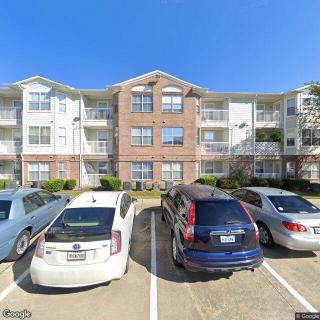
  • Grand Brook Memory Care Of Mckinney

    Grand Brook Memory Care Of Mckinney

    Mckinney, TX

    4.9 from 112 reviews
    $6,400 to $6,925 / month

    pro Compassionate, attentive staff in a clean, homelike memory care setting with engaging daily activities.

  • Country Lane

    Country Lane

    McKinney, TX

    4 from 2 reviews
     

    pro Very affordable option with substantial monthly savings.

  • The Ivy of McKinney

    The Ivy of McKinney

    McKinney, TX

    4.3 from 107 reviews
    $3,275 to $5,250 / month

    pro Friendly staff and a vibrant community with spacious apartments.

  • The Ivy at McKinney

    The Ivy at McKinney

    Mc Kinney, TX

    4.4 from 47 reviews
     

    pro Friendly staff and a warm, social community with spacious apartments and engaging activities.

  • Villagio of McKinney

    Villagio of McKinney

    Mc Kinney, TX

    4.5 from 74 reviews
     

    pro Kind, attentive staff with engaging activities and beautiful, well-maintained surroundings, plus on-site medical support.

  • Emerald Cottages of Stonebridge

    Emerald Cottages of Stonebridge

    McKinney, TX

    4.8 from 17 reviews
    $3,300 / month

    pro Home-like cottages with attentive staff and an active social life.

  • Legend of McKinney

    Legend of McKinney

    McKinney, TX

    4.7 from 99 reviews
    $4,710 to $6,925 / month

    pro Caring staff, tasty meals, and a warm, homelike atmosphere with engaging activities.

  • The Heritage at Twin Creeks

    The Heritage at Twin Creeks

    Allen, TX

    4.4 from 133 reviews
    $4,175 to $5,875 / month

    pro Friendly staff, engaging activities, and a clean, welcoming environment.

Related Resources

  • weight training for seniorsWeight Training for Seniors: Building Strength and Vitality

    Weight training is vital for seniors to maintain muscle mass, bone density, and overall health, combating age-related declines through customized resistance exercises that enhance balance and well-being. Safe routines should start with realistic goals and proper form, while emphasizing gradual progress and consultations with healthcare providers to ensure safety and effectiveness.

  • what does the sandwich generation meanUnderstanding the Sandwich Generation: Stress and Responsibilities for Multigenerational Caregivers

    The Sandwich Generation comprises adults managing the dual responsibilities of caring for aging parents and raising children, leading to significant emotional, logistical, and financial challenges. This situation is exacerbated by longer life expectancies and cultural expectations, necessitating effective coping strategies and support resources to alleviate caregiver stress and burnout.

  • assistive devices for elderly8 Essential Assistive Devices for Older Adults


    The article highlights eight essential assistive devices that improve the independence and safety of older adults, addressing issues related to mobility, balance, vision, hearing, and dexterity. It emphasizes the importance of proper selection guided by healthcare professionals to enhance seniors' quality of life while allowing them to age in place.