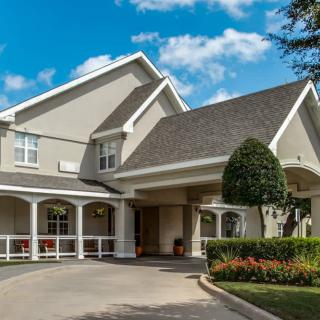
Baybrooke Village Care And Rehab Center

Save
Baybrooke Village Care And Rehab Center Baybrooke Village Care And Rehab Center

Baybrooke Village Care And Rehab Center

8300 Eldorado Parkway West, Mckinney, TX 75070

For more information about senior living options: (844) 490-3973

3.5 from 153 reviews
5 stars
77
4 stars
19
3 stars
7
2 stars
6
1 stars
44

Skilled Nursing Facility

Baybrooke Village Care And Rehab Center Costs & Pricing

Baybrooke Village Care And Rehab Center offers competitive pricing for its private room accommodations, with a monthly cost of $2,950. This fee is significantly lower than the average costs in Collin County, which stand at $4,324 per month, as well as the statewide average in Texas, which is approximately $4,096. The affordability of Baybrooke Village presents an appealing option for families seeking quality care without compromising their financial stability, while still maintaining high standards of service and comfort.

Floor plansBaybrooke Village Care And Rehab CenterCollin CountyTexas
Private$2,950$4,324$4,096

What level of care are you interested in?

Assisted Living

Memory Care

Independent Living

Skilled Nursing Facility

Continuing Care Retirement Community (CCRC)CCRC

Other


Request a tour at Baybrooke Village Care And Rehab Center

    Overall Review of Baybrooke Village Care And Rehab Center

    Pros

    • pro Administrator Sam is very caring.
    • pro Baybrooke van driver Teddy is efficient and respectful.
    • pro The staff are nice and provide great customer service.
    • pro The environment is lovely with great energy and kind-hearted staff.
    • pro PT therapists Armando, Lee, Dania, and Vicky are very helpful and dedicated.
    • pro Nurses and aides are mostly awesome.
    • pro The facility is beautiful with caring and professional staff.
    • pro The staff are great people who care about the patients.
    • pro Mrs. Tabith and Mrs. Laura, along with the staff, go above and beyond to care for loved ones.
    • pro The intake process with Amanda Schlegal is easy and seamless.

    Cons

    • pro The patient was placed in a diaper despite being fully continent, and a nurse told her to "go in your diaper" and would change her later.
    • pro The staff were rude and neglectful, with requests for assistance often ignored.
    • pro Pain medications were consistently late, leaving the patient in pain until adjustments were made.
    • pro The head nurse boasted about "running a tight ship," yet standards of care were not upheld in her absence.
    • pro There were days when the surgical wound dressing was not changed.
    • pro Wound care was inadequate, leading to a hospital readmission for irrigation and the placement of a wound vacuum.
    • pro A nurse named Simon neglected a patient and dismissed concerns, contributing to harm.
    • pro A nurse was arrested for sexually assaulting a patient, and families were not notified.
    • pro The food was cold, unappetizing, and lacked basic nutritional value.
    • pro The facility was dirty, poorly maintained, and had a noticeable odor.
    • pro The staff was severely understaffed, and care deteriorated after state audits.
    • pro Some reviewers stated they would not recommend the facility and gave it 0 stars.

    Review

    Baybrooke Village comes up repeatedly in conversations about senior care, and the overarching impression drawn from many firsthand accounts is a stark contrast between promising promises and troubling everyday realities. Several families described a facility that markets itself as a high-quality rehab and nursing option, but their lived experiences tell a different story. The most common threads center on neglectful or curt treatment, inconsistent care, and serious gaps in basic safety and comfort. By contrast, there are occasional notes of kindness and competence, especially from therapists and some administrators, which human beings who rely on this care deeply appreciate in the moment but cannot obscure the broader pattern of complaints.

    A recurring family narrative centers on the moments when care should be most attentive - the night and the hours between shifts. One mother's experience stands out for its blunt cruelty and felt humiliation: being placed in a diaper despite full continence, and hearing a nursing staff member say, "go in your diaper and I will come change you." The indignity of such a moment, paired with long delays in pain medication until a doctor could schedule relief, paints a picture of a facility struggling to meet basic human needs. The dissatisfaction didn't end there; the head nurse's boast about "running a tight ship" after returning from vacation was read by many as a grim reminder that the standard of care collapses when leadership is not present. The result was a cascade of advocacy calls by family members to ensure even ordinary tasks - like dressing wounds, changing bandages, and managing medications - were attended to more promptly. In some cases, the gap in care culminated in a hospital return where patients discovered that wounds were not being properly cared for, prompting further procedures such as wound irrigation and vacuum therapy. For families, the experience can feel like a blessing in disguise - after a difficult stretch, the patient leaves for care elsewhere, but the memory of what happened lingers.

    Other accounts recount similar impulses of neglect, with variations in severity. A father's experience highlights the fear and frustration of watching a loved one repeatedly left without timely care, and ultimately ending up in the hospital with severe infection after concerns were dismissed by staff. One reviewer described the situation as a pattern: calls for help routinely ignored or met with rudeness, and concerns minimized or dismissed until an escalation - often leading to emergency care. Wounds and medical needs were described as inadequately addressed at times, with references to poor responsiveness and a sense of being a burden to the staff when asking for assistance. Such stories are not isolated eyebrow-raising anecdotes; they recur across different families and reflect a broader perception that the facility is overwhelmed or under-resourced.

    The institutional atmosphere these reviewers describe includes moments of potential red flags regarding safety and communication. There is mention of a nurse who was arrested for sexual assault and the distressing claim that families or residents were not promptly notified about such serious events. Even when the report is contested by some readers, the allegation itself points to a critical gap: transparent and timely communication about safety incidents is essential in any care facility, and its absence deeply unsettles families who must rely on staff to protect their vulnerable loved ones. Another strong thread concerns misalignment between expectations and reality when it comes to patient care, the consistency of routines, and the reliability of administration to follow up on problems raised by patients and families. One reviewer explicitly instructed others to "look elsewhere," underscoring a clear caution born of repeated negative experiences, while others who visited or spoke to staff described days that were better only after persistent advocacy.

    Not all feedback paints Baybrooke Village in a negative light. A number of reviews mention staff members who stood out for their kindness, professionalism, and reliability. Some families singled out therapists as beacons of competence and empathy - praising specific practitioners by name for their dedication to rehabilitation and progress. In these testimonials, therapists were described as the most decent actors in an environment otherwise beset by flaws. Administrators and drivers also received praise from certain reviewers, with comments highlighting compassionate administrative leadership and a baybrooke van driver who conducted himself with efficiency and respect. In some positive postings, families noted that intake processes were smooth and that the facility could offer a warm, home-like atmosphere, with some residents and families forming favorable impressions of the environment, even if they still harbored concerns about day-to-day care.

    Food and daily living conditions emerge as another area of mixed feedback. Some reviews describe meals as acceptable and even delicious on occasion, while others report consistently cold or unappetizing food and a general sense that nutrition and dining experiences do not meet expectations for a rehab setting. One posting points to the existence of a hot food cart as a partial improvement for those who eat in their rooms, though concerns about consistent service and timeliness remained. Cleanliness and odors are described variably as well: some visitors found the facility clean and welcoming during tours, while others encountered days when the building felt dirty or poorly maintained. In short, the sensory environment - how the hallways smell, how rooms are kept, how promptly basic needs are met - varies widely depending on the day and the staffing reality behind the scenes.

    Taken together, these experiences create a layered portrait of Baybrooke Village. For families navigating the essential task of choosing a place for their loved ones to heal or reside, the message that emerges is not a simple verdict of "good" or "bad" but a stark call to look beyond glossy marketing and be prepared for a facility that may excel in certain relationships and activities while faltering in core responsibilities at other times. The most trustworthy threads of the conversation emphasize the importance of reliable staffing, consistent wound and medication management, prompt attention to requests for assistance, transparent handling of safety incidents, and a culture of empathy that treats every resident as a human being worthy of dignity. Therapists, in particular, appear to be a bright spot - holding steady where other departments falter - and a handful of administrators and staff members are praised for their warmth and dedication.

    Ultimately, Baybrooke Village invites readers to weigh hope against caution. For some families, the facility has provided meaningful rehabilitation and comfortable moments within a generally supportive environment. For others, the experience has been fraught with fear, disappointment, and a sense that more could and should be done to protect the most vulnerable residents. The consistent theme across these narratives is not a single incident, but a spectrum of experiences that underscores the need for vigilant oversight, transparent communication, and a renewed commitment to the practical and compassionate standards that patients and their families rightly deserve. If you're considering this facility, it seems prudent to gather multiple, current firsthand accounts, request explicit details about wound care and pain management protocols, and observe how staff respond to calls for assistance - because the day-to-day reality, as described by many families, can vary dramatically from one shift to the next.

    Features

    Housing

    • 128 resident community capacity 128 resident community capacity

    Types of Care

    • Skilled Nursing Facility Skilled Nursing FacilitySkilled Nursing Facilities are crucial for seniors as they provide round-the-clock medical care, rehabilitation services, and assistance with daily activities. These facilities ensure that seniors receive the specialized care they need to maintain their health and well-being as they age.

    Amenities

    • Air-conditioning Air-conditioningAir conditioning is important for seniors as they are more vulnerable to heat-related illnesses and may have underlying health conditions that make it difficult for them to regulate their body temperature. It helps to keep them comfortable, safe, and healthy in hot weather.
    • Beauty salon Beauty salonBeauty salons are important for seniors because they provide a space for them to feel pampered, socialize, and maintain their personal grooming and hygiene. Regular visits to a beauty salon can help boost seniors' self-esteem and overall well-being.
    • Cable or satellite TV Cable or satellite TVCable or satellite TV is important for seniors because it provides entertainment, news, and companionship, helping to combat loneliness and boredom. It also offers a wide range of programming options tailored to different interests and preferences.
    • Computer center Computer centerA computer center is essential for seniors as it provides access to technology, communication tools, and resources that can enhance their daily lives. It allows them to stay connected with loved ones, engage in online activities, and learn new skills, ultimately promoting socialization and mental stimulation.
    • Dining room Dining roomDining rooms are important for seniors as they provide a space for socialization, connection, and nutritious meals. They offer opportunities for residents to bond over shared meals, foster a sense of community, and promote healthy eating habits. Dining rooms also ensure that seniors have access to well-balanced meals tailored to their dietary needs and preferences.
    • Fitness room Fitness roomHaving a fitness room in a senior living community is essential for seniors to stay active, maintain their physical health, and improve their overall well-being. Regular exercise can help prevent falls, reduce the risk of chronic diseases, and promote mental sharpness. It also provides social opportunities for residents to connect with others and enjoy a sense of community.
    • Fully furnished Fully furnishedFully furnished senior living communities are important for seniors because they provide convenience, comfort, and a hassle-free moving experience. Seniors can easily settle into their new living space without the stress of having to buy and move furniture. This allows them to focus on enjoying their new home and community.
    • Gaming room Gaming roomGaming rooms are important for seniors as they provide a fun and engaging environment for socializing, cognitive stimulation, and physical activity. Games can improve memory, problem-solving skills, and overall mental well-being while fostering friendships and reducing feelings of isolation.
    • Garden GardenGardens are important for seniors as they provide a peaceful and therapeutic environment for relaxation, physical activity, and socialization. Being in nature has been shown to reduce stress, improve mood, and promote overall well-being. Gardens also offer opportunities for seniors to engage in gardening activities, which can improve mobility, flexibility, and cognitive function. Additionally, gardens create a sense of community and connection with others who share a passion for plants and outdoor spaces.
    • Housekeeping services Housekeeping servicesHousekeeping services are important for seniors because they help maintain a clean and safe living environment, promote independence, and reduce the risk of accidents or illnesses. Additionally, having assistance with household chores can alleviate physical strain and allow seniors to focus on other aspects of their well-being.
    • Kitchenette KitchenetteKitchenettes are important for seniors living in senior living communities because they provide the convenience and independence of being able to prepare simple meals and snacks in the comfort of their own living space. This can help promote a sense of autonomy and well-being for seniors, allowing them to maintain some level of control over their dietary choices and daily routines.
    • Move-in coordination Move-in coordinationMove-in coordination is important for seniors because it helps ease the transition into their new living environment. It ensures that all logistics, such as packing, organizing movers, and setting up utilities are taken care of, allowing seniors to focus on settling in and adjusting to their new home. Having a smooth move-in process can alleviate stress and anxiety, making the transition smoother and more enjoyable for seniors.
    • Outdoor space Outdoor spaceOutdoor spaces are important for seniors as they provide opportunities for physical activity, social interaction, exposure to natural light and fresh air, and a sense of connection to nature. Having access to outdoor spaces can improve overall well-being and quality of life for older adults living in senior communities.
    • Private bathrooms Private bathroomsPrivate bathrooms are important for seniors in senior living communities because they provide independence, dignity, and comfort. Having a private bathroom allows seniors to maintain their personal hygiene routines without the need for assistance, promoting a sense of autonomy and privacy. Additionally, private bathrooms help prevent the spread of infections and provide a safe and clean environment for seniors to navigate safely.
    • Restaurant-style dining Restaurant-style diningRestaurant-style dining is important for seniors because it allows them to enjoy delicious, nutritious meals in a social and upscale setting. This enhances their dining experience, promotes healthy eating habits, and fosters socialization with fellow residents, ultimately contributing to their overall well-being and quality of life.
    • Small library Small librarySmall libraries are important for seniors as they provide access to a variety of reading materials, including books, newspapers, and magazines. This can help stimulate their minds, keep them engaged, and provide a sense of community through book clubs and other social activities. Additionally, reading has been shown to improve cognitive function and overall mental well-being in older adults.
    • Telephone TelephoneTelephones are important for seniors as they provide a lifeline for communication with loved ones, emergency services, and healthcare providers. They offer a sense of security and independence, enabling seniors to stay connected and access assistance when needed.
    • Wellness center Wellness centerWellness centers are important for seniors because they offer a variety of programs and services that promote physical, mental, and emotional well-being. These centers provide opportunities for exercise, socialization, education, and relaxation, helping seniors maintain their overall health and quality of life.
    • Wi-Fi/high-speed internet available Wi-Fi/high-speed internet availableWi-Fi/high-speed internet is important for seniors to stay connected with loved ones, access online resources, and participate in virtual activities to combat feelings of loneliness and isolation. It also allows them to easily manage healthcare needs, access entertainment, and engage in lifelong learning opportunities.

    Transportation

    • Dallas Love (24 miles away) Dallas Love (24 miles away)
    • Community operated transportation Community operated transportationCommunity operated transportation is crucial for seniors as it provides them with the means to access essential services, social activities, and medical appointments. It allows seniors to maintain their independence and quality of life by ensuring they can participate in activities outside of their homes. Additionally, community-operated transportation services offer a safe and reliable way for seniors to travel without having to rely on family or friends for assistance.
    • Transportation arrangement Transportation arrangementTransportation arrangements are crucial for seniors as they may face challenges with driving, mobility, or access to public transportation. Having reliable transportation services ensures that seniors can easily attend appointments, social activities, and maintain their independence and quality of life.
    • Transportation arrangement (non-medical) Transportation arrangement (non-medical)Transportation arrangements are essential for seniors as they provide access to essential services, activities, and social interactions outside the home. This service helps maintain independence, mobility, and overall well-being for seniors who may have limited transportation options.
    • Transportation to doctors appointments Transportation to doctors appointmentsTransportation to doctors appointments is crucial for seniors as it ensures they have access to necessary medical care and support, promoting their health and well-being. It allows them to receive timely treatment, monitor existing conditions, and address any new health concerns efficiently. Additionally, transportation services can help seniors maintain their independence and quality of life by enabling them to stay connected with their healthcare providers.

    Care Services

    • 12-16 hour nursing 12-16 hour nursing12-16 hour nursing care is crucial for seniors in order to ensure around-the-clock monitoring, timely medication administration, and prompt response to any health concerns or emergencies. This level of care helps to promote the overall well-being and safety of seniors living in senior living communities.
    • 24-hour call system 24-hour call system24-hour call systems are important for seniors because they provide peace of mind and immediate assistance in case of emergencies. This technology ensures that help is always available, promoting safety and security for elderly individuals living alone or in assisted living facilities.
    • 24-hour supervision 24-hour supervision24-hour supervision is important for seniors to ensure their safety, well-being, and access to immediate assistance in case of emergencies or health issues. This constant support provides peace of mind for both seniors and their loved ones, allowing them to age in place with dignity and security.
    • Activities of daily living assistance Activities of daily living assistanceActivities of daily living assistance are important for seniors because they provide essential support with tasks such as eating, bathing, dressing, and mobility. This assistance helps seniors maintain their independence, dignity, and overall quality of life as they age.
    • Assistance with bathing Assistance with bathingAssistance with bathing is crucial for seniors as it helps maintain personal hygiene, prevents infections, and ensures their overall well-being and comfort. It also provides a sense of dignity and independence for seniors who may struggle with this task on their own.
    • Assistance with dressing Assistance with dressingAssistance with dressing is important for seniors because it helps maintain their independence, promotes personal hygiene, prevents accidents and injuries, and improves overall quality of life. This service ensures that seniors can continue to dress comfortably and confidently, despite any physical limitations they may have.
    • Assistance with transfers Assistance with transfersAssistance with transfers is crucial for seniors as it helps prevent falls and injuries, maintains their independence, and ensures they can safely navigate their living environment. It also provides peace of mind for both seniors and their loved ones.
    • Diabetes diet Diabetes dietA diabetes diet is crucial for seniors as it helps manage blood sugar levels, reduce risks of complications, and improve overall health and well-being. By following a balanced and nutritious diet tailored to their specific needs, seniors can better control their diabetes and enhance their quality of life.
    • Meal preparation and service Meal preparation and serviceMeal preparation and service are crucial for seniors as they may have limited mobility or energy to cook nutritious meals. Having access to healthy and convenient food options can ensure they are getting the proper nutrition needed to maintain their overall health and well-being.
    • Medication management Medication managementMedication management is crucial for seniors to ensure they are taking the right medications at the correct dosages and times. This helps prevent adverse drug interactions, reduces the risk of medication errors, and promotes overall health and well-being. Proactive management also allows for adjustments as needed based on changing health conditions or new prescriptions.
    • Mental wellness program Mental wellness programMental wellness programs are essential for seniors as they promote cognitive stimulation, emotional support, and social engagement. These programs help prevent isolation, depression, and cognitive decline, ultimately enhancing the overall quality of life for older adults.
    • Special dietary restrictions Special dietary restrictionsSpecial dietary restrictions are important for seniors because age-related changes in metabolism and health conditions can make it difficult for their bodies to process certain foods. By following a diet tailored to their specific needs, seniors can maintain their overall health and well-being, manage chronic conditions, and reduce the risk of complications such as malnutrition or food interactions with medications.

    Dining

    • Diabetes diet Diabetes dietA diabetes diet is crucial for seniors as it helps manage blood sugar levels, reduce risks of complications, and improve overall health and well-being. By following a balanced and nutritious diet tailored to their specific needs, seniors can better control their diabetes and enhance their quality of life.
    • Special dietary restrictions Special dietary restrictionsSpecial dietary restrictions are important for seniors because age-related changes in metabolism and health conditions can make it difficult for their bodies to process certain foods. By following a diet tailored to their specific needs, seniors can maintain their overall health and well-being, manage chronic conditions, and reduce the risk of complications such as malnutrition or food interactions with medications.

    Activities

    • Community-sponsored activities Community-sponsored activitiesCommunity-sponsored activities are important for seniors as they provide opportunities for social interaction, mental stimulation, and physical activity. These activities can help improve overall well-being, combat loneliness and isolation, and promote a sense of belonging and purpose among older adults.
    • Concierge services Concierge servicesConcierge services are essential for seniors as they provide assistance with daily tasks and errands, enhance their quality of life by offering convenience and personalized care, and promote a sense of safety and security.
    • Fitness programs Fitness programsFitness programs are crucial for seniors as they help improve strength, flexibility, balance, and overall well-being. Staying active can reduce the risk of chronic diseases, improve mental health, and enhance quality of life in older adults.
    • Planned day trips Planned day tripsPlanned day trips are important for seniors because they offer opportunities for socialization, mental stimulation, and physical activity. They provide a change of scenery and help seniors stay engaged and connected to their community, promoting overall well-being and quality of life.
    • Resident-run activities Resident-run activitiesResident-run activities are important for seniors as they encourage social interaction, creativity, and a sense of autonomy. These activities empower seniors to stay engaged and active in their community while fostering meaningful connections with their peers.
    • Scheduled daily activities Scheduled daily activitiesScheduled daily activities are important for seniors because they provide structure, socialization, mental stimulation, and physical activity. Engaging in regular activities can improve overall well-being and quality of life for seniors living in a community setting.

    Description

    Baybrooke Village Care And Rehab Center in McKinney, TX is a well-equipped assisted living community that provides a comfortable and enriching environment for seniors. With a wide range of amenities and care services, residents can enjoy a fulfilling and independent lifestyle.

    The community offers various amenities to cater to the needs and preferences of its residents. A beauty salon is available for those who want to pamper themselves, while cable or satellite TV ensures entertainment options are readily accessible. Community operated transportation is provided, making it convenient for residents to run errands or attend appointments. For those who enjoy technology, there is a computer center with Wi-Fi/high-speed internet access.

    The dining room offers restaurant-style dining with delicious meals prepared by the community's skilled staff. Special dietary restrictions are also accommodated to ensure all residents receive meals suitable for their needs. Housekeeping services help maintain clean and tidy living spaces, allowing residents more time for leisure activities.

    The assisted living community also features several recreational spaces. A fitness room promotes physical wellness while a gaming room provides opportunities for social interaction and friendly competition. The garden and outdoor space offer tranquility and fresh air for relaxation or leisurely strolls. A small library is available for book lovers, providing quiet reading nooks.

    Residents can feel secure with the 24-hour call system and supervision offered by the community. Trained staff members provide assistance with daily activities such as bathing, dressing, transfers, and meal preparation. Medication management helps ensure proper health management, while a mental wellness program supports emotional well-being.

    Baybrooke Village Care And Rehab Center strives to foster an engaging social atmosphere by offering concierge services and resident-run activities. Planned day trips allow exploration beyond the immediate surroundings, while scheduled daily activities provide diverse options to keep residents entertained.

    Located near cafes, parks, pharmacies, physicians' offices, restaurants, places of worship, and theaters, this assisted living community offers convenience in accessing essential amenities and services within the surrounding area.

    Overall, Baybrooke Village Care And Rehab Center provides a nurturing and supportive environment for seniors seeking assistance with daily activities while enjoying a fulfilling lifestyle.

    Nearby Places of Interest

    This part of McKinney, Texas offers a variety of conveniences for seniors looking to settle in the area. With several physicians, pharmacies, and hospitals nearby, medical care is easily accessible. Places of worship such as Stonebridge United Methodist Church and St Francis Catholic Church provide spiritual opportunities within the community. The abundance of parks offers opportunities for outdoor activities and relaxation. A selection of restaurants and cafes cater to different culinary preferences, while nearby theaters offer entertainment options. Overall, this part of McKinney provides a well-rounded living environment with essential services close at hand for seniors looking to make this area their home.

    Physicians

    • Lowery, Bryan Dr - Village Health Partners Mckinney Medical Village (0.7 miles)
    • Next Step Orthopedics (0.7 miles)
    • Adriatica Women's Health (1.9 miles)
    • Children's Choice Pediatrics (1.9 miles)
    • Pediatric Healthcare Associates PA (3.4 miles)
    • Touchstone Imaging McKinney (3.6 miles)
    • Comprehensive OB/GYN (3.7 miles)

    Places of Worship

    • Stonebridge United Methodist Church (0.8 miles)
    • One Community Church (3.9 miles)
    • Hope Fellowship (4.8 miles)
    • St Francis Catholic Church (5.1 miles)

    Pharmacies

    • CVS Pharmacy (1.5 miles)
    • Market Street Pharmacy (1.7 miles)
    • Walgreens (1.7 miles)
    • CVS Pharmacy (1.8 miles)
    • Walgreens (1.8 miles)
    • CVS Pharmacy (1.9 miles)
    • CVS Pharmacy (2.4 miles)

    Parks

    • WestRidge Subdivisions (1.6 miles)
    • Twin Creeks Park (4.5 miles)
    • Quail Run Park (4.7 miles)

    Restaurants

    • Delaney's Irish Pub (1.6 miles)
    • Chick-Fil-A (1.7 miles)
    • Freddy's Frozen Custard & Steakburgers (1.7 miles)
    • Raising Cane's Chicken Fingers (3.3 miles)
    • McDonald's (3.4 miles)
    • Chick-Fil-A (3.4 miles)
    • Sonic Drive-In (3.7 miles)

    Cafes

    • Dutch Bros Coffee (2.6 miles)
    • Starbucks (3.1 miles)
    • Starbucks (3.6 miles)
    • Starbucks (5.2 miles)
    • Starbucks (5.3 miles)
    • Starbucks (5.8 miles)

    Theaters

    • Cinemark (3.7 miles)
    • Electric - Cinemark (4.5 miles)

    Hospitals

    • Baylor Scott & White Medical Center (5.1 miles)
    • Medical Center of McKinney (5.3 miles)

    Frequently Asked Questions

    How much does it cost to live at Baybrooke Village Care And Rehab Center in Mckinney, TX?
    Where is Baybrooke Village Care And Rehab Center?

    Nearby Communities

    Related Resources

    • low impact exercises for seniorsHighly Beneficial Low-Impact Exercises for Senior Living Residents

      Low-impact exercises are vital for seniors as they promote health, independence, and social interaction while reducing joint strain. These adaptable activities, guided by healthcare professionals, enhance strength, flexibility, and emotional well-being.

    • is home health care tax deductibleIs In-Home Healthcare Tax Deductible? Your Comprehensive Guide
      The guide details the tax deductibility of in-home healthcare expenses according to IRS guidelines, differentiating between medically necessary services and non-medical assistance, while emphasizing the need for proper documentation and itemization requirements. It also highlights state-level variations, the importance of record-keeping, and encourages seeking professional tax help to understand evolving regulations.

    • gardening for seniorsNurturing Well-Being Through Gardening: A Detailed Guide for Senior Enthusiasts

      Gardening provides seniors with physical exercise, mental and emotional support, and social interaction opportunities, while accommodating their needs through raised beds and ergonomic tools. It promotes health benefits like improved dexterity and cardiovascular health, encourages sustainable practices, and allows for manageable upkeep with low-maintenance plants.


    Get Pricing Ask A Question Schedule A Tour Contact Senior Advisor