
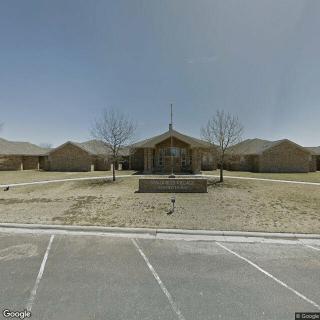
1241 West Marshall Howard Boulevard, Littlefield, TX 79339
For more information about senior living options: (866) 208-4318
Overall Review of Arbor Grace Wellness Center
Pros
 They appreciated Diane Gonzales, Carmen Torres, and other nurses who helped them get through this.
- The nurses' care and support during the difficult period were valued.
- Some nurses were helpful and supportive, making a positive impression amid the challenges.
Cons
 The reviewer says the dad stayed in the nursing home far longer than planned and he got worse.
 - They claim staff were giving him medication described as for “crazy people.”
- The dad was reportedly kicked out for violent behavior and for wandering the halls into other residents’ rooms.
- After stopping all medication, he was doing better until a nurse on vacation returned and gave him medication he wasn’t supposed to receive, after which he worsened again.
- The family believes there was nowhere to place him afterward and they do not recommend the facility.
- They allege nurses spoke about him in unprofessional terms and used a demeaning slur, which was heard on a camera recording.
- They were told by Arbor that the dad was too violent, preventing placement at another facility.
Review
Arbor Grace Wellness Center in Littlefield, TX appears best suited for families seeking a brief, straightforward post‑acute or respite-style stay for a relatively stable elder who does not require intensive behavioral management or complex psychotropic medication oversight. The reviews suggest the center can function as a short-term holding place when everything goes smoothly, but that scenario is far from guaranteed. For residents with significant behavioral issues, aggressive tendencies, or complicated medication regimens, this community signals higher risk and less reliability.
Those considering alternatives should note that the strongest reason to look elsewhere is safety and accountability gaps. Families facing ongoing behavioral challenges, or who need precise, consistently monitored medication administration, will likely encounter unacceptable risk here. A facility with more transparent care planning, tighter controls around psychotropic meds, and clearer, respectful communication with families would be a wiser fit. In short, this is not a strong match for residents whose care demands exceed routine nursing oversight.
The few perceived advantages do not meaningfully offset the fundamental concerns. On the positive side, several staff members, names cited by families, were described as helpful and supportive during stressful moments. Such personnel can make a difference in a tough transition, and their presence can offer some relief to families navigating a complicated process. However, isolated acts of care do not dispel what appears to be systemic issues: inconsistent medication management, allegations of inappropriate prescribing, and behavior labels that suggest unstable handling of residents who may wander or exhibit agitation. When safety and dignity are at stake, these gaps overshadow any glimpses of compassionate care.
Where the balance tilts, the weight falls on the shortcomings that recur in these accounts. The most troubling elements are medication mismanagement and communication breakdowns that leave families feeling uncertain about the resident’s safety and well-being. The impression that staff are quick to label a resident as “violent” and to justify changes in placement reflects a troubling approach to behavior management and resident rights. The existence of internal tensions, like a caregiver returning from leave and bringing a different standard of practice, underscores the risk of inconsistent care. Where trust is compromised, the favorable bits of staffing goodwill cannot restore confidence.
For families evaluating options, practical steps matter. Demand a clear, written medication management policy with explicit oversight, dose verification, and a robust incident-reporting process. Request up-to-date care plans that reflect current diagnoses and behavioral considerations, and insist on direct lines of communication with a primary nurse or care coordinator. Visit multiple days and observe interactions among staff, residents, and families; probe how staff handle agitation, wandering, and bathroom safety. In any decision, prioritize facilities with transparent med‑administration practices, a culture of professional accountability, and demonstrable respect for resident dignity.
The bottom line is decisive: Arbor Grace Wellness Center is not a strong candidate for residents with complex needs or for families seeking consistently safe, respectful daily care. The negative experiences documented point to real risks that are unlikely to be resolved quickly. Alternatives should be pursued that offer stronger med-management controls, steadier staff performance, and a demonstrated commitment to resident rights and proactive communication. If choosing this community, enter with a rigorous oversight plan, explicit expectations, and a clear exit strategy should safety or quality concerns intensify.
 80 resident community capacity
 Skilled Nursing Facility
 Air-conditioning
 Beauty salon
 Cable or satellite TV
 Computer center
 Dining room
 Fitness room
 Fully furnished
 Gaming room
 Garden
 Housekeeping services
 Kitchenette
 Move-in coordination
 Outdoor space
 Private bathrooms
 Restaurant-style dining
 Small library
 Telephone
 Wellness center
 Wi-Fi/high-speed internet available
 Community operated transportation
 12-16 hour nursing
 24-hour call system
 Activities of daily living assistance
 Assistance with bathing
 Assistance with dressing
 Assistance with transfers
 Diabetes diet
 Medication management
 Mental wellness program
 Special dietary restrictions
 Concierge services
 Planned day trips







 9 Stimulating Memory Activities for Seniors: Puzzles, Cards, and Much More
 Managing Nursing Home Expenses After Medicare Coverage Ends
 Is a Geriatric Care Manager the Right Choice for Your Family?