


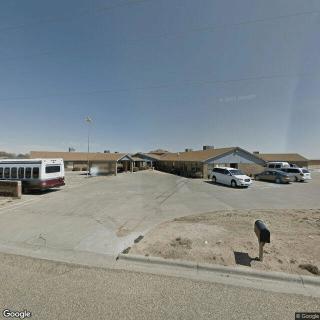
210 West Avenue, Levelland, TX 79336
For more information about senior living options: (866) 208-4318
Overall Review of Levelland Nursing & Rehabilitation Center
Pros
 The administrator is very passionate and cares for the residents.
- The staff at Levelland Nursing and Rehabilitation Center are great and caring toward residents.
- They cared for and loved Ruby as if she were their own mother or grandmother.
- Several staff members attended Ruby's funeral, showing their dedication.
- The care and attentiveness of the staff impressed the reviewer.
- The facility provides loving care, and the mom is getting the best care possible.
Cons
 The manager seems very unprofessional in how she addresses problems at the nursing home.
Review
This Levelland community is best suited for seniors who need round-the-clock care delivered in a warm, resident-centered setting. Families that prize genuine, compassionate interaction from staff will find the tone here welcoming, with caregivers who treat residents like family. The combination of a passionate administrator and a loyal caregiving team creates a culture where residents are known, comfort is prioritized, and daily routines feel predictable and kind. It works especially well for residents who don’t require highly specialized medical programming beyond solid skilled-nursing care, but who need reliable oversight, personal attention, and a community that fosters trust through everyday moments.
Those weighing alternatives should consider whether leadership dynamics fit their tolerance for risk in problem-solving and communication. A notable caution comes from a reviewer who described the manager as unprofessional in addressing problems, a signal that issues may not always be resolved in a timely, transparent way. For families prioritizing formalized workflows, documented escalation paths, and consistently predictable management, a facility with a more standardized administrative process, potentially under a larger operator, may be preferable. If the resident needs advanced, specialized clinical programming beyond routine geriatric and rehabilitative care, exploring options with explicit memory-care or rehab-focused design could be wise.
On the plus side, the strongest impressions come from the caregiving ethos. The administrator is viewed as deeply invested in resident welfare, driving a culture where staff members are consistently described as caring and capable. The care team is perceived as stable, personable, and responsive, with firsthand stories of staff going above and beyond. Families note that staff treat residents with tenderness and attentiveness, reinforcing a sense that daily care is dependable and that caregivers genuinely know the residents’ histories, preferences, and needs. Several accounts highlight a culture of kindness where residents feel seen and valued.
The counterpoint, while singular, is meaningful. The concern about managerial communication and problem resolution suggests there can be friction points that affect the resident and family experience beyond the day-to-day care. This isn’t a universal indictment of the facility, but it is a legitimate factor to weigh. In practice, leadership style matters because it shapes how families receive information, how quickly concerns are acknowledged, and how transparently care decisions are explained. Prospective residents with highly sensitive expectations around issue-tracking and formal complaint handling will want to probe this area thoroughly.
How the positives offset the negatives is rooted in daily lived experience. When staff demonstrate genuine warmth and attentiveness, residents show lower anxiety and higher engagement, which often translates into smoother adherence to care plans and more personalized routines. The administrator’s visible involvement tends to lift staff morale and can drive quick, thoughtful responses to family input, potentially mitigating the impact of leadership friction. In other words, strong day-to-day care and a culture of personal connection can outweigh occasional leadership missteps for many families, especially when a visiting family member can observe the resident’s rapport with caregivers firsthand.
Bottom line: Levelland Nursing & Rehabilitation Center stands out for families seeking a home-like atmosphere with deeply caring staff and a hands-on administrator who clearly loves resident welfare. It is a solid choice for those who value daily kindness, consistent caregiver-resident interactions, and a community that treats residents like family. However, for families where a consistently professional, transparent problem-resolution process is non-negotiable or where advanced clinical programming is essential, it is prudent to compare alternatives and verify leadership dynamics during visits. Prospective movers should request direct conversations with both the administrator and on-site manager, inquire about care-planning and escalation processes, and speak with several current residents and their families about response times and how concerns are handled. With disciplined due diligence, the decision can align warmth and professional expectations in a way that best fits the resident’s needs.
 87 resident community capacity
 Skilled Nursing Facility
 Air-conditioning
 Beauty salon
 Cable or satellite TV
 Computer center
 Dining room
 Fitness room
 Fully furnished
 Gaming room
 Garden
 Housekeeping services
 Kitchenette
 Move-in coordination
 Outdoor space
 Private bathrooms
 Restaurant-style dining
 Small library
 Telephone
 Wellness center
 Wi-Fi/high-speed internet available
 Community operated transportation
 12-16 hour nursing
 24-hour call system
 Activities of daily living assistance
 Assistance with bathing
 Assistance with dressing
 Assistance with transfers
 Diabetes diet
 Medication management
 Mental wellness program
 Special dietary restrictions
 Concierge services
 Planned day trips




 Comprehensive Insights into Palliative Home Care: What It Is and What to Expect
 Skilled Nursing Facilities vs. Nursing Homes: Making Sense of the Differences
 A Detailed Examination of Nursing Home Costs Across the U.S.