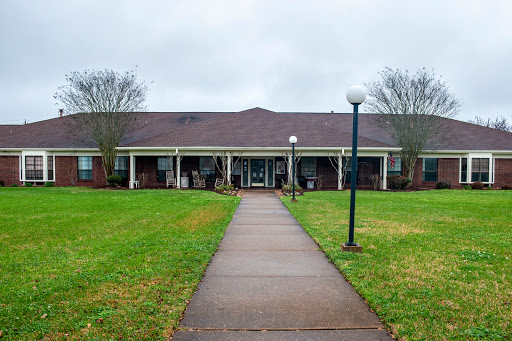











204 Oak Drive South, Lake Jackson, TX 77566
For more information about senior living options: (866) 208-4318
Overall Review of Oak Village Healthcare Long Term Care Partners
Pros
 The staff took extra care of his dad.
- He loved them and said it was the best hospital ever, with his favorite meals.
- The staff were polite and caring.
- The administration and nursing staff are amazing; they take very good care of residents and keep them comfortable.
- The PT staff are attentive and help residents progress.
- The facility is one of the cleanest in the area; the staff are pleasant and competent.
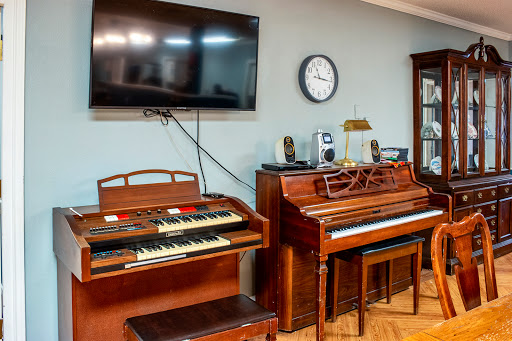
- Oak Village offers a very active schedule with many activities, and the staff are friendly and check on residents routinely.
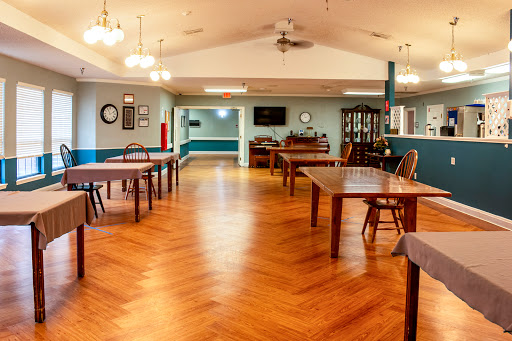
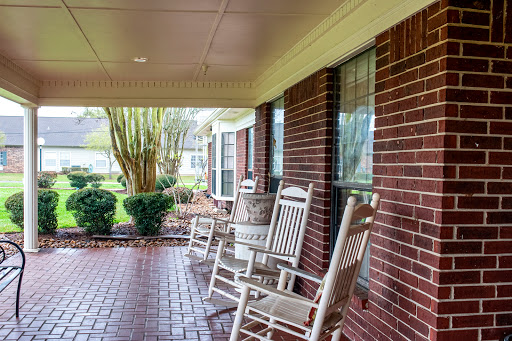
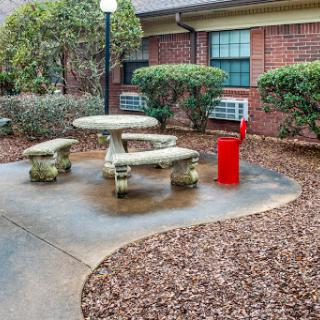
- The facility looks like a home with its own garden, and it offers a beautician, physical therapy, field trips, and a resident store.
Cons
 They describe the facility as trash, noting the patient was left in an empty room with dirty sheets, no blanket, and old leftovers left on a distant dresser.
- They claim the mother died due to negligence.
- They say a staff member was rude and unprofessional and should be fired or written up.
- They accuse the doctor of being a joke, showing up only once a week and not caring about patients.
- They report very little rehab and say the patient was basically kicked out at the 100-day mark.
- They advise not to put a loved one there and would not recommend the facility.
- They claim it’s all about the paycheck and the staff don’t care about residents.
Review
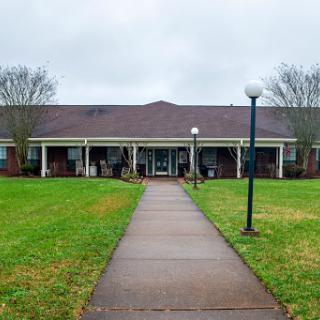
Oak Village Healthcare Long Term Care Partners in Lake Jackson, TX is best suited for families that prize a warm, home-like atmosphere and a lively activity calendar. Residents tend to thrive when daily life includes regular social programs, accessible therapy, and relationships with staff who demonstrate genuine care. For families who want personal attention, visible administration involvement, and a community that feels more like a house with a courtyard than a clinical facility, Oak Village can be a compelling fit.
The strongest positives center on engagement and approachability. The community earns praise for a robust schedule of activities, access to physical therapy, and staff who routinely go beyond basics to support residents. Several residents and families point to the administrator and leadership team as actively solving problems and keeping residents comfortable, with appreciation for the therapy group, nursing staff, and housekeeping. The setting itself reinforces this impression: a homey look, private rooms, in-house services such as a hairdresser, a garden club, and field trips that expand beyond the four walls. For families who want a facility that feels personal and responsive, these elements often translate into meaningful daily quality of life.
However, the reviews do not paint a uniform picture of safety and consistency. A substantial portion of feedback highlights serious concerns about care quality, responsiveness, and safety gaps. Reports include delays in recognizing and responding to medical needs, occasional neglect, and incidents where residents were not adequately monitored or assisted. Some families describe rude or under-supported frontline staff, while others question the attentiveness of physicians who visit infrequently. There are repeated cautions about older equipment, room conditions, and the difficulty of obtaining timely tests or treatments when urgent issues arise. Taken together, these threads suggest that care experiences at Oak Village can be highly variable.
These mixed realities mean that the core pros, engagement, warmth, and approachable leadership, do not fully neutralize the most salient cons for every resident. For someone whose primary need is social stimulation, meaningful activity, and regular, friendly interactions with staff, Oak Village can deliver a pleasant, enriching environment. But for residents with complex medical needs requiring rapid, high-level oversight and consistently seamless clinical responses, the risk of inconsistent care and delayed interventions is meaningful. The best fit appears to hinge on a family’s willingness to stay actively involved, advocate, and monitor day-to-day care closely.
Practical decision guidance should center on a few concrete steps. Prospective families should request current staffing ratios and physician visit schedules, and inquire about the facility’s procedures for urgent medical attention, incident reports, and follow-up communications with families. It is essential to tour with a critical eye: observe how staff respond in common areas, ask to speak with several families about recent experiences, and review the most recent state or regulatory findings and any corrective actions underway. Request specific examples of how concerns were addressed and what measures exist to prevent recurrence.
In the end, Oak Village offers a compelling option for those who want a warm, activity-rich environment and who are prepared to participate actively in care oversight. It is less suitable for families seeking a consistently seamless medical experience with rock-solid safety records across all shifts. Alternatives should be considered for those whose expectations center on uniform medical reliability, rapid emergency response, and minimal risk of neglect or care lapses. A thoughtful visit, candid conversations with administrators and front-line staff, and a careful review of recent care outcomes will reveal whether Oak Village aligns with the specific priorities and risk tolerance of the family’s situation.
 74 resident community capacity
 Skilled Nursing Facility
 Air-conditioning
 Beautician on-site
 Cable or satellite TV
 Computer center
 Dining room
 Fitness room
 Fully furnished
 Gaming room
 Garden
 Guest parking
 Housekeeping services
 Kitchenette
 Laundry
 Move-in coordination
 Outdoor space
 Private bathrooms
 Restaurant-style dining
 Small library
 Telephone
 Wellness center
 Wi-Fi/high-speed internet available
 Community operated transportation
 12-16 hour nursing
 24-hour call system
 Activities of daily living assistance
 Assistance with bathing
 Assistance with dressing
 Assistance with transfers
 Diabetes diet
 Hospice care
 Medication management
 Mental wellness program
 Special dietary restrictions
 Arts and crafts
 Concierge services
 Games
Games Planned day trips








 Top Canine Companions for Older Adults
 Comprehensive Guide to Blood Pressure Charts for Older Adults: Understanding Normal and High Readings by Age
 Financing Long-Term Nursing Home Care Through Social Security: A Thorough Exploration