
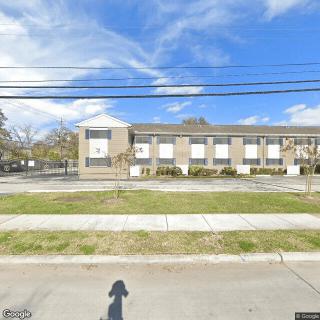
1737 North Loop W, Houston, TX 77008
For more information about senior living options: (866) 208-4318
Overall Review of Brookhollow Heights Transitional Care Center
Pros
 The facility had just reopened with well-organized staff.
- The staff were patient and kind toward residents.
- The facility was clean, neat, and in working order.
- Care was tailored to the needs of each patient.
- They were willing to work with Medicare and insurance.
- They kept residents safe and as comfortable as possible in their last years.
Cons
 The facility was described as a horror home where no one would listen to patients in need.
- The staff in the business office were rude and uncaring.
- Residents were not fed properly and medications were not administered properly.
- A patient’s foot was molding into the bed rails because he had not been turned for a long time.
- A patient died and the family was not notified, reportedly due to the business office.
- The majority of staff were not attentive, uncaring, and poorly trained, with little concern for residents or their families.
- Residents became malnourished and contracted serious infections because nurses would not test for them.
Review
Brookhollow Heights Transitional Care Center in Houston is best suited for families who can supervise a post-acute stay closely and for residents who can thrive in a compact, clean setting with hospital-adjacent convenience. The recent reopening hints at some organizational improvements, which may appeal to those who want to see concrete changes before committing. However, the facility should not be the first choice for someone requiring dependable, round-the-clock medical oversight, rigorous risk control, or specialized memory-care support. Prospective residents should plan to monitor daily routines actively and to have contingency plans if care gaps surface.
On the positive side, the building itself frequently earns remarks about cleanliness and orderliness, and a few accounts point to better-organized staffing after the facility’s recent adjustments. The location near Memorial Hermann Northwest Hospital provides practical emergency access and easier coordination with outside providers during a transition period. Some families report smoother Medicare and insurance interactions when operations align, suggesting a workable pathway to coverage when care proceeds without disruptive interruptions. In a small- setting environment, there can be moments when staff attention feels more personalized, an important factor for families sensitive to restraint or impersonality in larger centers.
Yet the weight of multiple reviews is deeply troubling. Recurrent concerns describe malnutrition and infections that were not promptly identified or treated, with claims that staff did not test or respond to evolving medical issues. Reports of residents not being turned, medications not administered correctly, and even belongings stolen point to serious safety and accountability gaps. The most alarming disclosures involve family members being initial notified late or not at all about a resident’s death, coupled with experiences of rude or opaque business-office interactions. Taken together, these issues erode trust and cast serious doubt on the consistency of care.
In this context, the few strengths cited, cleanliness, a quieter, smaller setting, and the potential for more individualized attention when staffing aligns, do not reliably offset the core risks. A hospital-adjacent location helps on paper, but it does not compensate for inconsistent medical oversight or gaps in daily routines that appear to recur in several narratives. The ability to navigate billing and insurance matters matters, yet it is meaningful only if the care delivered meets expectations. Ultimately, the positives feel conditional and dependent on a level of daily discipline and transparency that has not been consistently demonstrated across reviews.
Families considering Brookhollow Heights should pursue a rigorous onboarding process before any commitment. Demand a current tour focused on nursing routines, medication-pass timeliness, patient turning, and adherence to individualized care plans. Request recent state survey results, a transparent incident log, and direct access to the director of nursing and front-line staff. Probe how meals are planned and delivered, how nutritional risks are mitigated, and who notifies families about changes in a resident’s condition. Verify that staffing levels and assignments have stabilized since reopening, and compare with nearby facilities that show stronger safety and quality indicators. Without concrete, ongoing evidence of reliable care delivery, alternatives with stronger performance histories will be the wiser choice.
In the end, Brookhollow Heights Transitional Care Center demands cautious consideration. It may work for a short, tightly supervised transitional stay when oversight is assured and care demands are modest. For residents needing consistent, proactive medical monitoring, clear communication, and dependable med administration, alternatives with more robust track records are advisable. The decision should rest on aligning a resident’s risk profile with a facility that can reliably deliver safe, attentive post-acute care, while prioritizing transparent operations, measurable improvements since reopening, and a clear plan for regular reassessment.
 200 resident community capacity
 Skilled Nursing Facility
 Air-conditioning
 Beauty salon
 Cable or satellite TV
 Computer center
 Dining room
 Fitness room
 Fully furnished
 Gaming room
 Garden
 Housekeeping services
 Kitchenette
 Move-in coordination
 Outdoor space
 Private bathrooms
 Restaurant-style dining
 Small library
 Telephone
 Wellness center
 Wi-Fi/high-speed internet available
 George Bush Intercontinental (13 miles away)
 Community operated transportation
 12-16 hour nursing
 24-hour call system
 Activities of daily living assistance
 Assistance with bathing
 Assistance with dressing
 Assistance with transfers
 Diabetes diet
 Medication management
 Mental wellness program
 Special dietary restrictions
 Concierge services
 Planned day trips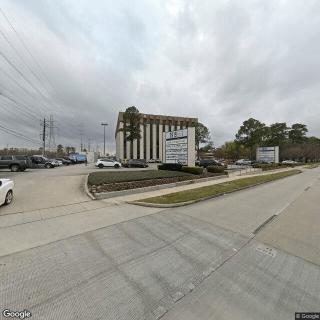

 Nurturing Our Elders: Linda's Journey of Supporting Her Mother
 A Comprehensive Exploration of Common Misunderstandings about Powers of Attorney
 Senior Move Management: Understanding the Role, Value, and Associated Costs