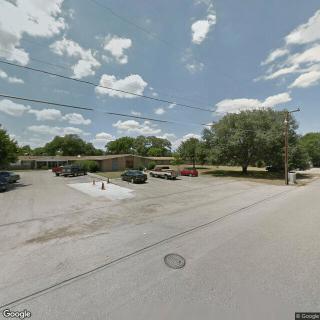
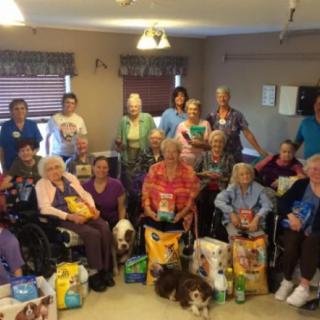
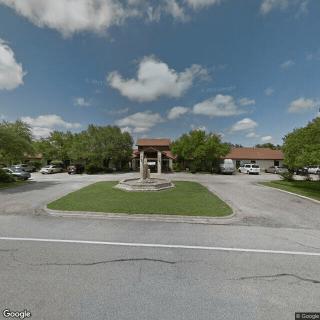
Giddings Residence And Rehabilitation Center in Giddings, TX

Information last verified:

1181 North Williamson, Giddings, TX 78942

For more information about senior living options: (844) 490-3973

4.4 from 18 reviews
5 stars
14
4 stars
2
3 stars
0
2 stars
0
1 stars
2

Overall Review of Giddings Residence And Rehabilitation Center

Pros

  • pro Harmony Care at Giddings truly shines in all areas, with an amazing administrator and an amazing nursing staff who go above and beyond to provide top-quality care.
  • pro The facility is beautiful with new management, great leaders, and wonderful staff and residents, delivering good quality of life and care.
  • pro Giddings Residence and Rehabilitation Center has stepped up under new ownership and management, with the new staff greeting visitors warmly and treating residents like family.
  • pro The staff are friendly, and the managers provide timely answers to questions.
  • pro The environment feels welcoming and clean, like home, with residents able to enjoy a peaceful setting and nearby nature.
  • pro The care team is praised as caring, patient, and kind, contributing to an outstanding overall experience.

Cons

  • pro The night staff allegedly stole 90 percent of everything the reviewer bought in one week, implying theft by staff.
  • pro The reviewer calls the facility horrible and advises not to place a loved one there, suggesting cameras and daily checks.
  • pro The facility has its fair share of issues and problems.
  • pro Some staff are very tired, stressed, and overworked.
  • pro The nursing staff were described as only okay.

Review

This community is best suited for families seeking a rehab-oriented option with freshly energized leadership and a warm, home-like atmosphere. The recent ownership transition appears to have sharpened administrative responsiveness and morale among front-line staff, translating into smoother daily routines, friendlier greetings, and more consistent therapy schedules. Residents benefit from a tranquil setting where deer may wander the back yard, and a layout that feels less clinical than some peers. The care plan tends to emphasize rehabilitation and quality of life, with residents reporting meaningful interactions with caregivers and an emphasis on staying engaged in purposeful activities. For families prioritizing a welcoming culture paired with a robust therapy program, this site makes a compelling case.

On the flip side, the landscape is not without significant cautions. One review alleges theft by night staff, claiming a large portion of a resident’s belongings vanished within a week. While the administrator and day staff are praised for kindness and effort, the absence of clear answers about those allegations creates a real risk signal for prospective families. Other posts note that some caregivers appear overextended, leading to occasional delays in responses or follow-through. In short, safety and reliability concerns loom in the background, and the impression of solid control hinges on ongoing management effectiveness. For families that demand near-perfect predictability and strongest safeguards, exploring alternatives remains prudent.

Yet the positives are substantial and repeatedly reinforced. Administration earns frequent praise for leadership that motivates a committed team and stays engaged with residents and families. Nursing and therapy staff are described as capable and compassionate, with certain individuals singled out as exceptional. The facility’s atmosphere is consistently depicted as clean and welcoming, a welcome departure from the sterile nursing-home stereotype. The rehab program is regarded as solid, underscored by hands-on therapy and activities that promote progress and overall well-being. Even when staffing pressures surface, the warmth, patience, and professionalism of the team often stand out, forming a base that can offset intermittent gaps.

The quality-of-life advantages extend beyond basic care. Reviewers cite a serene environment, opportunities to enjoy outdoor spaces, and therapists who pursue practical, results-oriented goals. The campus seems to balance medical care with restorative routines, fostering a level of attention that many comparable facilities struggle to sustain. In particular, nurses and aides who communicate clearly, along with therapists who tailor plans to individual goals, establish a recognizable standard of engagement. The recent refresh in leadership, new owners and managers, appears to have recalibrated expectations, cultivating a culture where residents feel seen, valued, and truly cared for.

From a decision-making standpoint, a structured evaluation is warranted. Prospective families should tour with targeted questions: who currently oversees day-to-day operations, what is the current shift-by-shift staffing ratio, and how are incidents reported and resolved? Request the most recent state survey results to gauge compliance and safety history. Observe response times during the tour and speak with multiple residents about consistency of care. For safety-centric considerations, query security measures and whether monitoring is in place, and discuss any past misconduct candidly with administration. If rehabilitation and reconditioning are the primary goals, verify the availability and cadence of therapy sessions and how progress is documented. A trial stay, when offered, can reveal daily rhythms that no brochure could capture.

In sum, Harmony Care at Giddings offers a compelling blend of refreshed leadership, a caring day-staff environment, and a rehab-focused approach that can meaningfully elevate quality of life for many residents. The strongest cases will be families who value a home-like setting, responsive administration, and a therapy-driven program, and who are prepared to stay engaged in oversight. However, for those requiring unwavering, zero-tolerance safety with rock-solid staffing reliability, the presence of unresolved safety questions and reports about staff strain suggests exploring alternatives remains a prudent precaution. The ultimate decision should hinge on current staffing stability, the effectiveness of the new management in sustaining improvements, and the resident’s tolerance for a warm, engaging environment that still warrants vigilant oversight.

Features

Housing

  • 47 resident community capacity 47 resident community capacity

Types of Care

  • Skilled Nursing Facility Skilled Nursing FacilitySkilled Nursing Facilities are crucial for seniors as they provide round-the-clock medical care, rehabilitation services, and assistance with daily activities. These facilities ensure that seniors receive the specialized care they need to maintain their health and well-being as they age.

Amenities

  • Beauty salon Beauty salonBeauty salons are important for seniors because they provide a space for them to feel pampered, socialize, and maintain their personal grooming and hygiene. Regular visits to a beauty salon can help boost seniors' self-esteem and overall well-being.
  • Cable or satellite TV Cable or satellite TVCable or satellite TV is important for seniors because it provides entertainment, news, and companionship, helping to combat loneliness and boredom. It also offers a wide range of programming options tailored to different interests and preferences.
  • Dining room Dining roomDining rooms are important for seniors as they provide a space for socialization, connection, and nutritious meals. They offer opportunities for residents to bond over shared meals, foster a sense of community, and promote healthy eating habits. Dining rooms also ensure that seniors have access to well-balanced meals tailored to their dietary needs and preferences.
  • Fully furnished Fully furnishedFully furnished senior living communities are important for seniors because they provide convenience, comfort, and a hassle-free moving experience. Seniors can easily settle into their new living space without the stress of having to buy and move furniture. This allows them to focus on enjoying their new home and community.
  • Garden GardenGardens are important for seniors as they provide a peaceful and therapeutic environment for relaxation, physical activity, and socialization. Being in nature has been shown to reduce stress, improve mood, and promote overall well-being. Gardens also offer opportunities for seniors to engage in gardening activities, which can improve mobility, flexibility, and cognitive function. Additionally, gardens create a sense of community and connection with others who share a passion for plants and outdoor spaces.
  • Housekeeping services Housekeeping servicesHousekeeping services are important for seniors because they help maintain a clean and safe living environment, promote independence, and reduce the risk of accidents or illnesses. Additionally, having assistance with household chores can alleviate physical strain and allow seniors to focus on other aspects of their well-being.
  • Kitchenette KitchenetteKitchenettes are important for seniors living in senior living communities because they provide the convenience and independence of being able to prepare simple meals and snacks in the comfort of their own living space. This can help promote a sense of autonomy and well-being for seniors, allowing them to maintain some level of control over their dietary choices and daily routines.
  • Move-in coordination Move-in coordinationMove-in coordination is important for seniors because it helps ease the transition into their new living environment. It ensures that all logistics, such as packing, organizing movers, and setting up utilities are taken care of, allowing seniors to focus on settling in and adjusting to their new home. Having a smooth move-in process can alleviate stress and anxiety, making the transition smoother and more enjoyable for seniors.
  • Outdoor space Outdoor spaceOutdoor spaces are important for seniors as they provide opportunities for physical activity, social interaction, exposure to natural light and fresh air, and a sense of connection to nature. Having access to outdoor spaces can improve overall well-being and quality of life for older adults living in senior communities.
  • Restaurant-style dining Restaurant-style diningRestaurant-style dining is important for seniors because it allows them to enjoy delicious, nutritious meals in a social and upscale setting. This enhances their dining experience, promotes healthy eating habits, and fosters socialization with fellow residents, ultimately contributing to their overall well-being and quality of life.
  • Small library Small librarySmall libraries are important for seniors as they provide access to a variety of reading materials, including books, newspapers, and magazines. This can help stimulate their minds, keep them engaged, and provide a sense of community through book clubs and other social activities. Additionally, reading has been shown to improve cognitive function and overall mental well-being in older adults.
  • Telephone TelephoneTelephones are important for seniors as they provide a lifeline for communication with loved ones, emergency services, and healthcare providers. They offer a sense of security and independence, enabling seniors to stay connected and access assistance when needed.
  • Wi-Fi/high-speed internet available Wi-Fi/high-speed internet availableWi-Fi/high-speed internet is important for seniors to stay connected with loved ones, access online resources, and participate in virtual activities to combat feelings of loneliness and isolation. It also allows them to easily manage healthcare needs, access entertainment, and engage in lifelong learning opportunities.

Care Services

  • 24-hour call system 24-hour call system24-hour call systems are important for seniors because they provide peace of mind and immediate assistance in case of emergencies. This technology ensures that help is always available, promoting safety and security for elderly individuals living alone or in assisted living facilities.
  • 24-hour supervision 24-hour supervision24-hour supervision is important for seniors to ensure their safety, well-being, and access to immediate assistance in case of emergencies or health issues. This constant support provides peace of mind for both seniors and their loved ones, allowing them to age in place with dignity and security.
  • Activities of daily living assistance Activities of daily living assistanceActivities of daily living assistance are important for seniors because they provide essential support with tasks such as eating, bathing, dressing, and mobility. This assistance helps seniors maintain their independence, dignity, and overall quality of life as they age.
  • Assistance with bathing Assistance with bathingAssistance with bathing is crucial for seniors as it helps maintain personal hygiene, prevents infections, and ensures their overall well-being and comfort. It also provides a sense of dignity and independence for seniors who may struggle with this task on their own.
  • Assistance with dressing Assistance with dressingAssistance with dressing is important for seniors because it helps maintain their independence, promotes personal hygiene, prevents accidents and injuries, and improves overall quality of life. This service ensures that seniors can continue to dress comfortably and confidently, despite any physical limitations they may have.
  • Assistance with transfers Assistance with transfersAssistance with transfers is crucial for seniors as it helps prevent falls and injuries, maintains their independence, and ensures they can safely navigate their living environment. It also provides peace of mind for both seniors and their loved ones.
  • Diabetes diet Diabetes dietA diabetes diet is crucial for seniors as it helps manage blood sugar levels, reduce risks of complications, and improve overall health and well-being. By following a balanced and nutritious diet tailored to their specific needs, seniors can better control their diabetes and enhance their quality of life.
  • Meal preparation and service Meal preparation and serviceMeal preparation and service are crucial for seniors as they may have limited mobility or energy to cook nutritious meals. Having access to healthy and convenient food options can ensure they are getting the proper nutrition needed to maintain their overall health and well-being.
  • Medication management Medication managementMedication management is crucial for seniors to ensure they are taking the right medications at the correct dosages and times. This helps prevent adverse drug interactions, reduces the risk of medication errors, and promotes overall health and well-being. Proactive management also allows for adjustments as needed based on changing health conditions or new prescriptions.
  • Mental wellness program Mental wellness programMental wellness programs are essential for seniors as they promote cognitive stimulation, emotional support, and social engagement. These programs help prevent isolation, depression, and cognitive decline, ultimately enhancing the overall quality of life for older adults.
  • Special dietary restrictions Special dietary restrictionsSpecial dietary restrictions are important for seniors because age-related changes in metabolism and health conditions can make it difficult for their bodies to process certain foods. By following a diet tailored to their specific needs, seniors can maintain their overall health and well-being, manage chronic conditions, and reduce the risk of complications such as malnutrition or food interactions with medications.
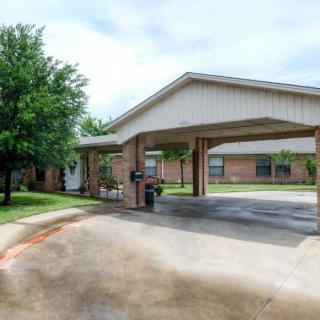
Dining

  • Diabetes diet Diabetes dietA diabetes diet is crucial for seniors as it helps manage blood sugar levels, reduce risks of complications, and improve overall health and well-being. By following a balanced and nutritious diet tailored to their specific needs, seniors can better control their diabetes and enhance their quality of life.
  • Special dietary restrictions Special dietary restrictionsSpecial dietary restrictions are important for seniors because age-related changes in metabolism and health conditions can make it difficult for their bodies to process certain foods. By following a diet tailored to their specific needs, seniors can maintain their overall health and well-being, manage chronic conditions, and reduce the risk of complications such as malnutrition or food interactions with medications.

Activities

  • Community-sponsored activities Community-sponsored activitiesCommunity-sponsored activities are important for seniors as they provide opportunities for social interaction, mental stimulation, and physical activity. These activities can help improve overall well-being, combat loneliness and isolation, and promote a sense of belonging and purpose among older adults.
  • Resident-run activities Resident-run activitiesResident-run activities are important for seniors as they encourage social interaction, creativity, and a sense of autonomy. These activities empower seniors to stay engaged and active in their community while fostering meaningful connections with their peers.
  • Scheduled daily activities Scheduled daily activitiesScheduled daily activities are important for seniors because they provide structure, socialization, mental stimulation, and physical activity. Engaging in regular activities can improve overall well-being and quality of life for seniors living in a community setting.

Description

The Giddings Residence And Rehabilitation Center in Giddings, TX, offers a warm and comfortable environment for senior residents. The community provides various amenities to ensure a convenient and enjoyable living experience. Residents can enjoy their favorite shows with cable or satellite TV, have meals in the dining room or outdoor space, and relax in fully furnished accommodations. Housekeeping services are available to maintain cleanliness, and residents have access to a kitchenette for personal use. Wi-Fi/high-speed internet is provided for staying connected with loved ones.

In terms of care services, the center offers 24-hour supervision to ensure safety and security at all times. Trained staff members assist residents with activities of daily living such as bathing, dressing, and transfers. Special attention is given to individuals with diabetes through specialized meal plans. Medication management is provided to ensure proper administration of medications.

The center also prioritizes mental wellness by offering a dedicated program that focuses on the emotional well-being of residents. This program helps promote socialization, engagement, and overall happiness among the residents.

Dining at the Giddings Residence And Rehabilitation Center caters to special dietary restrictions, ensuring that each resident's nutritional needs are met. Resident-run activities and scheduled daily activities provide opportunities for social interaction and engagement within the community.

Located conveniently near cafes, parks, pharmacies, physicians' offices, restaurants, transportation options, and places of worship; residents have easy access to necessary services and amenities both within the community itself and in the surrounding area.

Overall, the Giddings Residence And Rehabilitation Center provides a comfortable and supportive environment where seniors can maintain their independence while receiving assistance with their daily needs.

Nearby Places of Interest

Restaurants

  • It's All Good (0.2 miles)
  • Giddings Downtown Restaurant (0.7 miles)
  • Burger King (0.8 miles)
  • Wing Street (1 miles)
  • Pizza Hut (1 miles)
  • Sonic Drive-In (1.1 miles)
  • Street Side Tacos (1.2 miles)

Places of Worship

  • New Hope Baptist Church (0.2 miles)
  • Solid Rock Community Church (0.3 miles)
  • Martin Luther Lutheran Church (0.4 miles)
  • Shorter Chapel Church (0.6 miles)
  • Concord Christian Center Church (1 miles)
  • Diocese of Austin (1 miles)
  • Church of Christ (1.1 miles)

Cafes

  • Elvira's Cafe (0.3 miles)
  • Starbucks (1.6 miles)
  • Fat Cat Lounge and Cafe (18.4 miles)
  • The Roastaurant (20.2 miles)

Physicians

  • Banks, Crystal Dr-Jatzlau & Banks Mds (0.7 miles)
  • Family Care Clinic (1 miles)
  • Teresa H. Kinsfather (1 miles)
  • St Joseph Lexington Family Medicine Clinic (15 miles)
  • Smithville Medical Center (17.9 miles)
  • Smithville Medical Clinic (17.9 miles)
  • Juno Shannon M Md (18.2 miles)

Transportation

  • U-Haul Neighborhood Dealer (0.8 miles)
  • Greyhound Bus Lines (0.9 miles)
  • Bus Stop (0.9 miles)
  • College Station Taxi Service (1.2 miles)
  • Giddings Taxi Service (1.2 miles)
  • Smithville-Crawford Municipal Airport (17.5 miles)
  • Southwest Texas Aviation (17.7 miles)

Pharmacies

  • Pieratt's Pharmacy (1 miles)
  • Walmart Pharmacy (1.7 miles)
  • Smithville Pharmacy (17.6 miles)
  • Smithville Pharmacy (18.2 miles)
  • Lifechek Drug 37 (20.2 miles)
  • Lifecheck (20.2 miles)
  • Pharm House Drug - LaGrange (20.2 miles)

Parks

  • City Park (1 miles)
  • Plum Park on the Colorado (16.3 miles)
  • Buescher State Park (17 miles)
  • Smithville Bark Park (17.5 miles)
  • Texas Parks & Wildlife (20.2 miles)
  • Colorado River Trail (20.4 miles)
  • Lake Bastrop North Shore Park (20.5 miles)

Hospitals

  • Smithville Regional Hospital (17.7 miles)
  • Emergency - Ascension Seton Smithville (17.8 miles)
  • Seton Riverbend Medical Group (17.9 miles)
  • Smithville Regional Hospital Home Health Care (17.9 miles)
  • The Univ. Of Texas M.D. Anderson Cancer (18.1 miles)
  • St Mark's Medical Specialist Clinic (18.2 miles)
  • St Mark's Medical Center (19.2 miles)

Frequently Asked Questions

Where is Giddings Residence And Rehabilitation Center?

Nearby Communities

  • Oakland Manor Nursing Center

    Oakland Manor Nursing Center

    Giddings, TX

    3.2 from 17 reviews
     

    pro Caring staff in an affordable community with a varied menu.

  • Bec's Blessing

    Bec's Blessing

    Giddings, TX

    5 from 4 reviews
     

    pro Comprehensive care with 24/7 supervision, ADL support, meals, medication management, transportation, and health coordination, plus furnished rooms and outdoor spaces.

  • Lost Pines Personal Care

    Lost Pines Personal Care

    Paige, TX

    4.9 from 14 reviews
    $2,500 / month

    pro Reported good care and attentive staff.

  • Towers Nursing Home

    Towers Nursing Home

    Smithville, TX

    4.3 from 95 reviews
     

    pro Caring staff in a clean, modern facility.

  • The Village at India Hook

    The Village at India Hook

    Rock, NC


    pro Small, personalized care with meal service and medication management.

  • Care Inn Of La Grange

    Care Inn Of La Grange

    La Grange, TX

    4.1 from 27 reviews
     

    pro Comprehensive amenities and 24/7 nursing support

  • Monument Rehabilitation And Nursing Center

    Monument Rehabilitation And Nursing Center

    La Grange, TX

     
    $3,830 to $5,847 / month

    pro Comprehensive care options (memory care, high-acuity, diabetes care) with 24-hour supervision, mental wellness programs, and restaurant-style dining.

  • Bastrop Lost Pines Nursing And Rehabilitation Cent

    Bastrop Lost Pines Nursing And Rehabilitation Cent

    Bastrop, TX

    3.9 from 65 reviews
     

    pro Friendly, attentive staff and caregivers.

  • Silver Pines Nursing And Rehabilitation Center

    Silver Pines Nursing And Rehabilitation Center

    Bastrop, TX

    4.2 from 46 reviews
     

    pro Knowledgeable, compassionate staff providing personalized, home-like care.

Skilled Nursing Facility in Nearby Cities

Related Resources

  • palliative care vs hospiceUnderstanding the Nuances of Palliative Care and Hospice: A Comprehensive Exploration

    Palliative care focuses on alleviating distress at any stage of a serious illness and can accompany curative treatments, while hospice care is for those nearing the end of life with a prognosis of six months or less, emphasizing comfort over curative measures. Both prioritize holistic care for patients and families but differ in timing, goals, and scope.

  • fecal incontinenceFecal Incontinence in Older Adults: A Comprehensive Guide

    Fecal incontinence, prevalent among older adults, arises from factors like weakened pelvic muscles and nerve damage, significantly affecting well-being and social interactions. Diagnosis involves clinical evaluation and tests to inform tailored treatments, while caregivers and preventive measures can aid in managing the condition effectively.

  • anticipatory griefRecognizing the Journey: Understanding and Navigating Anticipatory Grief

    Anticipatory grief is an emotional response to the impending loss of a loved one, characterized by complex emotions such as sadness and anger, and involves navigating stages similar to those identified by Kübler-Ross. Coping strategies are vital for managing this process, emphasizing compassionate communication, self-care, and support groups while recognizing the cultural influences on grieving.