3210 West Highway 22, Corsicana, TX 75110
For more information about senior living options: (866) 208-4318
Overall Review of Epic Nursing & Rehabilitation
Pros
 The residents were clean, well dressed, and happy during the visit.
- The reviewer would recommend Avir of Corsicana for skilled nursing or long-term care.
- Epic staff take excellent care of his dad.
- The reviewer is glad his dad is receiving care there.
- The CNA was very helpful with the residents’ needs.
- The facility has professional medical staff and is clean.
Cons
 This place's management sucks.
- The nursing staff is not professional and they are always understaffed.
- They left residents in their wheelchairs all night.
- They left residents sitting on the edge of the bed for hours.
- They dropped a resident and broke their ankle because the staff were not trained on lifting equipment.
- The state is no help and lets them skate by.
- Sometimes the chicken served is raw around the bone.
- They did not take a resident to the hospital after a stroke.
- It was a big mistake to place a loved one there; the place is nastiest.
- The rooms and bathrooms were not cleaned during the stay.
- They were out of clean sheets.
- Visitors are treated like criminals.
- The reviews are obviously written by employees.
Review
Epic Nursing & Rehabilitation in Corsicana, Texas is best suited for families seeking reliable long-term skilled nursing care with a clear emphasis on dementia-related support and day-to-day caregiving. The facility has shown that capable, compassionate caregivers can stabilize a loved one who requires consistent assistance, and when residents are visited, they often appear clean, well dressed, and content. For families navigating memory impairment or behavioral challenges, the key takeaway is that dedicated staff can deliver meaningful, steady care even as the care plan evolves. The community’s rebranding to Avir of Corsicana signals organizational changes that families should verify, but the core value remains: a setting where professional staff will roll up their sleeves to manage complex needs and keep a loved one safe through many days of rehabilitation and daily living tasks.
Those who should seriously consider alternatives are families prioritizing consistently flawless execution across every shift and a uniformly reassuring atmosphere. Several reviews flag serious reliability issues that cannot be dismissed. Reports of understaffing, perceived unprofessionalism among the nursing staff, and gaps in essential care create a high-risk backdrop for anyone counting on predictable response times, timely transfers, and meticulous attention to safety. Instances described as leaving a resident in a wheelchair overnight, keeping someone on the edge of a bed for hours, or failing to secure timely hospital transfer after a stroke are precisely the kinds of lapses that give families pause. Additional concerns about cleanliness and basic housekeeping, plus impressions of a harsh or punitive environment, further tilt the scales toward alternatives for families who cannot tolerate inconsistent care or questionable staff demeanor.
On the upside, the facility can lean into several meaningful strengths that matter in real-world decision making. Positive notes consistently point to professional medical involvement, attentive CNAs, and a clean, orderly environment when shifts are adequately staffed. Families witnessing care during visits describe residents as well cared for, and an environment that supports dementia-specific routines, an important factor for families choosing a long-term placement. Staff members who collaborate with families, listen to concerns, and adjust care plans demonstrate the kind of practical, hands-on approach that can keep a resident stable and engaged. When the facility operates with sufficient personnel, the favorable dynamics, regular assistance with activities of daily living, timely medication administration, and the comfort of knowing choices are being respected, become decisive positives.
Yet the cons are hard to ignore and they have real consequences for decision making. The most critical red flag is staffing: persistent understaffing and questions about professionalism translate into inconsistent care quality. Safety lapses stand out as well, with multiple reports of neglect-related incidents and missteps in handling equipment or transfers. Cleanliness and basic housekeeping also surface as disputed areas, with some families describing rooms and bathrooms that fall short of expectations during visits. The perception of a tense or punitive environment, including harsh treatment of visitors or residents, compounds the risk for families who value a respectful, welcoming culture. Taken together, these factors suggest that while capable care can emerge on good days, the facility’s reliability is not guaranteed, and that variability should shape any decision.
The overall calculus, then, rests on how much weight each family assigns to those strengths versus the risks. When staffing is sufficient and the care team is cohesive, Epic/Avir can deliver meaningful, attentive care, particularly for residents with dementia who require steady, compassionate supervision. The ability of nurses and CNAs to manage difficult behaviors without sacrificing quality of life is a genuine win in such cases. However, the same care environment is vulnerable to swings in staffing and morale, which means that a resident’s experience can be significantly different from one week to the next. Families should not assume uniform excellence; they should validate current operations and insist on transparent, concrete answers about staffing schedules, incident reports, and ongoing quality monitoring.
For families moving forward, the prudent course is to test drive the community with a rigorous, multi-visit approach and explicit questions. Schedule observations across different shifts and days to gauge how consistently staff respond, how clean rooms truly are, and whether housekeeping and laundry services meet expectations. Request direct conversations with the administrator or director of nursing about staffing ratios, training, and safety protocols, and review recent state inspection reports and any corrective action plans. Clarify the status of the Avir rebranding, whether governance, policies, and front-line leadership have stabilized since the transition. If the answers emphasize dependable staffing, proactive communication, and demonstrable safety practices, Epic/Avir becomes a credible option for long-term care. If not, families should pursue facilities with stronger, consistently demonstrated performance in staffing, cleanliness, and resident safety. In the end, this community warrants careful due diligence, clear expectations, and active, ongoing involvement from families who cannot compromise on reliable, high-quality care.
 124 resident community capacity
 Skilled Nursing Facility
 Air-conditioning
 Beauty salon
 Cable or satellite TV
 Computer center
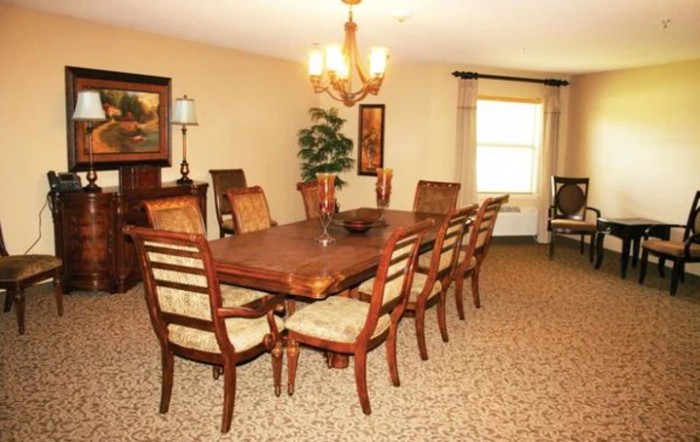
 Dining room
 Fitness room
 Fully furnished
 Gaming room
 Garden
 Housekeeping services
 Kitchenette
 Move-in coordination
 Outdoor space
 Private bathrooms
 Restaurant-style dining
 Small library
 Telephone
 Wellness center
 Wi-Fi/high-speed internet available
 Community operated transportation
 12-16 hour nursing
 24-hour call system
 Activities of daily living assistance
 Assistance with bathing
 Assistance with dressing
 Assistance with transfers
 Diabetes diet
 Medication management
 Mental wellness program
 Special dietary restrictions
 Concierge services
 Planned day trips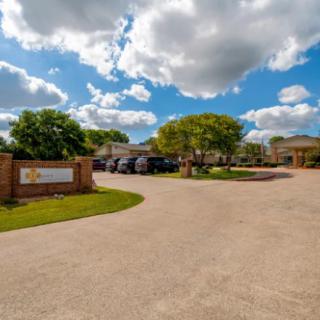


 Nurturing Our Loved Ones: A Daughter's Journey in Caring for Her Mother
 Nurturing Our Elders: Linda's Journey of Supporting Her Mother
 A Comprehensive Exploration of Common Misunderstandings about Powers of Attorney