

300 E Hospital St, Corrigan, TX 75939
To contact a resident: (936) 398-2548
For more information about senior living options: (866) 208-4318
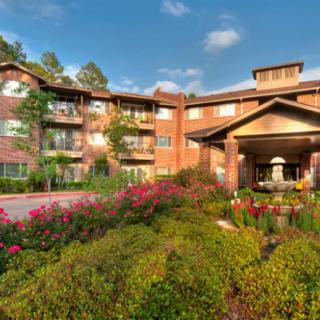
Overall Review of Pineywood Acres Nursing Home
Pros
 The staff are caring and committed, making Corrigan LTC a great place for healing and for loved ones to call home.
- The care, love, and compassion shown to residents are exceptional.
- Volunteers experience warmth, laughter, and love when they walk in.
- Jennifer, the activities director, demonstrates empathy and makes every resident feel valued.
- Resident engagement is incredible, with events that bring connection, joy, and spiritual nourishment.
- The therapy group is awesome, and the nursing staff are very caring and helpful in getting residents to the therapy gym.
- Families highly recommend Corrigan LTC for its compassionate care.
Cons
 The memory care/lockdown unit consists of one hallway with 14 rooms, and the staff member monitoring them sits in a chair and does nothing.
- The mother in the Alzheimer's unit is not getting showers because staff are short-handed.
- The nurse will not step from her post to answer the phone, leaving the family unable to reach the patient.
- The stepfather with severe Alzheimer's was treated poorly, and the staff were not certified or trained to handle dementia.
- After the agitation incident, Corrigan LTC sent him to a psychiatric unit far away and later said he could not return.
- They shipped their loved one four and a half hours away from his family and would not bring him back, showing a lack of care and compassion.
Review
Pineywood Acres Nursing Home in Corrigan, TX, is best suited for families seeking a small, home-like skilled-nursing setting where care teams deliver warmth, consistency, and heartfelt patient engagement. The facility earns its strongest endorsement from staff who are described as compassionate, attentive, and genuinely invested in residents’ well‑being. Reviewers repeatedly highlight a culture that feels personal: staff greet residents by name, attend to daily routines with empathy, and create moments of connection that feel more intimate than what is found in larger campuses. For families who prize a calm, intimate environment with robust social activity, spiritual nourishment, and a sense that healing happens through daily interactions, Pineywood Acres offers a compelling, practical fit.
That said, alternatives should be on the table for anyone whose loved one relies heavily on specialized dementia care, or whose needs require unwavering continuity and reliability in daily operations. The most serious caveat appears in a pair of negative experiences described by family members: concerns about memory care safety, staffing pinch points, and decisions that resulted in long-distance transfers or abrupt separations from family. These accounts raise legitimate questions about how the facility handles advanced dementia, agitation, or behavioral health needs, and about how consistently residents are monitored, how quickly calls are answered, and how well care plans are communicated and executed. Prospective families should closely weigh these risks against the positive, daily-life benefits the site usually delivers.
The core pros, an engaged activities program, deeply caring staff, and a genuine sense of “home”, do substantial work in offsetting many day-to-day care concerns. The activities director and therapy teams are repeatedly praised for creating meaningful, inclusive events that residents participate in with real energy and joy. That level of resident engagement translates into better mood, more social interaction, and a visibly more energized atmosphere than what might be found in facilities that rely on more routine, check-the-box programming. For families wanting their loved one to feel seen, valued, and included in a community, these factors can materially improve quality of life, sometimes compensating for smaller facility size or limited specialty programming elsewhere.
Where the tension lies is in the memory care environment and the way care disruptions were described. The memory care/lockdown unit is portrayed as unusually tight, one hallway, 14 rooms with double beds, and, in at least one account, monitored in ways that suggest routine rounds and proactive safety checks may be inconsistent. The most troubling claims center on lapses in basic care, long waits for contact with nursing staff, inadequate attention to showers, and a perception of insufficient training for dementia-specific needs. Even if these experiences are not universal, they are credible enough to demand careful scrutiny. For families considering Pineywood Acres, these concerns should drive a rigorous inquiry into staffing patterns, supervision, dementia-care training, and the facility’s escalation policies for agitation or behavioral challenges.
In practical terms, evaluating Pineywood Acres should start with a sharp focus on memory-care operations. Prospective residents and families should request current staffing ratios by shift, observe direct care moments, and ask for evidence of dementia-specific training, including crisis de-escalation, pharmacologic review, and personalized safety protocols. Require a transparent, in-writing care plan that ties daily activities to measurable goals, with clear accountability for missed showers or other care gaps. Tour the memory care area at different days and times, talk with current residents and their families, and examine incident reports or quality-improvement records. It is also prudent to verify the facility’s transfer policies, ensuring there is a documented, resident-centered plan for any need to relocate or return to the campus, and a clearly communicated process for family involvement in such decisions.
Ultimately, Pineywood Acres presents a compelling option for families who value genuine warmth, structured activity, and a small, home-like feel. The highs are tangible: staff who feel like a true extension of the family, care that is attentive, and an environment that encourages connection and spiritual nourishment. Those positives can create a strong, stabilizing daily experience for many residents, particularly when memory-care needs are moderate and the emphasis remains on personal dignity and social engagement. However, the negative experiences cited by some families, especially around dementia care practices, safety monitoring, and long-distance transfers, cannot be dismissed. These concerns, if realized for a resident, could erode the trust and continuity essential to long-term placement.
In the end, a realistic verdict rests on the specific needs of the resident and the family’s tolerance for risk versus reward. For seniors whose care plan centers on daily engagement, meaningful activities, and a tight-knit community, Pineywood Acres can be an excellent match. For those with significant memory-care requirements, a history of agitation, or a demand for consistently transparent operations and guaranteed continuity, it is wise to investigate alternatives that emphasize stronger dementia programming, more robust staffing coverage, and firmer regional ties to avoid disruptive transfers. A decisive choice should come after a candid on-site evaluation, a close look at the latest care plans and staffing data, and direct conversations with current families about how well the facility keeps promises in moments of high need.
 Skilled Nursing Facility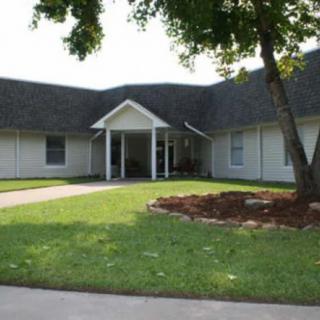




 Comprehensive Guide to Qualifying for Home Health Care Services
 Powerful Realities of Elder Abuse and the Most Effective Ways to Report It
 Ten Vital Duties of a Senior Caregiver: A Comprehensive Guide