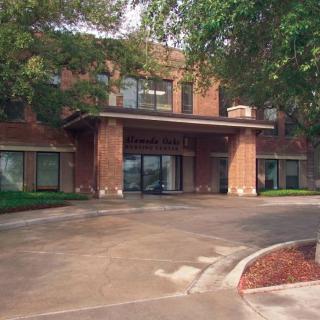
Christus Spohn Hospital - Corpus Christi

2606 Hospital Bvld, Corpus Christi, TX 78405

For more information about senior living options: (844) 490-3973

2.9 from 73 reviews
5 stars
29
4 stars
4
3 stars
2
2 stars
4
1 stars
34

Skilled Nursing Facility

What level of care are you interested in?

Assisted Living

Memory Care

Independent Living

Skilled Nursing Facility

Continuing Care Retirement Community (CCRC)CCRC

Other


Request a tour at Christus Spohn Hospital - Corpus Christi

    Overall Review of Christus Spohn Hospital - Corpus Christi

    Pros

    • pro The staff were awesome; every nurse, doctor, and staff member encountered were friendly and helpful, and the facility was clean and met expectations.
    • pro The doctors and nurses were quick to admit and treat patients, and they clearly explained the tests and results.
    • pro The people at the hospital were wonderful and very nice, and they would be recommended for care.
    • pro They saved the patient's life and provided the best care imaginable.
    • pro The ER staff, including technician Cali and Dr. Harrell, were excellent.
    • pro The care was top-notch.
    • pro The security staff were nice and patients were treated with courtesy.

    Cons

    • pro They believe the hospital is a "learning hospital" that lies, doesn't teach, rotates doctors, discredits patients, and just pushes pills.
    • pro They allege that Selena Quintanilla died there and criticize the facility for not saving her.
    • pro They see it as a pharmaceutical pill pusher that cares more about money than patient care.
    • pro They experienced a four-hour ER wait and felt front desk staff kept them waiting on a bed, with staff only responding if they threatened to leave.
    • pro They criticized ER physician Sean Hutzler as abrupt, lacking empathy, and unprofessional.
    • pro They claim they were discharged without consent and without proper treatment by Dr. Peter J. Whitney-Cashio.
    • pro They contend the hospital contributed to their father's death and that family members were not informed promptly.
    • pro They describe the overall care as horrible, alleging gaslighting and discrediting of their illness.
    • pro They report unprofessional and uncourteous phone interactions with staff when asking about a patient.
    • pro They urge others to avoid the hospital and go through a primary care provider, accusing the facility of only wanting your money.
    • pro They warn to avoid Spohn due to a lack of psychiatrists and mental health resources.
    • pro They describe some staff as rude and lazy, noting a lack of cleaning and failure to provide instructions (e.g., for a spider bite).

    Review

    The collection of remarks about this hospital paints a picture of a facility that many people view as a mixed bag: at times life-saving and attentive, at other times frustrating, disheartening, or even alienating. Several reviewers describe a learning-hospital environment where patient continuity is difficult to maintain because doctors rotate frequently, and where it can feel like a constant push toward medications rather than a careful search for underlying causes. A recurring theme is that, for some patients, conversations about illness become overshadowed by quick prescriptions or a sense that their concerns aren't fully heard. One caller even frames the experience as a progression from a disputed "$1,000 drug test" to denial of illness and then to a default reliance on pills, suggesting a pattern of over-testing or over-treating without addressing root problems. The sentiment across many accounts is that the medical system here can feel more transactional than exploratory, more focused on pharmaceutical solutions than on thorough diagnosis.

    Alongside the broader critique of care style, there are persistent complaints about communication and bedside manner. Several reviewers mention gaslighting or discrediting their reports of symptoms, as if a patient's lived experience is discounted in favor of a standard script or a quick fix. The frustration extends to the logistics of care: long waits in the ER, a sense that staff are overwhelmed or dismissive, and front-desk or phone interactions described as unhelpful or curt. The feeling that a patient's concerns get lost in administrative noise is echoed by those who felt they were treated more like a problem to be managed than a person with a legitimate medical worry. A common thread is the perception that the facility tends to push medications - sometimes aggressively - without first pursuing imaging, specialist consultation, or a deeper investigation into potential root causes of symptoms, whether wrist pain, inner-ear issues, or other problems.

    Interwoven with the criticisms are stark, sometimes painful references to a well-known figure associated with the hospital's history and to the broader public perception of the place. Some reviews clearly connect the hospital to Selena Quintanilla, recounting mixed feelings about how staff interacted with her case. A few accounts praise efforts to assist her or to save her life, while others express deep regret that she did not survive, or that the care she received wasn't enough. The juxtaposition of these notes - praises about compassionate attempts from nurses and doctors on one hand, and stern, even accusatory statements on the other - highlights how emotionally charged and memorable these experiences can be, especially when a patient's loved one is celebrated or mourned in the context of hospital care.

    There are, of course, also positive stories that offer a counterbalance to the critique. Several reviewers commend individual clinicians, nurses, and technicians who were kind, clear, and competent. Specific mentions include an ER tech named Cali and a physician named Harrell, described as providing top-notch care, with nurses and staff who were consistently helpful and communicative about processes and results. Some patients describe the facility as clean, organized, and capable of delivering life-saving intervention when the situation demanded it. There are accounts of moments when care felt truly person-centered: staff who listened, who explained procedures and tests, and who contributed to a sense of reassurance during crises. In some cases, these positive experiences are tied to dramatic improvements in a loved one's condition, reinforcing that the hospital can indeed be a place of skilled and compassionate care when everything aligns well.

    At the same time, the experience with individual clinicians is a mixed bag. A number of reviewers recount encounters with physicians who they felt were dismissive, overly aggressive, or disrespectful. One widely cited example is a doctor named Whitney-Cashio Peter J, MD, who is described as unprofessional, rude, and even violating patient rights by discharging a patient without consent. Other accounts point to similarly blunt or unsympathetic behavior, a sense of lecturing rather than listening, and a perception that some doctors are more interested in paperwork or dismissing patient narratives than in providing empathetic, collaborative care. The ER is described by some as a battleground of long waits and uneven responses, with at least one account labeling a physician as lacking empathy and humanity. These individual experiences strongly color overall impressions, especially when patients feel dismissed during pain or distress.

    A notable thread concerns access to psychiatry and mental-health care. Several reviews mention that the hospital claimed to offer more than an inpatient psychiatric program, only to deny that such a commitment existed once the patient arrived or to find themselves without available psychiatric specialists when needed. That gap - between what was communicated as available and what was actually provided - creates a sense of misrepresentation and helplessness for families seeking appropriate mental-health support. The collective memory here is of a system that sometimes promises more than it can deliver in this area, leaving patients and relatives unsure about where to turn for appropriate help when psychiatric care is needed.

    Overall, the comments oscillate between praise and critique in a way that underscores the complexity of hospital care. There are heartfelt expressions of gratitude from families whose loved ones were stabilized or saved, and there are equally earnest admonitions from those who feel misled, unheard, or overmedicated. Several reviews advise prospective patients to approach care through their primary care provider when possible, to seek second opinions, or to insist on clear explanations and involvement in decision-making. The recurring message is that this is a learning hospital with real strengths in some departments and real weaknesses in others, where patient experiences can vary dramatically from one encounter to the next. The underlying theme is a call for better communication, more consistent patient advocacy, and a more balanced approach to diagnosing, testing, and treating - one that honors the patient's voice as much as the clinical expertise involved.

    Features

    Housing

    • 11 resident community capacity 11 resident community capacity

    Types of Care

    • Skilled Nursing Facility Skilled Nursing FacilitySkilled Nursing Facilities are crucial for seniors as they provide round-the-clock medical care, rehabilitation services, and assistance with daily activities. These facilities ensure that seniors receive the specialized care they need to maintain their health and well-being as they age.

    Amenities

    • Cable or satellite TV Cable or satellite TVCable or satellite TV is important for seniors because it provides entertainment, news, and companionship, helping to combat loneliness and boredom. It also offers a wide range of programming options tailored to different interests and preferences.
    • Dining room Dining roomDining rooms are important for seniors as they provide a space for socialization, connection, and nutritious meals. They offer opportunities for residents to bond over shared meals, foster a sense of community, and promote healthy eating habits. Dining rooms also ensure that seniors have access to well-balanced meals tailored to their dietary needs and preferences.
    • Fully furnished Fully furnishedFully furnished senior living communities are important for seniors because they provide convenience, comfort, and a hassle-free moving experience. Seniors can easily settle into their new living space without the stress of having to buy and move furniture. This allows them to focus on enjoying their new home and community.
    • Garden GardenGardens are important for seniors as they provide a peaceful and therapeutic environment for relaxation, physical activity, and socialization. Being in nature has been shown to reduce stress, improve mood, and promote overall well-being. Gardens also offer opportunities for seniors to engage in gardening activities, which can improve mobility, flexibility, and cognitive function. Additionally, gardens create a sense of community and connection with others who share a passion for plants and outdoor spaces.
    • Housekeeping services Housekeeping servicesHousekeeping services are important for seniors because they help maintain a clean and safe living environment, promote independence, and reduce the risk of accidents or illnesses. Additionally, having assistance with household chores can alleviate physical strain and allow seniors to focus on other aspects of their well-being.
    • Move-in coordination Move-in coordinationMove-in coordination is important for seniors because it helps ease the transition into their new living environment. It ensures that all logistics, such as packing, organizing movers, and setting up utilities are taken care of, allowing seniors to focus on settling in and adjusting to their new home. Having a smooth move-in process can alleviate stress and anxiety, making the transition smoother and more enjoyable for seniors.
    • Outdoor space Outdoor spaceOutdoor spaces are important for seniors as they provide opportunities for physical activity, social interaction, exposure to natural light and fresh air, and a sense of connection to nature. Having access to outdoor spaces can improve overall well-being and quality of life for older adults living in senior communities.
    • Telephone TelephoneTelephones are important for seniors as they provide a lifeline for communication with loved ones, emergency services, and healthcare providers. They offer a sense of security and independence, enabling seniors to stay connected and access assistance when needed.
    • Wi-Fi/high-speed internet available Wi-Fi/high-speed internet availableWi-Fi/high-speed internet is important for seniors to stay connected with loved ones, access online resources, and participate in virtual activities to combat feelings of loneliness and isolation. It also allows them to easily manage healthcare needs, access entertainment, and engage in lifelong learning opportunities.

    Transportation

    • Corpus Christi International (5 miles away) Corpus Christi International (5 miles away)

    Care Services

    • 24-hour supervision 24-hour supervision24-hour supervision is important for seniors to ensure their safety, well-being, and access to immediate assistance in case of emergencies or health issues. This constant support provides peace of mind for both seniors and their loved ones, allowing them to age in place with dignity and security.
    • Activities of daily living assistance Activities of daily living assistanceActivities of daily living assistance are important for seniors because they provide essential support with tasks such as eating, bathing, dressing, and mobility. This assistance helps seniors maintain their independence, dignity, and overall quality of life as they age.
    • Assistance with bathing Assistance with bathingAssistance with bathing is crucial for seniors as it helps maintain personal hygiene, prevents infections, and ensures their overall well-being and comfort. It also provides a sense of dignity and independence for seniors who may struggle with this task on their own.
    • Assistance with dressing Assistance with dressingAssistance with dressing is important for seniors because it helps maintain their independence, promotes personal hygiene, prevents accidents and injuries, and improves overall quality of life. This service ensures that seniors can continue to dress comfortably and confidently, despite any physical limitations they may have.
    • Assistance with transfers Assistance with transfersAssistance with transfers is crucial for seniors as it helps prevent falls and injuries, maintains their independence, and ensures they can safely navigate their living environment. It also provides peace of mind for both seniors and their loved ones.
    • Diabetes diet Diabetes dietA diabetes diet is crucial for seniors as it helps manage blood sugar levels, reduce risks of complications, and improve overall health and well-being. By following a balanced and nutritious diet tailored to their specific needs, seniors can better control their diabetes and enhance their quality of life.
    • Meal preparation and service Meal preparation and serviceMeal preparation and service are crucial for seniors as they may have limited mobility or energy to cook nutritious meals. Having access to healthy and convenient food options can ensure they are getting the proper nutrition needed to maintain their overall health and well-being.
    • Medication management Medication managementMedication management is crucial for seniors to ensure they are taking the right medications at the correct dosages and times. This helps prevent adverse drug interactions, reduces the risk of medication errors, and promotes overall health and well-being. Proactive management also allows for adjustments as needed based on changing health conditions or new prescriptions.
    • Special dietary restrictions Special dietary restrictionsSpecial dietary restrictions are important for seniors because age-related changes in metabolism and health conditions can make it difficult for their bodies to process certain foods. By following a diet tailored to their specific needs, seniors can maintain their overall health and well-being, manage chronic conditions, and reduce the risk of complications such as malnutrition or food interactions with medications.

    Dining

    • Diabetes diet Diabetes dietA diabetes diet is crucial for seniors as it helps manage blood sugar levels, reduce risks of complications, and improve overall health and well-being. By following a balanced and nutritious diet tailored to their specific needs, seniors can better control their diabetes and enhance their quality of life.
    • Special dietary restrictions Special dietary restrictionsSpecial dietary restrictions are important for seniors because age-related changes in metabolism and health conditions can make it difficult for their bodies to process certain foods. By following a diet tailored to their specific needs, seniors can maintain their overall health and well-being, manage chronic conditions, and reduce the risk of complications such as malnutrition or food interactions with medications.

    Activities

    • Community-sponsored activities Community-sponsored activitiesCommunity-sponsored activities are important for seniors as they provide opportunities for social interaction, mental stimulation, and physical activity. These activities can help improve overall well-being, combat loneliness and isolation, and promote a sense of belonging and purpose among older adults.
    • Scheduled daily activities Scheduled daily activitiesScheduled daily activities are important for seniors because they provide structure, socialization, mental stimulation, and physical activity. Engaging in regular activities can improve overall well-being and quality of life for seniors living in a community setting.

    Description

    The Christus Spohn Hospital - Corpus Christi in Corpus Christi, TX offers an assisted living community with a range of amenities and care services to meet the needs of seniors. The community provides a comfortable and fully furnished living environment, where residents can enjoy delicious meals in the dining room or have their dietary restrictions accommodated. Additionally, housekeeping services ensure that the living spaces are always clean and well-maintained.

    Residents can also take advantage of the outdoor spaces, including a beautiful garden, to relax and enjoy fresh air. Wi-Fi/high-speed internet access is available throughout the community for residents to stay connected with family and friends.

    The dedicated caregiving staff at Christus Spohn Hospital - Corpus Christi provide assistance with activities of daily living such as bathing, dressing, and transfers. They also offer diabetes diet management and medication management for those who require it. Meal preparation and service are provided to ensure that residents are well-nourished and receive proper nutrition.

    Engaging activities are scheduled daily for residents to participate in, promoting social interaction and overall wellbeing. Additionally, there are several nearby amenities within close proximity to the community, including cafes, parks, pharmacies, physicians' offices, restaurants, transportation services, places of worship, theaters, and hospitals.

    Overall, the assisted living community at Christus Spohn Hospital - Corpus Christi provides a supportive and comfortable environment where seniors can receive personalized care while enjoying a range of amenities and nearby conveniences.

    Nearby Places of Interest

    Physicians

    • Radiation Oncology Center of Corpus Christi (0.1 miles)
    • Texas Bariatric Specialists (0.1 miles)
    • DaVita Morgan Avenue Dialysis (0.1 miles)
    • Morgan Pediatrics Center 2418 Morgan Avenue (0.2 miles)
    • Robert Vela (0.2 miles)
    • Dickson Efrain O (0.2 miles)
    • Corpus Christi Radiology Center (0.7 miles)

    Pharmacies

    • Walgreens (0.2 miles)
    • Port Avenue Drug (0.4 miles)
    • Deleon's Clinic Pharmacy (1.1 miles)
    • CVS Pharmacy (2 miles)
    • Hme Pharmacy (2.3 miles)
    • Walgreens (2.5 miles)
    • Hamlin Pharmacy (3.3 miles)

    Hospitals

    • Nueces County Hospital District (0.2 miles)
    • Dialysis (1 miles)
    • CHRISTUS Dubuis Hospital of Corpus Christi (1.2 miles)
    • Veteran's Administration Outpatient Healthcare Clinic (3.1 miles)
    • Nueces County Hospital District (3.8 miles)

    Cafes

    • Bien Mérité (0.8 miles)
    • Hester's Cafe (0.9 miles)
    • Ali's Cafe (2.2 miles)
    • Starbucks (3.1 miles)

    Restaurants

    • Agave Jalisco (0.8 miles)
    • King Seafood (0.9 miles)
    • Taqueria Alteno 1 (1 miles)
    • Las Milpas (1 miles)
    • KFC (1.2 miles)
    • Frank's Spaghetti House (1.2 miles)
    • U & I Restaurant (1.3 miles)

    Places of Worship

    • Episcopal Church of the Good Shephard (1.1 miles)
    • St Nicholas Greek Orthodox Church (1.2 miles)

    Transportation

    • Corpus Christi Regional Transportation Authority (1.4 miles)

    Theaters

    • Starplex Corpus Christi Stadium 16 (3.3 miles)

    Parks

    • South Pope Park (3.6 miles)
    • North Pope Park (3.8 miles)
    • Los Encinos Park (4 miles)

    Frequently Asked Questions

    Where is Christus Spohn Hospital - Corpus Christi?

    Nearby Communities

    Related Resources

    • elderly fall preventionComprehensive Insights and Practical Strategies to Help Older Adults Avoid Falls

      The article highlights the high risk of falls among older adults due to factors like muscle weakness, vision issues, and environmental hazards, with one in four experiencing a fall annually. It advocates for a comprehensive prevention approach that includes exercise, home safety modifications, medication management, social support, and caregiver involvement.

    • what does an elder law attorney do6 Crucial Ways an Elder Law Attorney Assists Families

      Elder law attorneys assist older adults and their families with legal matters such as estate planning, Medicaid eligibility, and guardianships, while also providing protection against elder abuse. They help navigate complex regulations to safeguard financial resources, ensure well-being, and maintain autonomy for seniors.

    • tax implications of parent living with youNavigating the Tax Landscape of Caregiving: Credits, Deductions, and Beyond

      Caregiving for an aging parent entails emotional and financial responsibilities accompanied by significant tax implications, including potential benefits from claiming them as dependents and deductions for medical expenses and caregiving costs. Caregivers must understand eligibility requirements, maintain thorough documentation, and consider consulting a tax professional to navigate these complexities effectively.


    Get Pricing Ask A Question Schedule A Tour Contact Senior Advisor