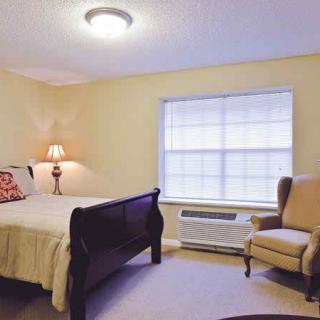
Focused Care At Summer Place

Save
Focused Care At Summer Place Focused Care At Summer Place

Focused Care At Summer Place

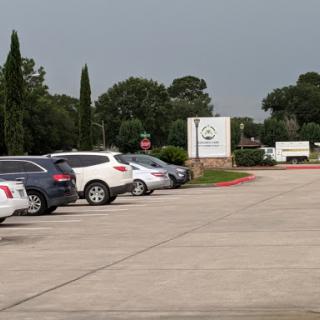
2485 South Major Drive, Beaumont, TX 77707

For more information about senior living options: (844) 490-3973

3.4 from 36 reviews
5 stars
17
4 stars
4
3 stars
2
2 stars
1
1 stars
12

Skilled Nursing Facility

What level of care are you interested in?

Assisted Living

Memory Care

Independent Living

Skilled Nursing Facility

Continuing Care Retirement Community (CCRC)CCRC

Other


Request a tour at Focused Care At Summer Place

    Overall Review of Focused Care At Summer Place

    Pros

    • pro The staff are very passionate, knowledgeable, and provide great care.
    • pro The rehab department is awesome with several successful rehab-to-home stories.
    • pro Nurses go above and beyond to ensure all residents are well cared for and concerns are handled promptly.
    • pro Residents are happy and thoroughly enjoy the activities organized by the Activity Director Yo-Yo.
    • pro The staff are very friendly and caring; Nadine Morris keeps everything clean and smelling great.
    • pro When providing top-notch care, staff across housekeeping, dietary, nursing, activities, and admin come together as a team to ensure each resident gets the best care possible.

    Cons

    • pro The front desk staff appeared disengaged, occupied with an iPad, and did not greet visitors or inquire about their purpose.
    • pro Wet floors in the entry during morning hours created a safety risk for elderly patients and visitors.
    • pro Full patient names were displayed outside rooms, raising HIPAA/privacy concerns.
    • pro Several patient room doors were left open, exposing patients and compromising their privacy and dignity.
    • pro No staff checked in with the grandmother upon arrival; she waited for hours after repeatedly using the call light.
    • pro The call light went unanswered for hours, leading her to turn it off in frustration.
    • pro The linens provided were stained and unacceptable.
    • pro There was limited information about her care plan, and she had not been fully admitted.
    • pro Staff responses when asked about concerns were unprofessional and dismissive.
    • pro Insurance approvals for transfer caused delays and space at other facilities was limited.
    • pro The nurse could not provide meaningful information about the patient's condition.
    • pro The patient did not receive water for more than six hours.
    • pro Requests for clean sheets took two hours, and the sheets were stained and dirty.
    • pro The call light remained unanswered for about 40 minutes.
    • pro Other residents were exposed due to open doors; some residents were naked.
    • pro Food was served cold and condiments were missing from trays.
    • pro There were no phones in the therapy room; towels and gowns were dirty on the bathroom floor.
    • pro The facility should be shut down due to dangerous conditions and lack of care.
    • pro Staff showed attitude when questioned, indicating poor accountability.
    • pro A resident was not fed and had a dirty diaper while staff knew.
    • pro Several staff members were seen idling on their phones instead of assisting residents.
    • pro A resident was found stranded outside in the heat, dehydrated, with no record of admissions/discharges.
    • pro The facility's care was described as neglectful, contributing to a family member's death.
    • pro Reviewers would not trust this facility with a loved one and advise choosing elsewhere.
    • pro The facility lacks adequate staffing to care for all residents.

    Review

    Families sharing their experiences with rehabilitation facilities paint a complex picture: moments of compassion and competence among some staff, shadowed by recurring concerns about safety, privacy, responsiveness, and overall quality of care. The testimonies collectively reveal a setting where a few dedicated employees strive to provide good care, but where systemic gaps and inconsistent practices leave many residents and their loved ones feeling neglected, disrespected, or unsafe at critical moments. The range of observations touches every stage of a stay - from the moment of arrival through daily care, and even in the moments surrounding transitions and, in some heartbreaking cases, outcomes.

    Upon arrival, several visitors described an impression of disconnect and distraction. They were not promptly acknowledged or greeted, with at least one front-desk staff member seemingly engaged with a personal device rather than attending to visitors or addressing their purpose for being there. The environment also raised safety concerns early on: a housekeeping staff member mopping in the entryway during a busy, high-traffic period with a wet floor sign in place. The combination of wet floors and the morning rush created a real risk for slips and falls, particularly for elderly visitors and residents who may have mobility or balance challenges. These initial experiences set a tone that many families found troubling, even before the more sensitive issues within the clinical environment came under scrutiny.

    Another prominent thread centers on patient privacy and dignity. Several reviews noted that full patient names were visibly posted outside doors, which raises HIPAA concerns and privacy issues. More troubling still were observations of several patient room doors being left open and residents exposed in ways that compromised their privacy and dignity. These details contributed to a perception that the facility was not prioritizing patient confidentiality or a respectful, secure atmosphere, especially for individuals who are already vulnerable and reliant on staff for protection and advocacy.

    Within patient rooms, families reported a mixed reality of care. In one account, a grandmother stated that no staff had checked in since her arrival, and that she had used a call light multiple times without timely response - only to become frustrated and turn the light off after waiting for hours. The linens provided were described as stained, which many families read as a signal of substandard housekeeping and overall quality of care. A nurse eventually did visit and clarified that the patient had not yet been fully admitted, and that there was limited information available about her care plan. This lack of clarity left family members doubting whether the patient was receiving appropriate attention or simply occupying a bed for administrative or billing purposes.

    Communication at the care level also drew critique. There were moments when family members overheard a patient's name at the nurses' station, followed by dismissive or unprofessional responses when they asked if there were concerns or needs. The frustration was compounded by explanations that transfer or discharge depended on insurance approvals and the availability of space at other facilities, a process that could involve delays with real-world consequences for residents who require timely interventions or safer placements.

    Beyond these individual experiences, a broader mosaic of reviews painted a more severe picture in other cases. Some accounts used strong language, describing the facility as "horrible," with staff described as rude and uncaring toward residents and families. Specific grievances included extended delays in basic needs such as drinking water, difficulty obtaining clean sheets or bedding, and repeatedly unaddressed call lights. Others recounted scenes of dirty or stained towels and gowns, cold food that arrived inadequately prepared, and a therapy area that lacked basic amenities like phones. There were reports of residents left in uncomfortable or unsafe conditions, including a widely cited instance of a lady found stranded outside in heat near a shopping center, with caregivers seemingly unaware of her location or status. In one particularly devastating account, a family member described the death of a loved one in which they believed the staff's slow response contributed to a fatal outcome, including allegations of delayed oxygen access and a sense that no one was adequately monitoring the patient's condition. Taken together, these stories convey a perception of systemic neglect, uneven staffing, and accountability gaps that can have life-altering consequences for residents and families alike.

    Amid the negative experiences, several reviews highlighted pockets of excellence that offer a hopeful counterpoint. A number of commenters praised staff who demonstrated genuine care and professionalism, noting that some departments - particularly rehabilitation - delivered tangible improvements and encouraging outcomes. The rehab team was frequently described as capable and compassionate, with several stories of residents achieving meaningful progress and returning home. Activity Directors, such as Yo-Yo, were singled out for creating engaging programming that residents appreciated, while others emphasized how the overall staff team could come together to prioritize safety and well-being. The presence of passionate, knowledgeable nurses and devoted housekeeping and dietary staff was repeatedly cited as a bright spot in an otherwise challenging picture. A few reviewers also conveyed pride in particular facilities - Summer Place, for example - where they felt the environment and the care culture deserved recognition. Cleanliness and a reassuring sense of order were praised in some accounts, with comments about dedicated staff who kept spaces orderly and smelling fresh, suggesting that strong individual contributions can make a meaningful difference even when broader systemic issues persist.

    Taken as a whole, the collection of reviews suggests that this rehabilitation environment is a mixed landscape. There are unmistakable strengths: moments of empathetic, skilled care; committed professionals who work hard to support residents and their families; and rehabilitative programs that yield real, positive outcomes. At the same time, there are pervasive and deeply concerning concerns about privacy, safety, timely responsiveness, cleanliness, and the consistency of care. Privacy breaches, delayed responses to call lights, and questions about admission status and care planning point to significant opportunities for improvement in how information is communicated, how residents are monitored, and how families can trust that a facility is actively prioritizing their loved ones' well-being.

    For families considering this facility, the experiences shared here offer a broad guide to what to look for and ask about. Visiting in person to observe interactions among staff, residents, and clinicians can be crucial. Inquiries about call-light response times, WIFI or communication resources in therapy spaces, and visible privacy protections (such as minimization of patient identifiers in public areas) can help families assess whether the environment aligns with their safety and dignity expectations. Additionally, asking for a clear, written care plan and a timetable for admissions and transfers can provide a more concrete sense of how care will be managed and how problems will be escalated and resolved. While the positive accounts provide reassurance that some residents benefit from capable teams and meaningful activities, the negative experiences underscore the essential need for accountability, consistent training, and a culture that consistently centers the resident's health, privacy, and dignity above all else.

    Features

    Housing

    • 132 resident community capacity 132 resident community capacity

    Types of Care

    • Skilled Nursing Facility Skilled Nursing FacilitySkilled Nursing Facilities are crucial for seniors as they provide round-the-clock medical care, rehabilitation services, and assistance with daily activities. These facilities ensure that seniors receive the specialized care they need to maintain their health and well-being as they age.

    Amenities

    • Air-conditioning Air-conditioningAir conditioning is important for seniors as they are more vulnerable to heat-related illnesses and may have underlying health conditions that make it difficult for them to regulate their body temperature. It helps to keep them comfortable, safe, and healthy in hot weather.
    • Beauty salon Beauty salonBeauty salons are important for seniors because they provide a space for them to feel pampered, socialize, and maintain their personal grooming and hygiene. Regular visits to a beauty salon can help boost seniors' self-esteem and overall well-being.
    • Cable or satellite TV Cable or satellite TVCable or satellite TV is important for seniors because it provides entertainment, news, and companionship, helping to combat loneliness and boredom. It also offers a wide range of programming options tailored to different interests and preferences.
    • Computer center Computer centerA computer center is essential for seniors as it provides access to technology, communication tools, and resources that can enhance their daily lives. It allows them to stay connected with loved ones, engage in online activities, and learn new skills, ultimately promoting socialization and mental stimulation.
    • Dining room Dining roomDining rooms are important for seniors as they provide a space for socialization, connection, and nutritious meals. They offer opportunities for residents to bond over shared meals, foster a sense of community, and promote healthy eating habits. Dining rooms also ensure that seniors have access to well-balanced meals tailored to their dietary needs and preferences.
    • Fitness room Fitness roomHaving a fitness room in a senior living community is essential for seniors to stay active, maintain their physical health, and improve their overall well-being. Regular exercise can help prevent falls, reduce the risk of chronic diseases, and promote mental sharpness. It also provides social opportunities for residents to connect with others and enjoy a sense of community.
    • Fully furnished Fully furnishedFully furnished senior living communities are important for seniors because they provide convenience, comfort, and a hassle-free moving experience. Seniors can easily settle into their new living space without the stress of having to buy and move furniture. This allows them to focus on enjoying their new home and community.
    • Gaming room Gaming roomGaming rooms are important for seniors as they provide a fun and engaging environment for socializing, cognitive stimulation, and physical activity. Games can improve memory, problem-solving skills, and overall mental well-being while fostering friendships and reducing feelings of isolation.
    • Garden GardenGardens are important for seniors as they provide a peaceful and therapeutic environment for relaxation, physical activity, and socialization. Being in nature has been shown to reduce stress, improve mood, and promote overall well-being. Gardens also offer opportunities for seniors to engage in gardening activities, which can improve mobility, flexibility, and cognitive function. Additionally, gardens create a sense of community and connection with others who share a passion for plants and outdoor spaces.
    • Housekeeping services Housekeeping servicesHousekeeping services are important for seniors because they help maintain a clean and safe living environment, promote independence, and reduce the risk of accidents or illnesses. Additionally, having assistance with household chores can alleviate physical strain and allow seniors to focus on other aspects of their well-being.
    • Kitchenette KitchenetteKitchenettes are important for seniors living in senior living communities because they provide the convenience and independence of being able to prepare simple meals and snacks in the comfort of their own living space. This can help promote a sense of autonomy and well-being for seniors, allowing them to maintain some level of control over their dietary choices and daily routines.
    • Move-in coordination Move-in coordinationMove-in coordination is important for seniors because it helps ease the transition into their new living environment. It ensures that all logistics, such as packing, organizing movers, and setting up utilities are taken care of, allowing seniors to focus on settling in and adjusting to their new home. Having a smooth move-in process can alleviate stress and anxiety, making the transition smoother and more enjoyable for seniors.
    • Outdoor space Outdoor spaceOutdoor spaces are important for seniors as they provide opportunities for physical activity, social interaction, exposure to natural light and fresh air, and a sense of connection to nature. Having access to outdoor spaces can improve overall well-being and quality of life for older adults living in senior communities.
    • Private bathrooms Private bathroomsPrivate bathrooms are important for seniors in senior living communities because they provide independence, dignity, and comfort. Having a private bathroom allows seniors to maintain their personal hygiene routines without the need for assistance, promoting a sense of autonomy and privacy. Additionally, private bathrooms help prevent the spread of infections and provide a safe and clean environment for seniors to navigate safely.
    • Restaurant-style dining Restaurant-style diningRestaurant-style dining is important for seniors because it allows them to enjoy delicious, nutritious meals in a social and upscale setting. This enhances their dining experience, promotes healthy eating habits, and fosters socialization with fellow residents, ultimately contributing to their overall well-being and quality of life.
    • Small library Small librarySmall libraries are important for seniors as they provide access to a variety of reading materials, including books, newspapers, and magazines. This can help stimulate their minds, keep them engaged, and provide a sense of community through book clubs and other social activities. Additionally, reading has been shown to improve cognitive function and overall mental well-being in older adults.
    • Telephone TelephoneTelephones are important for seniors as they provide a lifeline for communication with loved ones, emergency services, and healthcare providers. They offer a sense of security and independence, enabling seniors to stay connected and access assistance when needed.
    • Wellness center Wellness centerWellness centers are important for seniors because they offer a variety of programs and services that promote physical, mental, and emotional well-being. These centers provide opportunities for exercise, socialization, education, and relaxation, helping seniors maintain their overall health and quality of life.
    • Wi-Fi/high-speed internet available Wi-Fi/high-speed internet availableWi-Fi/high-speed internet is important for seniors to stay connected with loved ones, access online resources, and participate in virtual activities to combat feelings of loneliness and isolation. It also allows them to easily manage healthcare needs, access entertainment, and engage in lifelong learning opportunities.

    Transportation

    • Southeast Texas Regional (12 miles away) Southeast Texas Regional (12 miles away)
    • Community operated transportation Community operated transportationCommunity operated transportation is crucial for seniors as it provides them with the means to access essential services, social activities, and medical appointments. It allows seniors to maintain their independence and quality of life by ensuring they can participate in activities outside of their homes. Additionally, community-operated transportation services offer a safe and reliable way for seniors to travel without having to rely on family or friends for assistance.
    • Transportation arrangement Transportation arrangementTransportation arrangements are crucial for seniors as they may face challenges with driving, mobility, or access to public transportation. Having reliable transportation services ensures that seniors can easily attend appointments, social activities, and maintain their independence and quality of life.
    • Transportation arrangement (non-medical) Transportation arrangement (non-medical)Transportation arrangements are essential for seniors as they provide access to essential services, activities, and social interactions outside the home. This service helps maintain independence, mobility, and overall well-being for seniors who may have limited transportation options.
    • Transportation to doctors appointments Transportation to doctors appointmentsTransportation to doctors appointments is crucial for seniors as it ensures they have access to necessary medical care and support, promoting their health and well-being. It allows them to receive timely treatment, monitor existing conditions, and address any new health concerns efficiently. Additionally, transportation services can help seniors maintain their independence and quality of life by enabling them to stay connected with their healthcare providers.

    Care Services

    • 12-16 hour nursing 12-16 hour nursing12-16 hour nursing care is crucial for seniors in order to ensure around-the-clock monitoring, timely medication administration, and prompt response to any health concerns or emergencies. This level of care helps to promote the overall well-being and safety of seniors living in senior living communities.
    • 24-hour call system 24-hour call system24-hour call systems are important for seniors because they provide peace of mind and immediate assistance in case of emergencies. This technology ensures that help is always available, promoting safety and security for elderly individuals living alone or in assisted living facilities.
    • 24-hour supervision 24-hour supervision24-hour supervision is important for seniors to ensure their safety, well-being, and access to immediate assistance in case of emergencies or health issues. This constant support provides peace of mind for both seniors and their loved ones, allowing them to age in place with dignity and security.
    • Activities of daily living assistance Activities of daily living assistanceActivities of daily living assistance are important for seniors because they provide essential support with tasks such as eating, bathing, dressing, and mobility. This assistance helps seniors maintain their independence, dignity, and overall quality of life as they age.
    • Assistance with bathing Assistance with bathingAssistance with bathing is crucial for seniors as it helps maintain personal hygiene, prevents infections, and ensures their overall well-being and comfort. It also provides a sense of dignity and independence for seniors who may struggle with this task on their own.
    • Assistance with dressing Assistance with dressingAssistance with dressing is important for seniors because it helps maintain their independence, promotes personal hygiene, prevents accidents and injuries, and improves overall quality of life. This service ensures that seniors can continue to dress comfortably and confidently, despite any physical limitations they may have.
    • Assistance with transfers Assistance with transfersAssistance with transfers is crucial for seniors as it helps prevent falls and injuries, maintains their independence, and ensures they can safely navigate their living environment. It also provides peace of mind for both seniors and their loved ones.
    • Diabetes diet Diabetes dietA diabetes diet is crucial for seniors as it helps manage blood sugar levels, reduce risks of complications, and improve overall health and well-being. By following a balanced and nutritious diet tailored to their specific needs, seniors can better control their diabetes and enhance their quality of life.
    • Meal preparation and service Meal preparation and serviceMeal preparation and service are crucial for seniors as they may have limited mobility or energy to cook nutritious meals. Having access to healthy and convenient food options can ensure they are getting the proper nutrition needed to maintain their overall health and well-being.
    • Medication management Medication managementMedication management is crucial for seniors to ensure they are taking the right medications at the correct dosages and times. This helps prevent adverse drug interactions, reduces the risk of medication errors, and promotes overall health and well-being. Proactive management also allows for adjustments as needed based on changing health conditions or new prescriptions.
    • Mental wellness program Mental wellness programMental wellness programs are essential for seniors as they promote cognitive stimulation, emotional support, and social engagement. These programs help prevent isolation, depression, and cognitive decline, ultimately enhancing the overall quality of life for older adults.
    • Special dietary restrictions Special dietary restrictionsSpecial dietary restrictions are important for seniors because age-related changes in metabolism and health conditions can make it difficult for their bodies to process certain foods. By following a diet tailored to their specific needs, seniors can maintain their overall health and well-being, manage chronic conditions, and reduce the risk of complications such as malnutrition or food interactions with medications.

    Dining

    • Diabetes diet Diabetes dietA diabetes diet is crucial for seniors as it helps manage blood sugar levels, reduce risks of complications, and improve overall health and well-being. By following a balanced and nutritious diet tailored to their specific needs, seniors can better control their diabetes and enhance their quality of life.
    • Special dietary restrictions Special dietary restrictionsSpecial dietary restrictions are important for seniors because age-related changes in metabolism and health conditions can make it difficult for their bodies to process certain foods. By following a diet tailored to their specific needs, seniors can maintain their overall health and well-being, manage chronic conditions, and reduce the risk of complications such as malnutrition or food interactions with medications.

    Activities

    • Community-sponsored activities Community-sponsored activitiesCommunity-sponsored activities are important for seniors as they provide opportunities for social interaction, mental stimulation, and physical activity. These activities can help improve overall well-being, combat loneliness and isolation, and promote a sense of belonging and purpose among older adults.
    • Concierge services Concierge servicesConcierge services are essential for seniors as they provide assistance with daily tasks and errands, enhance their quality of life by offering convenience and personalized care, and promote a sense of safety and security.
    • Fitness programs Fitness programsFitness programs are crucial for seniors as they help improve strength, flexibility, balance, and overall well-being. Staying active can reduce the risk of chronic diseases, improve mental health, and enhance quality of life in older adults.
    • Planned day trips Planned day tripsPlanned day trips are important for seniors because they offer opportunities for socialization, mental stimulation, and physical activity. They provide a change of scenery and help seniors stay engaged and connected to their community, promoting overall well-being and quality of life.
    • Resident-run activities Resident-run activitiesResident-run activities are important for seniors as they encourage social interaction, creativity, and a sense of autonomy. These activities empower seniors to stay engaged and active in their community while fostering meaningful connections with their peers.
    • Scheduled daily activities Scheduled daily activitiesScheduled daily activities are important for seniors because they provide structure, socialization, mental stimulation, and physical activity. Engaging in regular activities can improve overall well-being and quality of life for seniors living in a community setting.

    Description

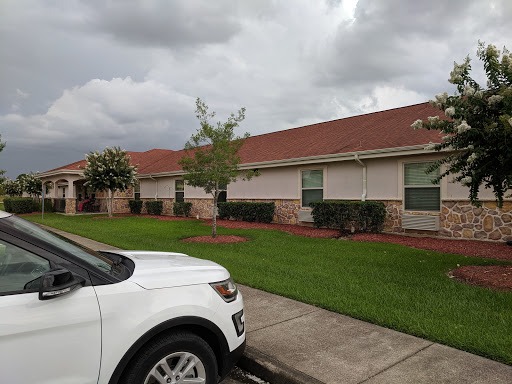
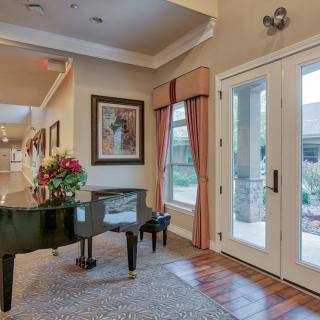
    Focused Care At Summer Place in Beaumont, TX is a vibrant and holistic assisted living community that offers a wide range of amenities and care services to enhance the quality of life for its residents.

    Residents at Focused Care At Summer Place can enjoy the convenience of a beauty salon, where they can get pampered and look their best. They can also relax and unwind in front of their favorite TV shows with cable or satellite TV in their private rooms. Community operated transportation is available for those who need assistance getting around, whether it's for errands or social outings.

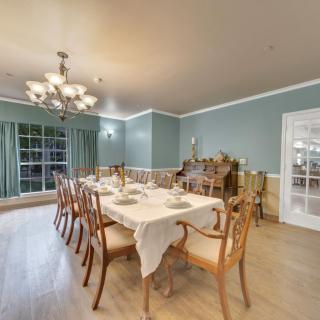
    For those who like to stay connected and engaged in the digital world, there is a computer center with Wi-Fi/high-speed internet access. The dining room provides restaurant-style dining experiences, offering delicious and nutritious meals prepared by professional staff. Those with special dietary restrictions are also accommodated.

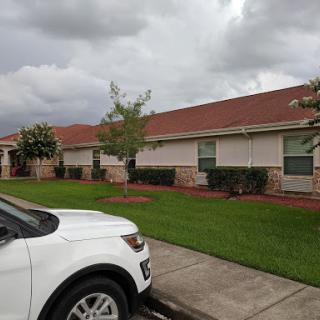
    Physical fitness is emphasized at Focused Care At Summer Place, as there is a fitness room equipped with various exercise equipment. The gaming room provides a space for residents to have fun and socialize with fellow residents. The garden and outdoor spaces offer opportunities for relaxation and enjoying nature.

    Housekeeping services ensure that the living environment remains clean and comfortable for all residents. Each resident has their own private bathroom, providing privacy and convenience. A small library allows residents to indulge in their love for reading.

    In terms of care services, Focused Care At Summer Place offers 24-hour call system and supervision to ensure the safety and well-being of all residents. Trained staff provide assistance with activities of daily living such as bathing, dressing, and transfers. Medication management is also provided to help residents stay on top of their prescribed medications.

    Mental wellness is prioritized through a dedicated program that focuses on emotional support and cognitive stimulation. Special dietary restrictions are taken into account when preparing meals to cater to individual needs.

    Transportation arrangement (both medical and non-medical) makes it easy for residents to get to doctors' appointments and other destinations. A wellness center offers additional health-focused programs and services.

    The community is conveniently located near various amenities, with cafes, parks, pharmacies, physicians, restaurants, transportation options, places of worship, and hospitals all within close proximity.

    Overall, Focused Care At Summer Place in Beaumont, TX provides a comfortable and enriching environment for seniors seeking assisted living services.

    Nearby Places of Interest

    Restaurants

    • 10 De Mayo (1.1 miles)
    • Sonic Drive-In (1.1 miles)
    • Sonic Drive-In (1.8 miles)
    • Whataburger (1.8 miles)
    • Waffle House (1.8 miles)
    • Pappadeaux Seafood Kitchen (2 miles)
    • Chaba Thai Bistro (2.2 miles)

    Physicians

    • Reba Copley Harper (1.7 miles)
    • Setma (3.3 miles)
    • Cardiac Consultants (3.6 miles)
    • Elias Ezike, MD (3.6 miles)
    • Isabell Gene P MD (3.6 miles)
    • Touchstone Medical Imaging (3.6 miles)
    • Beaumont Bone and Joint Institute (3.6 miles)

    Places of Worship

    • Southern Baptist Convention (1.7 miles)
    • Diocese Of Beaumont (1.8 miles)
    • The Community on Bristol (3.1 miles)
    • Cathedral of Faith Annex Building (3.9 miles)
    • St Anne Catholic School (4.2 miles)
    • Singles of Calvary Beaumont (4.5 miles)

    Transportation

    • Beaumont Wings (1.8 miles)
    • U-Haul Neighborhood Dealer (3 miles)

    Pharmacies

    • Walgreens (1.9 miles)
    • Kroger Pharmacy (3.5 miles)
    • Walgreens (3.7 miles)
    • Golden Triangle Pharmacy (3.9 miles)
    • H-E-B Pharmacy (4 miles)
    • Corner Pharmacy (4.1 miles)
    • King's Pharmacy (4.2 miles)

    Parks

    • Roger's Park and Community Center (3 miles)
    • Cattail Marsh (4.1 miles)
    • South Central Healthcare (4.3 miles)

    Cafes

    • Starbucks (3.5 miles)

    Hospitals

    • Memorial Hermann Baptist Beaumont Hospital (3.7 miles)
    • Beaumont Surgical Affiliates (3.9 miles)
    • Harbor Hospital of Southeast Texas (4 miles)
    • Diagnostic Health (4.1 miles)
    • Beaumont Medical and Surgical Hospital (4.3 miles)

    Frequently Asked Questions

    Where is Focused Care At Summer Place?

    Nearby Communities

    Skilled Nursing Facility in Nearby Cities

    Related Resources

    • private pay home careA Closer Look at Private Pay Home Care

      Private pay home care offers a flexible caregiving option for older adults and families who don't qualify for government programs, allowing them to directly fund in-home care services that range from daily assistance to specialized support. This model's customization potential enables aging in place while addressing financial considerations through strategic planning options, though clients must navigate marketplace challenges and ensure quality compliance.

    • what to do for arthritisComprehensive Approaches for Arthritis: A Detailed Guide to Symptoms, Causes, and Care

      Arthritis encompasses over 100 joint disorders affecting people of all ages, leading to symptoms like pain and stiffness that impair mobility and quality of life. Effective management involves early diagnosis, lifestyle changes, medical treatments, emotional support, and ongoing monitoring with healthcare professionals.

    • elderly fall preventionComprehensive Insights and Practical Strategies to Help Older Adults Avoid Falls
      The article highlights the high risk of falls among older adults due to factors like muscle weakness, vision issues, and environmental hazards, with one in four experiencing a fall annually. It advocates for a comprehensive prevention approach that includes exercise, home safety modifications, medication management, social support, and caregiver involvement.


    Get Pricing Ask A Question Schedule A Tour Contact Senior Advisor