For more information about senior living options: (866) 208-4318
3.8 from 111 reviews
5 stars
69
4 stars
9
3 stars
1
2 stars
1
1 stars
31
Brodie Ranch Nursing And Rehabilitation Center Costs & Pricing
Brodie Ranch Nursing and Rehabilitation Center offers competitive pricing for its services compared to both Travis County and the broader Texas market. For a semi-private room, residents can expect a monthly cost of $3,150, which is significantly lower than the county average of $4,300 and also more affordable than the state average of $3,680. The center's private rooms are priced at $3,780, again presenting a favorable choice when contrasted with Travis County's average of $4,194 and Texas's overall average of $4,096. Additionally, those seeking studio accommodations will find Brodie Ranch's rate of $4,095 slightly above the state average of $3,758 but within range when considering local pricing standards. Overall, Brodie Ranch provides an appealing blend of quality care at reasonable costs that cater to various financial needs within the community.
Floor plans
Brodie Ranch Nursing And Rehabilitation Center
Travis County
Texas
Semi-Private
$3,150
$4,300
$3,680
Private
$3,780
$4,194
$4,096
Studio
$4,095
$3,999
$3,758
Skilled Nursing Facilities with a similar price nearby
from +$450 / mo
Hill Country Care Inc
4.8 from 27 reviews
$3,600 to $4,800 / month
16.4 miles away
from -$150 / mo
The Crossing at Oak Hill Assisted Living and Memory Care
Overall Review of Brodie Ranch Nursing And Rehabilitation Center
common20 reviews mention this
Clean facility and welcoming teams
Residents and families repeatedly describe a clean building and friendly, approachable staff.
Many reviews start with cleanliness and how staff members greet visitors, with several people saying the facility looked well kept and smelled good. Others describe nurses and caregivers as warm, attentive, and focused on resident needs, including keeping residents engaged in activities. A smaller set of reviews disagrees, saying the facility was dirty or staff did not treat people with respect, so cleanliness and day-to-day care feel inconsistent depending on the experience.
differentiator10 reviews mention this
Restaurant-style dining stands out
Dining gets frequent praise, with residents describing restaurant-style meals.
Food is a standout theme: multiple reviews say meals were delicious, well prepared, and better than what they expected from a nursing setting. Several residents also mention dietary handling, including requests for substitutions and attention to specific needs. A few reviews are more negative, including comments that food quality was poor or that vegetarian diners received non-vegetarian meals, so dining is not uniformly experienced.
common9 reviews mention this
Therapy and nursing support
Care teams are regularly described as hands-on with therapy and everyday nursing needs.
Several reviews describe rehabilitation as thorough and supportive, with families praising physical and occupational therapy efforts. Reviews also reference nurses and clinical staff being responsive to questions and helping residents get through day-to-day routines. At the same time, multiple negative reviews raise concerns about missed care or poor follow-through, including medication and call-bell responsiveness, which contrasts with the positive clinical accounts.
common6 reviews mention this
Activities keep residents engaged
Residents are described as staying engaged through regular activities.
A number of reviews mention residents looking happy and involved, including planned activities and events. Families also describe activity programming through an activities director and note special gatherings like celebrations. While most activity comments are positive, there are also complaints in other reviews about overall supervision and responsiveness, so engagement may vary by unit and staffing at the time.
caveat7 reviews mention this
Communication and follow-through vary
Some families report delays, missed calls, or difficulty getting follow-through.
A recurring criticism is communication with families, including not getting returned calls and needing to follow up between shifts. Several reviews also point to concerns with how quickly issues were addressed after reports of problems. Other reviews go the opposite direction, describing responsive leadership and staff who answer questions, but the negative communication accounts are strong enough to stand out.
How we summarize
Counts show how many written reviews mention each theme; a review can touch several themes, and only frequently mentioned themes are displayed.
Features
Housing
120 resident community capacity
Types of Care
Skilled Nursing Facility
Amenities
Air-conditioning
Beauty salon
Cable or satellite TV
Computer center
Dining room
Fitness room
Fully furnished
Gaming room
Garden
Housekeeping services
Kitchenette
Move-in coordination
Outdoor space
Private bathrooms
Restaurant-style dining
Small library
Telephone
Wellness center
Wi-Fi/high-speed internet available
Transportation
Austin-Bergstrom International (11 miles away)
Community operated transportation
Transportation arrangement
Transportation arrangement (non-medical)
Transportation to doctors appointments
Care Services
12-16 hour nursing
24-hour call system
24-hour supervision
Activities of daily living assistance
Assistance with bathing
Assistance with dressing
Assistance with transfers
Diabetes diet
Meal preparation and service
Medication management
Mental wellness program
Special dietary restrictions
Dining
Diabetes diet
Special dietary restrictions
Activities
Community-sponsored activities
Concierge services
Fitness programs
Planned day trips
Resident-run activities
Scheduled daily activities
Nearby Places of Interest
Restaurants
Valentina's Tex Mex BBQ (0.5 miles)
South Austin Beer Garden (1.2 miles)
Luby's (3 miles)
Panda Express (3 miles)
Chipotle Mexican Grill (3 miles)
Jersey Mike's (3.1 miles)
Chick-Fil-A (3.1 miles)
Physicians
Amy S. Bekanich, MD (0.7 miles)
Austin Artistic Dental (3 miles)
My Eyelab (3 miles)
Total Men's Primary Ca (3.1 miles)
Carney, Linda Dr - Linda Carney, MD - AllMedPhysicians (3.3 miles)
Brodie Ranch Nursing and Rehabilitation Center offers competitive pricing for its services compared to both Travis County and the broader Texas market. For a semi-private room, residents can expect a monthly cost of $3,150, which is significantly lower than the county average of $4,300 and also more affordable than the state average of $3,680. The center's private rooms are priced at $3,780, again presenting a favorable choice when contrasted with Travis County's average of $4,194 and Texas's overall average of $4,096. Additionally, those seeking studio accommodations will find Brodie Ranch's rate of $4,095 slightly above the state average of $3,758 but within range when considering local pricing standards. Overall, Brodie Ranch provides an appealing blend of quality care at reasonable costs that cater to various financial needs within the community.
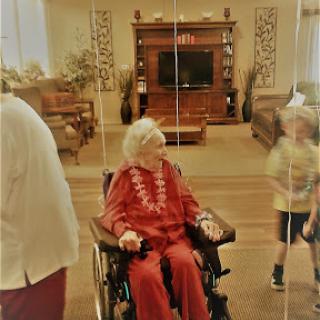
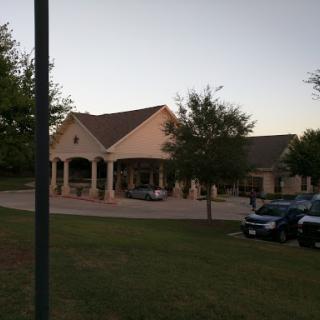
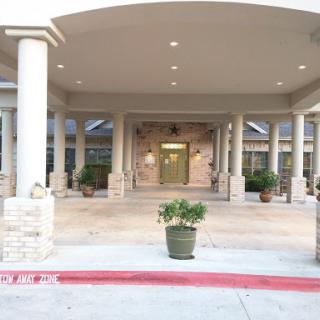
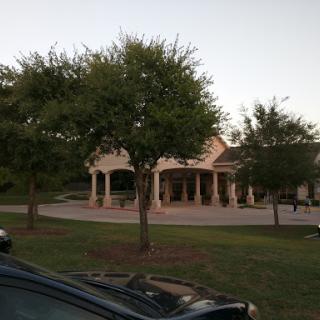
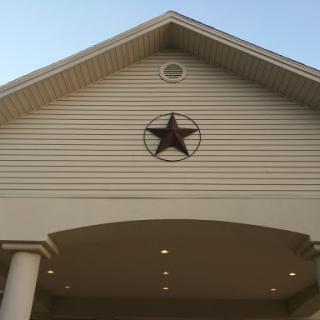
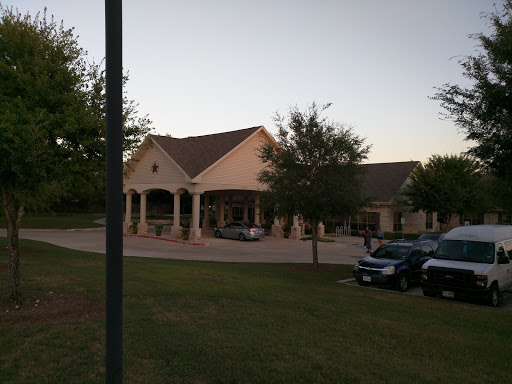
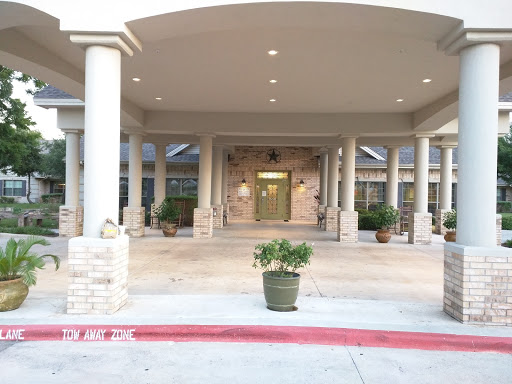
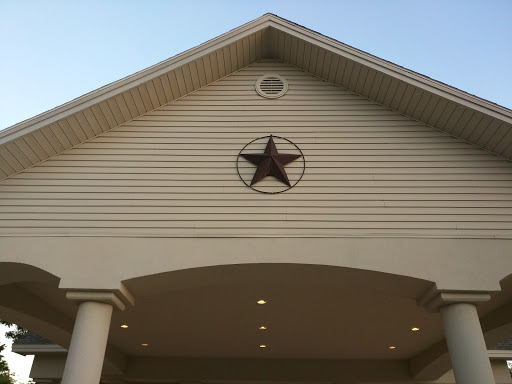
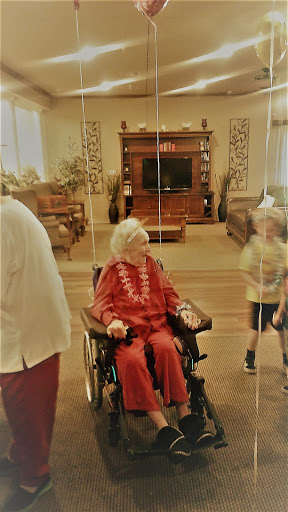
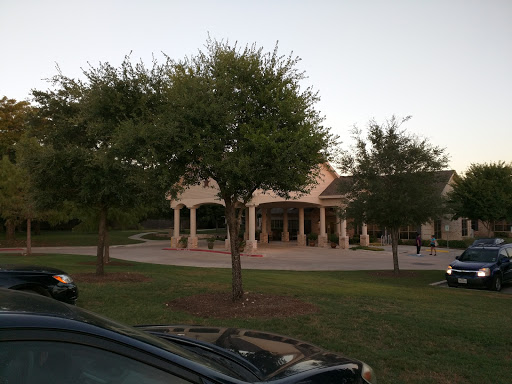
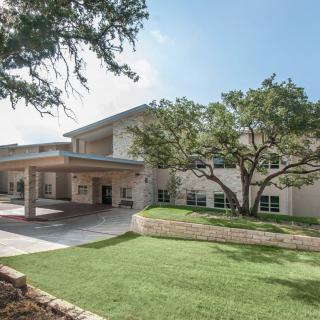
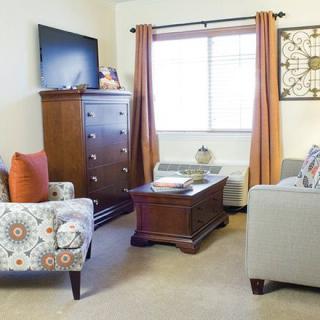
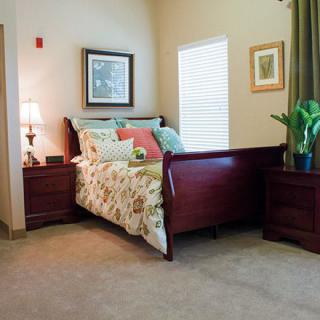
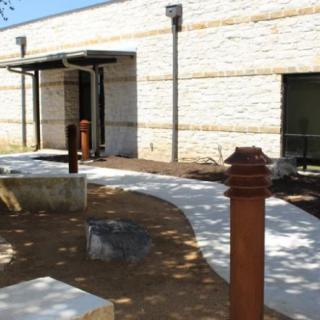
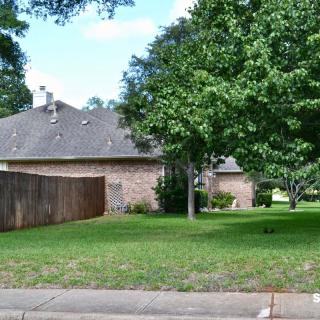
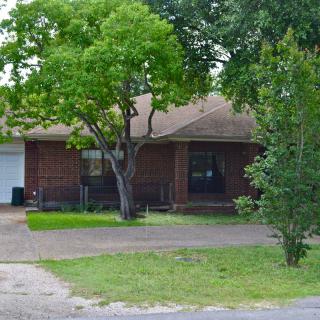
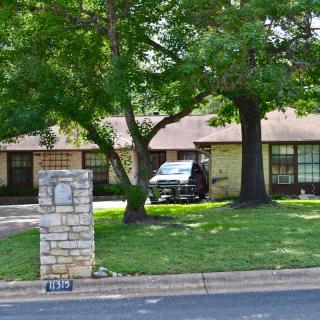
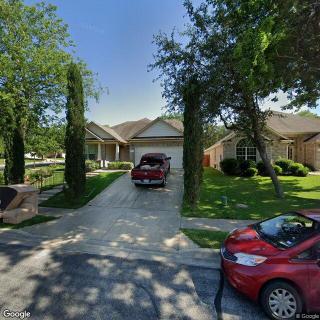
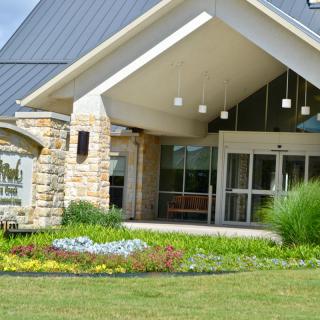
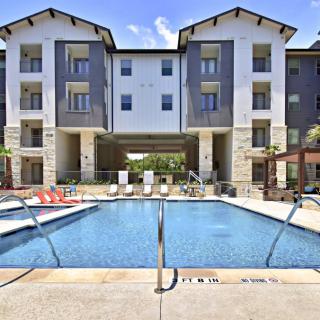
Brodie Ranch Nursing And Rehabilitation Center on seniors.fyi includes 5 photos including images showing building, landscaping, architecture, outdoor, entrance, exterior, wheelchair, interior, and more.
Nearby Communities
Shady Hollow Assisted Living III
Austin, TX
Very convenient access to multiple nearby amenities (cafes, parks, pharmacies, physicians, restaurants, theater).
Mabee Village of the Marbridge
Manchaca, TX
3.4 from 7 reviews
$3,800 / month
Affordable private rooms with diabetic care
Marbridge Villa
Manchaca, TX
4.8 from 5 reviews
Compassionate staff with engaging activities and a near-home location.
Angels Of Sunland
Austin, TX
4.6 from 5 reviews
Warm, home-like environment with attentive staff and open family communication.
An Angel's Place
Austin, TX
4.8 from 6 reviews
Caring, family-like staff in a clean, flexible, pet-friendly setting.
Shady Hollow Assisted Living
Austin, TX
4.4 from 62 reviews
$2,000 / month
Affordable private rooms with comprehensive care options (including memory and respite care).
Kind Heart Home Personal Care for Elderly
Austin, TX
5 from 18 reviews
$3,800 / month
Compassionate staff in a clean, welcoming setting.
The Village on The Park Onion Creek
Austin, TX
4.7 from 109 reviews
Clean, welcoming community with friendly staff and engaging on-site activities.
Arborview Circle C Ranch
Austin, TX
4.9 from 50 reviews
$1,575 to $2,250 / month
Affordable pricing for the area; spacious 1-bedroom apartments and a vibrant, activity-rich community.
Dogs can greatly improve the lives of older adults by offering emotional support and encouraging physical activity, with factors such as size, temperament, and grooming needs being crucial in selecting a suitable breed. Senior dogs often make ideal companions for this demographic, promoting social connections and requiring care routines that align with seniors' capabilities.
The guide on blood pressure charts for older adults stresses the importance of understanding normal and high blood pressure readings influenced by age, genetics, and lifestyle, while emphasizing regular monitoring and lifestyle modifications to prevent serious health issues. It provides insights into blood pressure categories, dietary recommendations, medication considerations, and the role of caregivers in supporting healthy habits.
The article explores the complexities of using Social Security to finance long-term nursing home care in the U.S., detailing eligibility requirements and misconceptions, while emphasizing that these benefits often do not cover full costs and highlighting the need for strategic financial planning and professional guidance.
Brodie Ranch Nursing And Rehabilitation Center photos
×
Interior
Building
Architecture
Trees
Exterior
Interior, Living Room, and Wheelchair
Landscaping
Building
Architecture
Trees
Outdoor
Entrance
Exterior
Get PricingAsk A QuestionSchedule A TourContact Senior Advisor
By clicking submit, you agree to our Partner's Terms of Use. You
also consent to receive calls and texts, which may be autodialed, from our Partner. Your consent is not a condition to
using our Partner's service. Please visit our Partner's Privacy Policy for information about their privacy practices.



 120 resident community capacity
 Skilled Nursing Facility
 Air-conditioning
 Beauty salon
 Cable or satellite TV
 Computer center
 Dining room
 Fitness room
 Fully furnished
 Gaming room
 Garden
 Housekeeping services
 Kitchenette
 Move-in coordination
 Outdoor space
 Private bathrooms
 Restaurant-style dining
 Small library
 Telephone
 Wellness center
 Wi-Fi/high-speed internet available
 Austin-Bergstrom International (11 miles away)
 Community operated transportation
 12-16 hour nursing
 24-hour call system
 Activities of daily living assistance
 Assistance with bathing
 Assistance with dressing
 Assistance with transfers
 Diabetes diet
 Medication management
 Mental wellness program
 Special dietary restrictions
 Concierge services
 Planned day trips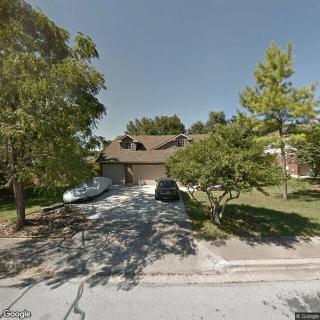
 Very convenient access to multiple nearby amenities (cafes, parks, pharmacies, physicians, restaurants, theater).
 Top Canine Companions for Older Adults
 Comprehensive Guide to Blood Pressure Charts for Older Adults: Understanding Normal and High Readings by Age
 Financing Long-Term Nursing Home Care Through Social Security: A Thorough Exploration