




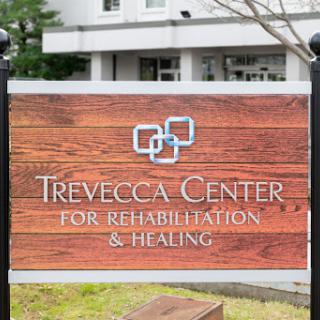
329 Murfreesboro Rd, Nashville, TN 37210
To contact a resident: (615) 244-6900
For more information about senior living options: (866) 208-4318
Overall Review of Trevecca Health Care Center
Pros
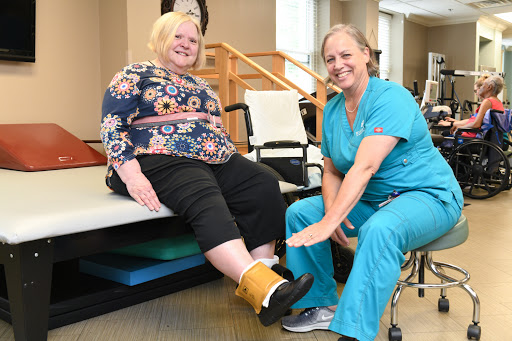
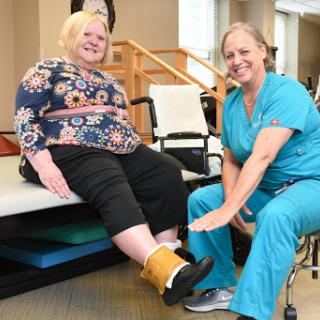
 The PT was above average at techniques to enhance the patient's independence.
- Trevecca has been a great facility for her sister.
- She has done well in therapy.
- They took really good care of the father-in-law.
- The wound team and the speech therapist were the only professional staff members who communicated with the patient and their family.
- It is a very good community near Trevecca University.
Cons
 The facility is not a place of healing.
- The nurses and technicians do not respond to calls quickly.
- Patient laundry is not done frequently enough.
- A bed was left unlocked, causing a patient to fall, and he waited 30 minutes for aid.
- The food is horrible.
- Therapy is technically good but there are too few sessions, and it is only offered Monday through Friday.
- A roommate's TV kept a patient awake, and quiet hours are not guaranteed; earplugs are unavailable.
- The mother was treated horribly; nurses were rude and refused basic care like a wash cloth, and medications were delayed.
- Staff were described as willing to retaliate against those who complain, implying possible violence.
- There is a severe lack of communication from floor nurses; families rarely learn about daily interactions and therapies, and residents stay in bed with little activity.
- Call buttons go unanswered for over an hour; multiple patients call for help with no response, and staff are disrespectful or threatening.
- A nurse's aide transferred a patient single-handedly, nearly causing a fall, and showed no empathy or apology.
- A patient was found in only underwear with a thin blanket and was shivering.
Review
Trevecca Health Care Center in Nashville is best suited for residents who arrive with a primary goal of rehabilitation and therapies, and for families prepared to actively oversee a facility whose strengths lie in specific clinical services rather than day-to-day safety and comfort. The rehab and wound-care teams, along with speech therapy, show flashes of competence that can translate to real progress for someone who needs targeted therapy and a shorter stay. A few residents and families have credited therapy-focused staff with meaningful gains, and the proximity to a university campus can be a minor logistical plus for some visitors. In short, this community tends to work best for those who can leverage professional rehab capabilities while accepting uneven overall care.
Those weighing this option should explicitly consider alternatives if reliable, respectful daily care is non-negotiable. Multiple reviewers describe frequent gaps in responsiveness, unsafe patient handling, and rudimentary daily routines that can jeopardize comfort and safety. For long-term residents or families who require consistent nursing presence, rapid response to call bells, and meticulous medication management, Trevecca often falls short. Veterans and other high-need groups report feeling unsafe or underserved, and anonymity in staff accountability further complicates ongoing trust. In these circumstances, looking at other facilities with stronger track records on safety, staffing, and resident dignity becomes prudent.
The strongest pros, where they exist, do not fully offset the most pressing cons. When therapists or wound-care specialists are involved, measurable gains can occur, and a handful of caregivers are repeatedly described as compassionate and patient-focused. Yet these positives are not reliably replicated across shifts or wards, and they are overshadowed by recurring concerns about response times, call-button reliability, and the overall pace of daily activity. Facilities with consistent, 24/7 nursing coverage and a transparent, accountable culture tend to produce steadier progress and fewer dangerous lapses, which is where Trevecca consistently disappoints on the balance sheet of risk versus reward.
The principal cons cluster around safety, responsiveness, and basic daily care. Reviews recount delayed medication administration, missed or mishandled treatments, and inadequate attention to urgent needs, sometimes with dramatic consequences. Instances of staff disrespect, uneven bedside care, and even alarming physical mishandling paint a troubling picture of patient safety and dignity. Clear patterns emerge: call bells ignored for extended periods, caregivers working without proper supervision, and, in several accounts, unsettling lapses in hygiene and room condition. These factors collectively undermine confidence in longer stays, especially for residents with complex medical needs or limited mobility.
For families navigating a decision, concrete steps can reduce risk if Trevecca is the chosen path. Arrange to meet with the director of nursing and the therapy supervisor to understand staffing patterns, including night and weekend coverage. Request a detailed, updated care plan focused on mobility, toileting assistance, medication administration, and pain management; insist on a daily communication routine with family members. During a trial or transition, observe call-button response times, how quickly aides assist in the bathroom, and whether meals and hydration are consistently delivered. Verify housekeeping and laundry frequency, and confirm that patient dignity is preserved in room setup and treatment. If red flags persist, or if the facility cannot commit to transparent reporting and corrective action, alternatives should be pursued without hesitation.
Ultimately, Trevecca Health Care Center delivers a mixed value proposition. For those who prize specific rehab expertise and can tolerate variable daily care, it may offer meaningful, targeted benefits. For anyone seeking reliable safety, compassionate bedside manners across all shifts, and consistently clean, respectful treatment, the evidence points toward seeking alternatives. The decision hinges on weighing the patient’s primary goals against the facility’s ability to provide steady, attentive, and humane day-to-day care. Families should approach with clear expectations, demanding accountability and measurable care standards before making a commitment that could become a protracted and challenging experience.
 Skilled Nursing Facility
 Nashville International (10 miles away)



 Understanding the Nuances of Palliative Care and Hospice: A Comprehensive Exploration
 Fecal Incontinence in Older Adults: A Comprehensive Guide
 Recognizing the Journey: Understanding and Navigating Anticipatory Grief