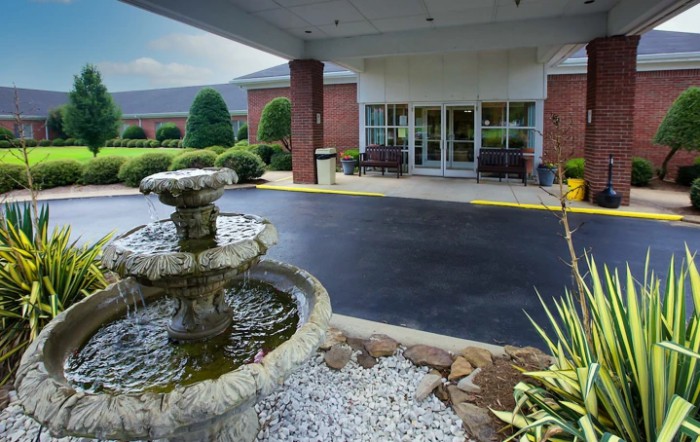

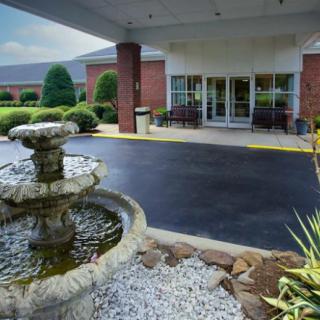
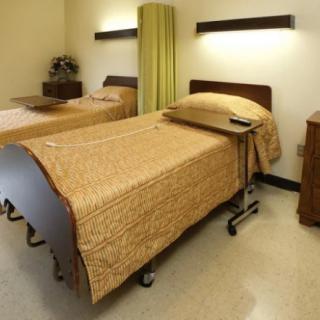


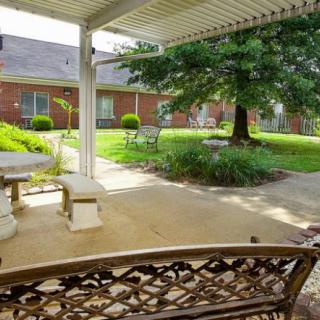

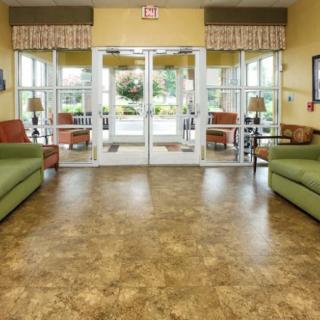


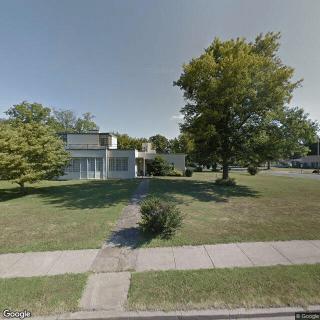
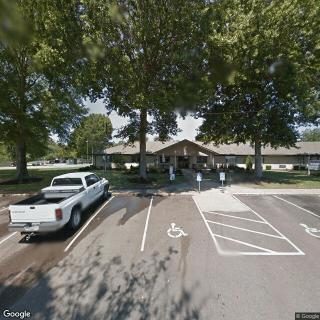
175 Hospital Drive, Mc Kenzie, TN 38201
For more information about senior living options: (866) 208-4318
Overall Review of Mckenzie Health Care Center
Pros
 The nurses were very professional and kind.
- Dr. Don Vaughn had an incredible bedside manner and took time to explain everything.
- Dr. Vaughn consistently kept eye contact and paid attention to every detail that mattered to patients.
- Sheila Adams, the cleaning lady, did a superb job and was extremely friendly; her work did not go unnoticed.
- The nursing staff was professional, caring, and often went above and beyond to ensure patients' needs were met.
- The hospital's small size allowed for a lot of personal care.
- The cafeteria staff and cleaning crews took pride in their work and contributed to a positive patient experience.
- Nurse Joyce and Annette, among others, went above and beyond to help patients and coordinate with doctors.
Cons
 The patient’s father died in this hospital after his call button wasn’t kept within reach.
 - He had to request that someone in the room place his call button closer to him.
- The ER doctor was rude and unprofessional, dismissing the patient’s pain and making condescending remarks.
- The reviewer would never return to this hospital because of the ER doctor.
- The staff were slow to straighten out medications, and some nurses were extremely rude.
- The emergency room and its staff were described as incompetent, rude, uncaring, and unfit for the medical field.
- There were long waits and poor communication between shifts, with patients waiting for help.
- Outpatient scheduling involved long holds and unhelpful phone service.
Review
McKenzie Health Care Center in McKenzie, TN is best suited for seniors and families that value a small, personal hospital environment where staff relationships can be meaningful and attention to daily care feels hands-on. It works for straightforward, common medical needs and short inpatient stays where a tight-knit team can provide continuity. Those needing rapid access to specialists, high-acuity emergency stabilization, or a broad, streamlined care continuum should not treat this as a primary option.
For readers weighing alternatives, this center tends to fall short for anyone who requires decisive, fast emergency response, predictable administrative processes, and robust coordination with outside providers. In that case, nearby facilities with larger patient volumes and deeper specialist networks, such as Jackson-area hospitals or other regional centers, are worth comparing. Families who depend on transparent billing and consistently responsive financial offices will want to scrutinize the administrative experience here against other options, since miscommunication or delays in the clerical side can compound medical concerns.
The strongest upside is the potential for genuinely personal care when staff are operating at their best. Nurses and aides can deliver professional, compassionate attention, and some clinicians take time to explain conditions and answer questions in a patient, steady manner. The small footprint can translate into a feeling of cleaner, more manageable spaces and more direct accountability from frontline teams. Yet this upside is not evenly distributed; reports of rude or overwhelmed ED staff, inconsistent medication timing, and shifting communication undermine confidence in the care plan and can leave families feeling unsure about the next steps.
Care experiences that feel like a true partnership do surface, when administrators and frontline caregivers demonstrate sustained involvement and a willingness to go above and beyond for a resident. Conversely, patient stories of abrupt discharges, perceived neglect, or disrespect from certain staff members illuminate real safety and comfort gaps. The smaller hospital model also means there are fewer on-site specialists, and escalation to higher-level care can be slower or require transfer, which increases the stakes for families with complex or evolving medical needs.
Practical guidance for families considering this option is essential. Before admission, verify wait times, the skill mix of the on-site team, and how care is coordinated with outpatient providers. Designate a clear advocate who can track medications, care plans, and discharge instructions, and be prepared for scheduling and administrative friction to arise from time to time. When long-term living decisions are involved, ensure the chosen setting offers a sustainable medical oversight plan that aligns with ongoing needs, including follow-up care, transportation, and the ability to coordinate with other care partners as conditions change.
Bottom line: this community can be a reasonable fit for those who prioritize a homelike, attentive daily care environment and can operate within a smaller hospital framework. It is not ideal for families requiring consistently rapid emergency response, broad specialty coverage, or a frictionless financial and administrative experience. For higher-acuity needs or a seamless care continuum, seriously consider alternatives in nearby communities, spending time in visits and conversations to gauge responsiveness, staffing stability, and overall culture before committing.
 99 resident community capacity
 Skilled Nursing Facility
 Air-conditioning
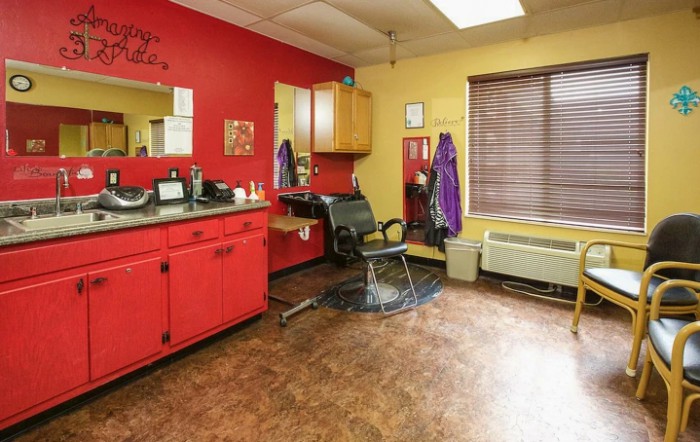
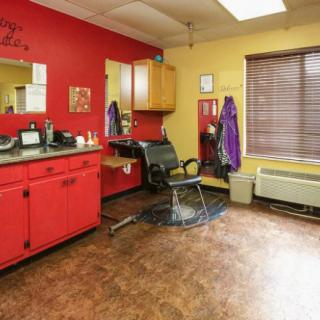
 Beauty salon
 Cable or satellite TV
 Computer center
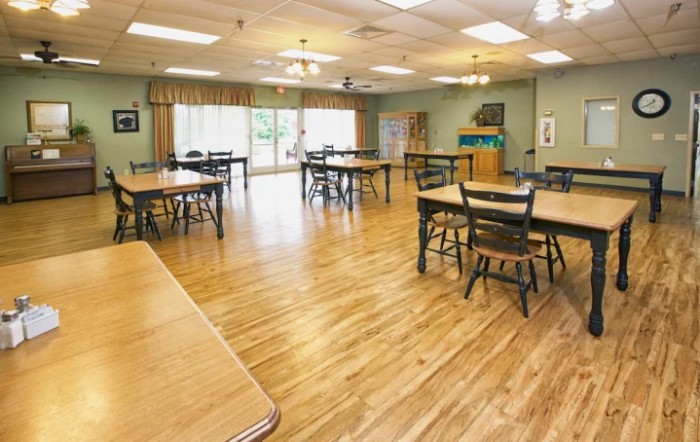
 Dining room
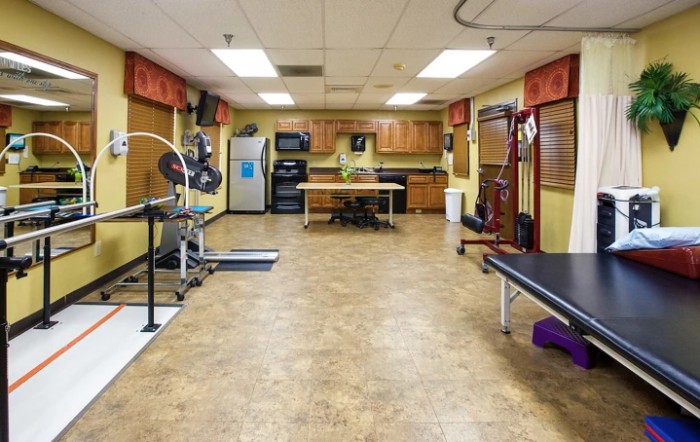
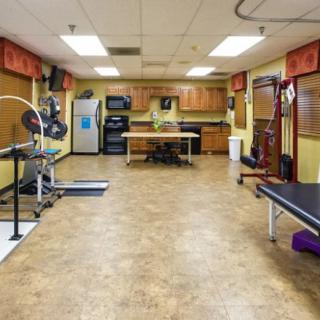
 Fitness room
 Fully furnished
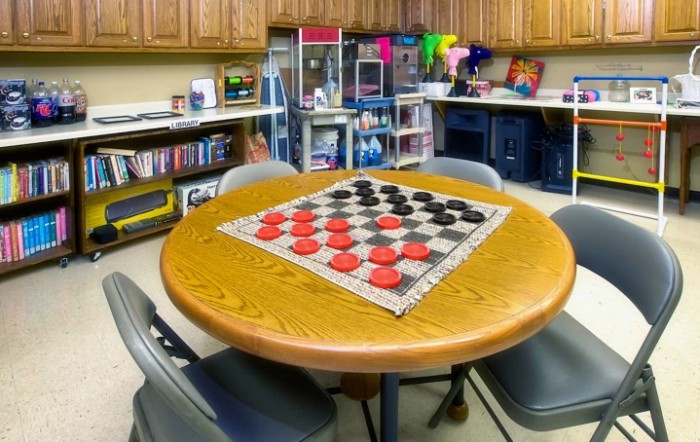
 Gaming room
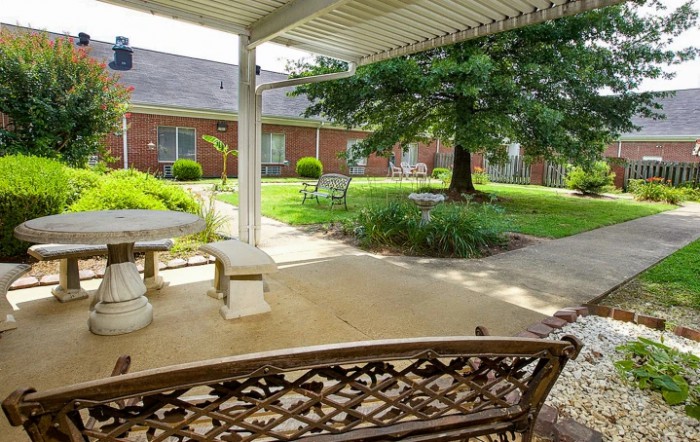
 Garden
 Housekeeping services
 Kitchenette
 Move-in coordination
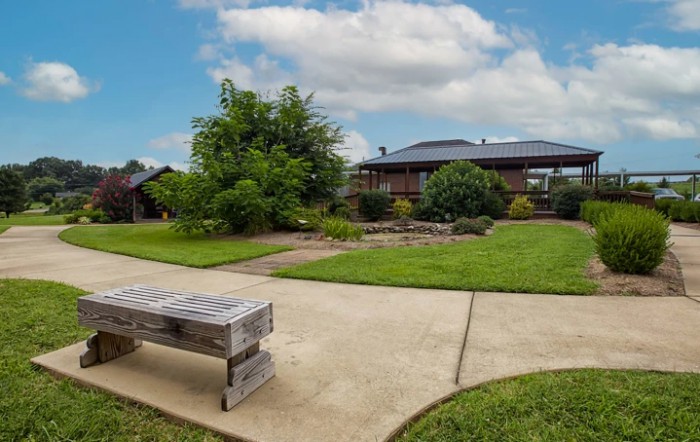
 Outdoor space
 Private bathrooms
 Restaurant-style dining
 Small library
 Telephone
 Wellness center
 Wi-Fi/high-speed internet available
 Community operated transportation
 12-16 hour nursing
 24-hour call system
 Activities of daily living assistance
 Assistance with bathing
 Assistance with dressing
 Assistance with transfers
 Diabetes diet
 Medication management
 Mental wellness program
 Special dietary restrictions
 Concierge services
 Planned day trips




 Engaging Brain Games and Innovative Apps to Keep Senior Minds Active
 Effective Strategies for Keeping Seniors' Minds Active: A Deep Dive into Brain Games and Apps
 In-Depth Look at the VA Aid and Attendance Program