Sd Human Services Center - Geriatric Program

3515 Broadway Avenue Post Office Box 7600, Yankton, SD 57078

For more information about senior living options: (844) 490-3973

2.6 from 27 reviews
5 stars
7
4 stars
5
3 stars
0
2 stars
0
1 stars
15

Skilled Nursing Facility

Overall Review of Sd Human Services Center - Geriatric Program

Pros

  • pro Sam, Shayna, and Savanna were described as the best by the reviewer.
  • pro The staff were pleasant and helpful, for the most part.
  • pro Nurse J. was described as a saint.
  • pro The head of Recreation staff were considered cool.
  • pro Some of the staff actually care about the patients.
  • pro Overall, the reviewers reported a positive experience.
  • pro The facility offered dental and vision care to patients.

Cons

  • pro The staff were abusive and took pleasure in traumatizing the patients.
  • pro The facility felt like a cement prison and was described in terms of extreme, inhuman treatment.
  • pro A nurse forcibly prevented communication, and staff were rude and obnoxious to patients and their families.
  • pro Complaints led to retaliation, including drugging patients and restricting phone time and visitation.
  • pro Patients were strapped to boards and injected with medications that caused them to lose consciousness.
  • pro Personal items were damaged or disappeared, and some staff appeared to be under the influence.
  • pro The staff were uneducated about at-risk teens and treated patients as inconveniences.
  • pro Outpatient treatment and promised follow-up were not provided, despite expectations.

Review

Across firsthand accounts, the Human Services Center and its Oak 2 unit evoke a tangled portrait: some say they found relief and progress, but an overwhelming number of voices describe abuse, neglect, and systemic failures that left lasting trauma. A recurring thread is the sense that treatment can swing from moments of help to episodes of fear, humiliation, and retaliation. One person notes they lived there for a year and felt they "got better," yet those same reports are soon overwhelmed by warnings about harsh discipline, outdated methods, and a culture that can feel punitive rather than therapeutic. The contrast between glimmers of good care and pervasive complaints creates a complicated, often painful picture.

A core concern running through many accounts is the treatment environment and the conduct of staff. Several reviewers allege rude, obstructive, or abusive behavior from workers, with one describing a general vibe of hostility toward patients and families. The most alarming themes involve punitive responses to speaking up: after reporting troubling conditions to human resources, some patients say they experienced retaliation - drugging, reduced phone time, and restricted visitation as a direct consequence of voicing concerns. The severity of these claims is hard to ignore in a setting that is supposed to help people manage crises, including those who are disabled or otherwise vulnerable. The sense of being intimidated into silence amplifies fear that patients will be punished for trying to access accountability.

Discharge practices and follow-up care also come under fire. One account details a husband who was in care for alcoholism and was sent home after fifteen days with no explanation and no outpatient treatment promised. The question "Shouldn't the state follow a court order, and shouldn't facilities be responsible for their actions?" surfaces repeatedly, suggesting gaps between what is mandated and what actually happens in practice. The frustration here isn't merely bureaucratic; it centers on a perception that families and patients are left without a clear plan for continued support and safety once the door closes.

Some reviewers resign themselves to language of extremity, describing the facility as abusive, chaotic, or even inhumane. Phrases like "evil," "traumatic," and "cement prison" recur, and the call for reform is linked to a long list of concrete allegations: being strapped to boards, being injected with sedatives, or being kept in rooms for extended periods with little personal autonomy. The rhetoric is stark, but it captures the emotional weight of repeatedly feeling powerless or unsafe within what is supposed to be a therapeutic environment. There are even allusions to historical comparisons as a amplifier for outrage, urging investigative scrutiny in the manner of journalists who uncovered mismanagement in the past.

Within these narratives are granular, personal episodes that illustrate the stakes. One patient describes being transferred to a separate unit and sobbing for hours because the move disrupted the social familiarity that had developed there. The new unit "awful" because staff didn't seem to care, culminating in a board restraint and injection that erased a portion of the patient's memory. Easter passed in isolation, and the weeks-long confinement became one of the worst periods of the experience. Another detailed memory centers on a counselor with a troubling history - an employee who allegedly became connected to a patient in distress, followed by the counselor's own suicide years later. Stories like these weave a thread of severe consequences that extend beyond the immediate clinical encounter.

The atmosphere is further complicated by reports of inconsistent care and accountability. Reviewers recount experiences where equipment or items went missing - jewelry and personal belongings vanished; staff appeared to be under the influence; and the overall sense was that patients' dignity was repeatedly compromised. There are warnings about under-resourcing and unpreparedness, with some patients feeling that staff could act as if patient safety and well-being were secondary to administrative demands or personal judgments. The lack of clear consequences for mistreatment - or even acknowledgment of harm - emerges as a recurring grievance, leaving families and patients with unresolved pain and lingering mistrust.

Not all stories are wholly negative, however. A few reviewers acknowledge moments of genuine care and competence. They recall staff who were patient, compassionate, and attentive - people who made a tangible difference in a difficult period. Some patients credit particular team members with helping them get through rough patches, and a later positive experience is described after a transition from another facility. One reviewer notes that the staff were for the most part pleasant and helpful, and that the facility offered additional services such as dental and vision care, with the added benefit of being free. These glimpses of supportive interaction stand in contrast to the overwhelming volume of distress-lines of critique, underscoring that individual staff members can and do affect outcomes even within a troubled system.

In the end, the collection of experiences points to a map of needs: stronger accountability, safer and more humane treatment practices, clearer pathways for aftercare, and a culture shift toward patient-centered care. Several voices emphasize the necessity of independent oversight and investigative scrutiny to address alleged abuses and procedural gaps. The longing is for a system where speaking up leads to constructive action rather than retaliation, where restraint and sedation are carefully justified and fully documented, and where dignity is preserved even amid crisis. For many families and patients, the hope is that reforms can transform frightening memories into safer, more reliable support, with consistent communication, steady staffing, and a renewed commitment to healing rather than punishment.

Features

Housing

  • 69 resident community capacity 69 resident community capacity

Types of Care

  • Skilled Nursing Facility Skilled Nursing FacilitySkilled Nursing Facilities are crucial for seniors as they provide round-the-clock medical care, rehabilitation services, and assistance with daily activities. These facilities ensure that seniors receive the specialized care they need to maintain their health and well-being as they age.

Amenities

  • Air-conditioning Air-conditioningAir conditioning is important for seniors as they are more vulnerable to heat-related illnesses and may have underlying health conditions that make it difficult for them to regulate their body temperature. It helps to keep them comfortable, safe, and healthy in hot weather.
  • Beauty salon Beauty salonBeauty salons are important for seniors because they provide a space for them to feel pampered, socialize, and maintain their personal grooming and hygiene. Regular visits to a beauty salon can help boost seniors' self-esteem and overall well-being.
  • Cable or satellite TV Cable or satellite TVCable or satellite TV is important for seniors because it provides entertainment, news, and companionship, helping to combat loneliness and boredom. It also offers a wide range of programming options tailored to different interests and preferences.
  • Computer center Computer centerA computer center is essential for seniors as it provides access to technology, communication tools, and resources that can enhance their daily lives. It allows them to stay connected with loved ones, engage in online activities, and learn new skills, ultimately promoting socialization and mental stimulation.
  • Dining room Dining roomDining rooms are important for seniors as they provide a space for socialization, connection, and nutritious meals. They offer opportunities for residents to bond over shared meals, foster a sense of community, and promote healthy eating habits. Dining rooms also ensure that seniors have access to well-balanced meals tailored to their dietary needs and preferences.
  • Fitness room Fitness roomHaving a fitness room in a senior living community is essential for seniors to stay active, maintain their physical health, and improve their overall well-being. Regular exercise can help prevent falls, reduce the risk of chronic diseases, and promote mental sharpness. It also provides social opportunities for residents to connect with others and enjoy a sense of community.
  • Fully furnished Fully furnishedFully furnished senior living communities are important for seniors because they provide convenience, comfort, and a hassle-free moving experience. Seniors can easily settle into their new living space without the stress of having to buy and move furniture. This allows them to focus on enjoying their new home and community.
  • Gaming room Gaming roomGaming rooms are important for seniors as they provide a fun and engaging environment for socializing, cognitive stimulation, and physical activity. Games can improve memory, problem-solving skills, and overall mental well-being while fostering friendships and reducing feelings of isolation.
  • Garden GardenGardens are important for seniors as they provide a peaceful and therapeutic environment for relaxation, physical activity, and socialization. Being in nature has been shown to reduce stress, improve mood, and promote overall well-being. Gardens also offer opportunities for seniors to engage in gardening activities, which can improve mobility, flexibility, and cognitive function. Additionally, gardens create a sense of community and connection with others who share a passion for plants and outdoor spaces.
  • Housekeeping services Housekeeping servicesHousekeeping services are important for seniors because they help maintain a clean and safe living environment, promote independence, and reduce the risk of accidents or illnesses. Additionally, having assistance with household chores can alleviate physical strain and allow seniors to focus on other aspects of their well-being.
  • Kitchenette KitchenetteKitchenettes are important for seniors living in senior living communities because they provide the convenience and independence of being able to prepare simple meals and snacks in the comfort of their own living space. This can help promote a sense of autonomy and well-being for seniors, allowing them to maintain some level of control over their dietary choices and daily routines.
  • Move-in coordination Move-in coordinationMove-in coordination is important for seniors because it helps ease the transition into their new living environment. It ensures that all logistics, such as packing, organizing movers, and setting up utilities are taken care of, allowing seniors to focus on settling in and adjusting to their new home. Having a smooth move-in process can alleviate stress and anxiety, making the transition smoother and more enjoyable for seniors.
  • Outdoor space Outdoor spaceOutdoor spaces are important for seniors as they provide opportunities for physical activity, social interaction, exposure to natural light and fresh air, and a sense of connection to nature. Having access to outdoor spaces can improve overall well-being and quality of life for older adults living in senior communities.
  • Private bathrooms Private bathroomsPrivate bathrooms are important for seniors in senior living communities because they provide independence, dignity, and comfort. Having a private bathroom allows seniors to maintain their personal hygiene routines without the need for assistance, promoting a sense of autonomy and privacy. Additionally, private bathrooms help prevent the spread of infections and provide a safe and clean environment for seniors to navigate safely.
  • Restaurant-style dining Restaurant-style diningRestaurant-style dining is important for seniors because it allows them to enjoy delicious, nutritious meals in a social and upscale setting. This enhances their dining experience, promotes healthy eating habits, and fosters socialization with fellow residents, ultimately contributing to their overall well-being and quality of life.
  • Small library Small librarySmall libraries are important for seniors as they provide access to a variety of reading materials, including books, newspapers, and magazines. This can help stimulate their minds, keep them engaged, and provide a sense of community through book clubs and other social activities. Additionally, reading has been shown to improve cognitive function and overall mental well-being in older adults.
  • Telephone TelephoneTelephones are important for seniors as they provide a lifeline for communication with loved ones, emergency services, and healthcare providers. They offer a sense of security and independence, enabling seniors to stay connected and access assistance when needed.
  • Wellness center Wellness centerWellness centers are important for seniors because they offer a variety of programs and services that promote physical, mental, and emotional well-being. These centers provide opportunities for exercise, socialization, education, and relaxation, helping seniors maintain their overall health and quality of life.
  • Wi-Fi/high-speed internet available Wi-Fi/high-speed internet availableWi-Fi/high-speed internet is important for seniors to stay connected with loved ones, access online resources, and participate in virtual activities to combat feelings of loneliness and isolation. It also allows them to easily manage healthcare needs, access entertainment, and engage in lifelong learning opportunities.

Transportation

  • Community operated transportation Community operated transportationCommunity operated transportation is crucial for seniors as it provides them with the means to access essential services, social activities, and medical appointments. It allows seniors to maintain their independence and quality of life by ensuring they can participate in activities outside of their homes. Additionally, community-operated transportation services offer a safe and reliable way for seniors to travel without having to rely on family or friends for assistance.
  • Transportation arrangement Transportation arrangementTransportation arrangements are crucial for seniors as they may face challenges with driving, mobility, or access to public transportation. Having reliable transportation services ensures that seniors can easily attend appointments, social activities, and maintain their independence and quality of life.
  • Transportation arrangement (non-medical) Transportation arrangement (non-medical)Transportation arrangements are essential for seniors as they provide access to essential services, activities, and social interactions outside the home. This service helps maintain independence, mobility, and overall well-being for seniors who may have limited transportation options.
  • Transportation to doctors appointments Transportation to doctors appointmentsTransportation to doctors appointments is crucial for seniors as it ensures they have access to necessary medical care and support, promoting their health and well-being. It allows them to receive timely treatment, monitor existing conditions, and address any new health concerns efficiently. Additionally, transportation services can help seniors maintain their independence and quality of life by enabling them to stay connected with their healthcare providers.

Care Services

  • 12-16 hour nursing 12-16 hour nursing12-16 hour nursing care is crucial for seniors in order to ensure around-the-clock monitoring, timely medication administration, and prompt response to any health concerns or emergencies. This level of care helps to promote the overall well-being and safety of seniors living in senior living communities.
  • 24-hour call system 24-hour call system24-hour call systems are important for seniors because they provide peace of mind and immediate assistance in case of emergencies. This technology ensures that help is always available, promoting safety and security for elderly individuals living alone or in assisted living facilities.
  • 24-hour supervision 24-hour supervision24-hour supervision is important for seniors to ensure their safety, well-being, and access to immediate assistance in case of emergencies or health issues. This constant support provides peace of mind for both seniors and their loved ones, allowing them to age in place with dignity and security.
  • Activities of daily living assistance Activities of daily living assistanceActivities of daily living assistance are important for seniors because they provide essential support with tasks such as eating, bathing, dressing, and mobility. This assistance helps seniors maintain their independence, dignity, and overall quality of life as they age.
  • Assistance with bathing Assistance with bathingAssistance with bathing is crucial for seniors as it helps maintain personal hygiene, prevents infections, and ensures their overall well-being and comfort. It also provides a sense of dignity and independence for seniors who may struggle with this task on their own.
  • Assistance with dressing Assistance with dressingAssistance with dressing is important for seniors because it helps maintain their independence, promotes personal hygiene, prevents accidents and injuries, and improves overall quality of life. This service ensures that seniors can continue to dress comfortably and confidently, despite any physical limitations they may have.
  • Assistance with transfers Assistance with transfersAssistance with transfers is crucial for seniors as it helps prevent falls and injuries, maintains their independence, and ensures they can safely navigate their living environment. It also provides peace of mind for both seniors and their loved ones.
  • Diabetes diet Diabetes dietA diabetes diet is crucial for seniors as it helps manage blood sugar levels, reduce risks of complications, and improve overall health and well-being. By following a balanced and nutritious diet tailored to their specific needs, seniors can better control their diabetes and enhance their quality of life.
  • Meal preparation and service Meal preparation and serviceMeal preparation and service are crucial for seniors as they may have limited mobility or energy to cook nutritious meals. Having access to healthy and convenient food options can ensure they are getting the proper nutrition needed to maintain their overall health and well-being.
  • Medication management Medication managementMedication management is crucial for seniors to ensure they are taking the right medications at the correct dosages and times. This helps prevent adverse drug interactions, reduces the risk of medication errors, and promotes overall health and well-being. Proactive management also allows for adjustments as needed based on changing health conditions or new prescriptions.
  • Mental wellness program Mental wellness programMental wellness programs are essential for seniors as they promote cognitive stimulation, emotional support, and social engagement. These programs help prevent isolation, depression, and cognitive decline, ultimately enhancing the overall quality of life for older adults.
  • Special dietary restrictions Special dietary restrictionsSpecial dietary restrictions are important for seniors because age-related changes in metabolism and health conditions can make it difficult for their bodies to process certain foods. By following a diet tailored to their specific needs, seniors can maintain their overall health and well-being, manage chronic conditions, and reduce the risk of complications such as malnutrition or food interactions with medications.

Dining

  • Diabetes diet Diabetes dietA diabetes diet is crucial for seniors as it helps manage blood sugar levels, reduce risks of complications, and improve overall health and well-being. By following a balanced and nutritious diet tailored to their specific needs, seniors can better control their diabetes and enhance their quality of life.
  • Special dietary restrictions Special dietary restrictionsSpecial dietary restrictions are important for seniors because age-related changes in metabolism and health conditions can make it difficult for their bodies to process certain foods. By following a diet tailored to their specific needs, seniors can maintain their overall health and well-being, manage chronic conditions, and reduce the risk of complications such as malnutrition or food interactions with medications.

Activities

  • Community-sponsored activities Community-sponsored activitiesCommunity-sponsored activities are important for seniors as they provide opportunities for social interaction, mental stimulation, and physical activity. These activities can help improve overall well-being, combat loneliness and isolation, and promote a sense of belonging and purpose among older adults.
  • Concierge services Concierge servicesConcierge services are essential for seniors as they provide assistance with daily tasks and errands, enhance their quality of life by offering convenience and personalized care, and promote a sense of safety and security.
  • Fitness programs Fitness programsFitness programs are crucial for seniors as they help improve strength, flexibility, balance, and overall well-being. Staying active can reduce the risk of chronic diseases, improve mental health, and enhance quality of life in older adults.
  • Planned day trips Planned day tripsPlanned day trips are important for seniors because they offer opportunities for socialization, mental stimulation, and physical activity. They provide a change of scenery and help seniors stay engaged and connected to their community, promoting overall well-being and quality of life.
  • Resident-run activities Resident-run activitiesResident-run activities are important for seniors as they encourage social interaction, creativity, and a sense of autonomy. These activities empower seniors to stay engaged and active in their community while fostering meaningful connections with their peers.
  • Scheduled daily activities Scheduled daily activitiesScheduled daily activities are important for seniors because they provide structure, socialization, mental stimulation, and physical activity. Engaging in regular activities can improve overall well-being and quality of life for seniors living in a community setting.

Description

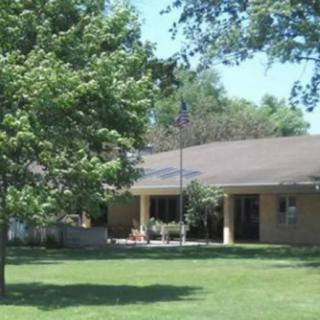
The SD Human Services Center - Geriatric Program in Yankton, SD is a senior living community that offers a wide range of amenities and services to enhance the quality of life for its residents.

The community features a beauty salon where residents can enjoy haircuts, styling, and other salon services. Residents can also relax and watch their favorite shows with access to cable or satellite TV in their own rooms.

Transportation is made convenient with community operated transportation as well as transportation arrangements available for non-medical purposes and doctors' appointments.

For computer enthusiasts, there is a computer center equipped with high-speed internet and Wi-Fi.

Dining experiences at the community are exceptional with restaurant-style dining offered in a spacious dining room. Special dietary restrictions are accommodated to ensure every resident's needs are met. Meal preparation and service are provided by staff along with diabetes diets if required.

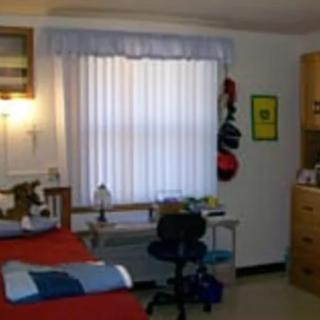
To ensure residents stay active and engaged, there is a fitness room where they can exercise at their convenience. Residents have access to fully furnished accommodations with private bathrooms for their comfort and privacy.

Social interaction is encouraged with various recreational options such as gaming rooms, small libraries, resident-run activities, scheduled daily activities, and planned day trips. A wellness center is available to support mental well-being.

Housekeeping services take care of maintaining cleanliness in the community, while move-in coordination makes the transition smooth for new residents. Outdoor spaces such as gardens allow residents to enjoy fresh air and nature.

Residents have peace of mind knowing that 24-hour call systems provide round-the-clock assistance if needed. There is also 24-hour supervision for added safety.

Medication management ensures that residents receive their prescribed medications on time. Assistance with activities of daily living like bathing, dressing, transfers, and special dietary restrictions are comprehensively catered to by caring staff.

Convenience surrounds the community as there are numerous nearby cafes, parks, pharmacies, physicians' offices, restaurants, hospitals, places of worship, and theaters. Residents can easily access these amenities to meet their personal needs.

In summary, the SD Human Services Center - Geriatric Program in Yankton, SD provides a comfortable and supportive environment for seniors. Residents can enjoy a variety of amenities and services while knowing that their health and well-being are taken care of by a dedicated staff.

Nearby Places of Interest

Restaurants

  • Burger King (0 miles)
  • Boomer's Lounge (0.3 miles)
  • Capitol Street Pub (0.3 miles)
  • 1872 Saloon (0.4 miles)
  • The Landing (0.4 miles)
  • Castle Rock Burgers (0.6 miles)
  • Jimmy John's (0.8 miles)

Parks

  • West Side Park (0 miles)
  • Riverside Park (0.4 miles)
  • National Park Service (0.7 miles)
  • Missouri National Recreational River (0.7 miles)
  • Crockett Park (1.1 miles)
  • Yankton Parks & Recreation (1.2 miles)
  • Gavins Point (1.7 miles)

Places of Worship

  • Trinity Lutheran Church (0.1 miles)
  • Faith Alive Church (0.1 miles)
  • Congregational Church (0.2 miles)
  • Antioch Baptist Church (0.3 miles)
  • Sacred Heart Catholic Church (0.4 miles)
  • Bishop Marty Chapel (0.6 miles)
  • Peace Center: Benedictine Spirituality & Retreats (0.6 miles)

Physicians

  • Willcockson Eye Associates PC (0.1 miles)
  • Chiu James Horizon Health Care Yankton (0.5 miles)
  • Yankton Anesthesiology (0.5 miles)
  • Siouxland Oral Surgery (0.5 miles)
  • Orthopedic Institute (0.7 miles)
  • Lewis & Clark Family Medicine (0.7 miles)
  • McKenzie Hanson MD (0.8 miles)

Pharmacies

  • Medicine Shoppe Pharmacy (0.1 miles)
  • Roger's Family Pharmacy (0.1 miles)
  • Yankton Drug Company (0.3 miles)
  • Good Neighbor Pharmacy (0.8 miles)
  • Yankton Medical Clinic Pharmacy (0.8 miles)
  • Walgreens (1.3 miles)
  • Hybee Pharmacy (1.4 miles)

Cafes

  • Willa B's Bistro & Emporium (0.2 miles)
  • Loafers (0.2 miles)
  • Willa B's Bistro & Emporium (0.3 miles)
  • Sunrise Coffee (1.2 miles)

Transportation

  • River City Cab (0.7 miles)
  • U-Haul Neighborhood Dealer (2.6 miles)

Hospitals

  • Avera Sacred Heart Hospital (1.4 miles)
  • Avera Health (1.7 miles)
  • Lewis & Clark Specialty Hospital (2.1 miles)
  • South Dakota Human Services Center (3.1 miles)
  • Avera Sacred Heart Medical Clinic (10.8 miles)

Theaters

  • Carmike Cinemas (1.4 miles)

Frequently Asked Questions

Where is Sd Human Services Center - Geriatric Program?

Nearby Communities

Related Resources

  • caregiver dutiesTen Vital Duties of a Senior Caregiver: A Comprehensive Guide

    The guide details ten essential responsibilities of senior caregivers, including personal care, mobility assistance, medication management, and emotional support, while emphasizing the importance of safety, nutrition, and maintaining a safe living environment to enhance seniors' quality of life and independence.

  • memory games for seniors9 Stimulating Memory Activities for Seniors: Puzzles, Cards, and Much More

    The article highlights nine memory-boosting activities for seniors that enhance cognitive health and social interaction, including puzzles, trivia quizzes, and storytelling, while emphasizing the importance of adapting these activities to individual preferences to maximize enjoyment and engagement. Consistent mental engagement is linked to improved cognitive function and emotional well-being in older adults.

  • what happens when medicare stops paying for nursing home careManaging Nursing Home Expenses After Medicare Coverage Ends

    Medicare provides limited coverage for skilled nursing home care, covering full benefits for the first 20 days and partial benefits up to 100 days under certain conditions, after which families must explore alternative funding options like Medicaid or long-term care insurance to manage potentially high costs. Proactive planning is essential to navigate the complexities of financing ongoing care once Medicare coverage ends.