
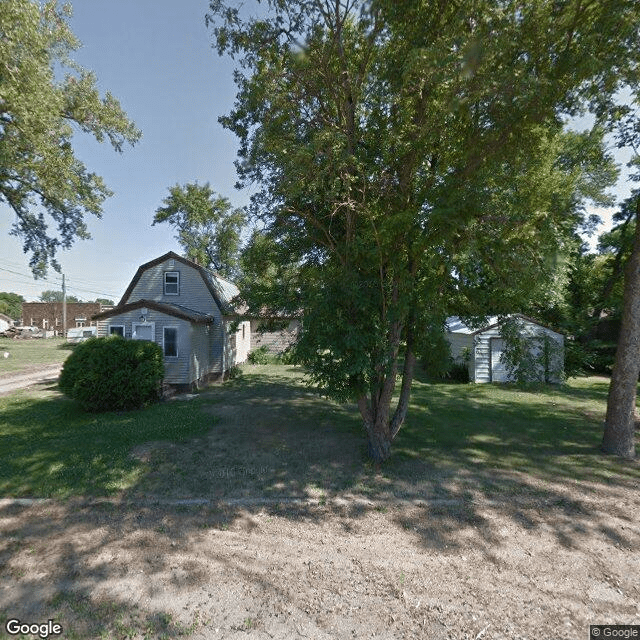
PO Box 195, Roslyn, SD 57261
To contact a resident: (605) 486-4523
For more information about senior living options: (866) 208-4318
Overall Review of Strand Kjorsvig Rest Home
Pros
 They cared for the reviewer’s father during his recovery, earning eternal gratitude.
- The facility has great staff who treat residents like family, making it a wonderful place for families.
- They took very good care of the family.
Cons
 None found.
Review
This community is best suited for families seeking a warm, home-like setting where a loved one can recover from illness or surgery or receive steady daily assistance while staying in a small, intimate environment. Strand Kjorsvig Rest Home in Roslyn, SD shines for residents who value personal attention, familiarity, and a sense that staff treat residents as family. It works well for short- to mid-term stays where the emphasis is on comfort, daily companionship, and a caregiving team that remains consistently engaged with the person’s well-being.
The strongest upside, as repeatedly echoed by families, is the staff’s dedication. Reviewers describe the workers as great and attentive, and they reiterate that residents are treated with care and warmth. The facility earns praise for creating an environment that feels like home, where caregivers cultivate relationships and families feel gratitude for the support given to a loved one during recovery or daily living. That relational strength translates into steadier routines, fewer care gaps, and a palpable sense of trust between families, residents, and the care team.
Alternatives are worth considering for a subset of needs. For individuals whose requirements extend beyond gracious support, specifically those needing higher levels of medical oversight, complex wound care, or specialized memory care, this setting may not be the best fit. Prospective families should recognize that Strand Kjorsvig Rest Home emphasizes a homey, person-centered atmosphere rather than a large-scale clinical environment. If a loved one requires intensive nursing supervision, advanced rehabilitation services, or dementia-specific programming, other options with more robust skilled-nursing or memory-care capabilities could be preferable.
The positive attributes do offset potential drawbacks in meaningful ways. The same staff-and-family orientation that creates comfort and trust can also compensate for limited capacity in some services typically found in larger facilities. The intimate scale often allows for superior communication, quicker responsiveness, and deeper familiarity with a resident’s preferences and history. In practical terms, families should weigh this against what might be less abundant, such as on-site specialists, a broad activities calendar, or the latest rehab equipment. For many, the trade-off is worthwhile because the emotional security and consistent care flow directly support recovery and day-to-day quality of life.
Practical decision-making hinges on alignment with care goals, logistics, and expected duration of stay. Location in Roslyn makes regular visits feasible for nearby families, and the affectionate, family-first culture supports ongoing engagement from kin. Cost considerations, though not detailed here, should be weighed against the perceived value of personalized attention and continuity of caregivers. It is essential to verify each resident’s care plan, confirm the scope of medical services available on-site, and assess whether nutrition, therapy, and activity options meet the individual’s needs. A thorough tour with the administrator, questions about staff turnover, and conversations with current residents or families will yield clarity.
Bottom line: Strand Kjorsvig Rest Home is a strong choice for seniors who thrive in a caring, family-oriented setting and for families prioritizing responsive staff and daily companionship during recovery or routine care. It excels where personal attention and emotional support are paramount, and those strengths can substantially offset the absence of a large, highly medicalized environment. For residents needing more intensive clinical oversight, dementia-specific programs, or a wider array of therapeutic services, alternatives with stronger medical emphasis should be explored. A disciplined visit, direct conversations about care plans, and a clear sense of long-term goals will determine whether this rest home matches the anticipated trajectory of the loved one’s care.
 Skilled Nursing Facility




 In-Home Care Costs in 2025: A Detailed State-by-State Exploration
 Understanding Home Health Care: A Comprehensive Guide
 Home Health Care Demystified: A Comprehensive Guide for Families and Caregivers