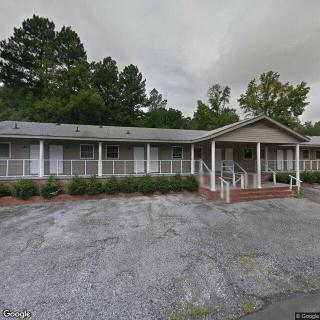
1850 Crestview Road, Easley, SC 29642
For more information about senior living options: (866) 208-4318
Overall Review of Capstone Rehabilitation And Healthcare
Pros
 Capstone staff are actively helping the patient acclimate to a wheelchair.
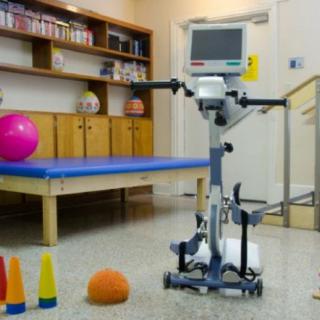
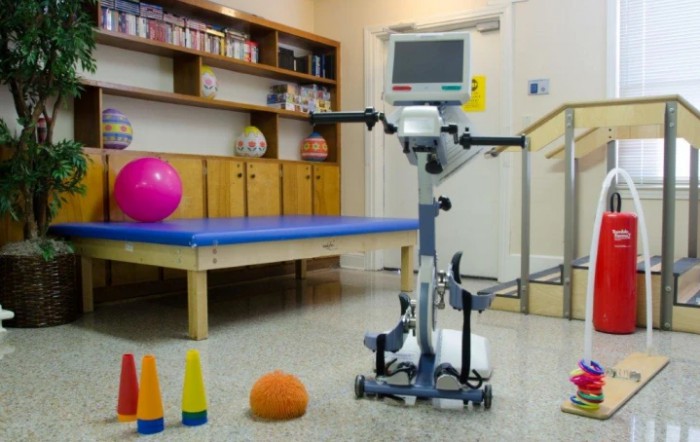
- The patient receives daily therapy for one hour as part of his rehabilitation.
- The rehab program includes strengthening exercises for the right side.
- Capstone is a rehab center offering both short-term and long-term rehabilitation.
Cons
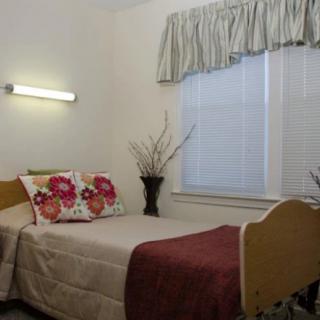
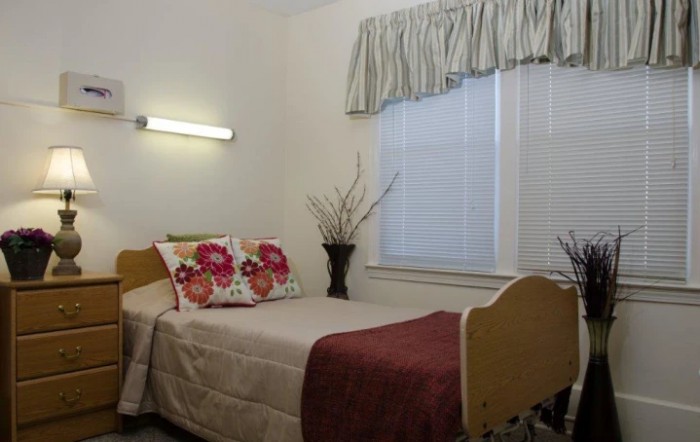
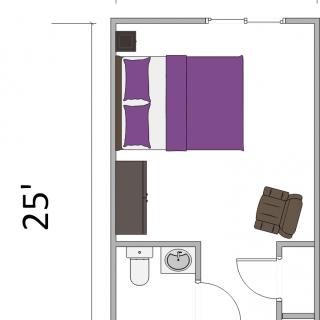
 The room is not very big.
- The patient does not want to use a wheelchair.
- The patient criticizes the food, joking that they could cook better than the staff.
Review
Capstone Rehabilitation And Healthcare in Easley, SC is best suited for seniors who need a focused rehab environment with clear mobility goals and are comfortable with modest accommodations. This community functions as a practical, goals-driven facility where short- and long-term rehabilitation coexist, and where the emphasis is on getting residents back to independent function rather than delivering resort-style amenities. It works well for families seeking a program that prioritizes therapy and accountability, with staff who will push for progress in basic activities of daily living, transfers, and ambulation, even if the living spaces and dining experience are intentionally lean.
Those considering alternatives should note this is not the choice for someone who needs expansive private rooms, high-end dining, or a rich social calendar. If the top priorities are luxurious surroundings, gourmet meals, or extensive non-therapeutic programming, other communities will likely better meet those expectations. It may also be less appealing for anyone requiring intensive, hour-after-hour therapy or a longer, more immersive inpatient stay with a broader array of specialized services. In short, Capstone shines for rehab-focused stays with steady, practical momentum rather than for indulgent comfort or elaborate long-term care experiences.
The strongest positives here center on rehabilitation priorities and staff engagement. The facility positions itself as a rehab center capable of short- and long-term planning, with an explicit aim to improve mobility and functional independence. Therapy exists in a structured, disciplined way, one hour of daily therapy is the norm, which, in the right case, can translate into meaningful gains when combined with consistent follow-through and a patient who is motivated to regain walking ability. The staff’s willingness to address a resident’s mobility challenges, such as acclimating to a wheelchair and strengthening the right side, offers a practical pathway to discharge readiness and safer home transitions, which can offset concerns about amenities if progress is steady.
However, the negatives deserve frank consideration. The room size described in the feedback is tight, which can feel confining for anyone expecting more personal space or a quieter private environment during recovery. Therapy time, while meaningful, appears limited to about an hour daily, raising questions for families counting on aggressive, multi-hour rehabilitation plans to accelerate independence. Food quality is another sticking point; a perception of subpar meals can dampen morale, especially for residents who rely on therapy-driven routines and need consistent, enjoyable nourishment to sustain energy for exercises. The underlying tension, preferring to walk while the program emphasizes wheelchair use, highlights the importance of aligning therapy goals with patient preferences to maintain motivation and engagement.
To decide, families should verify a few specifics that directly influence outcomes. Clarify the total therapy hours per week, the mix of PT and OT, and whether therapy intensity can be increased if progress stalls. Probe the room options and potential for upgrades, private or semi-private arrangements, and any flexibility to modify the living space to support safety and comfort. Inquire about dining accommodations, meal variety, and whether dietary preferences or restrictions can be more effectively met. Confirm discharge planning, home safety coaching, and the availability of assistive devices and community-based resources to ensure seamless transition after the stay ends. Finally, compare costs against anticipated gains in independence to determine whether Capstone’s rehab-focused model delivers sufficient value.
In the end, Capstone Rehabilitation And Healthcare presents a pragmatic, experience-tested option for seniors who want a disciplined rehabilitation track with mobility as the central objective. For residents whose priority is a comfortable, spacious setting or culinary excellence, competing communities may offer a better fit. The decision rests on whether steady, goal-oriented therapy and real progress toward walking and daily functional independence outweigh the compromises in room size and dining quality. With the right expectations, clear goals, and proactive family involvement, Capstone can translate a stay into meaningful steps toward home.
 60 resident community capacity
 Skilled Nursing Facility
 Air-conditioning
 Beauty salon
 Cable or satellite TV
 Computer center
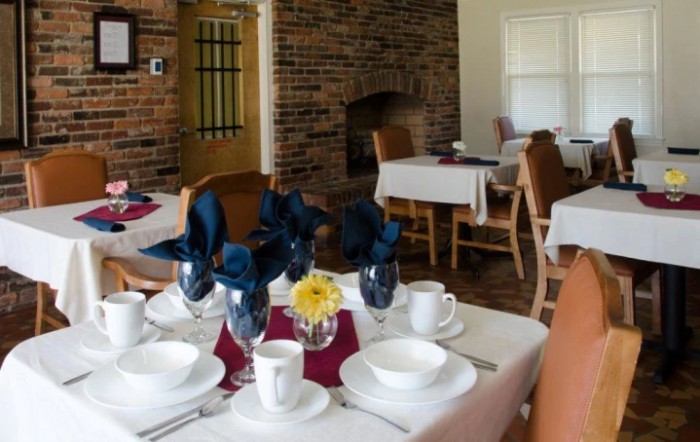
 Dining room
 Fitness room
 Fully furnished
 Gaming room
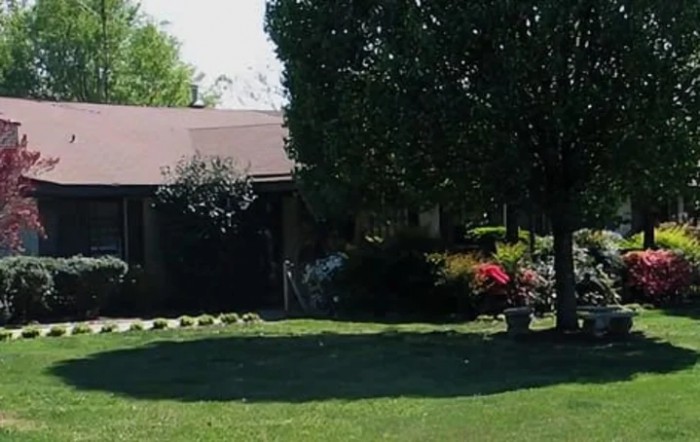
 Garden
 Housekeeping services
 Kitchenette
 Move-in coordination
 Outdoor space
 Private bathrooms
 Restaurant-style dining
 Small library
 Telephone
 Wellness center
 Wi-Fi/high-speed internet available
 Greenville-Spartanburg (20 miles away)
 Community operated transportation
 12-16 hour nursing
 24-hour call system
 Activities of daily living assistance
 Assistance with bathing
 Assistance with dressing
 Assistance with transfers
 Diabetes diet
 Medication management
 Mental wellness program
 Special dietary restrictions
 Concierge services
 Planned day trips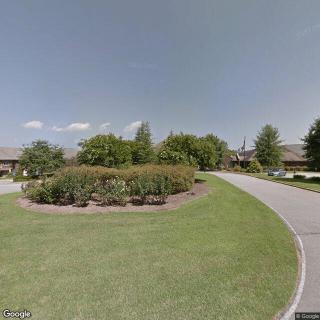


 Understanding the Sandwich Generation: Stress and Responsibilities for Multigenerational Caregivers
 8 Essential Assistive Devices for Older Adults
 Navigating the Financial Road to Nursing Home Care: In-Depth Guidance and Resources