

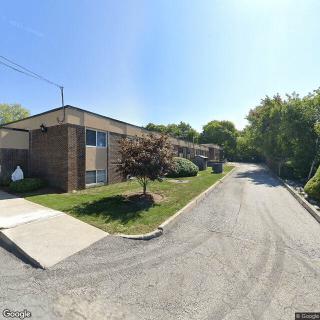
568 Child Street, Warren, RI 02885
For more information about senior living options: (866) 208-4318
Overall Review of Crestwood Nursing & Rehabiliation Center
Pros
 The staff and the food seem very nice.
- The place is clean.
- The home-like atmosphere is appealing, and the upper-level staff are kind and considerate to residents and their families.
- The nursing and therapy staff provide compassionate care.
- The therapists deliver excellent PT, OT, and speech and truly care about residents’ progress.
- Administrative and social work staff provide emotional support.
Cons
 They claim the facility’s gross incompetence led to their loved one’s death.
- They say the loved one was placed in a basement room with an unsuitable roommate, and their diet was changed away from the charted mashed/ground foods due to dysphasia.
- They recount the loved one, who had been walking and talking the night before, was bedridden the next day and tested for a suspected UTI.
- They allege antibiotics were started and continued despite negative results, with the AC running constantly near the bed.
- They report a daytime CNA told them the loved one was fed pancakes and apple juice for breakfast while they slept through the weekend.
- They assert Crestwood misdiagnosed the condition and failed to provide appropriate treatment, and warn others to stay away.
Review
Crestwood Nursing & Rehabilitation Center in Warren is best suited for families seeking a warm, home-like skilled-nursing environment with a clear rehab orientation and a staff that feels accessible. The facility shows strength in bridging hospital-level care and daily life, with an emphasis on therapy, physical, occupational, and speech, delivered by teams that residents and families describe as attentive and genuinely involved. Those who value a friendly, family-style atmosphere and a campus where aides, nurses, and therapists seem visible and present will find Crestwood a reassuring place for short- or mid-term rehabilitation, transition from hospital care, or ongoing skilled nursing with a humane touch.
However, potential residents should weigh alternatives if the top priority is airtight clinical oversight and a track record of consistently preventing medical missteps. A few accounts describe serious errors in care and diagnosis that culminated in grave consequences, underscoring that even well-regarded facilities can have dangerous gaps. For families needing highly specialized dementia care, rigorous safety protocols, or aggressive, mobility-focused rehab under tight supervision, other options may deliver greater confidence in day-to-day medical decision-making and rapid escalation when problems arise.
On the upside, the strongest endorsements center on kindness, accessibility, and a therapy-first approach. Staff on the upper level are repeatedly described as compassionate, professional, and easy to reach, with administration and social work offering substantial emotional support. The environment feels like a family home rather than a sterile institution, and visitors frequently remark on clean surroundings and a diet that residents tolerate well. The rehab team, PT, OT, and speech therapists, has produced meaningful progress for residents who can engage, and families note that therapists stay engaged with patients’ goals, not simply completing tasks.
Still, the record includes serious red flags that cannot be dismissed. One highly detailed account alleges a cascade of missteps around monitoring, nutrition, and timely escalation that ended in hospital transfer and a tragic outcome for a loved one. Another family describes a mismatch between care needs and what Crestwood provided, including inappropriate room assignments, diet deviations for dysphagia, and complaints about mobility therapy not producing results. While these are individual stories, they illuminate real gaps in consistency, medical responsiveness, and adherence to care plans that families must probe before enrollment, especially for residents with complex medical histories.
Prospective families should demand a clear, written rehab plan before admission: daily therapy hours, goals, and how progress will be tracked; a dedicated medical-director presence or reliable physician on-call; explicit diet orders aligned with swallowing issues; timely communication protocols for changes in condition; and a transparent process for reassigning rooms if needs shift. Visit during a tour with questions about staffing ratios on the rehab floor, how often therapy staff coordinate with hospital teams, and how hospice or palliative care options are integrated if end-of-life needs arise. Confirm that family members can participate in care conferences and that loved ones are moved promptly to higher levels of care when required.
Crestwood stands out for families prioritizing a humane, therapy-forward nursing environment with a palpable sense of community. When the care team is aligned with a resident’s goals and the medical oversight is solid, Crestwood can deliver steady rehab gains, meaningful companionship, and peace of mind. But the facility’s history includes notable incidents that warrant rigorous vetting; alternatives should be considered for those who cannot tolerate the possibility of delayed responses or care-plan deviations. For the right mix of warmth, accessible staff, and a robust therapy program, Crestwood is a credible choice, provided that a careful due-diligence process and clear safeguards are in place.
 76 resident community capacity
 Skilled Nursing Facility
 Air-conditioning
 Beauty salon
 Cable or satellite TV
 Computer center
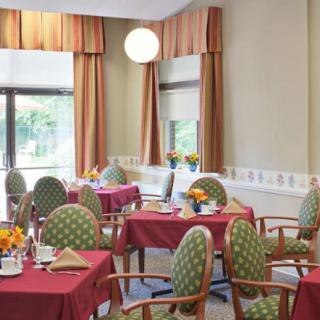
 Dining room
 Fitness room
 Fully furnished
 Gaming room
 Garden
 Housekeeping services
 Kitchenette
 Move-in coordination
 Outdoor space
 Private bathrooms
 Restaurant-style dining
 Small library
 Telephone
 Wellness center
 Wi-Fi/high-speed internet available
 Theodore F Green State (9 miles away)
 Community operated transportation
 12-16 hour nursing
 24-hour call system
 Activities of daily living assistance
 Assistance with bathing
 Assistance with dressing
 Assistance with transfers
 Diabetes diet
 Medication management
 Mental wellness program
 Special dietary restrictions
 Concierge services
 Planned day trips






 Understanding the Nuances of Palliative Care and Hospice: A Comprehensive Exploration
 Fecal Incontinence in Older Adults: A Comprehensive Guide
 Nurturing Well-Being Through Gardening: A Detailed Guide for Senior Enthusiasts