For more information about senior living options: (866) 208-4318
3.1 from 37 reviews
5 stars
15
4 stars
3
3 stars
2
2 stars
3
1 stars
14
Overall Review of Barnes-Kasson County Hospital
common8 reviews mention this
Caring doctors and nurses stand out
Many residents describe nurses and doctors as genuinely caring.
Across several reviews, residents and families say the doctors and nurses took time to listen and went above and beyond to make them comfortable. Multiple accounts mention quick, helpful care in emergency situations and positive follow-through once admitted. Even when other parts of the experience were criticized, a few reviewers still point to good nurses as a bright spot.
common2 reviews mention this
Nearby emergency care eases access
Residents value how close the emergency room is.
A couple of reviews emphasize that the emergency room is close by and easy to reach compared with driving to other options. That lines up with the hospital being right at the same location as the community listing.
caveat6 reviews mention this
Misdiagnosis and missed issues are recurring
Some reviewers report misdiagnosis or missed medical problems.
Several negative reviews describe incorrect diagnoses, including situations where imaging was read in a way that did not match later findings elsewhere. Others mention repeated problems where patients felt issues were missed and they needed follow-up or second opinions. Even reviewers who had mixed experiences still describe times when care did not address the problem as expected.
caveat5 reviews mention this
Staff attitudes and delays frustrate visits
Some reviews mention rude interactions or slow response.
A number of reviews complain about bedside manner, including being spoken to dismissively or feeling like staff were focused elsewhere while patients waited. Others describe long waits during emergency and urgent-walk-in style visits, along with limited testing when symptoms raised concerns. Taken together, these accounts portray an experience that can feel slow and uneven depending on the visit.
caveat3 reviews mention this
Basic equipment and outdated ER setup
Some reviewers say the ER setup lacks basic equipment.
A few reviews criticize the physical emergency-room environment and describe it as under-equipped, including having limited supplies and uncomfortable workspaces. Others add that certain areas felt outdated and that walk-in or emergency-style care did not provide the testing or treatment patients expected. While some reviews are positive about getting care quickly, these accounts focus on limitations during emergency visits.
How we summarize
Counts show how many written reviews mention each theme; a review can touch several themes, and only frequently mentioned themes are displayed.
Features
Housing
58 resident community capacity
Types of Care
Skilled Nursing Facility
Amenities
Air-conditioning
Beauty salon
Cable or satellite TV
Computer center
Dining room
Fitness room
Fully furnished
Gaming room
Garden
Housekeeping services
Kitchenette
Move-in coordination
Outdoor space
Private bathrooms
Restaurant-style dining
Small library
Telephone
Wellness center
Wi-Fi/high-speed internet available
Transportation
Community operated transportation
Transportation arrangement
Transportation arrangement (non-medical)
Transportation to doctors appointments
Care Services
12-16 hour nursing
24-hour call system
24-hour supervision
Activities of daily living assistance
Assistance with bathing
Assistance with dressing
Assistance with transfers
Diabetes diet
Meal preparation and service
Medication management
Mental wellness program
Special dietary restrictions
Dining
Diabetes diet
Special dietary restrictions
Activities
Community-sponsored activities
Concierge services
Fitness programs
Planned day trips
Resident-run activities
Scheduled daily activities
Nearby Places of Interest
Hospitals
Barnes Kasson Hospital (0 miles)
Endless Mountain Health Systems (16.3 miles)
Endless Mountains Health Systems (16.4 miles)
New York State Inebriate Asylum (17.8 miles)
Binghamton Psychiatric Center (17.9 miles)
Our Lady of Lourdes Memorial Hospital (18.4 miles)
Lourdes Hospital (18.4 miles)
Places of Worship
First Baptist Church (0.4 miles)
Most Holy Trinity Parish Susquehanna (0.4 miles)
Church of Jesus Christ of Latter Day Saints (2.4 miles)
Medicare provides limited coverage for skilled nursing home care, covering full benefits for the first 20 days and partial benefits up to 100 days under certain conditions, after which families must explore alternative funding options like Medicaid or long-term care insurance to manage potentially high costs. Proactive planning is essential to navigate the complexities of financing ongoing care once Medicare coverage ends.
Geriatric care managers create personalized care plans for older adults, addressing their medical, social, financial, and psychological needs while coordinating services and advocating for their well-being. They help families navigate caregiving challenges but may be hindered by high costs and a shortage of qualified professionals.
The article highlights the importance of empathy and open communication when comforting someone who is grieving, noting that grief is unique to each individual and emphasizing the need for sincere expressions of condolence, active listening, and ongoing support. It also addresses cultural differences in mourning practices and encourages tailored approaches to provide effective comfort.
Get PricingAsk A QuestionSchedule A TourContact Senior Advisor
By clicking submit, you agree to our Partner's Terms of Use. You
also consent to receive calls and texts, which may be autodialed, from our Partner. Your consent is not a condition to
using our Partner's service. Please visit our Partner's Privacy Policy for information about their privacy practices.

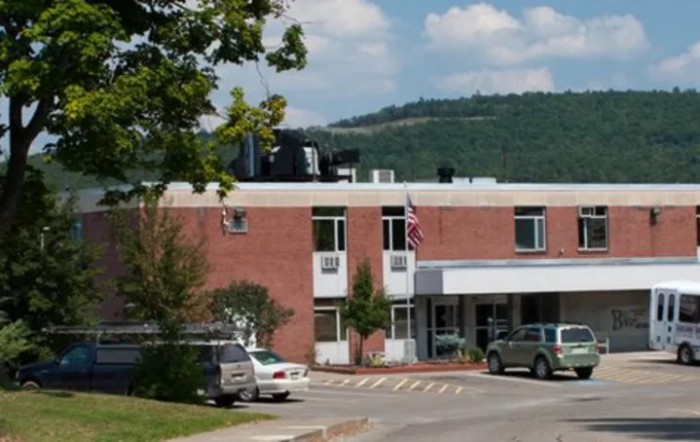
 58 resident community capacity
 Skilled Nursing Facility
 Air-conditioning
 Beauty salon
 Cable or satellite TV
 Computer center
 Dining room
 Fitness room
 Fully furnished
 Gaming room
 Garden
 Housekeeping services
 Kitchenette
 Move-in coordination
 Outdoor space
 Private bathrooms
 Restaurant-style dining
 Small library
 Telephone
 Wellness center
 Wi-Fi/high-speed internet available
 Community operated transportation
 12-16 hour nursing
 24-hour call system
 Activities of daily living assistance
 Assistance with bathing
 Assistance with dressing
 Assistance with transfers
 Diabetes diet
 Medication management
 Mental wellness program
 Special dietary restrictions
 Concierge services
 Planned day trips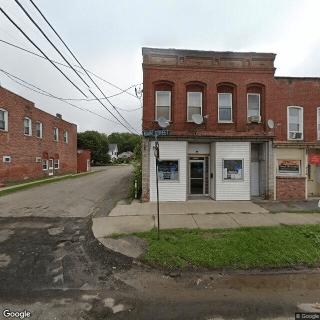
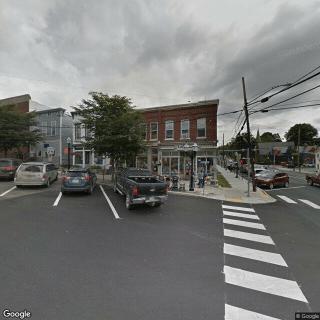
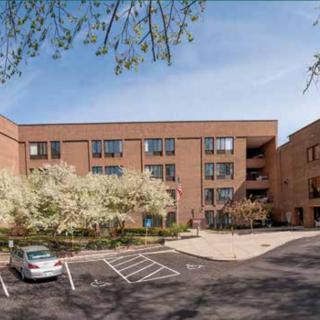
 Peaceful neighborhood with nearby amenities and pet-friendly policy.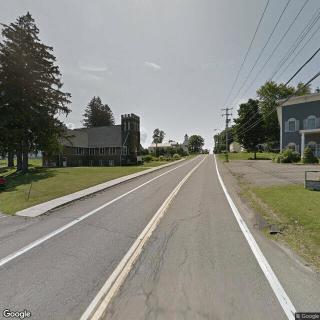

 Managing Nursing Home Expenses After Medicare Coverage Ends
 Is a Geriatric Care Manager the Right Choice for Your Family?
 Compassionate Conversations: How to Comfort Someone Who Is Grieving