For more information about senior living options: (866) 208-4318
2.6 from 25 reviews
5 stars
8
4 stars
3
3 stars
0
2 stars
0
1 stars
14
Overall Review of Transitions Healthcare Autumn Grove Care Center
caveat4 reviews mention this
Care and medication concerns recur
Residents and families raise serious concerns about medication handling and follow-through.
Several reviewers describe medication-related problems, including missed insulin/blood sugar care and breathing medicine neglect. Others mention narcotics being stolen or staff not following procedures, with resulting harm or lack of trust. A reviewer also says pain medication was taken and that residents were left waiting on the toilet. While some families report good nursing care, the medication and oversight concerns come up often enough to be a key consideration.
caveat6 reviews mention this
Cleanliness and odors are major issues
Multiple residents report troubling cleanliness and odor problems in daily life.
A number of reviews describe the facility as dirty and unsanitary, with strong, unpleasant odors. Some reviewers also point to how rooms and common spaces look and feel when they visited, including broken or uncared-for areas. One review ties the smell to deodorizing rather than improving conditions. On the other hand, a smaller set of reviewers explicitly say they found the building clean with no odor, showing the experience is not uniform.
caveat4 reviews mention this
Phone access and call responsiveness
Communication delays, especially by phone, show up in the reviews.
Several families say they had trouble getting through by phone or experienced long waits before reaching the right place. A few describe gaps in updates and outreach, including days without hearing back about a loved one’s status. One reviewer also describes having difficulty getting their messages returned to social work or nursing. In contrast, another resident says that when they pressed the call button for help, someone responded quickly and checked in.
common3 reviews mention this
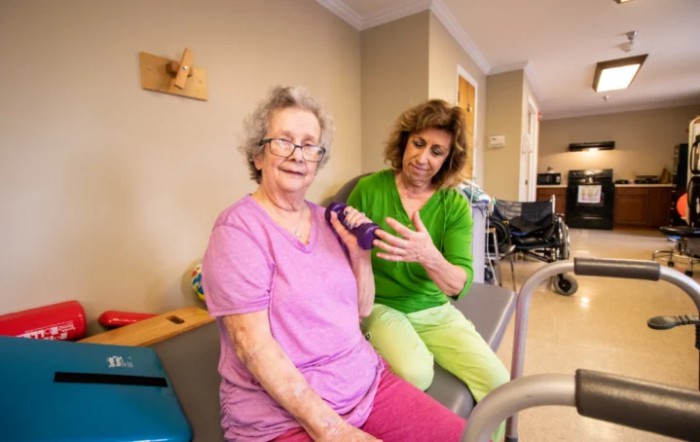
Rehab and physical therapy get praise
Rehabilitation and physical therapy are described positively by some residents.
Reviews from people who were at the community for rehab or recovery emphasize physical therapy quality. One reviewer specifically calls the physical therapy department wonderful and reports strong help during rehab after injury and surgery. Another family describes excellent short-term rehab and nursing care, and a third says physical therapy was excellent throughout their stay. Even with these positives, other reviews focus on care problems and cleanliness, so rehab praise is not universal.
common7 reviews mention this
Staff warmth and teamwork stand out
Many reviewers describe staff who are friendly, caring, and responsive.
Across several positive reviews, families and residents describe attentive caregiving and easy communication with the team. Some praise specific leadership for being quick to address concerns, while others highlight that staff made the experience positive for long-term residents. Even in reviews that criticize the facility overall, at least one reviewer notes that most staff were nice. At the same time, other reviews describe rude or neglectful behavior, making staff quality a mixed theme rather than a guaranteed experience.
How we summarize
Counts show how many written reviews mention each theme; a review can touch several themes, and only frequently mentioned themes are displayed.
Features
Housing
103 resident community capacity
Types of Care
Skilled Nursing Facility
Amenities
Air-conditioning
Beauty salon
Cable or satellite TV
Computer center
Dining room
Fitness room
Fully furnished
Gaming room
Garden
Housekeeping services
Kitchenette
Move-in coordination
Outdoor space
Private bathrooms
Restaurant-style dining
Small library
Telephone
Wellness center
Wi-Fi/high-speed internet available
Transportation
Community operated transportation
Transportation arrangement
Transportation arrangement (non-medical)
Transportation to doctors appointments
Care Services
12-16 hour nursing
24-hour call system
24-hour supervision
Activities of daily living assistance
Assistance with bathing
Assistance with dressing
Assistance with transfers
Diabetes diet
Meal preparation and service
Medication management
Mental wellness program
Special dietary restrictions
Dining
Diabetes diet
Special dietary restrictions
Activities
Community-sponsored activities
Concierge services
Fitness programs
Planned day trips
Resident-run activities
Scheduled daily activities
Nearby Places of Interest
Restaurants
Family Tradition Restaurant (0.1 miles)
Coney Island (4.6 miles)
Subway (4.6 miles)
Genova's Resturant (4.6 miles)
Broad Street Grille (4.7 miles)
Taco Bell (4.7 miles)
McDonald's (4.7 miles)
Places of Worship
Galilean Baptist Church (1.3 miles)
Tower Presbyterian Church (4.6 miles)
Gateway Community Church (5 miles)
Slippery Rock United Methodist Church (5.1 miles)
Beloved Disciple (5.6 miles)
Crestfield (7.9 miles)
Irwin Presbyterian Church (9.2 miles)
Physicians
Butler Health Systems FastER Care (4.6 miles)
Family Healthcare Partners (4.6 miles)
Daniel Ferguson, MD (4.6 miles)
Laurel Eye Clinic (4.6 miles)
Body Beautiful Laser Medi-Spa (4.6 miles)
Tri Rivers Consulting Services (4.6 miles)
Grove City Family Practice (4.7 miles)
Pharmacies
Rite Aid (4.6 miles)
Medicine Shoppe (4.7 miles)
Rite Aid (4.7 miles)
RX Xpress Pharmacy (4.8 miles)
Walmart Pharmacy (6.2 miles)
Medicine Shoppe (13.7 miles)
Rite Aid (13.9 miles)
Hospitals
United Community Hospital (4.9 miles)
Grove City Medical Center (5 miles)
Parks
Grove City Park (5.4 miles)
Rock Falls Park (6.4 miles)
Jennings Environmental Education Center (8.2 miles)
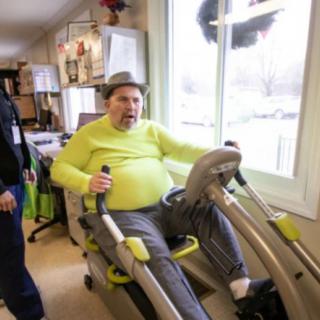
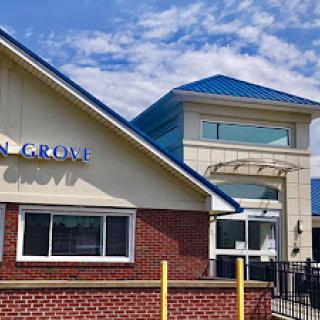
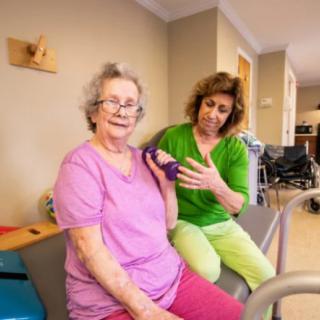
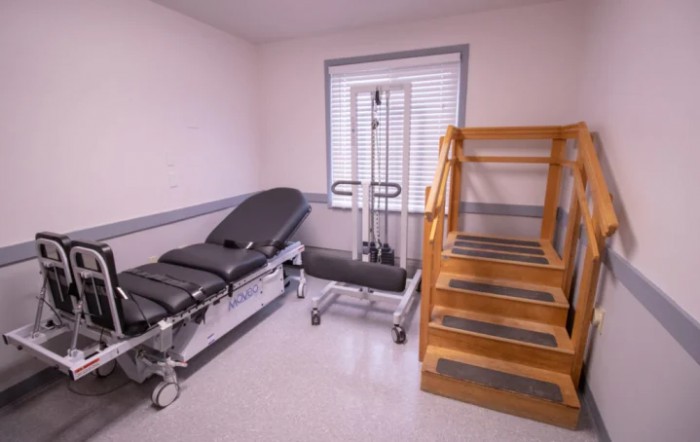
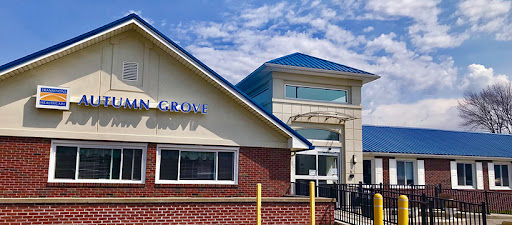
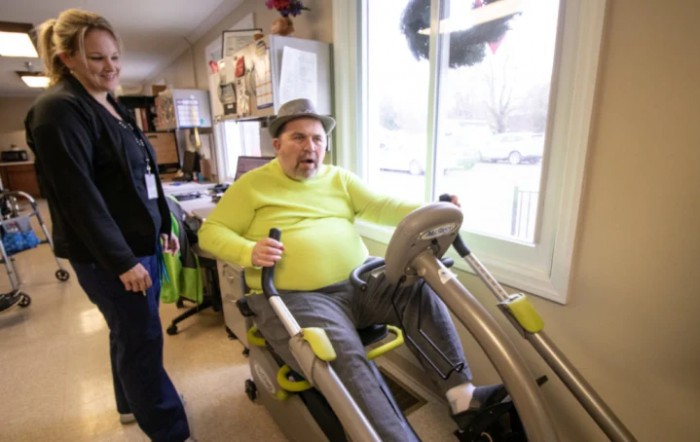
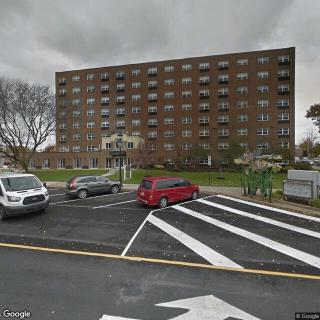
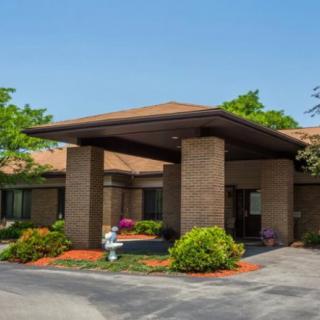
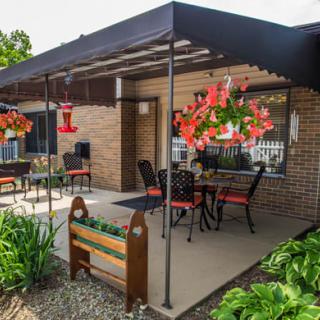
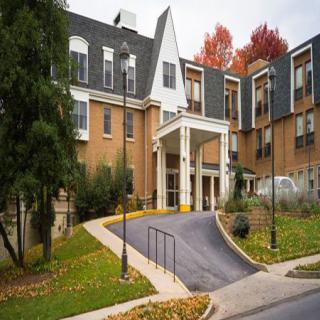
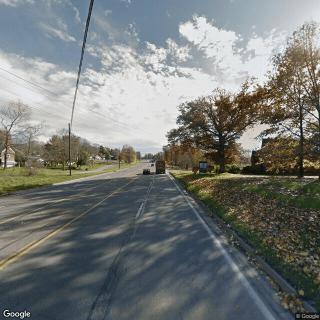
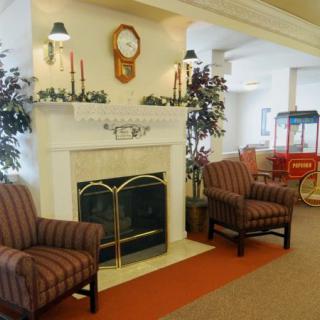
Transitions Healthcare Autumn Grove Care Center on seniors.fyi includes 4 photos including images showing rehabilitation, physical therapy, exercise, staircase, healthcare, assistance, interior, exercise equipment, and more.
Nearby Communities
Fellowship Manor
Grove City, PA
4.3 from 28 reviews
Convenient access to parks, healthcare, dining, transport, and worship in a peaceful setting.
Newberry Apartments
Gove City, PA
3.5 from 4 reviews
Excellent nearby amenities and healthcare access
Penn Grove Hotel Inc
Grove City, PA
2.9 from 14 reviews
$1,200 / month
Affordable $1,200/month two-bedroom with accessible amenities and diabetic care.
College View Towers
Grove City, PA
4.6 from 10 reviews
Excellent access to healthcare, pharmacies, dining, and transportation nearby.
Grove Manor I
Grove City, PA
3.6 from 22 reviews
Friendly staff, clean facility, and strong on-site therapy and activity options.
The Pines at Grove Manor
Grove City, PA
4.1 from 25 reviews
$3,573 to $4,417 / month
Friendly staff and a clean, welcoming environment with extensive activities and on-site therapies.
Shenango On The Green
New Wilmington, PA
4 from 22 reviews
$2,360 to $6,330 / month
Quality meals and a welcoming, family-oriented atmosphere with social activities.
Concordia at the Orchard
Butler, PA
4.6 from 14 reviews
Welcoming staff and residents in a well-maintained, appealing environment.
Lowrie Place
Butler, PA
4.3 from 47 reviews
$3,284 to $5,624 / month
Caring staff with engaging activities in a clean, welcoming environment.
Fecal incontinence, prevalent among older adults, arises from factors like weakened pelvic muscles and nerve damage, significantly affecting well-being and social interactions. Diagnosis involves clinical evaluation and tests to inform tailored treatments, while caregivers and preventive measures can aid in managing the condition effectively.
Anticipatory grief is an emotional response to the impending loss of a loved one, characterized by complex emotions such as sadness and anger, and involves navigating stages similar to those identified by Kübler-Ross. Coping strategies are vital for managing this process, emphasizing compassionate communication, self-care, and support groups while recognizing the cultural influences on grieving.
Adult day care programs offer essential support and activities for older adults, yet many hesitate to participate due to concerns about independence and stigma. To alleviate these apprehensions, families should facilitate open discussions, explore financial resources, suggest trial visits, and collaborate with healthcare providers to highlight the benefits of such services for both the participants and their caregivers.
Transitions Healthcare Autumn Grove Care Center photos
×
Interior
Building
Healthcare
Staircase
Interior, Windows, and Exercise Equipment
Building and Architecture
Healthcare and Assistance
Rehabilitation and Physical Therapy
Exercise
Staircase
Get PricingAsk A QuestionSchedule A TourContact Senior Advisor
By clicking submit, you agree to our Partner's Terms of Use. You
also consent to receive calls and texts, which may be autodialed, from our Partner. Your consent is not a condition to
using our Partner's service. Please visit our Partner's Privacy Policy for information about their privacy practices.

 103 resident community capacity
 Skilled Nursing Facility
 Air-conditioning
 Beauty salon
 Cable or satellite TV
 Computer center
 Dining room
 Fitness room
 Fully furnished
 Gaming room
 Garden
 Housekeeping services
 Kitchenette
 Move-in coordination
 Outdoor space
 Private bathrooms
 Restaurant-style dining
 Small library
 Telephone
 Wellness center
 Wi-Fi/high-speed internet available
 Community operated transportation
 12-16 hour nursing
 24-hour call system
 Activities of daily living assistance
 Assistance with bathing
 Assistance with dressing
 Assistance with transfers
 Diabetes diet
 Medication management
 Mental wellness program
 Special dietary restrictions
 Concierge services
 Planned day trips
 Convenient access to parks, healthcare, dining, transport, and worship in a peaceful setting.
 Fecal Incontinence in Older Adults: A Comprehensive Guide
 Recognizing the Journey: Understanding and Navigating Anticipatory Grief
 Encouraging Participation in Adult Day Care: A Guide to Supporting a Hesitant Parent