For more information about senior living options: (866) 208-4318
3.7 from 56 reviews
5 stars
31
4 stars
6
3 stars
3
2 stars
2
1 stars
14
Rehab & Nursing Center Greater Pittsburgh Costs & Pricing
Rehab & Nursing Center Greater Pittsburgh offers competitive pricing for its services compared to both Westmoreland County and the broader Pennsylvania state averages. For a semi-private room, the monthly cost at this facility is $2,985, which is slightly higher than the county's average of $2,955 but significantly lower than the state average of $3,542. When considering studio accommodations, the center's price of $3,413 aligns closely with the county's average of $3,436 while remaining beneath the state's average of $3,737. For one-bedroom options, Rehab & Nursing Center Greater Pittsburgh presents a cost of $3,944 - comparable to Westmoreland County's average of $3,433 yet slightly exceeding Pennsylvania's average rate of $4,006. Overall, these figures highlight a pricing structure that seeks to provide value while remaining mindful of regional trends in care costs.
Floor plans
Rehab & Nursing Center Greater Pittsburgh
Westmoreland County
Pennsylvania
Semi-Private
$2,985
$2,955
$3,542
Studio
$3,413
$3,436
$3,737
1 Bedroom
$3,944
$3,433
$4,006
Skilled Nursing Facilities with a similar price nearby
Overall Review of Rehab & Nursing Center Greater Pittsburgh
common15 reviews mention this
Rehab therapy gets strong praise
Residents frequently describe physical therapy and rehab support as effective and skilled.
Many residents and family members highlight therapy as a core strength, pointing to knowledgeable physical and occupational therapy and progress during short stays or longer rehab periods. Several reviews also mention coordinated rehab across disciplines, including occupational and speech therapy, with staff focused on helping residents regain daily abilities. A smaller set of reviews criticize rehab care quality and suggest delays or understaffing, especially during call-for-help moments.
common12 reviews mention this
Food quality is a common theme
Food quality stands out, with multiple residents calling it very good.
Positive reviews repeatedly say meals are very good, arrive hot, and are prepared well enough that residents notice details like preferred items. The community also offers restaurant-style dining, and several accounts describe food that makes the stay feel more comfortable. Not all feedback is positive: a few reviews complain about cold meals or overall food quality.
caveat12 reviews mention this
Staffing and call-bell responsiveness vary
Call-bell response and staffing levels are described inconsistently by residents and families.
Some residents describe nurses checking in and responding in a timely way, and a few mention feeling comfortable calling for help. Others report slow responses to call bells, buzzer-related delays, and an understaffed feeling that can affect pain medication timing and general care. A few reviews also describe residents waiting for attention or care that felt minimal when help was needed.
caveat12 reviews mention this
Cleanliness and upgrades are mixed
Reviews describe cleanliness and building condition as a mix of improvements and older upkeep.
Many reviews describe the facility as clean, including everyday room cleaning and sanitary conditions, plus updated or newer-feeling rooms and interior improvements during renovations. Other residents and families say the building still feels dated, cold, or could be cleaner, and some raise concerns about maintenance. Overall, the experience with upkeep and the facility’s feel seems to depend on timing and the specific area being used.
How we summarize
Counts show how many written reviews mention each theme; a review can touch several themes, and only frequently mentioned themes are displayed.
Features
Housing
120 resident community capacity
Types of Care
Skilled Nursing Facility
Amenities
Air-conditioning
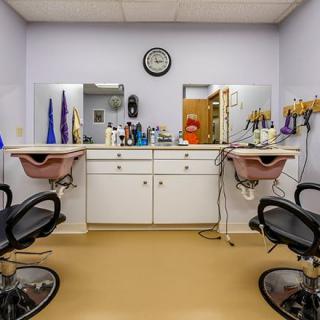
Beauty salon
Cable or satellite TV
Computer center
Dining room
Fitness room
Fully furnished
Gaming room
Garden
Housekeeping services
Kitchenette
Move-in coordination
Outdoor space
Private bathrooms
Restaurant-style dining
Small library
Telephone
Wellness center
Wi-Fi/high-speed internet available
Transportation
Community operated transportation
Transportation arrangement
Transportation arrangement (non-medical)
Transportation to doctors appointments
Care Services
12-16 hour nursing
24-hour call system
24-hour supervision
Activities of daily living assistance
Assistance with bathing
Assistance with dressing
Assistance with transfers
Diabetes diet
Meal preparation and service
Medication management
Mental wellness program
Special dietary restrictions
Dining
Diabetes diet
Special dietary restrictions
Activities
Community-sponsored activities
Concierge services
Fitness programs
Planned day trips
Resident-run activities
Scheduled daily activities
Videos
Nearby Places of Interest
Physicians
Westmoreland Women's Health Centers (0.1 miles)
Last Joel MD Psychiatrist (0.3 miles)
Last Joel Dr (0.3 miles)
Associates in Ophthalmology (0.3 miles)
Bousamra Medical (0.6 miles)
Hartman Ophthalmic Associates (0.6 miles)
Dr. Jacob DiCesare, DO - DiCesare Orthopedic Medicine (0.7 miles)
Restaurants
Meadows Original Frozen Cstrd (0.3 miles)
Parkwood Inn Restaurant (0.8 miles)
Burger King (0.8 miles)
McDonald's (0.9 miles)
Wendy's (0.9 miles)
South Greensburg Restaurant (0.9 miles)
Primanti Bros. Restaurant and Bar Greensburg (1 miles)
Rehab & Nursing Center Greater Pittsburgh offers competitive pricing for its services compared to both Westmoreland County and the broader Pennsylvania state averages. For a semi-private room, the monthly cost at this facility is $2,985, which is slightly higher than the county's average of $2,955 but significantly lower than the state average of $3,542. When considering studio accommodations, the center's price of $3,413 aligns closely with the county's average of $3,436 while remaining beneath the state's average of $3,737. For one-bedroom options, Rehab & Nursing Center Greater Pittsburgh presents a cost of $3,944 - comparable to Westmoreland County's average of $3,433 yet slightly exceeding Pennsylvania's average rate of $4,006. Overall, these figures highlight a pricing structure that seeks to provide value while remaining mindful of regional trends in care costs.
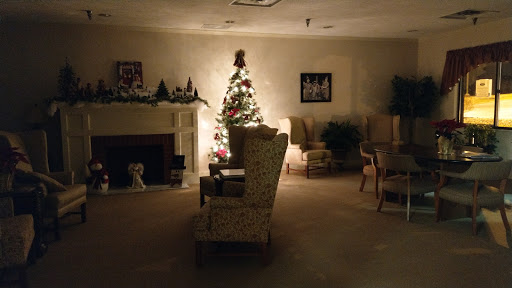
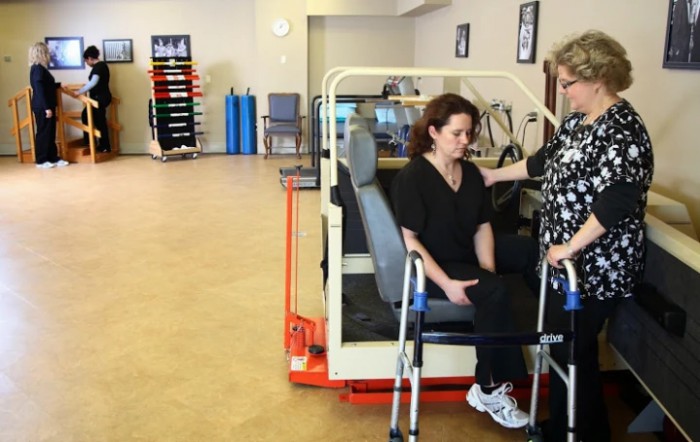
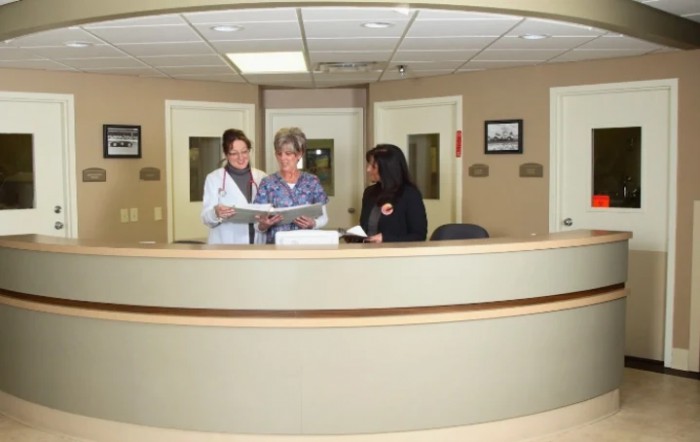
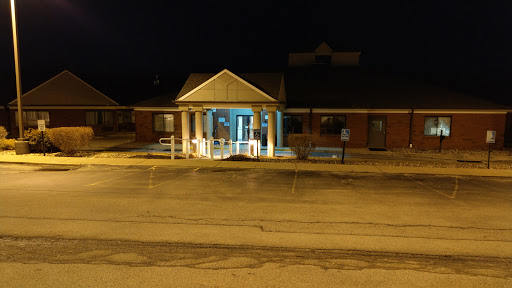
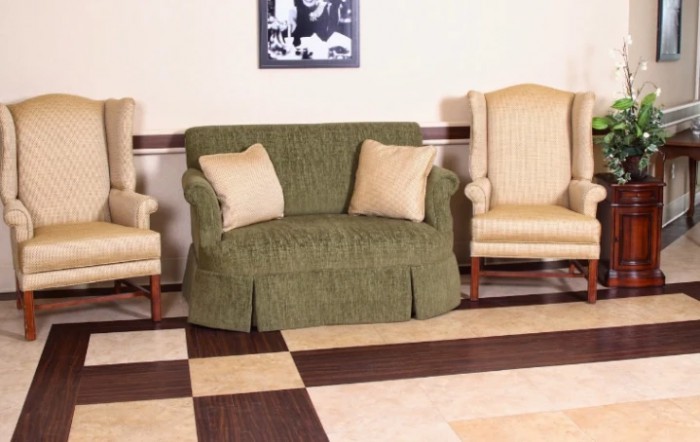
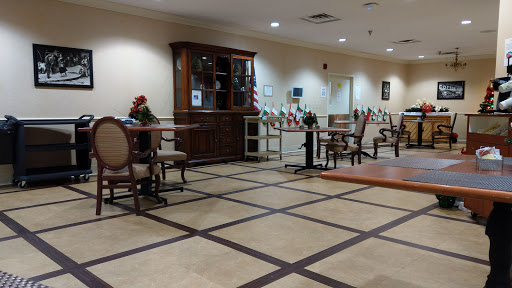
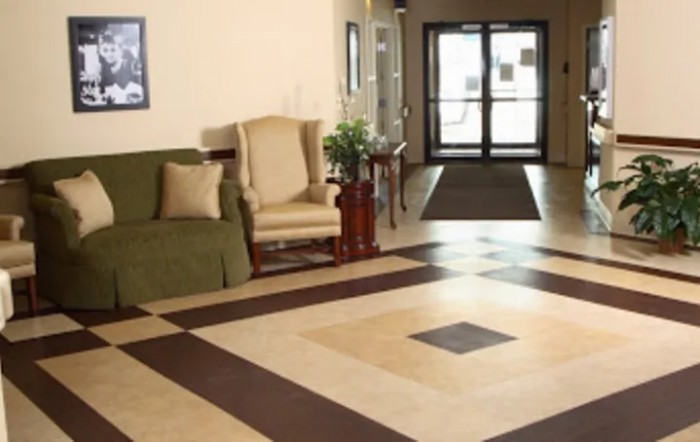
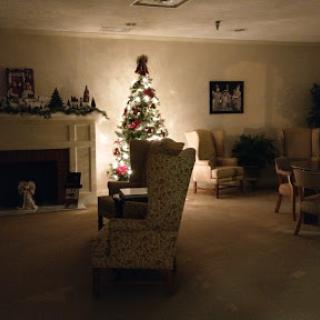
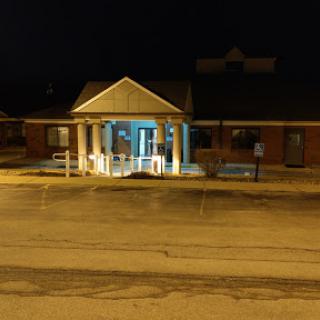
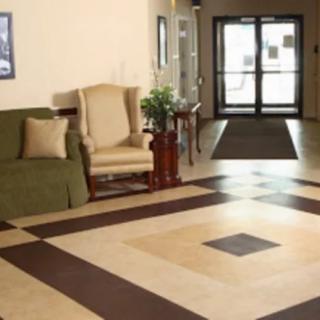
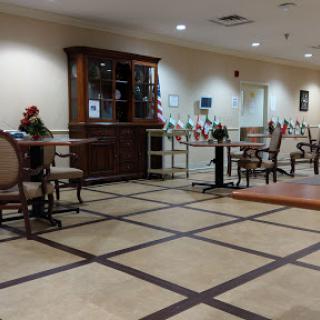
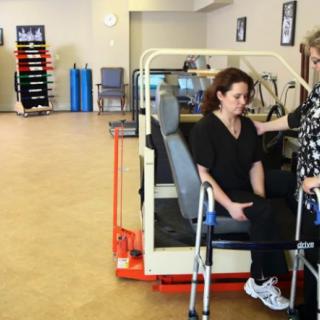
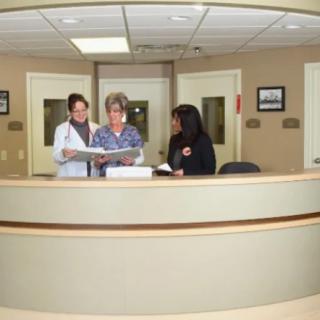
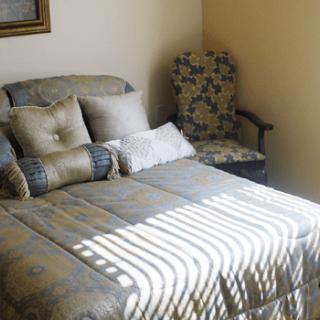
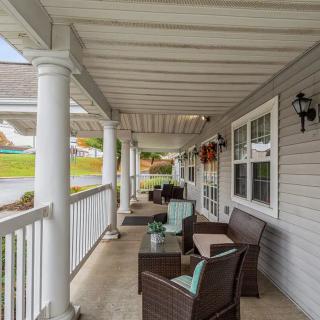
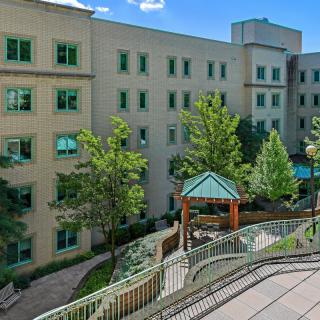
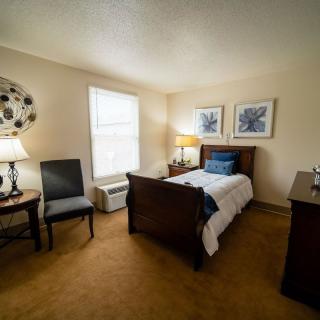
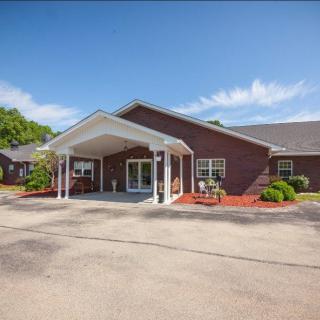
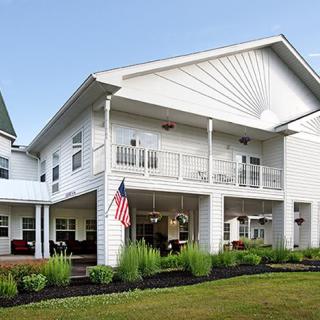
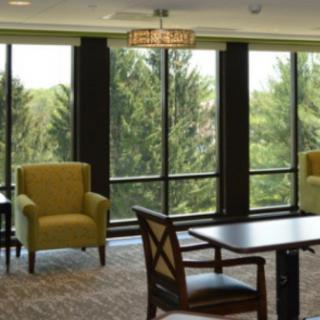
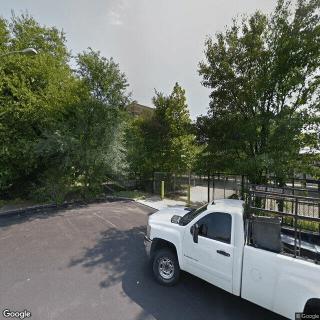
Rehab & Nursing Center Greater Pittsburgh on seniors.fyi includes 7 photos including images showing interior, living room, lobby, exercise equipment, wheelchair, building, outdoor, architecture, and more.
Nearby Communities
Weatherwood Manor
Greensburg, PA
3.7 from 20 reviews
$2,120 to $2,590 / month
Active community with clean facilities and restaurant-style dining.
Mark Sayre Personal Care Home
Greensburg, PA
Great access to parks, healthcare, dining, and cultural venues nearby.
Newhaven Court at Lindwood
Greensburg, PA
4.6 from 136 reviews
$3,104 to $4,694 / month
Friendly, attentive staff with engaging activities and a clean, inviting environment.
HomeWell Senior Care
Greensburg, PA
Personalized, compassionate care in a warm, social environment with convenient access to nearby amenities.
St Anne Home
Greensburg, PA
4.6 from 131 reviews
Friendly staff, clean environment, and engaging activities.
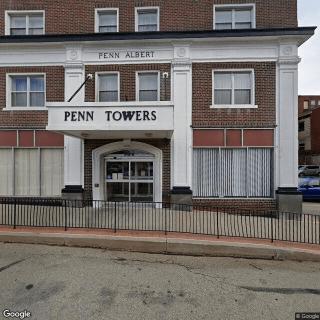
Penn Towers
Greensburg, PA
Nearby abundant amenities and healthcare options.
Hempfield Manor
Greensburg, PA
3.2 from 48 reviews
Compassionate, attentive staff in many cases.
Ridgeview Residential Care
Youngwood, PA
4.9 from 19 reviews
$1,700 to $2,200 / month
Friendly, compassionate staff with a clean environment, homemade meals, and engaging activities at an affordable rate.
Brookdale Latrobe
Latrobe, PA
4.5 from 85 reviews
$4,860 to $9,740 / month
Caring staff with personalized attention and engaging activities in a clean, welcoming environment.
California's Form 602A is a vital tool for evaluating the health needs of seniors seeking residential care, detailing their medical conditions and daily living requirements to ensure proper service alignment. This standardized form enhances communication among physicians, families, and facilities, serving as a regulatory measure for admissions and ongoing care while adapting to changing healthcare practices.
The overview of blood pressure management for seniors emphasizes the importance of monitoring and interpreting blood pressure readings, noting that normal ranges can vary due to age-related factors and individual health conditions. It highlights tailored guidelines for systolic and diastolic levels, the necessity of early detection and consistent management to prevent serious health complications, and advocates for personalized care strategies that incorporate lifestyle changes and medication adherence.
Dogs can greatly improve the lives of older adults by offering emotional support and encouraging physical activity, with factors such as size, temperament, and grooming needs being crucial in selecting a suitable breed. Senior dogs often make ideal companions for this demographic, promoting social connections and requiring care routines that align with seniors' capabilities.
Exercise Equipment, Rehabilitation, Physical Therapy, and Wheelchair
Reception
Get PricingAsk A QuestionSchedule A TourContact Senior Advisor
By clicking submit, you agree to our Partner's Terms of Use. You
also consent to receive calls and texts, which may be autodialed, from our Partner. Your consent is not a condition to
using our Partner's service. Please visit our Partner's Privacy Policy for information about their privacy practices.

 120 resident community capacity
 Skilled Nursing Facility
 Air-conditioning
 Beauty salon
 Cable or satellite TV
 Computer center
 Dining room
 Fitness room
 Fully furnished
 Gaming room
 Garden
 Housekeeping services
 Kitchenette
 Move-in coordination
 Outdoor space
 Private bathrooms
 Restaurant-style dining
 Small library
 Telephone
 Wellness center
 Wi-Fi/high-speed internet available
 Community operated transportation
 12-16 hour nursing
 24-hour call system
 Activities of daily living assistance
 Assistance with bathing
 Assistance with dressing
 Assistance with transfers
 Diabetes diet
 Medication management
 Mental wellness program
 Special dietary restrictions
 Concierge services
 Planned day trips
 Active community with clean facilities and restaurant-style dining.

 California's Form 602A: An In-Depth Examination of Senior Care Assessment
 Comprehensive Look at Senior Blood Pressure Charts: Normal and Elevated Levels by Age
 Top Canine Companions for Older Adults