






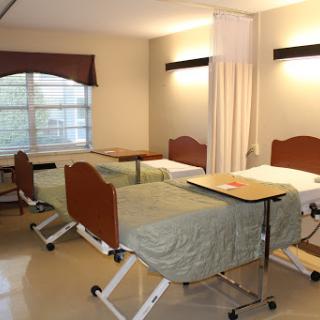
700 Leonard Street, Clearfield, PA 16830
For more information about senior living options: (866) 208-4318
Overall Review of Mountain Laurel Healthcare And Rehabilitation Center
Pros
 The staff are friendly and take time to answer questions.
- The nursing and rehab department is wonderful with the patients, with residents always having activities.
- Residents recover faster than expected thanks to Mountain Laurel's care.
- Families would want to return to Mountain Laurel for future rehab.
- The facility is very clean and the staff are attentive, delivering good care.
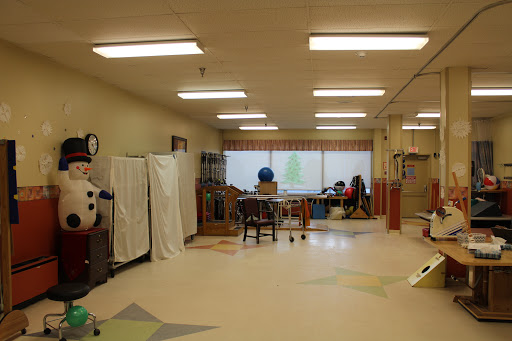
- The rehab program is outstanding with real therapists who help patients regain independence.
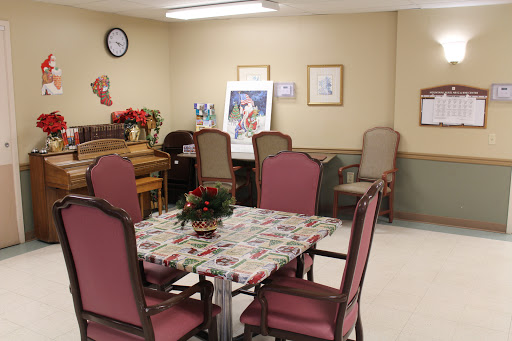
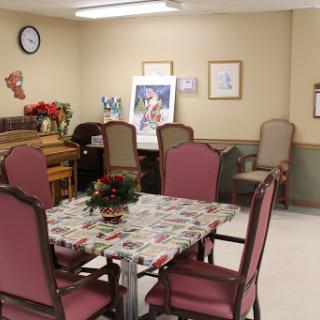
- The facility offers many activities and has a nice dining area.
Cons
 Nobody answers the phone here; callers are left on hold and eventually disconnected.
- There aren’t enough staff to provide the level of care they should.
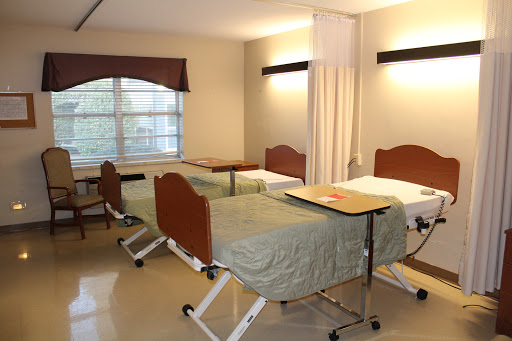
- The rooms are dirty and not cleaned regularly.
- Medical staff ignore patients’ medical needs and family messages.
- Some nurses were rough with patients and yelled at them, acting as though helping was a burden.
- The in-house doctor did not send a patient to the hospital when sugar rose above 500.
- COVID guidelines were not followed.
- After years of complaints, concerns were not addressed by management.
Review
Mountain Laurel Healthcare and Rehabilitation Center in Clearfield is best suited for seniors who need short-term, recovery-focused care after a hospital stay or major surgery and who prize a robust rehabilitation program paired with an active, socially engaging environment. In favorable accounts, the rehab and nursing teams are described as friendly and approachable, with medications and physical therapy administered on time and a calendar full of activities to keep residents occupied. When the goal is to regain strength quickly and demonstrate measurable progress in mobility, Mountain Laurel often delivers, with families crediting the staff and therapists for meaningful improvements in an elderly patient’s independence.
Those who may want to consider alternatives are families prioritizing steady, high-level medical oversight and consistently responsive communication. Several reviews flag staffing as a persistent concern, with perceived gaps in attention and uneven care quality. Phone access and timely follow-through with family members are repeatedly cited issues, as are instances where medical concerns were not escalated promptly. For loved ones requiring continuous medical supervision, rapid, reliable family communication, and a consistently clean, well-coordinated environment, these red flags can prove decisive.
Yet the strongest pro line, effective rehabilitation, often offsets many drawbacks for its intended use. The facility earns steady praise for a rehab program run by therapists who feel like real specialists, not generic aides, delivering practical therapy that translates into real gains. A comfortable dining environment, rooms described as adequate, and a broad schedule of activities further support recovery by promoting engagement and daily structure. For short-term residents, these elements frequently outweigh concerns about other operational gaps, contributing to faster return-to-home trajectories and greater confidence among families about the immediate care plan.
However, the cons are not trivial and should shape the decision making. Staffing shortages and uneven care quality can manifest as slower responses to needs, less time with each resident, and wavering consistency in medical oversight. Reports of rough handling, family messages left unaddressed, and health issues not escalated in a timely fashion erode trust and safety. Questions about room cleanliness, privacy, and administrative accountability surface in several accounts, painting a picture of a facility where patient experience can hinge on which staff member is on shift and how management handles complaints. These factors can weigh heavily for families with serious long-term care requirements or heightened sensitivities around oversight.
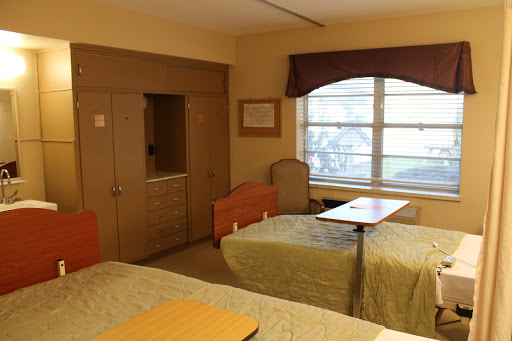
Given the variability, prospective families should calibrate expectations and verify specifics before committing. An in-person assessment is essential: observe interactions between staff and residents, request a tour of the rehab gym and treatment spaces, and ask for exact nurse-to-resident and therapist-to-resident ratios during peak times. Inquire about physician access, the speed of returning family calls, and the formal processes for medical updates and complaint resolution. Compare day-to-day life metrics, room cleanliness, meal quality, activity variety, and transportation options, with nearby options to determine whether the overall experience aligns with the loved one’s needs and family expectations.
Ultimately Mountain Laurel presents a pragmatic choice for families who place a premium on rehabilitation outcomes and social engagement, accepting that long-term medical oversight and administrative responsiveness may vary. For someone focused on rebuilding strength after surgery and who values consistent progress within a lively activity calendar, Mountain Laurel often proves its worth. For others whose priority is steady, transparent medical management and a uniformly reliable day-to-day experience, exploring alternatives is prudent. The recommended path is a deliberate visit, targeted questions, and a careful onboarding plan to monitor early weeks and confirm that the facility’s strengths endure while its weaker areas are clearly addressed.
 240 resident community capacity
 Skilled Nursing Facility
 Air-conditioning
 Beauty salon
 Cable or satellite TV
 Computer center
 Dining room
 Fitness room
 Fully furnished
 Gaming room
 Garden
 Housekeeping services
 Kitchenette
 Move-in coordination
 Outdoor space
 Private bathrooms
 Restaurant-style dining
 Small library
 Telephone
 Wellness center
 Wi-Fi/high-speed internet available
 Community operated transportation
 12-16 hour nursing
 24-hour call system
 Activities of daily living assistance
 Assistance with bathing
 Assistance with dressing
 Assistance with transfers
 Diabetes diet
 Medication management
 Mental wellness program
 Special dietary restrictions
 Concierge services
 Planned day trips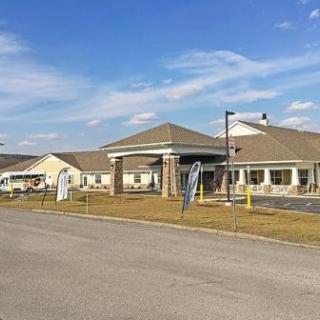




 Highly Beneficial Low-Impact Exercises for Senior Living Residents
 Is In-Home Healthcare Tax Deductible? Your Comprehensive Guide
 Nurturing Well-Being Through Gardening: A Detailed Guide for Senior Enthusiasts