



4062 Arleta Avenue Ne, Keizer, OR 97303
For more information about senior living options: (866) 208-4318
Overall Review of The Oaks At Sherwood Park
Pros
 The staff are outstanding and truly care about residents' well-being and comfort.
- Entertainers are frequently brought in and are top notch, bringing joy to residents.
- The facility regularly celebrates special days and holidays for residents.
- There is gratitude for the love and care shown by the staff.
- The staff are wonderful and caring to residents and to each other.
- Families would send their loved ones to this facility.
- The facility has over 40 years of history in the community and a fantastic team that cares deeply for the residents.
- Some visitors have had a good experience at the facility.
Cons
 The facility's in-house phone and call buzzers did not work, and residents had no access to the bathroom.
- The facility charged for two days despite the reviewer being there for about 14 hours.
- Pain medications could not be dispensed in a timely manner, nor was an ice bag provided.
- The facility denied phone calls to a resident's grandmother at the end of her days and refused to speak.
- The staff ignore patients' needs.
- Residents were left in wet and dirty diapers, leading to diaper rash and urinary tract infections.
- The hallway reeked of manure.
- The food was pathetic and lacked proper nourishment.
- Prescriptions that were prescribed were not given.
- The reviewer claimed residents were neglected, and maggots were found in the wounds of some residents due to inadequate care.
- The afternoon receptionist hung up the phone rudely.
Review
The Oaks At Sherwood Park is best suited for seniors who thrive on a lively social environment and for families who can stay actively involved in care planning. The community’s calendar is rich with in-house entertainment, holiday observances, and regular events that create opportunities for meaningful interactions. The long history of the campus, more than four decades, also lends a sense of stability and familiarity that can be comforting to residents who respond well to routine and a steady cadre of familiar staff. For families seeking a warm, community-centered atmosphere where residents are encouraged to participate and be connected, this facility can feel like a good fit.
At the same time, strong cautions are warranted for residents with higher medical acuity or for families that require consistently reliable safety and rapid medical responsiveness. Several accounts raise serious red flags about essential care processes: delayed or incomplete medication administration, difficulties accessing necessary personal care items, and call bells that fail to summon help promptly. There are multiple reports detailing end-of-life communication issues and restricted or inadequate family access at critical moments. Serious concerns about cleanliness, odor, and overall resident dignity also appear in the feedback, signaling that safety and comfort are not uniformly ensured.
The identified positives, the warmth of many staff members, genuine care for residents, and a vibrant activity calendar, do offer real social and emotional benefits that can enhance mood, reduce isolation, and create a sense of belonging. The presence of a long-tenured staff culture and demonstrations of ongoing effort by caregivers can translate into steadier daily routines and more personalized attention in some shifts. Yet these strengths are not enough to fully offset the main drawbacks. Where care lapses occur, they erode trust, raise safety questions, and threaten the overall well-being of residents, particularly when medical needs are unaddressed or communications with families break down.
Management and staffing dynamics contribute to the uneven experience. Several reviewers note a shift in leadership and personnel and report improvements since those changes, while others insist that substantial problems persist despite turnover. The contradictory feedback suggests inconsistent care delivery across shifts and days, which makes predictability unreliable. In a setting that must balance psychosocial benefits with medical safety, this inconsistency becomes a core risk factor that families must weigh carefully.
For families actively exploring options, practical next steps are essential. Request a tour focused on real-time care interactions, observe how staff respond to a resident’s obvious distress, and assess whether equipment and environmental conditions meet basic standards of safety and cleanliness. Ask explicit questions about medication administration timelines, response times to call bells, and the protocol for communicating changes in a resident’s condition to families. Inquire about end-of-life support, including how family updates are handled and how residents’ personal preferences are honored. Review recent state inspection reports and talk with multiple staff members across shifts to gauge consistency of care.
Ultimately, the decision hinges on balancing social enrichment and compassionate intent against documented safety and care-quality concerns. The Oaks At Sherwood Park can deliver meaningful engagement and warmth, which are invaluable for many residents. However, the severity and frequency of reported neglectful practices, medication delays, and communication gaps argue for caution, and for families to compare alternatives with stronger, more consistent records of medical responsiveness and accountability. If choosing this community, proceed with rigorous oversight, explicit care plans, and clear escalation paths to protect the resident’s health, dignity, and day-to-day safety.
 49 resident community capacity
 Skilled Nursing Facility
 Beauty salon
 Cable or satellite TV
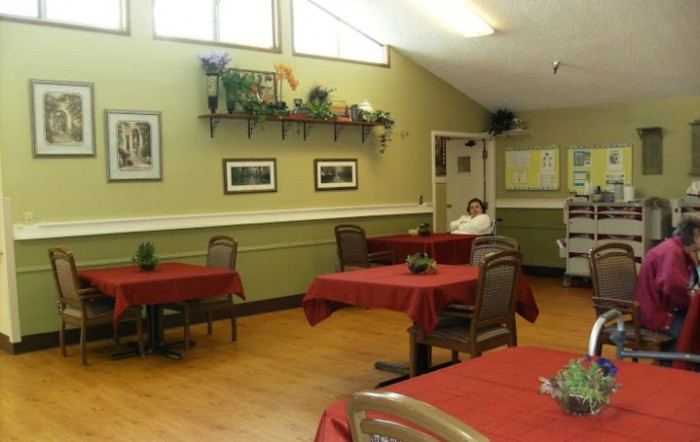
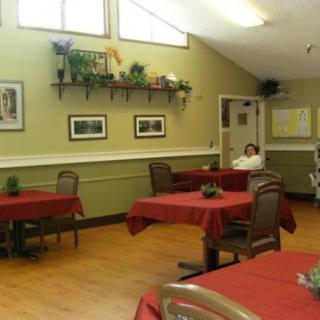
 Dining room
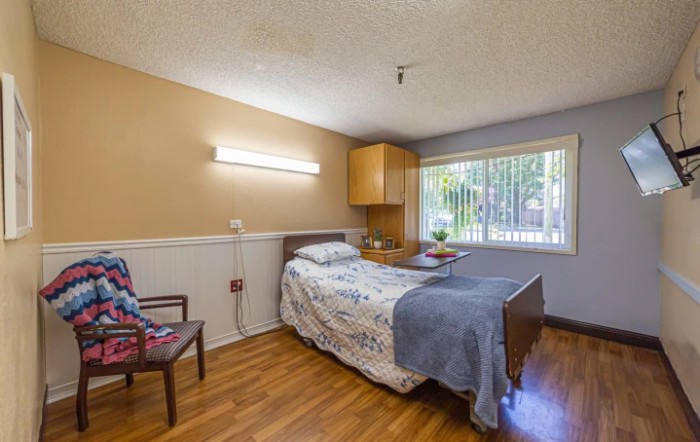
 Fully furnished
 Garden
 Housekeeping services
 Kitchenette
 Move-in coordination
 Outdoor space
 Restaurant-style dining
 Small library
 Telephone
 Wi-Fi/high-speed internet available
 24-hour call system
 Activities of daily living assistance
 Assistance with bathing
 Assistance with dressing
 Assistance with transfers
 Diabetes diet
 Medication management
 Mental wellness program
 Special dietary restrictions







 Is a Geriatric Care Manager the Right Choice for Your Family?
 Compassionate Conversations: How to Comfort Someone Who Is Grieving
 Home Health Care Aides: Understanding Their Role and Supporting Your Family