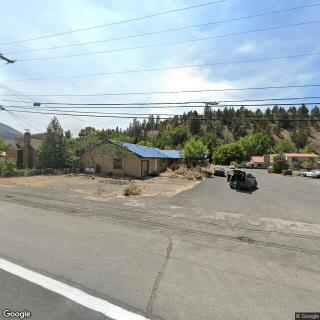
Blue Mountain Care Center

112 East Fifth Street, Prairie City, OR 97869

For more information about senior living options: (844) 490-3973

3 from 4 reviews
5 stars
2
4 stars
0
3 stars
0
2 stars
0
1 stars
2

Skilled Nursing Facility

Overall Review of Blue Mountain Care Center

Pros

  • pro The Blue Mountain Care Center is described as a wonderful facility within the county.
  • pro Residents have received excellent care and have been shown abundant kindness and love.
  • pro The staff are consistently upbeat, cheerful, loving, respectful, professional, and caring.
  • pro Administrators, nurses, CNAs, housekeeping, maintenance, and kitchen staff provide top-notch care.
  • pro The staff answer questions, address concerns, and keep families informed about any issues.
  • pro The care center has blessed the reviewer's family greatly.
  • pro The reviewer highly recommends this facility.

Cons

  • pro All the residents are being abused in some way.
  • pro It's basically a prison for the weak-minded.
  • pro It used to be a really nice place, but has declined.
  • pro They cut off half the dayroom for offices, and one whole hallway is shut down.
  • pro The zero-smoking policy is harsh for a 70-year-old who has smoked for 50 years.
  • pro There is duct tape on the doors.
  • pro It smells like urine.
  • pro There are known drug users running the place.

Review

Blue Mountain Care Center sits at the heart of the community, a place that has touched generations of families. For some, it has proven to be a haven where loved ones received steady, compassionate care and where kindness and professionalism were the norm. Across decades, relatives describe a facility that became part of their family story, a place where administrators, nurses, aides, and support staff worked in concert to keep residents safe and respected. One voice after another speaks of gratitude: a mother, a grandmother, an aunt, and others who spent their final days there or currently reside there note that the care they witnessed was consistently attentive. The messages repeatedly emphasize that questions were answered, concerns addressed, and issues promptly brought to light. In this view, Blue Mountain Care Center is not just a building; it is a community resource that families trust and celebrate.

Among the most enduring testimonials are those that emphasize the emotional warmth and steady professionalism of the staff. Review after review highlights the same core qualities: upbeat attitudes, cheerful demeanors, and a culture of respect, care, and genuine attention to residents. Families recount that administrators, nurses, certified nursing assistants, housekeeping staff, maintenance crews, and kitchen personnel all contribute to a seamless, comprehensive care environment. The overarching impression is that the people who work there are not only capable but also deeply committed to the well-being of those who call the center home. For many families, this has meant not just medical or daily living support, but a meaningful sense of dignity and comfort for their loved ones.

In the most positive narratives, the Care Center is portrayed as a place where care is consistent over time. One family notes that from before their loved one was placed there through the present moment, the care has remained steady and high quality. The praise extends to the entire spectrum of staff, from administrators to housekeeping, all described as dedicated, professional, and caring on a daily basis. Those who hold this view express profound gratitude, insisting that the people at Blue Mountain Care Center have made a real difference in their family member's life. They emphasize that they cannot imagine managing without the support and expertise of the facility's team, characterizing the staff as "the best" and essential to their loved one's well-being.

Yet, not all experiences are described in the same light. A contrasting account portrays Blue Mountain Care Center in sharply negative terms, portraying it as something akin to a prison for the weak-minded, no longer the place it once was. The critique points to visible changes within the facility - half of a dayroom being closed off for offices, an entire hallway shut down, and a policy environment described as restrictive, including a zero-tolerance stance on smoking that a long-time smoker finds punitive. The reviewer paints a picture of a place in decline, where structural changes have altered the daily rhythm of life for residents and families.

Another element of the critique centers on safety and environment. The same account mentions unsettling conditions: duct tape on doors, a smell described as urine in some areas, and the presence of "known drug users" within the facility. Taken together, these details convey a sense of decay and disarray that starkly contrasts with the otherwise glowing portrayals of care and kindness found elsewhere in the collection of reviews. The combination of physical reminders of deterioration and concerns about safety and drug activity creates a palpable tension: if the people are kind and the system can still function well, what happens when the building and its policies give rise to alarm and discomfort?

The juxtaposition of these perspectives - ardent praise from some families and grave concerns from others - creates a complex picture. For many, Blue Mountain Care Center represents a trusted institution that has sustained generations of loved ones with dignified, compassionate care. For others, the same place is viewed through a lens of concern and charged questions about safety, policy changes, and the overall condition of the environment in which residents live. The strongest recurring threads in the negative account are not just complaints about mood or tone but about tangible indicators: restricted spaces, shifts in daily life that feel abrupt, and a setting that raises questions about cleanliness, odor, and the presence of informal safety risks.

In light of these divergent experiences, the overarching message is one of urgency and responsibility. The call that opened the conversation - "these residents need justice" - signals a demand that concerns be heard and addressed with seriousness. Whether the aim is to ensure ongoing excellence in care, to restore a sense of safety and peace for residents, or to investigate and resolve clear allegations of mistreatment, the voices from these reviews insist that something important must be examined. Families want transparent communication, visible assurances about resident safety, and a culture where concerns can be raised without fear of dismissal.

Ultimately, Blue Mountain Care Center emerges as a place of both deep trust and deep concern, depending on whom you ask. The facility is clearly woven into the fabric of many families' histories, praised for its continuity of care and the evident dedication of its staff. At the same time, there are stark warnings from others who describe deteriorating conditions, restrictive changes, and troubling environmental details that provoke anxiety about the safety and dignity of residents. The combined narrative is a reminder that senior care is both profoundly personal and complex, demanding ongoing attention, vigilance, and a steadfast commitment to listening to every family's experience. If there are genuine safety or care concerns, it is essential that they be taken seriously, investigated appropriately, and addressed with the same care and respect that families say they have previously found at Blue Mountain Care Center.

Features

Housing

  • 40 resident community capacity 40 resident community capacity

Types of Care

  • Skilled Nursing Facility Skilled Nursing FacilitySkilled Nursing Facilities are crucial for seniors as they provide round-the-clock medical care, rehabilitation services, and assistance with daily activities. These facilities ensure that seniors receive the specialized care they need to maintain their health and well-being as they age.

Amenities

  • Beauty salon Beauty salonBeauty salons are important for seniors because they provide a space for them to feel pampered, socialize, and maintain their personal grooming and hygiene. Regular visits to a beauty salon can help boost seniors' self-esteem and overall well-being.
  • Cable or satellite TV Cable or satellite TVCable or satellite TV is important for seniors because it provides entertainment, news, and companionship, helping to combat loneliness and boredom. It also offers a wide range of programming options tailored to different interests and preferences.
  • Dining room Dining roomDining rooms are important for seniors as they provide a space for socialization, connection, and nutritious meals. They offer opportunities for residents to bond over shared meals, foster a sense of community, and promote healthy eating habits. Dining rooms also ensure that seniors have access to well-balanced meals tailored to their dietary needs and preferences.
  • Fully furnished Fully furnishedFully furnished senior living communities are important for seniors because they provide convenience, comfort, and a hassle-free moving experience. Seniors can easily settle into their new living space without the stress of having to buy and move furniture. This allows them to focus on enjoying their new home and community.
  • Garden GardenGardens are important for seniors as they provide a peaceful and therapeutic environment for relaxation, physical activity, and socialization. Being in nature has been shown to reduce stress, improve mood, and promote overall well-being. Gardens also offer opportunities for seniors to engage in gardening activities, which can improve mobility, flexibility, and cognitive function. Additionally, gardens create a sense of community and connection with others who share a passion for plants and outdoor spaces.
  • Housekeeping services Housekeeping servicesHousekeeping services are important for seniors because they help maintain a clean and safe living environment, promote independence, and reduce the risk of accidents or illnesses. Additionally, having assistance with household chores can alleviate physical strain and allow seniors to focus on other aspects of their well-being.
  • Kitchenette KitchenetteKitchenettes are important for seniors living in senior living communities because they provide the convenience and independence of being able to prepare simple meals and snacks in the comfort of their own living space. This can help promote a sense of autonomy and well-being for seniors, allowing them to maintain some level of control over their dietary choices and daily routines.
  • Move-in coordination Move-in coordinationMove-in coordination is important for seniors because it helps ease the transition into their new living environment. It ensures that all logistics, such as packing, organizing movers, and setting up utilities are taken care of, allowing seniors to focus on settling in and adjusting to their new home. Having a smooth move-in process can alleviate stress and anxiety, making the transition smoother and more enjoyable for seniors.
  • Outdoor space Outdoor spaceOutdoor spaces are important for seniors as they provide opportunities for physical activity, social interaction, exposure to natural light and fresh air, and a sense of connection to nature. Having access to outdoor spaces can improve overall well-being and quality of life for older adults living in senior communities.
  • Restaurant-style dining Restaurant-style diningRestaurant-style dining is important for seniors because it allows them to enjoy delicious, nutritious meals in a social and upscale setting. This enhances their dining experience, promotes healthy eating habits, and fosters socialization with fellow residents, ultimately contributing to their overall well-being and quality of life.
  • Small library Small librarySmall libraries are important for seniors as they provide access to a variety of reading materials, including books, newspapers, and magazines. This can help stimulate their minds, keep them engaged, and provide a sense of community through book clubs and other social activities. Additionally, reading has been shown to improve cognitive function and overall mental well-being in older adults.
  • Telephone TelephoneTelephones are important for seniors as they provide a lifeline for communication with loved ones, emergency services, and healthcare providers. They offer a sense of security and independence, enabling seniors to stay connected and access assistance when needed.
  • Wi-Fi/high-speed internet available Wi-Fi/high-speed internet availableWi-Fi/high-speed internet is important for seniors to stay connected with loved ones, access online resources, and participate in virtual activities to combat feelings of loneliness and isolation. It also allows them to easily manage healthcare needs, access entertainment, and engage in lifelong learning opportunities.

Care Services

  • 24-hour call system 24-hour call system24-hour call systems are important for seniors because they provide peace of mind and immediate assistance in case of emergencies. This technology ensures that help is always available, promoting safety and security for elderly individuals living alone or in assisted living facilities.
  • 24-hour supervision 24-hour supervision24-hour supervision is important for seniors to ensure their safety, well-being, and access to immediate assistance in case of emergencies or health issues. This constant support provides peace of mind for both seniors and their loved ones, allowing them to age in place with dignity and security.
  • Activities of daily living assistance Activities of daily living assistanceActivities of daily living assistance are important for seniors because they provide essential support with tasks such as eating, bathing, dressing, and mobility. This assistance helps seniors maintain their independence, dignity, and overall quality of life as they age.
  • Assistance with bathing Assistance with bathingAssistance with bathing is crucial for seniors as it helps maintain personal hygiene, prevents infections, and ensures their overall well-being and comfort. It also provides a sense of dignity and independence for seniors who may struggle with this task on their own.
  • Assistance with dressing Assistance with dressingAssistance with dressing is important for seniors because it helps maintain their independence, promotes personal hygiene, prevents accidents and injuries, and improves overall quality of life. This service ensures that seniors can continue to dress comfortably and confidently, despite any physical limitations they may have.
  • Assistance with transfers Assistance with transfersAssistance with transfers is crucial for seniors as it helps prevent falls and injuries, maintains their independence, and ensures they can safely navigate their living environment. It also provides peace of mind for both seniors and their loved ones.
  • Diabetes diet Diabetes dietA diabetes diet is crucial for seniors as it helps manage blood sugar levels, reduce risks of complications, and improve overall health and well-being. By following a balanced and nutritious diet tailored to their specific needs, seniors can better control their diabetes and enhance their quality of life.
  • Meal preparation and service Meal preparation and serviceMeal preparation and service are crucial for seniors as they may have limited mobility or energy to cook nutritious meals. Having access to healthy and convenient food options can ensure they are getting the proper nutrition needed to maintain their overall health and well-being.
  • Medication management Medication managementMedication management is crucial for seniors to ensure they are taking the right medications at the correct dosages and times. This helps prevent adverse drug interactions, reduces the risk of medication errors, and promotes overall health and well-being. Proactive management also allows for adjustments as needed based on changing health conditions or new prescriptions.
  • Mental wellness program Mental wellness programMental wellness programs are essential for seniors as they promote cognitive stimulation, emotional support, and social engagement. These programs help prevent isolation, depression, and cognitive decline, ultimately enhancing the overall quality of life for older adults.
  • Special dietary restrictions Special dietary restrictionsSpecial dietary restrictions are important for seniors because age-related changes in metabolism and health conditions can make it difficult for their bodies to process certain foods. By following a diet tailored to their specific needs, seniors can maintain their overall health and well-being, manage chronic conditions, and reduce the risk of complications such as malnutrition or food interactions with medications.

Dining

  • Diabetes diet Diabetes dietA diabetes diet is crucial for seniors as it helps manage blood sugar levels, reduce risks of complications, and improve overall health and well-being. By following a balanced and nutritious diet tailored to their specific needs, seniors can better control their diabetes and enhance their quality of life.
  • Special dietary restrictions Special dietary restrictionsSpecial dietary restrictions are important for seniors because age-related changes in metabolism and health conditions can make it difficult for their bodies to process certain foods. By following a diet tailored to their specific needs, seniors can maintain their overall health and well-being, manage chronic conditions, and reduce the risk of complications such as malnutrition or food interactions with medications.

Activities

  • Community-sponsored activities Community-sponsored activitiesCommunity-sponsored activities are important for seniors as they provide opportunities for social interaction, mental stimulation, and physical activity. These activities can help improve overall well-being, combat loneliness and isolation, and promote a sense of belonging and purpose among older adults.
  • Resident-run activities Resident-run activitiesResident-run activities are important for seniors as they encourage social interaction, creativity, and a sense of autonomy. These activities empower seniors to stay engaged and active in their community while fostering meaningful connections with their peers.
  • Scheduled daily activities Scheduled daily activitiesScheduled daily activities are important for seniors because they provide structure, socialization, mental stimulation, and physical activity. Engaging in regular activities can improve overall well-being and quality of life for seniors living in a community setting.

Description

Blue Mountain Care Center in Prairie City, OR is an assisted living community that offers a range of amenities and care services to meet the needs of its residents. The community provides a comfortable and fully furnished environment with cable or satellite TV, Wi-Fi/high-speed internet, and a small library for leisurely reading.

Residents can enjoy delicious meals prepared and served in a restaurant-style dining area, with special dietary restrictions accommodated. The community also features a beautiful garden and outdoor space where residents can relax and enjoy some fresh air.

Blue Mountain Care Center provides 24-hour supervision and assistance with activities of daily living such as bathing, dressing, and transfers. The staff is experienced in medication management to ensure residents receive the proper dosages at the right times. Furthermore, a mental wellness program is available to support residents' emotional well-being.

The community encourages an active lifestyle through resident-run activities and scheduled daily activities that cater to different interests. Nearby, there are cafes, parks, restaurants, and places of worship for residents to explore if they desire.

Overall, Blue Mountain Care Center offers a warm and inviting atmosphere where residents can receive personalized care while enjoying various amenities and engaging in stimulating activities both within the community and nearby.

Nearby Places of Interest

Restaurants

  • El Cocinero (0.1 miles)
  • Chuck's Little Diner (0.1 miles)
  • Oxbow Restaurant & Saloon (0.1 miles)
  • The Prairie Rose Guesthouse (0.1 miles)
  • Hitchin' Post Drive In Cafe (0.2 miles)
  • Grubsteak Mining Co. (12.4 miles)
  • The Ugly Truth (12.4 miles)

Cafes

  • Roan Coffee Company (0.1 miles)
  • Log Cabin Espresso (11.6 miles)
  • Timbers Bistro (13 miles)

Places of Worship

  • Grace Chapel Evangelical Methodist Church (0.1 miles)
  • Redeemer Lutheran Church (11.9 miles)
  • John Day Church of The Nazarene (12.1 miles)
  • Strawberry Mountain Christian Fellowship (12.4 miles)
  • Church of Jesus Christ of Latter Day Saints (12.5 miles)
  • Catholic Church St Elizabeth of John Day (12.5 miles)
  • First Baptist Church (12.6 miles)

Parks

  • Zelma Woods Park (0.1 miles)
  • Clyde Holliday State Park (12.5 miles)
  • Kam Wah Chung (12.6 miles)
  • National Park Service (13.3 miles)

Transportation

  • U-Haul (12.1 miles)
  • John Day Taxie (12.4 miles)
  • County of Grant (13.1 miles)
  • Grant County Regional Airport - GCRA (13.1 miles)
  • John Day Airbase, Grant County Regional Airport (13.1 miles)

Pharmacies

  • Len's Drug (12.4 miles)

Physicians

  • Strawberry Wilderness Community Clinic (12.7 miles)
  • Juniper Ridge Acute Care Facility (12.7 miles)

Hospitals

  • Blue Mountain Hospital (12.8 miles)

Frequently Asked Questions

Where is Blue Mountain Care Center?

Nearby Communities

Related Resources

  • what to say to someone who is grievingCompassionate Conversations: How to Comfort Someone Who Is Grieving

    The article highlights the importance of empathy and open communication when comforting someone who is grieving, noting that grief is unique to each individual and emphasizing the need for sincere expressions of condolence, active listening, and ongoing support. It also addresses cultural differences in mourning practices and encourages tailored approaches to provide effective comfort.

  • home care aideHome Health Care Aides: Understanding Their Role and Supporting Your Family

    Home health care aides provide vital medical and non-medical support to individuals at home, assisting with daily living activities and promoting emotional well-being, while the demand for these services increases due to an aging population. Families benefit from in-home care's flexibility and cost-effectiveness but face challenges like scheduling consistency and caregiver turnover.

  • uti in elderlyUrinary Tract Infections in Older Adults: Comprehensive Insights on Symptoms, Treatment, and Prevention

    Older adults with urinary tract infections (UTIs) often present atypical symptoms, complicating diagnosis due to factors like incomplete bladder emptying and chronic health conditions that increase their susceptibility. Effective management involves prompt treatment with antibiotics, hydration, and preventive strategies while minimizing antibiotic resistance and focusing on holistic care approaches.