Avamere Rehabilitation Of Newport

Save

  • Interior

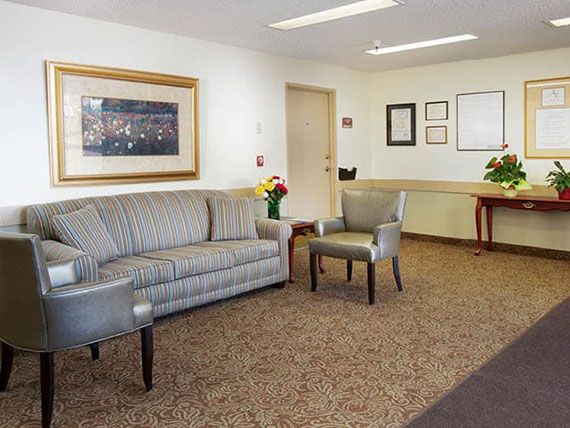
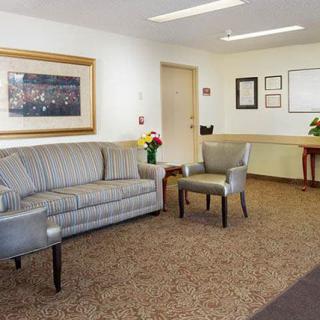
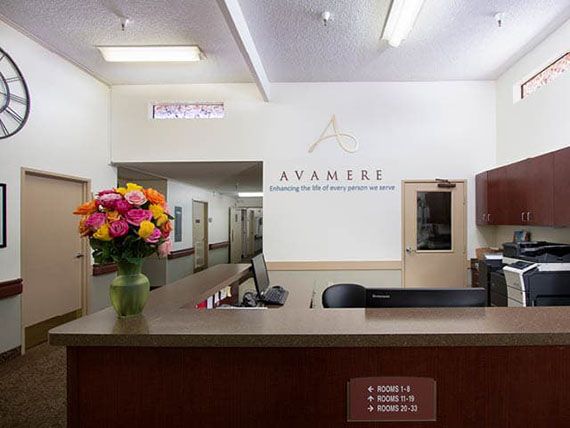
    A cozy waiting room with a sofa, chairs, and a small table, decorated with flowers and artwork on the walls.
  • Outdoors

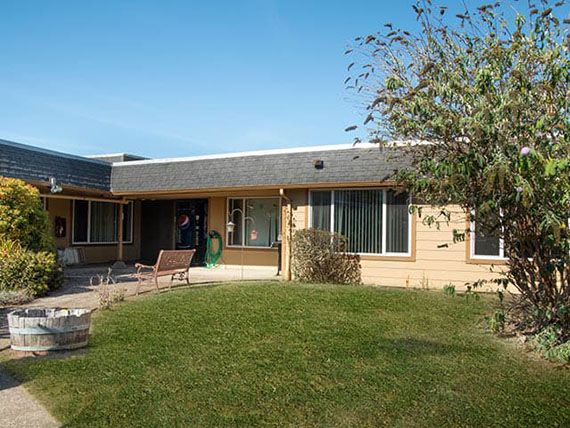
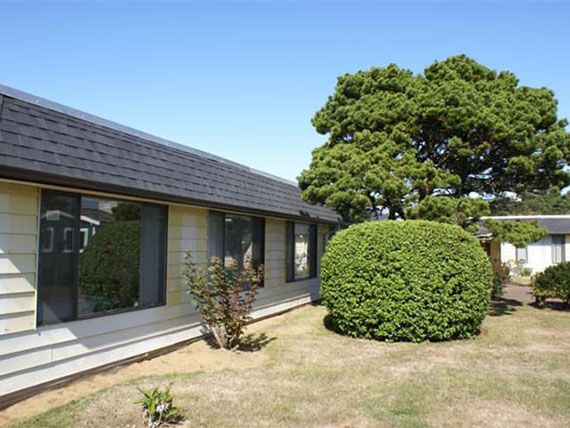
    A single-story house with a grassy lawn and a tree in the foreground, captured on a sunny day.
  • Decor

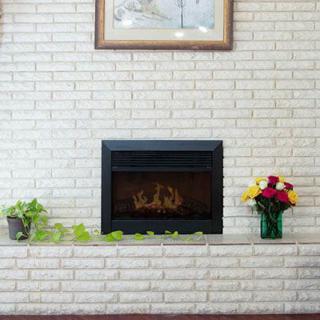
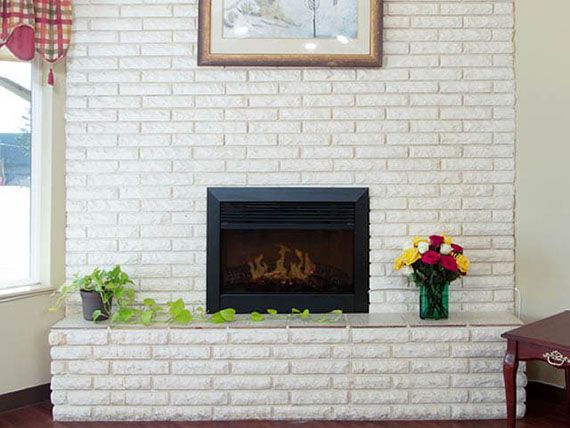
    A cozy room with a brick fireplace, adorned with plants and flowers.
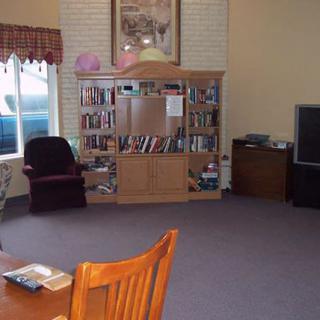
  • Living Room

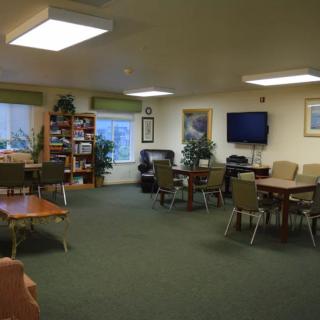
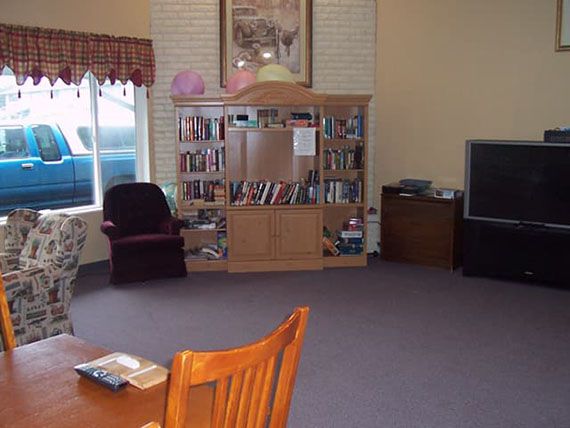
    A cozy living room with a bookshelf, television, and seating area.
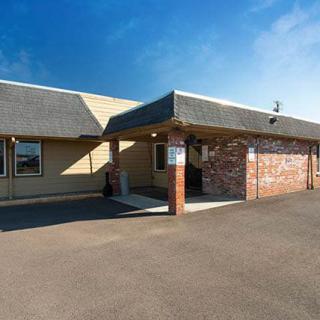
  • Building

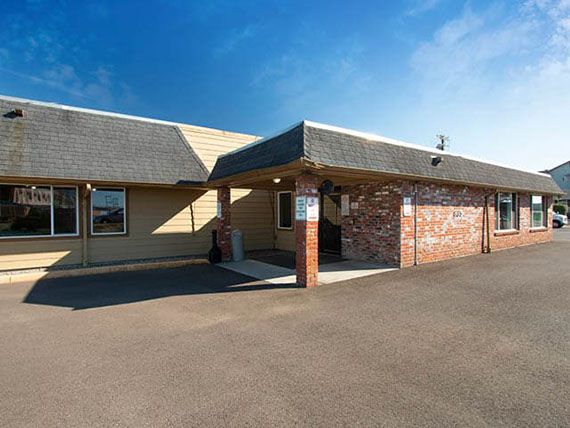
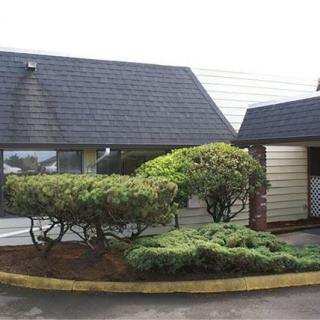
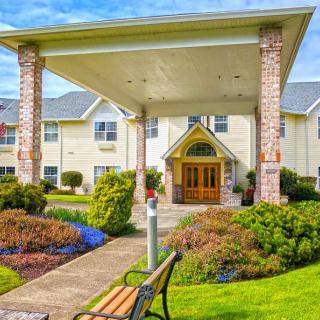
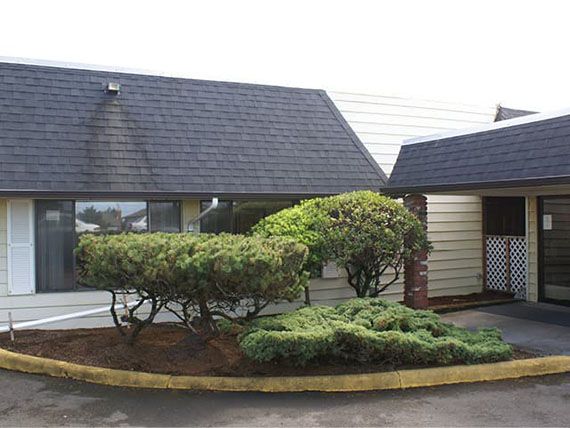
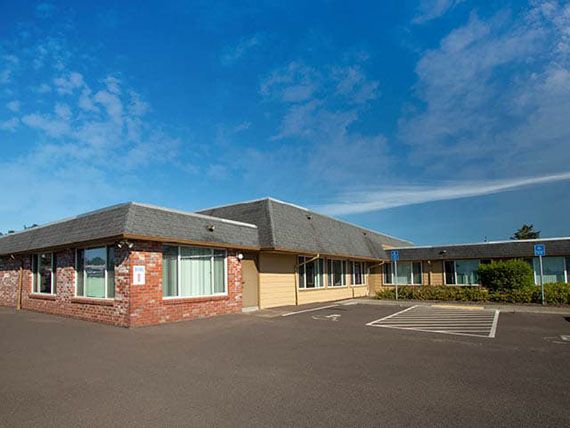
    Exterior view of a motel entrance with brick and siding design.
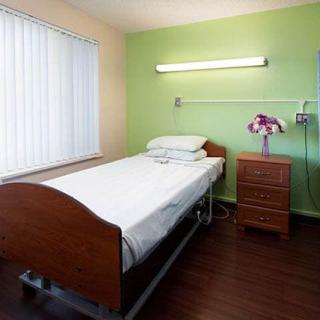
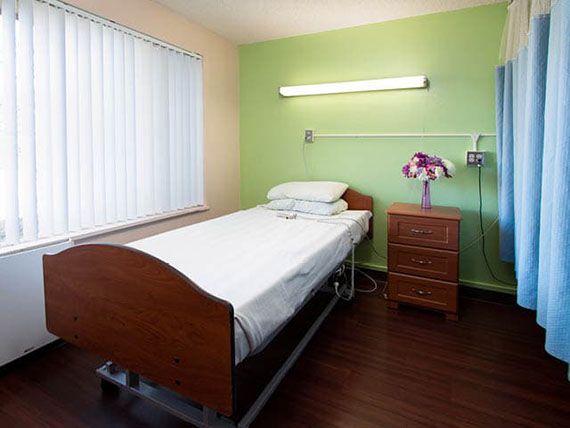
  • Bedroom

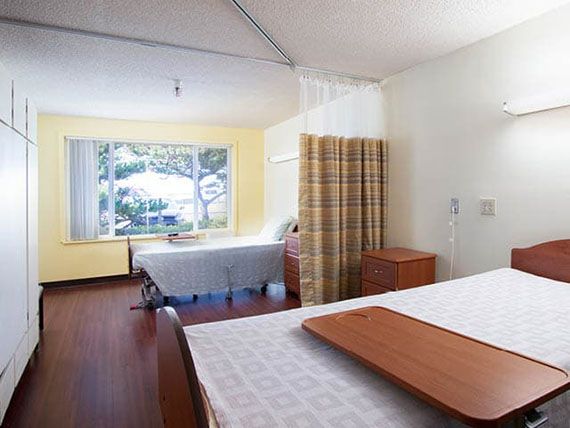
    A simple hospital room with a single bed and green walls.
  • Trees

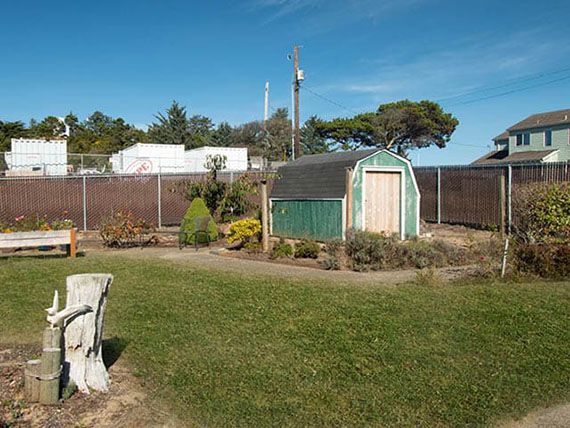
    A garden landscape featuring a green shed, surrounded by trees and bordered by a fence.
  • Windows

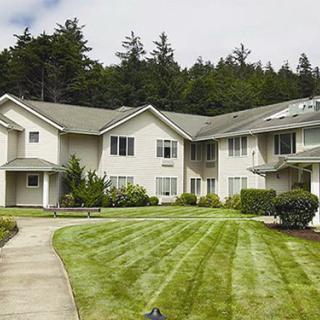
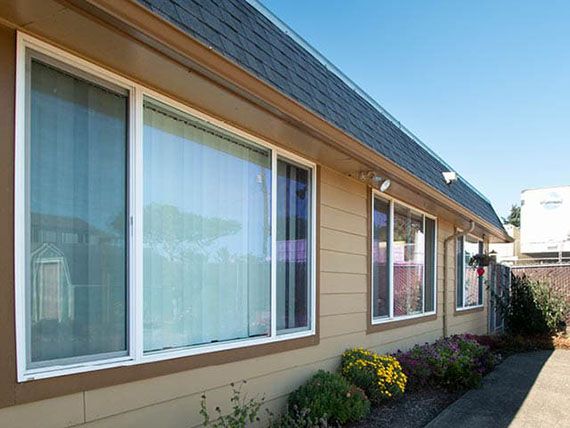
    A suburban house with large windows, surrounded by a well-maintained lawn and neatly trimmed bushes on a sunny day.
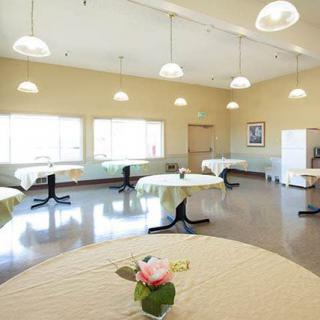
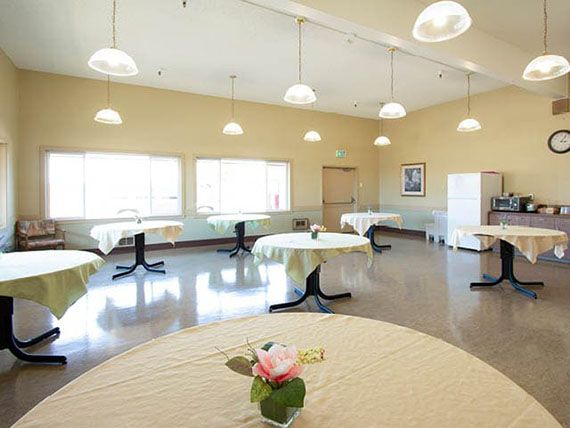
  • Dining

    A bright dining room with tables decorated with rose centerpieces and plenty of natural light.
  • Landscaping

    A suburban house with well-maintained landscaping and a sloped roof.
  • Patio

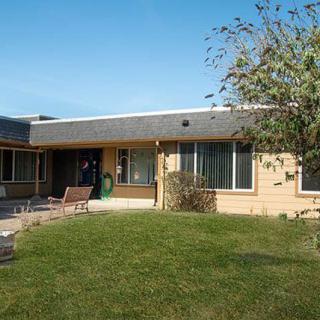
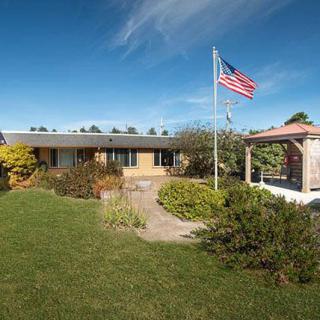
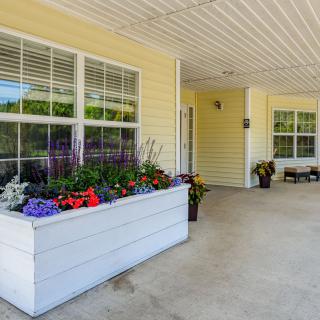
    A suburban house with a neatly landscaped yard and a flagpole displaying the American flag under a clear blue sky.
  • Exterior

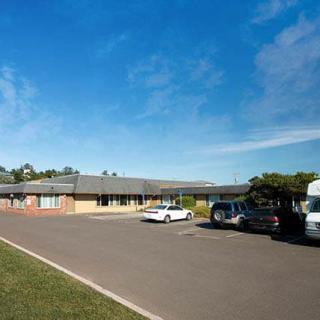
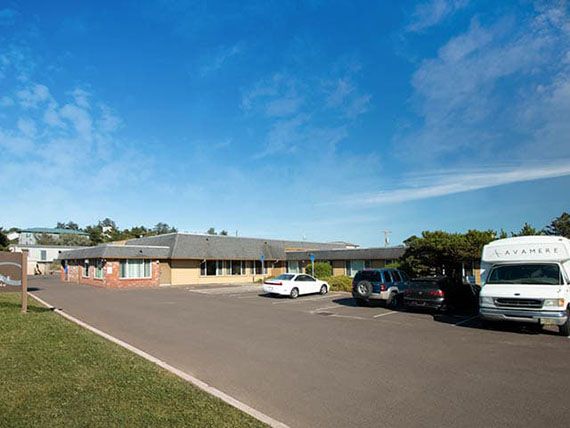
    A parking lot in front of a single-story building under a clear blue sky.
  • Hallway

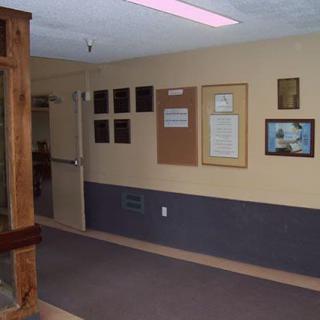
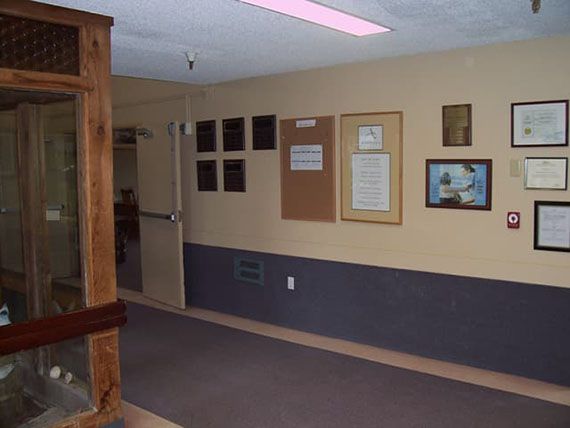
    A hallway with plaques and a bulletin board on the wall.
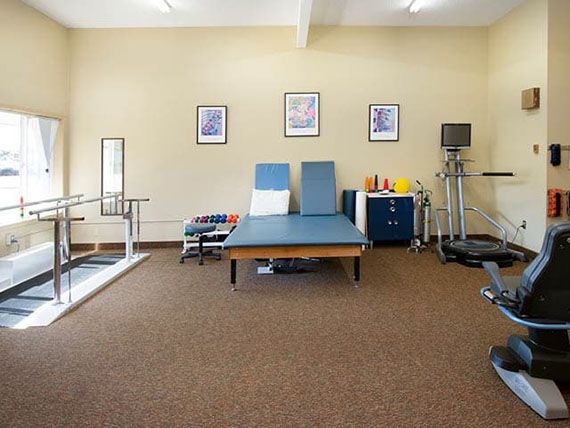
  • Exercise Equipment

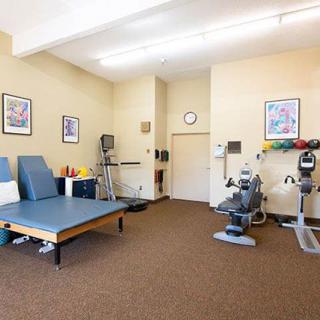
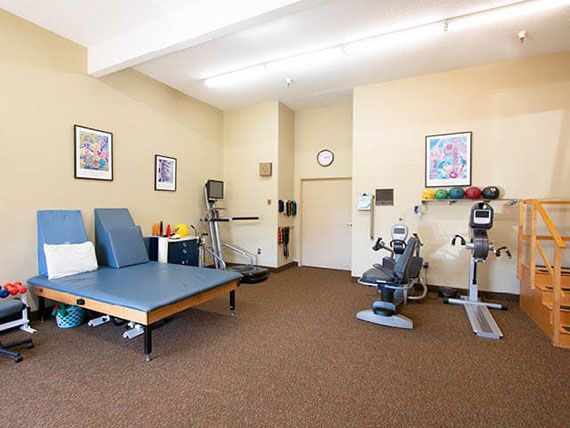
    A well-equipped physical therapy room with exercise machines and rehabilitation equipment.

Avamere Rehabilitation Of Newport

835 South West 11th Street, Newport, OR 97365

For more information about senior living options: (844) 490-3973

2.8 from 27 reviews
5 stars
11
4 stars
1
3 stars
1
2 stars
0
1 stars
14

Skilled Nursing Facility

Overall Review of Avamere Rehabilitation Of Newport

Pros

  • pro A former patient described wonderful care there in 2021.
  • pro One reviewer called it one of the best skilled nursing facilities on the West Coast.
  • pro The CNAs were praised as awesome, the kitchen staff for accommodating vegetarian meals, and the overall care was described as amazing during the two years.
  • pro Another reviewer highlighted attentive nursing, physical therapy, activities, office, and housekeeping, and noted that meals could be chosen for the next day.
  • pro A family member stated their mother was consistently treated with great love and respect.
  • pro A Newport reviewer credited Dr. Bob and Sheryl for thorough communication and for meeting every need without hesitation.

Cons

  • pro The staff lie to patients to justify doing nothing.
  • pro They did nothing when his wife was having trouble breathing.
  • pro The staff told him to leave and not to return.
  • pro The place is described as the worst place ever.
  • pro Some reviewers imply that if you don't like someone you should send them there.
  • pro They hung up on him twice when he tried to contact the facility.
  • pro The facility overmedicated patients with oxycodone during rehab.
  • pro The front desk refused to answer the phone.
  • pro The doctor is rude and lacks compassion for patients.
  • pro The facility reeked of urine and was understaffed.
  • pro The meals were indistinguishable, unpalatable, and served cold.
  • pro The staff showed no respect, dignity, or privacy for residents.
  • pro They ignored a patient and let her die.
  • pro They packed up belongings, rummaged through everything, tried to steal a TV, and lied about damages.
  • pro A class action suit is needed against this place.
  • pro The administration is described as prioritizing the bottom line over patient care.
  • pro The facility is not suitable for loved ones; avoid it if possible.
  • pro Patients were left outside in the cold due to paperwork issues.
  • pro The Medical Director is rude and lacks compassion; management is out of touch.
  • pro There are reports of overmedication and poor handling of symptoms like shortness of breath.

Review

Across the many accounts shared, the experiences at Avamere facilities run a broad spectrum - from moments of genuine warmth and capable care to episodes of frustration, fear, and anger. Several reviewers describe care that ranged from lifesaving to deeply disappointing, with some families feeling their loved ones were helped promptly and with compassion, while others felt ignored or even harmed by the system. The stories touch on emergency responsiveness, communication, staffing, administration, and the everyday realities of living in a skilled nursing environment.

Several people recount frightening situations where the response they expected did not come. One account describes a wife having trouble breathing and feeling that nothing was done, followed by advice to "call 911" and a sense of being dismissed when a fit was pitched and staff allegedly told the family to leave. In another dramatic moment, a person says they were pulled out of the facility and told they hadn't completed paperwork, then left outside in the cold for an hour with no ride, ultimately becoming ill. These pieces share a common thread: when families seek urgent help or clear communication, they felt unheard and left to fend for themselves, with memories of a facility that did not live up to expectations in moments of crisis.

There are also stories of administrative and logistical friction that added to the distress. A volunteer recounts trying to participate in a grandparent's care and being denied entry due to alleged missing paperwork, despite months of previous access. The emotional sting of believing you're being "punished" while trying to help a loved one is clear, and the frustration is compounded when the reviewer feels that problems could have been addressed through dialogue before pushing them away completely. The sentiment that "the worst place ever" and "do not return" emerges repeatedly in this thread of accounts, suggesting that some people feel the care setting has hardened into a system rather than a partnership with families.

Amid the mixed, there are powerful testimonies of positive, life-affirming experiences. A reviewer who was a patient there in 2021 describes wonderful care, and another story highlights an aunt receiving attentive, vegetarian-friendly meals, consistent communication, and staff who made her feel safe and valued during two years in the facility. In Newport, a family speaks highly of a rehabilitation stay for an elderly loved one who benefited from attentive nursing and therapy teams, with particular praise for individuals like Dr. Bob and Sheryl, and for CNAs such as Ruby and Jason who left a lasting impression. These voices emphasize that, when staffing, responsiveness, and genuine care align, the experience can be deeply reassuring and healing for residents and their families.

Yet, other reviewers raise serious concerns about safety, medication practices, and the overall environment. Some describe overmedication, particularly with oxycodone, for a patient who was admitted for rehabilitation, with complaints about shortness of breath and chest pain that allegedly did not receive timely attention. Front desk staff are described as difficult to reach, sometimes unhelpful, and in one account, information given by the facility about a patient's status was inconsistent or incorrect. There are also harsher portrayals of life inside the facility: a smell of urine in a neighbor's room, chronic understaffing, and a sense that residents' needs were not being met or respected. One reviewer even characterizes the place as a "concentration camp" for food and care, warning others with strong, stern language not to use the facility. These experiences paint a picture of a care environment where safety, dignity, and attentiveness feel compromised.

In a few more comments, the contrast remains stark: some reviewers defend Avamere as among the best skilled nursing facilities on the West Coast, praising the caring staff and the overall environment; others call out specific administrators and medical directors by name, arguing that leadership priorities - especially around staffing, dress code, and patient interaction - undercut the quality of care. The language ranges from measured critique to pointed, angry refusal to recommend the facility, with callers urging the community to reconsider and to question how care is delivered in real time. The quality of communication - whether families can actually reach someone who can answer questions, whether medical records are accessible, and whether the administration is seen as competent and compassionate - emerges as a recurring theme in these debates.

Taken together, these accounts illustrate a facility with a wide variance in experiences. Some patients and families describe dedicated staff, responsive caregivers, and a rehabilitative environment where residents thrive and families feel confident in the care their loved ones receive. Others tell stories of neglect, miscommunication, and distress that leave lasting impressions of fear and mistrust. This mosaic suggests that prospective families should approach Avamere with thorough questions tailored to their loved one's needs: how emergency situations are handled, how quickly staff respond to call bells, how medications are managed, what the process is for obtaining medical records, and what the staffing levels and turnover look like. It also reinforces the importance of visiting multiple times, speaking with residents and family members, and assessing the consistency of the care culture in a given facility, since experiences can vary not only from city to city but from one wing or shift to another.

In the end, the stories foreground a central truth: a skilled nursing facility's value lies not only in its capabilities and programs but in the daily lived experience of its residents and their families. When empathy, clear communication, and timely action align with clinical care, the result can be healing and peace of mind. When those elements falter, fear and frustration can eclipse any positive outcome. For anyone navigating a choice about Avamere or any similar facility, these narratives offer a reminder to look beyond brochures and headlines and listen to the voices of those who have lived through both the best and the hardest days of care.

Features

Housing

  • 52 resident community capacity 52 resident community capacity

Types of Care

  • Skilled Nursing Facility Skilled Nursing FacilitySkilled Nursing Facilities are crucial for seniors as they provide round-the-clock medical care, rehabilitation services, and assistance with daily activities. These facilities ensure that seniors receive the specialized care they need to maintain their health and well-being as they age.

Amenities

  • Air-conditioning Air-conditioningAir conditioning is important for seniors as they are more vulnerable to heat-related illnesses and may have underlying health conditions that make it difficult for them to regulate their body temperature. It helps to keep them comfortable, safe, and healthy in hot weather.
  • Beauty salon Beauty salonBeauty salons are important for seniors because they provide a space for them to feel pampered, socialize, and maintain their personal grooming and hygiene. Regular visits to a beauty salon can help boost seniors' self-esteem and overall well-being.
  • Cable or satellite TV Cable or satellite TVCable or satellite TV is important for seniors because it provides entertainment, news, and companionship, helping to combat loneliness and boredom. It also offers a wide range of programming options tailored to different interests and preferences.
  • Computer center Computer centerA computer center is essential for seniors as it provides access to technology, communication tools, and resources that can enhance their daily lives. It allows them to stay connected with loved ones, engage in online activities, and learn new skills, ultimately promoting socialization and mental stimulation.
  • Dining room Dining roomDining rooms are important for seniors as they provide a space for socialization, connection, and nutritious meals. They offer opportunities for residents to bond over shared meals, foster a sense of community, and promote healthy eating habits. Dining rooms also ensure that seniors have access to well-balanced meals tailored to their dietary needs and preferences.
  • Fitness room Fitness roomHaving a fitness room in a senior living community is essential for seniors to stay active, maintain their physical health, and improve their overall well-being. Regular exercise can help prevent falls, reduce the risk of chronic diseases, and promote mental sharpness. It also provides social opportunities for residents to connect with others and enjoy a sense of community.
  • Fully furnished Fully furnishedFully furnished senior living communities are important for seniors because they provide convenience, comfort, and a hassle-free moving experience. Seniors can easily settle into their new living space without the stress of having to buy and move furniture. This allows them to focus on enjoying their new home and community.
  • Gaming room Gaming roomGaming rooms are important for seniors as they provide a fun and engaging environment for socializing, cognitive stimulation, and physical activity. Games can improve memory, problem-solving skills, and overall mental well-being while fostering friendships and reducing feelings of isolation.
  • Garden GardenGardens are important for seniors as they provide a peaceful and therapeutic environment for relaxation, physical activity, and socialization. Being in nature has been shown to reduce stress, improve mood, and promote overall well-being. Gardens also offer opportunities for seniors to engage in gardening activities, which can improve mobility, flexibility, and cognitive function. Additionally, gardens create a sense of community and connection with others who share a passion for plants and outdoor spaces.
  • Housekeeping services Housekeeping servicesHousekeeping services are important for seniors because they help maintain a clean and safe living environment, promote independence, and reduce the risk of accidents or illnesses. Additionally, having assistance with household chores can alleviate physical strain and allow seniors to focus on other aspects of their well-being.
  • Kitchenette KitchenetteKitchenettes are important for seniors living in senior living communities because they provide the convenience and independence of being able to prepare simple meals and snacks in the comfort of their own living space. This can help promote a sense of autonomy and well-being for seniors, allowing them to maintain some level of control over their dietary choices and daily routines.
  • Move-in coordination Move-in coordinationMove-in coordination is important for seniors because it helps ease the transition into their new living environment. It ensures that all logistics, such as packing, organizing movers, and setting up utilities are taken care of, allowing seniors to focus on settling in and adjusting to their new home. Having a smooth move-in process can alleviate stress and anxiety, making the transition smoother and more enjoyable for seniors.
  • Outdoor space Outdoor spaceOutdoor spaces are important for seniors as they provide opportunities for physical activity, social interaction, exposure to natural light and fresh air, and a sense of connection to nature. Having access to outdoor spaces can improve overall well-being and quality of life for older adults living in senior communities.
  • Private bathrooms Private bathroomsPrivate bathrooms are important for seniors in senior living communities because they provide independence, dignity, and comfort. Having a private bathroom allows seniors to maintain their personal hygiene routines without the need for assistance, promoting a sense of autonomy and privacy. Additionally, private bathrooms help prevent the spread of infections and provide a safe and clean environment for seniors to navigate safely.
  • Restaurant-style dining Restaurant-style diningRestaurant-style dining is important for seniors because it allows them to enjoy delicious, nutritious meals in a social and upscale setting. This enhances their dining experience, promotes healthy eating habits, and fosters socialization with fellow residents, ultimately contributing to their overall well-being and quality of life.
  • Small library Small librarySmall libraries are important for seniors as they provide access to a variety of reading materials, including books, newspapers, and magazines. This can help stimulate their minds, keep them engaged, and provide a sense of community through book clubs and other social activities. Additionally, reading has been shown to improve cognitive function and overall mental well-being in older adults.
  • Telephone TelephoneTelephones are important for seniors as they provide a lifeline for communication with loved ones, emergency services, and healthcare providers. They offer a sense of security and independence, enabling seniors to stay connected and access assistance when needed.
  • Wellness center Wellness centerWellness centers are important for seniors because they offer a variety of programs and services that promote physical, mental, and emotional well-being. These centers provide opportunities for exercise, socialization, education, and relaxation, helping seniors maintain their overall health and quality of life.
  • Wi-Fi/high-speed internet available Wi-Fi/high-speed internet availableWi-Fi/high-speed internet is important for seniors to stay connected with loved ones, access online resources, and participate in virtual activities to combat feelings of loneliness and isolation. It also allows them to easily manage healthcare needs, access entertainment, and engage in lifelong learning opportunities.

Transportation

  • Community operated transportation Community operated transportationCommunity operated transportation is crucial for seniors as it provides them with the means to access essential services, social activities, and medical appointments. It allows seniors to maintain their independence and quality of life by ensuring they can participate in activities outside of their homes. Additionally, community-operated transportation services offer a safe and reliable way for seniors to travel without having to rely on family or friends for assistance.
  • Transportation arrangement Transportation arrangementTransportation arrangements are crucial for seniors as they may face challenges with driving, mobility, or access to public transportation. Having reliable transportation services ensures that seniors can easily attend appointments, social activities, and maintain their independence and quality of life.
  • Transportation arrangement (non-medical) Transportation arrangement (non-medical)Transportation arrangements are essential for seniors as they provide access to essential services, activities, and social interactions outside the home. This service helps maintain independence, mobility, and overall well-being for seniors who may have limited transportation options.
  • Transportation to doctors appointments Transportation to doctors appointmentsTransportation to doctors appointments is crucial for seniors as it ensures they have access to necessary medical care and support, promoting their health and well-being. It allows them to receive timely treatment, monitor existing conditions, and address any new health concerns efficiently. Additionally, transportation services can help seniors maintain their independence and quality of life by enabling them to stay connected with their healthcare providers.

Care Services

  • 12-16 hour nursing 12-16 hour nursing12-16 hour nursing care is crucial for seniors in order to ensure around-the-clock monitoring, timely medication administration, and prompt response to any health concerns or emergencies. This level of care helps to promote the overall well-being and safety of seniors living in senior living communities.
  • 24-hour call system 24-hour call system24-hour call systems are important for seniors because they provide peace of mind and immediate assistance in case of emergencies. This technology ensures that help is always available, promoting safety and security for elderly individuals living alone or in assisted living facilities.
  • 24-hour supervision 24-hour supervision24-hour supervision is important for seniors to ensure their safety, well-being, and access to immediate assistance in case of emergencies or health issues. This constant support provides peace of mind for both seniors and their loved ones, allowing them to age in place with dignity and security.
  • Activities of daily living assistance Activities of daily living assistanceActivities of daily living assistance are important for seniors because they provide essential support with tasks such as eating, bathing, dressing, and mobility. This assistance helps seniors maintain their independence, dignity, and overall quality of life as they age.
  • Assistance with bathing Assistance with bathingAssistance with bathing is crucial for seniors as it helps maintain personal hygiene, prevents infections, and ensures their overall well-being and comfort. It also provides a sense of dignity and independence for seniors who may struggle with this task on their own.
  • Assistance with dressing Assistance with dressingAssistance with dressing is important for seniors because it helps maintain their independence, promotes personal hygiene, prevents accidents and injuries, and improves overall quality of life. This service ensures that seniors can continue to dress comfortably and confidently, despite any physical limitations they may have.
  • Assistance with transfers Assistance with transfersAssistance with transfers is crucial for seniors as it helps prevent falls and injuries, maintains their independence, and ensures they can safely navigate their living environment. It also provides peace of mind for both seniors and their loved ones.
  • Diabetes diet Diabetes dietA diabetes diet is crucial for seniors as it helps manage blood sugar levels, reduce risks of complications, and improve overall health and well-being. By following a balanced and nutritious diet tailored to their specific needs, seniors can better control their diabetes and enhance their quality of life.
  • Meal preparation and service Meal preparation and serviceMeal preparation and service are crucial for seniors as they may have limited mobility or energy to cook nutritious meals. Having access to healthy and convenient food options can ensure they are getting the proper nutrition needed to maintain their overall health and well-being.
  • Medication management Medication managementMedication management is crucial for seniors to ensure they are taking the right medications at the correct dosages and times. This helps prevent adverse drug interactions, reduces the risk of medication errors, and promotes overall health and well-being. Proactive management also allows for adjustments as needed based on changing health conditions or new prescriptions.
  • Mental wellness program Mental wellness programMental wellness programs are essential for seniors as they promote cognitive stimulation, emotional support, and social engagement. These programs help prevent isolation, depression, and cognitive decline, ultimately enhancing the overall quality of life for older adults.
  • Special dietary restrictions Special dietary restrictionsSpecial dietary restrictions are important for seniors because age-related changes in metabolism and health conditions can make it difficult for their bodies to process certain foods. By following a diet tailored to their specific needs, seniors can maintain their overall health and well-being, manage chronic conditions, and reduce the risk of complications such as malnutrition or food interactions with medications.

Dining

  • Diabetes diet Diabetes dietA diabetes diet is crucial for seniors as it helps manage blood sugar levels, reduce risks of complications, and improve overall health and well-being. By following a balanced and nutritious diet tailored to their specific needs, seniors can better control their diabetes and enhance their quality of life.
  • Special dietary restrictions Special dietary restrictionsSpecial dietary restrictions are important for seniors because age-related changes in metabolism and health conditions can make it difficult for their bodies to process certain foods. By following a diet tailored to their specific needs, seniors can maintain their overall health and well-being, manage chronic conditions, and reduce the risk of complications such as malnutrition or food interactions with medications.

Activities

  • Community-sponsored activities Community-sponsored activitiesCommunity-sponsored activities are important for seniors as they provide opportunities for social interaction, mental stimulation, and physical activity. These activities can help improve overall well-being, combat loneliness and isolation, and promote a sense of belonging and purpose among older adults.
  • Concierge services Concierge servicesConcierge services are essential for seniors as they provide assistance with daily tasks and errands, enhance their quality of life by offering convenience and personalized care, and promote a sense of safety and security.
  • Fitness programs Fitness programsFitness programs are crucial for seniors as they help improve strength, flexibility, balance, and overall well-being. Staying active can reduce the risk of chronic diseases, improve mental health, and enhance quality of life in older adults.
  • Planned day trips Planned day tripsPlanned day trips are important for seniors because they offer opportunities for socialization, mental stimulation, and physical activity. They provide a change of scenery and help seniors stay engaged and connected to their community, promoting overall well-being and quality of life.
  • Resident-run activities Resident-run activitiesResident-run activities are important for seniors as they encourage social interaction, creativity, and a sense of autonomy. These activities empower seniors to stay engaged and active in their community while fostering meaningful connections with their peers.
  • Scheduled daily activities Scheduled daily activitiesScheduled daily activities are important for seniors because they provide structure, socialization, mental stimulation, and physical activity. Engaging in regular activities can improve overall well-being and quality of life for seniors living in a community setting.

Description

Avamere Rehabilitation of Newport in Newport, OR is a vibrant and comfortable assisted living community that offers a range of amenities and care services to enhance the lives of its residents. The community provides a warm and inviting atmosphere where seniors can enjoy an active and fulfilling lifestyle.

Residents can take advantage of various amenities such as a beauty salon, gaming room, small library, fitness room, and an outdoor space. These facilities provide opportunities for socializing, entertainment, and relaxation. Additionally, there is a computer center and Wi-Fi/high-speed internet available for residents to stay connected with family and friends or engage in personal interests.

The dining experience at Avamere Rehabilitation of Newport is exceptional, with restaurant-style dining offering delicious meals prepared by professional chefs. Special dietary restrictions are accommodated to ensure that each resident's nutritional needs are met.

To cater to the individual needs of the residents, care services are provided 24/7. Trained staff members are available around the clock to assist with activities of daily living such as bathing, dressing, and transfers. The community also offers medication management and develops mental wellness programs to support the emotional well-being of every resident.

Avamere Rehabilitation of Newport understands the importance of maintaining an active lifestyle for seniors. To promote physical fitness and engagement, the community organizes fitness programs, planned day trips, resident-run activities, and scheduled daily activities. The concierge services further enhance the overall experience by providing assistance with transportation arrangements or any other special requests.

Moreover, Avamere Rehabilitation of Newport enjoys a convenient location surrounded by numerous cafes, parks pharmacies, physicians' offices, restaurants, transportation options including non-medical transportation arrangement), places of worship nearby), theaters nearby) hospitals nearby).

Overall, Avamere Rehabilitation of Newport is dedicated to providing exceptional care services along with engaging amenities to create an enjoyable environment where seniors can thrive in their golden years.

Nearby Places of Interest

Physicians

  • Nazmul Hoque (0.1 miles)
  • Samaritan Pacific Surgical Associates (0.1 miles)
  • Samaritan Pacific Walk-In Clinic (0.1 miles)
  • Family Medical Clinic of Newport (0.1 miles)
  • Pacific Eye Associates (0.1 miles)
  • Central Coast Internal Medicine (0.1 miles)
  • Lincoln County Foot Health Center (0.1 miles)

Hospitals

  • Samaritan Pacific Communities Hospital (0.1 miles)
  • Center for Health Education (0.2 miles)
  • Samaritan Pacific Communities Hospital (0.8 miles)

Restaurants

  • Seadogs (0.1 miles)
  • Thai Port (0.1 miles)
  • Newport Steak & Seafood (0.1 miles)
  • Newport Seafood & Wine Festival (0.3 miles)
  • Newport Brewing (0.3 miles)
  • Yummy Bowl (0.3 miles)
  • Georgie's Beachside Grill (0.3 miles)

Parks

  • Yaquina Bay State Recreation Site (0.3 miles)
  • Yaquina Bay Lighthouse (0.3 miles)
  • Super Slide (0.6 miles)
  • Don & Ann Davis Park (0.6 miles)
  • Agate Beach State Park (0.7 miles)
  • Don Davis Park Newport (0.7 miles)
  • Sam Moore Parkway Park (0.9 miles)

Cafes

  • The Coffee House (0.5 miles)
  • Starbucks (0.7 miles)
  • Cafe Stephanie (0.8 miles)
  • Ferry Slip Cafe (0.9 miles)
  • The Human Bean Newport, N. Coast Hwy (0.9 miles)
  • Bosque Cafe & Espresso (1.6 miles)
  • Bonnie's Espresso (3.4 miles)

Pharmacies

  • Walgreens (0.6 miles)
  • Rite Aid (1.8 miles)
  • Walmart Pharmacy (2 miles)
  • Waldport Drug & Gift (13.9 miles)
  • Hi-School Pharmacy (13.9 miles)
  • Pharmacy Express (13.9 miles)
  • Renee's Herb Store (21.9 miles)

Transportation

  • Enterprise Rent-A-Car (0.9 miles)
  • U-Haul Neighborhood Dealer (1.2 miles)
  • Enterprise Rent-A-Car (1.9 miles)
  • Depoe Bay Shuttle (21.7 miles)

Places of Worship

  • First Baptist Church (0.9 miles)
  • Central Coast Assembly of God (0.9 miles)
  • Lighthouse Independent Baptist Church (14.7 miles)
  • Yachats Community Presbyterian (21.8 miles)

Theaters

  • Newport Cinemas (3.6 miles)

Frequently Asked Questions

Where is Avamere Rehabilitation Of Newport?
What photos are available for Avamere Rehabilitation Of Newport in Newport, Oregon?

Nearby Communities

Related Resources

  • adult day careEncouraging Participation in Adult Day Care: A Guide to Supporting a Hesitant Parent

    Adult day care programs offer essential support and activities for older adults, yet many hesitate to participate due to concerns about independence and stigma. To alleviate these apprehensions, families should facilitate open discussions, explore financial resources, suggest trial visits, and collaborate with healthcare providers to highlight the benefits of such services for both the participants and their caregivers.

  • living will definitionComprehensive Exploration of Living Wills and Other Advance Directives

    Living wills and advance directives are crucial legal documents that outline an individual's healthcare preferences when they cannot make decisions themselves, enhancing patient autonomy and alleviating family stress during medical crises. The article emphasizes the need for these documents to be personalized, legally valid, and regularly updated, while also encouraging communication about end-of-life wishes among family members and healthcare providers.

  • living will definitionA Detailed Exploration of Living Wills and Advance Directives
    The article examines living wills and advance directives, highlighting their significance in expressing healthcare preferences for those unable to communicate due to illness or incapacity. It discusses their historical development, legal components, limitations, practical drafting advice, and the importance of clear communication among families and healthcare professionals regarding end-of-life decisions.