Prestige Post-Acute and Rehabilitation - McMinnville
Save
Information last verified:
421 SE Evans St, McMinnville, OR 97128
For more information about senior living options: (844) 490-3973
This community is best suited for families pursuing short- to mid-term post-acute rehabilitation where a strong emphasis on physical and occupational therapy can drive meaningful function gains, and where a vigilant, involved family can partner with staff to smooth care transitions. When rehab is the primary goal, the program can deliver tangible progress: residents who engage with therapists often show real improvements in mobility, strength, and independence. The setting also benefits those who value a clean, well-maintained environment and a kitchen willing to adjust menus to individual preferences. However, prospective residents should understand that reliability depends heavily on staffing levels and leadership stability; without steady nurse coverage and consistent administration, the experience can become uneven.
Alternatives may be worth considering for anyone prioritizing consistently rapid responses to call lights, predictable medication timing, and tightly coordinated discharge planning. Several reviews highlight episodes of understaffing and delays, long waits for pain relief, medication administration, or even basic assistance, which can erode comfort and safety. If pain management needs to be reliably scheduled and promptly delivered, or if social services and discharge planning must be consistently proactive, families may want to compare facilities with stronger track records in these areas. For those who require unwavering leadership stability and transparent, continuous communication, a facility with less turnover and more predictable operations could be a better fit.
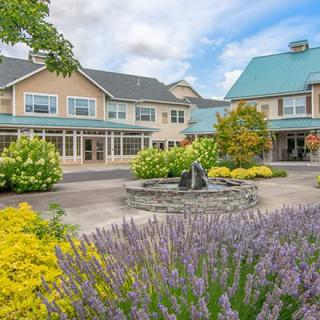
On the positive side, the strongest draw here is the rehab team. Therapists are frequently described as skilled, motivated, and genuinely invested in progress, with residents moving from limited mobility to stairs or independent transfer given time and commitment. When the nursing and care staff are present and responsive, the atmosphere can feel warm and supportive: teams that know residents by name, engage with daily routines, and coordinate with families create a sense of dignity and safety. The dining and dietary sides of care also earn commendations in many notes, with kitchen staff willing to adapt meals and texturing for individual needs, which reinforces participation in therapy and overall recovery. Cleanliness, maintenance, and an active activities program further contribute to a positive, hopeful environment that fosters engagement during a rehab stay.
These strengths, however, must be weighed against the most persistent concerns. A recurring thread in reviews is under-staffing, which translates into variable call-light response times, delayed pain medications, and slower assistance with basic needs. When staffing gaps occur, even the most capable therapists can feel limited in their ability to coordinate comprehensive care, and residents may experience frustration or discomfort that undermines recovery momentum. Leadership variability compounds these challenges: turnover in social services and management can lead to inconsistent discharge planning, follow-up communication, and accountability. In the worst cases, families report miscommunications, mistakes in medication handling, or a sense that staff are overwhelmed and disengaged. These patterns do not negate the potential for excellent rehab outcomes, but they do erode reliability and trust when they are the rule rather than the exception.
That reality makes it essential to assess concrete, facility-specific safeguards before choosing. Prospective families should request detailed staffing data, such as nurse-to-resident ratios per shift, the presence of dedicated wound care or pain-management protocols, and a track record of medication administration timeliness. Inquire about the social work team’s capacity for rapid follow-up after discharge planning and how administrative issues are tracked and resolved. Ask to observe a typical shift to gauge call-light response times and the tempo of meal service. Above all, verify that the rehab plan is integrated with medical oversight: confirm therapists’ goals align with physician orders, and that progress notes translate into tangible adjustments to therapy intensity or discharge timelines. A practical plan also includes visiting at varied times to see how staff respond during peak demand and how residents’ days unfold beyond therapy blocks.
In the end, Prestige McMinnville offers a compelling option for families prioritizing post-acute rehabilitation with a capable rehab workforce and a home-like environment, provided the care team remains adequately staffed and well-led. When the facility operates at or near full staffing, the combination of strong therapeutic progress, attentive nursing when available, and a warm atmosphere can produce meaningful recovery and a smoother transition home. The principal caveat is consistency: the same advantages can quickly become compromised by persistent understaffing, communication gaps, or leadership turnover. For families willing to actively supervise care, demand accountability, and press for timely interventions, this community can be a solid match.
For those who cannot tolerate a pattern of delays, inconsistent nurse response, or uncertain discharge coordination, alternatives with a proven, steady staffing model and a more predictable leadership structure deserve serious consideration. If the priority is near-certain medication reliability, constant call-light responsiveness, and an unambiguous path to discharge, shopping other SNF options may reduce risk. Yet for families that want genuine rehab momentum and a supportive environment, with the caveat of advocating leadership and staffing clarity, Prestige McMinnville should be on the short list. The decision hinges on balancing the aspiration of robust post-acute recovery against the reality of day-to-day care consistency, and choosing a facility prepared to align resources with those expectations.
Prestige Post-Acute and Rehabilitation in McMinnville, OR is a vibrant assisted living community that offers top-notch care to seniors. Situated in a convenient location, this community provides easy access to various amenities for residents' comfort and convenience.
With four cafes nearby, residents can enjoy delicious meals or grab a cup of coffee with friends and loved ones. Additionally, the presence of four parks nearby allows for leisurely strolls or picnics amidst natural beauty, promoting an active and healthy lifestyle.
Healthcare needs are well catered to with seven pharmacies in close proximity, ensuring prompt access to medications and healthcare supplies. The availability of 19 physicians nearby assures residents receive quality medical care conveniently.
For those seeking dining options outside the community, there are 33 restaurants within easy reach. Residents can explore diverse culinary experiences without venturing too far from home.
Transportation options are plentiful with three transportation services nearby. This ensures that residents can easily schedule appointments or embark on outings with ease and peace of mind.
The spiritual well-being of residents is also highly valued, as there are nine places of worship located nearby where they can participate in religious activities and nurture their faith.
Furthermore, entertainment seekers will appreciate the convenience of having a theater close by. Residents have the opportunity to enjoy performances or movies without traveling long distances.
Overall, Prestige Post-Acute and Rehabilitation in McMinnville is an exceptional assisted living community offering a range of amenities within reach. With various options for dining, recreational activities, healthcare services, transportation accessibility, spiritual pursuits, and entertainment venues nearby, residents will find everything they need for a fulfilling and enriching lifestyle right at their doorstep.
Located in McMinnville, Oregon, this neighborhood offers a variety of amenities that cater to senior living. With several physicians and healthcare centers within close proximity, residents have easy access to medical care. Places of worship such as the First Baptist Church and Creekside Community Church provide spiritual support, while nearby parks like McMinnville City Park offer opportunities for outdoor recreation and relaxation. Transportation options include Redline Aviation and McMinnville Municipal Airport, making travel convenient. A range of dining options from Italian cuisine at Antonio's Italian Restaurant to healthy choices at Harvest Fresh Grocery & Deli are available nearby. Pharmacies like Walgreens and cafes such as K & F At Union Block Coffee provide convenience for daily needs. Overall, this area combines healthcare services, recreational facilities, dining options, and transportation accessibility, making it a great choice for seniors looking for a comfortable and convenient living environment in McMinnville.
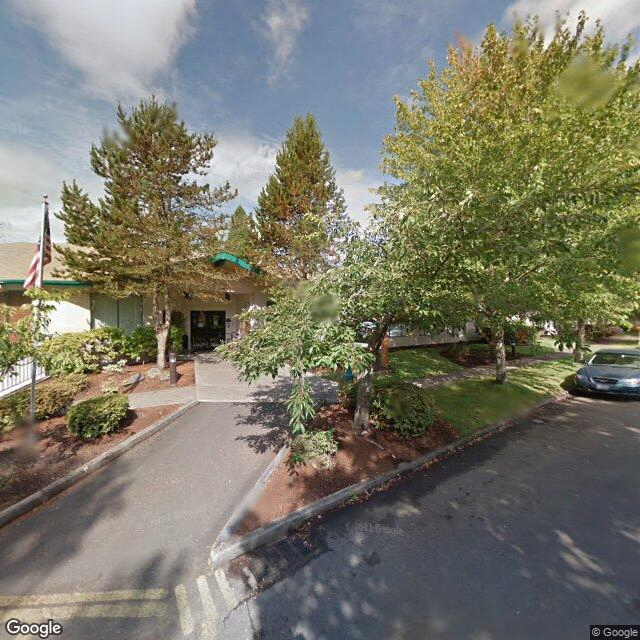
Prestige Post-Acute and Rehabilitation - McMinnville is located at 421 SE Evans St, McMinnville, OR 97128 in Yamhill County, Oregon
Comprehensive Insights and Practical Strategies to Help Older Adults Avoid Falls

The article highlights the high risk of falls among older adults due to factors like muscle weakness, vision issues, and environmental hazards, with one in four experiencing a fall annually. It advocates for a comprehensive prevention approach that includes exercise, home safety modifications, medication management, social support, and caregiver involvement.
6 Crucial Ways an Elder Law Attorney Assists Families

Elder law attorneys assist older adults and their families with legal matters such as estate planning, Medicaid eligibility, and guardianships, while also providing protection against elder abuse. They help navigate complex regulations to safeguard financial resources, ensure well-being, and maintain autonomy for seniors.
Navigating the Tax Landscape of Caregiving: Credits, Deductions, and Beyond
Caregiving for an aging parent entails emotional and financial responsibilities accompanied by significant tax implications, including potential benefits from claiming them as dependents and deductions for medical expenses and caregiving costs. Caregivers must understand eligibility requirements, maintain thorough documentation, and consider consulting a tax professional to navigate these complexities effectively.