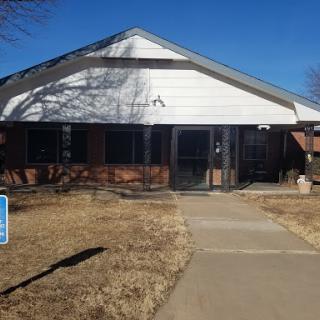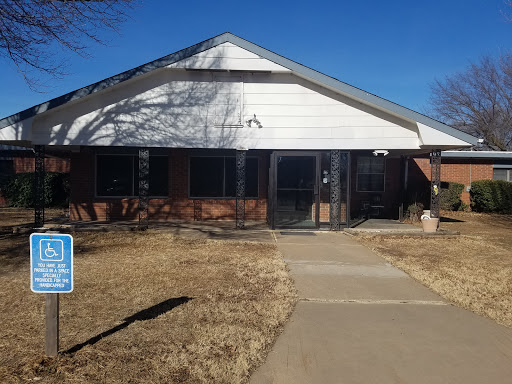
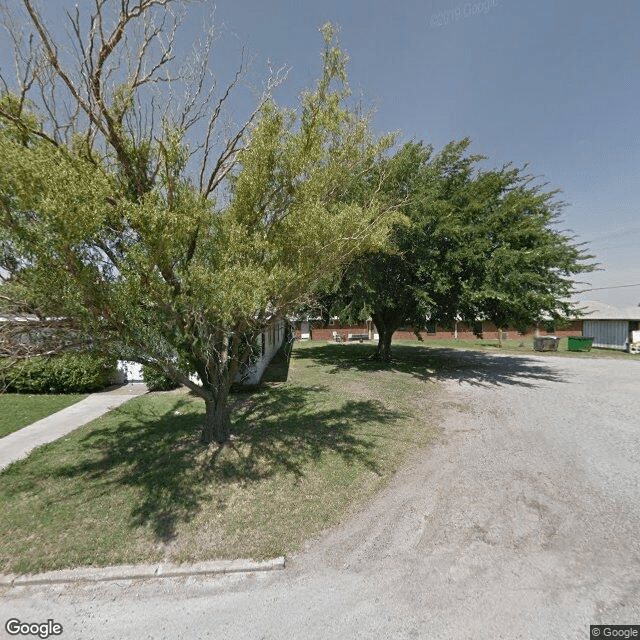
1301 North 5Th Street, Tonkawa, OK 74653
To contact a resident: (580) 628-2529
For more information about senior living options: (866) 208-4318
Willow Haven Nursing Home Costs & Pricing
Willow Haven Nursing Home offers competitive pricing for its services, with costs aligning closely with local and state averages. For a studio room, residents can expect to pay $3,000 per month, which is consistent with the pricing in Kay County but notably lower than the Oklahoma state average of $3,629. Similarly, the cost of a one-bedroom unit at Willow Haven is set at $4,000 per month, matching local rates while remaining higher than the state average of $3,565. This structure reflects Willow Haven's commitment to providing quality care at accessible prices within the community framework, ensuring that residents receive both value and comfort in their living arrangements.
| Floor plans | Willow Haven Nursing Home | Kay County | Oklahoma |
|---|---|---|---|
| Studio | $3,000 | $3,000 | $3,629 |
| 1 Bedroom | $4,000 | $4,000 | $3,565 |
Overall Review of Willow Haven Nursing Home
Pros
 They treat him like family.
- They joke with him and give him the attention he needs.
- They alert the family if there is an issue with him.
- The love and care they have given my parents has been outstanding.
- It is a highly loving and kind place for the elderly.
- They have friendly, small, and consistent staff.
- It is a friendly and clean place.
- The nicest people in the world live there.
Cons
 The reviewer found it not the nicest resthome they had been in.
- They describe the place as a nightmare, saying the administration is a disgrace and many staff are allegedly on drugs.
- They would not entrust their loved ones to Willow Haven’s care and would rather end their own misery than have them cared for there.
- They considered the facility only okay and wished for more volunteer visits, especially from children.
Review
Willow Haven Nursing Home in Tonkawa, OK is best suited for seniors who want a small, intimate setting where care feels personal and staff interactions feel like family. The community’s strength lies in its homelike atmosphere, a compact footprint that supports continuity of care, and staff who participants describe as consistently attentive and caring. For residents who thrive on daily warmth, open communication with caregivers, and visible affection from a close-knit team, Willow Haven offers a welcoming home base that makes everyday life a lot less institutional and a lot more relational.
For families weighing options, those who need highly structured, large-scale facilities with expansive rehab programs or heavy clinical specialization may want to consider alternatives. A few reviews hint at administrative and operational fragility, and a minority of voices question the facility’s overall quality or pace of improvement. Prospective buyers should be mindful that if a resident’s needs are dominated by complex medical regimens, frequent high-acuity interventions, or rigorous oversight, Willow Haven may not deliver the same scale of resources found in bigger campuses. Direct conversations with administration and a first-hand visit are essential.
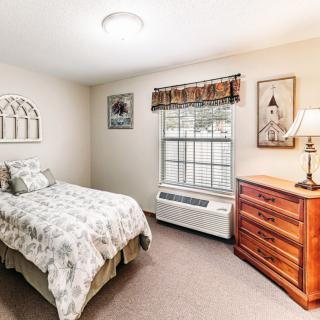
On the positive side, the most frequently cited strengths are palpable: residents are treated like family, staff are described as loving, friendly, and steady, and the atmosphere is consistently clean and welcoming. The small size translates into named faces, predictable routines, and rapid responsiveness; families report being kept in the loop when concerns arise, with prompt outreach if something seems off. The sense of stability, long-tenured, dependable aides and nurses who know residents well, helps seniors avoid the disorientation that can accompany larger facilities with rotating staff. These advantages translate into meaningful daily comfort, social connection, and a sense of security for both residents and their families.
Yet there are clear cautions embedded in the experience. A very small subset of reviews paints a starkly negative portrait of administration and staffing, including accusations about administrative incompetence and disreputable conduct among some workers. While these voices are not the majority in the overall 23-review sample, they underscore a real need for due diligence: verify the facility’s current leadership, request recent inspection results, and ask pointed questions about staff supervision, incident handling, and drug-screening policies. In addition, the sense that Willow Haven may not be the “nicest resthome” in every comparator means that families should visit with a critical eye, evaluating amenities, mobility options, and the level of clinical support available on site.
Ultimately, the key decision hinges on matching the resident’s emotional needs with the facility’s strengths while ensuring operational reliability. The strong, family-focused care model, the quiet, manageable size, and the high degree of personal attention offset several potential drawbacks for residents who prize warmth over spectacle and who do not require intensive, hospital-level services around the clock. However, for families prioritizing formal governance, transparent administrative processes, or broad-based clinical infrastructure, it is prudent to compare Willow Haven against larger, more polished options and to insist on speaking with current staff, residents, and a cross-section of families. The right choice will balance heart and heft: warmth and consistency on the one hand, and robust oversight and resources on the other.
In the end, Willow Haven presents itself as a solid choice for seniors who value a home-like environment, steady staff relationships, and engaged family communication. Those who should weigh alternatives include residents with complex medical trajectories who demand substantial, round-the-clock clinical intervention, or families wary of administrative risk and seeking a facility with a broader governance footprint. For the right resident, the pros, love, familiarity, and daily reliability, often outweigh the cons, especially when families actively participate in care planning and monitor performance. Conduct a thoughtful site visit, ask for updated references, and ensure the care goals align with what this intimate community can consistently deliver.
 49 resident community capacity
 Assisted Living
 Skilled Nursing Facility
 Activities on-site
 Beauty salon
 Cable or satellite TV
 Devotional services off-site
 Dining room
 Fully furnished
 Garden
 Housekeeping services
 Indoor common areas
 Kitchenette
 Move-in coordination
 Outdoor space
 Restaurant-style dining
 Small library
 Telephone
 Wi-Fi/high-speed internet available
 24-hour call system
 Ambulatory care
 Assistance with bathing
 Assistance with dressing
 Assistance with transfers
 Diabetes diet
 Diabetic care
 Medication management
 Mental wellness program
 Special dietary restrictions




 Assisted Living Support for Veterans: A Complete and Detailed Overview
 Exploring the Contrasts Between Assisted Living and Skilled Nursing
 8 Key Indicators That Suggest It May Be Time to Transition from Assisted Living to Skilled Nursing Care