
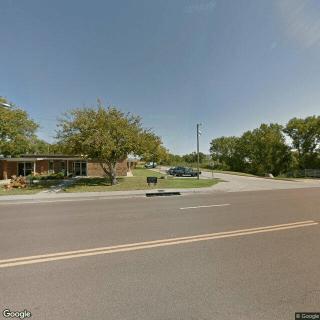
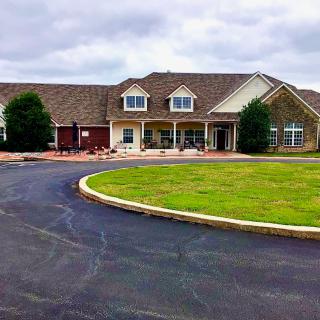
319 East Josephine, Frederick, OK 73542
For more information about senior living options: (866) 208-4318
Overall Review of Memorial Nursing Center
Pros
 The employees are genuine, kind, and caring.
- They are great with the reviewer’s grandfather.
Cons
 They were disappointed in the administrator because she told them different stories.
Review
Memorial Nursing Center in Frederick, OK, is best suited for families seeking a modest, no-frills setting where frontline caregiving can feel personal and compassionate. This community appears to deliver tangible warmth from the hands-on staff, with residents who respond well to attentive, caring interactions from caregivers who are visible and engaged in daily activities. For families on a tighter budget who still want a residential environment rather than a hospital-like atmosphere, Memorial can offer a familiar, down-to-earth option. The core appeal rests on the human touch at the bedside, where residents can feel seen and tended to by staff who appear invested in their comfort and daily well-being.
That said, there are clear caveats that should steer some families toward alternatives. Administratively, this center presents a staffing and leadership dynamic that raises questions about consistency and reliability. Prospective residents should be wary if strong administrative leadership, predictable communications, and polished policy execution are high priorities. For seniors whose care needs extend into complex medical coordination, frequent scheduling changes, or highly structured programs, Memorial may fall short of expectations. In short, the facility can work well for those who value personal care over administrative polish, but it is less suitable for families needing steady, transparent leadership and alarmingly consistent messaging.
The most compelling pro is the frontline care experience. The reviews highlight genuine, kind, and caring employees who are described as great with residents, particularly mentioning positive interactions with a grandparent figure. In a setting where daily living depends on regular assistance with mobility, hygiene, meals, and social engagement, this level of warmth translates into meaningful quality of life, one of the strongest buffers against the isolation that can accompany aging in place. When staff frequently demonstrate patience and attentiveness, families notice, and residents often respond with greater comfort and cooperation. That personal compatibility can be decisive for many families evaluating a move.
Yet the principal con, the administrator, casts a long shadow over otherwise solid caregiving. One reviewer specifically signals disappointment with the administrator and notes conflicting messages received, implying inconsistencies in how policies are conveyed or enforced. Such administrative fragility can undermine trust, complicate care planning, and create confusion around important decisions, schedules, and billing. In a care setting, where even small misunderstandings can ripple into missed appointments or misaligned expectations, these leadership lapses can erode the confidence families need to feel comfortable delegating care authority. The contrast between excellent bedside care and uncertain administrative governance is the central tension here.
Given this dynamic, the pros do offset the cons only to a point. The personable, capable frontline staff can keep residents comfortable and engaged, but the benefits may not fully compensate for a lack of administrative consistency. For families who have the bandwidth and willingness to stay actively involved, asking pointed questions, requesting regular written updates, and maintaining a steady line of communication with caregivers, Memorial can function as a dependable home-away-from-home. Conversely, for those who want minimal day-to-day oversight from family members, or who require rigorous, predictable administrative systems from the outset, this facility risks becoming more stressful than satisfying.
Practical next steps for families considering Memorial are clear. First, arrange a meeting with both the administrator and several frontline caregivers to assess communication style, responsiveness, and clarity of care plans. Request a written, itemized care plan and a clear outline of who handles what, especially around medications, mobility assistance, and daily schedules. Inquire about the process for changes in care, how concerns are escalated, and whether there is a family council or regular update mechanism. Finally, compare with nearby facilities that emphasize consistent leadership and transparent operations; if those priorities outweigh the appeal of warm, personal care, alternatives may deliver greater peace of mind and long-term reliability. Memorial Nursing Center can be a viable choice for a specific balance of affordability and human warmth, but only for families prepared to actively partner with an assertive, steadier administrative contact.
 30 resident community capacity
 Skilled Nursing Facility
 Beauty salon
 Cable or satellite TV
 Dining room
 Fully furnished
 Garden
 Housekeeping services
 Kitchenette
 Move-in coordination
 Outdoor space
 Restaurant-style dining
 Small library
 Telephone
 Wi-Fi/high-speed internet available
 24-hour call system
 Activities of daily living assistance
 Assistance with bathing
 Assistance with dressing
 Assistance with transfers
 Diabetes diet
 Medication management
 Mental wellness program
 Special dietary restrictions


 Exploring the World of Home Health Nurses: Qualifications, Roles, and Hiring Tips
 Navigating Medicare Coverage for In-Home Care Services
 In-Home Care Costs in 2025: A Detailed State-by-State Exploration