
2301 Bell Avenue, Elk City, OK 73644
For more information about senior living options: (866) 208-4318
Overall Review of Bell Avenue Nursing Center
Pros
 The staff are attentive, compassionate, and professional.
- The facility is clean and well-maintained.
- Bell Avenue provides a warm and supportive environment that prioritizes resident dignity and family communication.
- The staff go above and beyond in caring for residents.
- All of the staff are fantastic.
- The facility has amazing staff, is highly rated, and offers great food in a clean, pleasant environment.
- The nursing staff are great, and the care provided is excellent.
- Great nurses and great care make it a strong choice for skilled nursing or long-term care in Western Oklahoma.
Cons
 They are very disappointed, claiming their son died due to neglect and abuse.
- The owners are described as being from out of state and as the cheapest they’ve ever seen.
- There is no ice for the patients’ drinks.
- Showers are scheduled inconsistently, often delayed unless the family intervenes.
- The care is described as the same as everywhere and very frustrating for families.
- They would never return or place a loved one there.
- Management allegedly lied and failed to provide promised equipment after 14 days.
- They would not allow their dogs to go there.
- The administration is described as bottom-line, lying.
Review
This community is best suited for families seeking a warm, resident-centered skilled nursing option in Elk City, where the day-to-day experience hinges on attentive staff, dignity in care, and clear family communication. It is particularly well matched for residents who thrive with a supportive, home-like environment and for relatives who want to see consistent, compassionate interaction from nurses, CNAs, and kitchen and housekeeping teams. Several families report that their loved ones feel safe, settled, and happy after moving in, and that the atmosphere is clean, welcoming, and focused on resident well-being. For long-term care needs, the combination of a well-maintained facility and a staff culture that emphasizes respect and responsive care often translates into meaningful reassurance for families navigating a difficult transition.
However, potential residents and their families should consider alternatives if governance and operational consistency are a primary concern. A subset of reviews raises red flags about ownership and management priorities, with criticisms centered on cost-cutting attitudes and lack of transparency. Some families describe delays in basic services, such as showers, when not actively advocated for by relatives, and there are references to mixed experiences with equipment delivery and other promised supports. A small number of reviewers raise serious allegations about neglect or misinformation from leadership, suggesting that, in a worst-case scenario, the safety net relied upon by families might feel unreliable. These concerns warrant careful scrutiny and a candid assessment of tolerance for variable administrative performance.
The strongest positives here are the people delivering care. Staff are repeatedly described as attentive, compassionate, and professional, with nurses, CNAs, and med aides singled out for their competence and bedside manner. The facility’s cleanliness and upkeep reinforce a sense of dignity and pride in the resident experience, while the environment itself is consistently characterized as warm and supportive. Food service is highlighted positively by many residents, with ample meals and a reputation for generous portions. Taken together, these operational strengths translate into reliable day-to-day care that can anchor a family through the emotional and logistical challenges of transitioning a loved one into long-term care.
The main drawbacks orbit around management perceptions and operational hiccups rather than a fundamental failure of caregiving. The critiques point to a perceived focus on finances over resident needs, and to a sense that promises are not always kept by administration. Specific pain points cited include inconsistent service scheduling (notably for personal care routines like showers) and lapses in equipment or ancillary supports when families are not adamant about follow-through. A few reviews describe distrust in leadership and even allegations of neglect or misinformation, which, while not universal, cannot be dismissed. These elements do not erase the care quality delivered by frontline staff, but they do color the overall risk calculus for families who prioritize airtight reliability in governance.
Balancing the pros against the cons yields a practical path for decision-making. For families choosing Bell Avenue Nursing Center, the clear upside is a caregiving team that shows up with empathy, consistency, and professional skill, backed by a clean, well-run facility and robust resident–family communication. The counterweight is the need for vigilant oversight of operations and a readiness to push for timely services and transparent answers from leadership. If the family is prepared to engage actively, asking precise questions about shower schedules, service promises, equipment fulfillment, and how incidents are tracked, the strong caregiving culture can outweigh operational uncertainties. In short, the community rewards diligence and proactive advocacy, and it is most compelling when families want a hands-on partnership with staff.
Bottom line: Bell Avenue Nursing Center is a solid choice for families prioritizing human-centered care, staff reliability, and a respectful, home-like environment. It is less ideal for those who require near-perfect governance transparency and unwavering operational consistency without active family advocacy. The decision should hinge on risk tolerance for management-related variability and the willingness to engage in rigorous oversight. Prospective residents with a strong emphasis on daily caregiving quality and open communication will find value here, while those who fear potential lapses in service delivery or distrust in leadership may want to explore alternatives that place a tighter emphasis on administrative predictability and issue resolution. A thoughtful visit, conversations with current residents’ families, and a review of the latest state inspections will illuminate how the community aligns with the specific needs and expectations of the loved one.
 90 resident community capacity
 Skilled Nursing Facility
 Air-conditioning
 Beauty salon
 Cable or satellite TV
 Computer center
 Dining room
 Fitness room
 Fully furnished
 Gaming room
 Garden
 Housekeeping services
 Kitchenette
 Move-in coordination
 Outdoor space
 Private bathrooms
 Restaurant-style dining
 Small library
 Telephone
 Wellness center
 Wi-Fi/high-speed internet available
 Community operated transportation
 12-16 hour nursing
 24-hour call system
 Activities of daily living assistance
 Assistance with bathing
 Assistance with dressing
 Assistance with transfers
 Diabetes diet
 Medication management
 Mental wellness program
 Special dietary restrictions
 Concierge services
 Planned day trips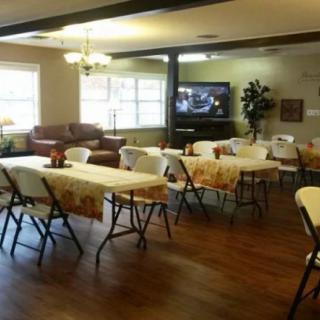






 A Detailed Exploration of Living Wills and Advance Directives
 Comprehensive Guide to Medicare Coverage for Hospice Care
 Caring for Those Who Care: Recognizing, Understanding, and Overcoming Caregiver Burnout