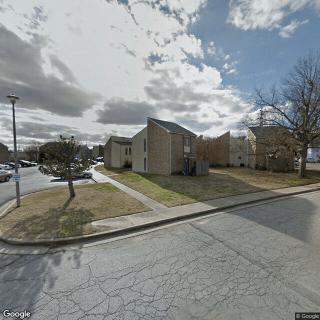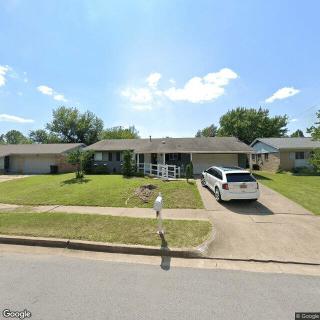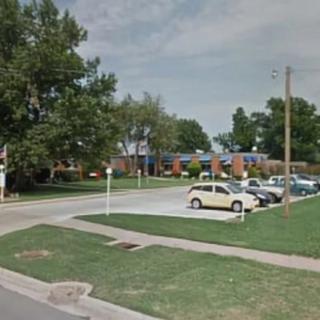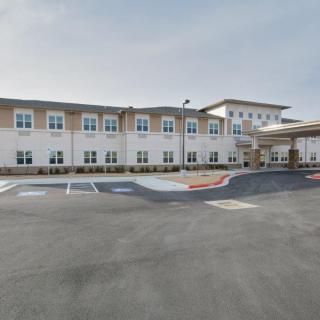
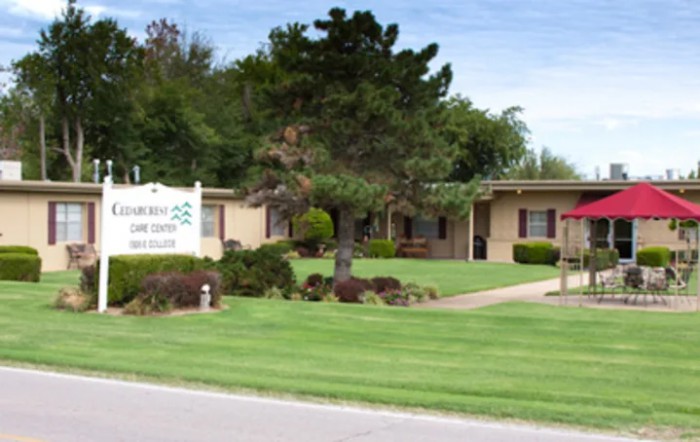
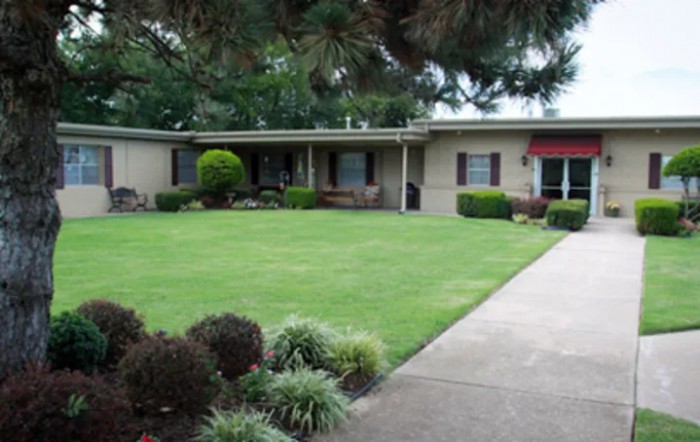

Cedarcrest Care Center in Broken Arrow, OK

Save

Cedarcrest Care Center in Broken Arrow, OK

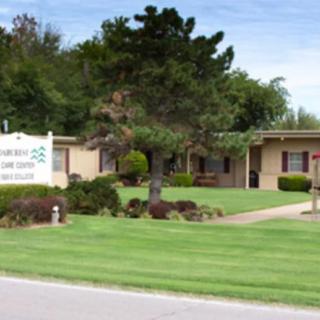
1306 East College, Broken Arrow, OK 74012

For more information about senior living options: (844) 490-3973

3.6 from 23 reviews
5 stars
11
4 stars
4
3 stars
2
2 stars
0
1 stars
6

Skilled Nursing Facility

Overall Review of Cedarcrest Care Center

Pros

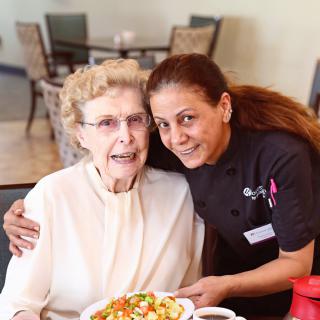
  • pro The Cedarcrest staff deeply care for their residents and communicate with families extraordinarily.
  • pro The facility is clean and residents are very well cared for.
  • pro The staff are friendly, professional, and compassionate.
  • pro The facility offers engaging activities and amenities, including a beauty salon and nail care.
  • pro The staff provide attentive care and help residents regain strength through physical therapy and walking support.
  • pro The environment is well kept, safe, and orderly, with courteous, helpful staff.
  • pro The rooms are clean, odor-free, and transitions for new residents are easy.

Cons

  • pro The deaf nurse on the evening shift is rude and doesn't seem to like her job, and she was rough with the aunt, treating her less than human.
  • pro They don't care about their patients like they should.
  • pro They were lazy, not helping, and left the mother-in-law laying there for days alone.
  • pro The care of the patients is almost non-existent; they leave people to lie in their own urine and feces for hours on end, and upper management allows CNAs to do whatever they want with no repercussions.
  • pro When a complaint is made, they don't call or help in any way.

Review

Cedarcrest Care Center in Broken Arrow is best suited for families that value a warm, intimate, small-community atmosphere where staff genuinely cares and keeps families informed. The facility tends to appeal to residents who benefit from regular social activities, accessible physical therapy, and hands-on attention from caregivers who know them by name. For families seeking clear, ongoing communication about daily needs and progress, Cedarcrest offers a practical, person-centered environment rather than a polished, corporate campus. This option works well when the priority is daily engagement, routine, and a sense of security over upscale amenities.

Those who should consider alternatives are residents with highly complex medical needs requiring constant, highly supervised oversight, or families demanding uniform staff performance across shifts. Several reviews flag uneven care quality, with some staff members described as rough or dismissive and instances of neglect or cleanliness concerns. Prospective residents who expect modern renovations, larger rooms, or consistently strict accountability may find Cedarcrest less aligned with those preferences. In short, it's worth comparing with other options if top-to-bottom consistency or the most up-to-date facility standards are non-negotiable criteria.

On the upside, Cedarcrest earns strong praise for the heart of its operation: compassionate, attentive staff, solid medical attention, and a robust activity calendar. Several reviews highlight a skilled activities director, opportunities for social engagement, and accessible therapies that support walking and strength - plus the ability to arrange regular family involvement and even services like a beauty salon. The building's cleanliness and the small-community feel also contribute to a sense of safety and dignity for residents. For families prioritizing meaningful daily routines, these positives can translate into better mood, greater participation, and noticeable functional gains.

Yet, the downsides cannot be ignored. Reports of rough handling, laziness, or neglect on some shifts illuminate a capability gap in day-to-day consistency. Complaints about slow or incomplete responses to concerns, occasional lapses in cleanliness, and perceived lapses in accountability at higher levels underscore a risk in relying on a single shift or caregiver team. The contrast between overwhelmingly favorable testimonials and harsher critiques suggests that experiences can vary widely by staff, shift, and supervisor, and that care quality may drift without vigilant oversight. The older building and limited closet space are minor but valid drawbacks for residents seeking more modern accommodations.

These strengths can offset the risks when families engage actively and set clear expectations. The best fit appears to be a resident who benefits from routine, social programming, and rehab-oriented care, with a family willing to stay involved and monitor day-to-day care. To seriously mitigate variability, prospective residents should verify current staffing levels, CNA-to-resident ratios, and how concerns are escalated and tracked. Ask about recent care plans, how hospice or palliative needs are coordinated, and what training exists around de-escalation, dignity, and immediate problem resolution. A candid tour focused on odor, cleanliness, safety features, and staff responsiveness will reveal whether the practical positives align with daily realities.

In the final assessment, Cedarcrest Care Center offers a practical, home-like option for families prioritizing warmth, communication, and an active daily rhythm, tempered by a clear awareness of variability in care quality. It is not the pick for those seeking flawless consistency or the most modern aesthetic, but it can be an excellent match for residents who thrive with attentive, engaged staff and a strong activity program when a family stays actively involved. For families weighing options, Cedarcrest deserves comparison against facilities with more uniform reputations and firmer accountability structures. The decisive step is a thorough, hands-on tour with pointed questions about staffing stability, daily routines, and the facility's plan to address any concerns promptly.

Features

Housing

  • 89 resident community capacity 89 resident community capacity

Types of Care

  • Skilled Nursing Facility Skilled Nursing FacilitySkilled Nursing Facilities are crucial for seniors as they provide round-the-clock medical care, rehabilitation services, and assistance with daily activities. These facilities ensure that seniors receive the specialized care they need to maintain their health and well-being as they age.

Amenities

  • Air-conditioning Air-conditioningAir conditioning is important for seniors as they are more vulnerable to heat-related illnesses and may have underlying health conditions that make it difficult for them to regulate their body temperature. It helps to keep them comfortable, safe, and healthy in hot weather.
  • Beauty salon Beauty salonBeauty salons are important for seniors because they provide a space for them to feel pampered, socialize, and maintain their personal grooming and hygiene. Regular visits to a beauty salon can help boost seniors' self-esteem and overall well-being.
  • Cable or satellite TV Cable or satellite TVCable or satellite TV is important for seniors because it provides entertainment, news, and companionship, helping to combat loneliness and boredom. It also offers a wide range of programming options tailored to different interests and preferences.
  • Computer center Computer centerA computer center is essential for seniors as it provides access to technology, communication tools, and resources that can enhance their daily lives. It allows them to stay connected with loved ones, engage in online activities, and learn new skills, ultimately promoting socialization and mental stimulation.
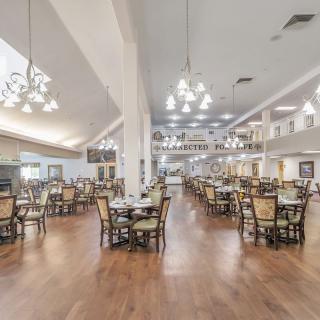
  • Dining room Dining roomDining rooms are important for seniors as they provide a space for socialization, connection, and nutritious meals. They offer opportunities for residents to bond over shared meals, foster a sense of community, and promote healthy eating habits. Dining rooms also ensure that seniors have access to well-balanced meals tailored to their dietary needs and preferences.
  • Fitness room Fitness roomHaving a fitness room in a senior living community is essential for seniors to stay active, maintain their physical health, and improve their overall well-being. Regular exercise can help prevent falls, reduce the risk of chronic diseases, and promote mental sharpness. It also provides social opportunities for residents to connect with others and enjoy a sense of community.
  • Fully furnished Fully furnishedFully furnished senior living communities are important for seniors because they provide convenience, comfort, and a hassle-free moving experience. Seniors can easily settle into their new living space without the stress of having to buy and move furniture. This allows them to focus on enjoying their new home and community.
  • Gaming room Gaming roomGaming rooms are important for seniors as they provide a fun and engaging environment for socializing, cognitive stimulation, and physical activity. Games can improve memory, problem-solving skills, and overall mental well-being while fostering friendships and reducing feelings of isolation.
  • Garden GardenGardens are important for seniors as they provide a peaceful and therapeutic environment for relaxation, physical activity, and socialization. Being in nature has been shown to reduce stress, improve mood, and promote overall well-being. Gardens also offer opportunities for seniors to engage in gardening activities, which can improve mobility, flexibility, and cognitive function. Additionally, gardens create a sense of community and connection with others who share a passion for plants and outdoor spaces.
  • Housekeeping services Housekeeping servicesHousekeeping services are important for seniors because they help maintain a clean and safe living environment, promote independence, and reduce the risk of accidents or illnesses. Additionally, having assistance with household chores can alleviate physical strain and allow seniors to focus on other aspects of their well-being.
  • Kitchenette KitchenetteKitchenettes are important for seniors living in senior living communities because they provide the convenience and independence of being able to prepare simple meals and snacks in the comfort of their own living space. This can help promote a sense of autonomy and well-being for seniors, allowing them to maintain some level of control over their dietary choices and daily routines.
  • Move-in coordination Move-in coordinationMove-in coordination is important for seniors because it helps ease the transition into their new living environment. It ensures that all logistics, such as packing, organizing movers, and setting up utilities are taken care of, allowing seniors to focus on settling in and adjusting to their new home. Having a smooth move-in process can alleviate stress and anxiety, making the transition smoother and more enjoyable for seniors.
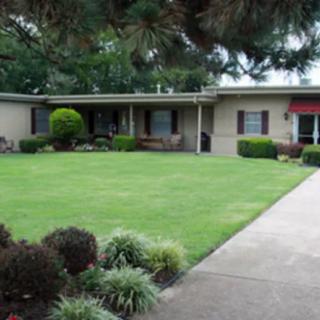
  • Outdoor space Outdoor spaceOutdoor spaces are important for seniors as they provide opportunities for physical activity, social interaction, exposure to natural light and fresh air, and a sense of connection to nature. Having access to outdoor spaces can improve overall well-being and quality of life for older adults living in senior communities.
  • Private bathrooms Private bathroomsPrivate bathrooms are important for seniors in senior living communities because they provide independence, dignity, and comfort. Having a private bathroom allows seniors to maintain their personal hygiene routines without the need for assistance, promoting a sense of autonomy and privacy. Additionally, private bathrooms help prevent the spread of infections and provide a safe and clean environment for seniors to navigate safely.
  • Restaurant-style dining Restaurant-style diningRestaurant-style dining is important for seniors because it allows them to enjoy delicious, nutritious meals in a social and upscale setting. This enhances their dining experience, promotes healthy eating habits, and fosters socialization with fellow residents, ultimately contributing to their overall well-being and quality of life.
  • Small library Small librarySmall libraries are important for seniors as they provide access to a variety of reading materials, including books, newspapers, and magazines. This can help stimulate their minds, keep them engaged, and provide a sense of community through book clubs and other social activities. Additionally, reading has been shown to improve cognitive function and overall mental well-being in older adults.
  • Telephone TelephoneTelephones are important for seniors as they provide a lifeline for communication with loved ones, emergency services, and healthcare providers. They offer a sense of security and independence, enabling seniors to stay connected and access assistance when needed.
  • Wellness center Wellness centerWellness centers are important for seniors because they offer a variety of programs and services that promote physical, mental, and emotional well-being. These centers provide opportunities for exercise, socialization, education, and relaxation, helping seniors maintain their overall health and quality of life.
  • Wi-Fi/high-speed internet available Wi-Fi/high-speed internet availableWi-Fi/high-speed internet is important for seniors to stay connected with loved ones, access online resources, and participate in virtual activities to combat feelings of loneliness and isolation. It also allows them to easily manage healthcare needs, access entertainment, and engage in lifelong learning opportunities.

Transportation

  • Tulsa International (12 miles away) Tulsa International (12 miles away)
  • Community operated transportation Community operated transportationCommunity operated transportation is crucial for seniors as it provides them with the means to access essential services, social activities, and medical appointments. It allows seniors to maintain their independence and quality of life by ensuring they can participate in activities outside of their homes. Additionally, community-operated transportation services offer a safe and reliable way for seniors to travel without having to rely on family or friends for assistance.
  • Transportation arrangement Transportation arrangementTransportation arrangements are crucial for seniors as they may face challenges with driving, mobility, or access to public transportation. Having reliable transportation services ensures that seniors can easily attend appointments, social activities, and maintain their independence and quality of life.
  • Transportation arrangement (non-medical) Transportation arrangement (non-medical)Transportation arrangements are essential for seniors as they provide access to essential services, activities, and social interactions outside the home. This service helps maintain independence, mobility, and overall well-being for seniors who may have limited transportation options.
  • Transportation to doctors appointments Transportation to doctors appointmentsTransportation to doctors appointments is crucial for seniors as it ensures they have access to necessary medical care and support, promoting their health and well-being. It allows them to receive timely treatment, monitor existing conditions, and address any new health concerns efficiently. Additionally, transportation services can help seniors maintain their independence and quality of life by enabling them to stay connected with their healthcare providers.

Care Services

  • 12-16 hour nursing 12-16 hour nursing12-16 hour nursing care is crucial for seniors in order to ensure around-the-clock monitoring, timely medication administration, and prompt response to any health concerns or emergencies. This level of care helps to promote the overall well-being and safety of seniors living in senior living communities.
  • 24-hour call system 24-hour call system24-hour call systems are important for seniors because they provide peace of mind and immediate assistance in case of emergencies. This technology ensures that help is always available, promoting safety and security for elderly individuals living alone or in assisted living facilities.
  • 24-hour supervision 24-hour supervision24-hour supervision is important for seniors to ensure their safety, well-being, and access to immediate assistance in case of emergencies or health issues. This constant support provides peace of mind for both seniors and their loved ones, allowing them to age in place with dignity and security.
  • Activities of daily living assistance Activities of daily living assistanceActivities of daily living assistance are important for seniors because they provide essential support with tasks such as eating, bathing, dressing, and mobility. This assistance helps seniors maintain their independence, dignity, and overall quality of life as they age.
  • Assistance with bathing Assistance with bathingAssistance with bathing is crucial for seniors as it helps maintain personal hygiene, prevents infections, and ensures their overall well-being and comfort. It also provides a sense of dignity and independence for seniors who may struggle with this task on their own.
  • Assistance with dressing Assistance with dressingAssistance with dressing is important for seniors because it helps maintain their independence, promotes personal hygiene, prevents accidents and injuries, and improves overall quality of life. This service ensures that seniors can continue to dress comfortably and confidently, despite any physical limitations they may have.
  • Assistance with transfers Assistance with transfersAssistance with transfers is crucial for seniors as it helps prevent falls and injuries, maintains their independence, and ensures they can safely navigate their living environment. It also provides peace of mind for both seniors and their loved ones.
  • Diabetes diet Diabetes dietA diabetes diet is crucial for seniors as it helps manage blood sugar levels, reduce risks of complications, and improve overall health and well-being. By following a balanced and nutritious diet tailored to their specific needs, seniors can better control their diabetes and enhance their quality of life.
  • Meal preparation and service Meal preparation and serviceMeal preparation and service are crucial for seniors as they may have limited mobility or energy to cook nutritious meals. Having access to healthy and convenient food options can ensure they are getting the proper nutrition needed to maintain their overall health and well-being.
  • Medication management Medication managementMedication management is crucial for seniors to ensure they are taking the right medications at the correct dosages and times. This helps prevent adverse drug interactions, reduces the risk of medication errors, and promotes overall health and well-being. Proactive management also allows for adjustments as needed based on changing health conditions or new prescriptions.
  • Mental wellness program Mental wellness programMental wellness programs are essential for seniors as they promote cognitive stimulation, emotional support, and social engagement. These programs help prevent isolation, depression, and cognitive decline, ultimately enhancing the overall quality of life for older adults.
  • Special dietary restrictions Special dietary restrictionsSpecial dietary restrictions are important for seniors because age-related changes in metabolism and health conditions can make it difficult for their bodies to process certain foods. By following a diet tailored to their specific needs, seniors can maintain their overall health and well-being, manage chronic conditions, and reduce the risk of complications such as malnutrition or food interactions with medications.

Dining

  • Diabetes diet Diabetes dietA diabetes diet is crucial for seniors as it helps manage blood sugar levels, reduce risks of complications, and improve overall health and well-being. By following a balanced and nutritious diet tailored to their specific needs, seniors can better control their diabetes and enhance their quality of life.
  • Special dietary restrictions Special dietary restrictionsSpecial dietary restrictions are important for seniors because age-related changes in metabolism and health conditions can make it difficult for their bodies to process certain foods. By following a diet tailored to their specific needs, seniors can maintain their overall health and well-being, manage chronic conditions, and reduce the risk of complications such as malnutrition or food interactions with medications.

Activities

  • Community-sponsored activities Community-sponsored activitiesCommunity-sponsored activities are important for seniors as they provide opportunities for social interaction, mental stimulation, and physical activity. These activities can help improve overall well-being, combat loneliness and isolation, and promote a sense of belonging and purpose among older adults.
  • Concierge services Concierge servicesConcierge services are essential for seniors as they provide assistance with daily tasks and errands, enhance their quality of life by offering convenience and personalized care, and promote a sense of safety and security.
  • Fitness programs Fitness programsFitness programs are crucial for seniors as they help improve strength, flexibility, balance, and overall well-being. Staying active can reduce the risk of chronic diseases, improve mental health, and enhance quality of life in older adults.
  • Planned day trips Planned day tripsPlanned day trips are important for seniors because they offer opportunities for socialization, mental stimulation, and physical activity. They provide a change of scenery and help seniors stay engaged and connected to their community, promoting overall well-being and quality of life.
  • Resident-run activities Resident-run activitiesResident-run activities are important for seniors as they encourage social interaction, creativity, and a sense of autonomy. These activities empower seniors to stay engaged and active in their community while fostering meaningful connections with their peers.
  • Scheduled daily activities Scheduled daily activitiesScheduled daily activities are important for seniors because they provide structure, socialization, mental stimulation, and physical activity. Engaging in regular activities can improve overall well-being and quality of life for seniors living in a community setting.

Description

Cedarcrest Care Center in Broken Arrow, OK is an exceptional assisted living community that offers a wide range of amenities and care services to its residents. Our goal is to provide a comfortable and engaging environment where seniors can live their golden years to the fullest.

Our community boasts a variety of amenities to cater to the needs and interests of our residents. The beauty salon ensures that our residents always look and feel their best, while the fully furnished accommodations offer a cozy and convenient place to call home. Residents can stay connected with cable or satellite TV, Wi-Fi/high-speed internet, and telephone services. For those who enjoy staying active, our fitness room and wellness center provide opportunities for physical activity and overall well-being.

Dining at Cedarcrest Care Center is truly an experience. With restaurant-style dining, residents can savor delicious meals prepared by our professional chefs. Special dietary restrictions are also accommodated to ensure optimal nutrition for every individual.

We understand the importance of social interaction and engagement in promoting a fulfilling lifestyle. Our community offers various spaces for recreational activities such as the gaming room, small library, and outdoor garden area. Resident-run activities contribute to a sense of belonging within the community, while planned day trips allow residents to explore nearby attractions.

Providing comprehensive care is one of our highest priorities. Our dedicated staff is available 24/7 through our call system and provides assistance with activities of daily living such as bathing, dressing, transfers, and medication management. We also offer specialized care such as diabetes diet management and mental wellness programs.

Cedarcrest Care Center is conveniently located near several parks, pharmacies, physicians' offices, restaurants, places of worship, theaters, hospitals, and transportation options. This ensures that residents have easy access to essential services as well as opportunities for entertainment and cultural enrichment.

If you or your loved one are seeking an assisted living community that prioritizes comfort, convenience, social engagement, and excellent care services in Broken Arrow, OK, Cedarcrest Care Center is the perfect choice.

Nearby Places of Interest

Restaurants

  • Taco Bell (0.4 miles)
  • KFC (0.4 miles)
  • White River Fish Market (0.5 miles)
  • IHOP (0.7 miles)
  • Raising Cane's Chicken Fingers (0.7 miles)
  • Santa Fe Cattle (0.7 miles)
  • Chili's Grill & Bar (0.7 miles)

Places of Worship

  • Full Gospel Mission Church (0.5 miles)
  • Life Church - Broken Arrow Campus (0.9 miles)
  • Aspen Park Baptist Church (4.1 miles)
  • Life.Church South Broken Arrow (4.3 miles)
  • Grace Free Will Baptist Church (5.3 miles)

Pharmacies

  • Reasor's Foods (0.6 miles)
  • Walgreens (0.6 miles)
  • CVS Pharmacy (1.5 miles)
  • Walgreens (1.5 miles)
  • Family Meds Inc. (2.3 miles)
  • CVS Pharmacy (2.8 miles)
  • Walgreens (3.8 miles)

Theaters

  • Cinemark Broken Arrow (0.6 miles)
  • Cinemark Tulsa (4.7 miles)

Physicians

  • James R Campbell (1.4 miles)
  • Anklesaria GM MD (1.5 miles)
  • Crestcare Family Medicine (1.5 miles)
  • Broken Arrow Family Clinic (1.6 miles)
  • Pain Management Of Oklahoma (1.7 miles)
  • James F Owens DDS (2 miles)
  • Pediatrics Plus (2.1 miles)

Hospitals

  • St John Broken Arrow (2.2 miles)
  • St Francis Hospital (2.6 miles)
  • Southwestern Regional Medical Center (5.1 miles)

Parks

  • Broken Arrow Parks (2.9 miles)
  • Leisure Park (3.7 miles)
  • Playground In Ressaince Park (4.4 miles)
  • Leake Park (6.6 miles)

Transportation

  • U-Haul Moving & Storage (3.1 miles)

Cafes

  • Cha Bubble Tea (6.2 miles)

Frequently Asked Questions

Where is Cedarcrest Care Center?
What photos are available for Cedarcrest Care Center in Broken Arrow, Oklahoma?

Nearby Communities

  • Townhouse Square

    Townhouse Square

    Broken Arrow, OK

    4.1 from 10 reviews
     

    pro Personalized assisted living with diabetes care and on-site activities.

  • Broken Arrow Nursing Home

    Broken Arrow Nursing Home

    Broken Arrow, OK

    3.4 from 33 reviews
     

    pro Caring, long-tenured staff in a warm, homey setting.

  • Living Rose Christian Assisted Living Home

    Living Rose Christian Assisted Living Home

    Broken Arrow, OK

    5 from 36 reviews
    $3,900 / month

    pro Small, intimate setting with highly personalized, Christian-centered care.

  • Village Health Care Center

    Village Health Care Center

    Broken Arrow, OK

    3 from 36 reviews
     

    pro Kind staff with an uplifting atmosphere.

  • Prairie House Assisted Living & Memory Care

    Prairie House Assisted Living & Memory Care

    Broken Arrow, OK

    4 from 53 reviews
    $3,350 to $4,200 / month

    pro Clean, well-maintained facility with friendly staff and engaging activities.

  • Morada Broken Arrow

    Morada Broken Arrow

    Broken Arrow, OK

    4.4 from 150 reviews
    $2,250 to $3,560 / month

    pro Friendly staff with engaging activities and well-maintained grounds.

  • Bellarose Senior Living

    Bellarose Senior Living

    Tulsa, OK

    4.2 from 193 reviews
    $3,100 to $4,600 / month

    pro Friendly, caring staff in a clean, upscale community with appealing amenities.

  • Forest Hills Assisted Living Retirement and Care Center

    Forest Hills Assisted Living Retirement and Care Center

    Broken Arrow, OK

    4.6 from 46 reviews
    $1,929 to $3,970 / month

    pro Friendly, compassionate staff with a warm, homey atmosphere and engaging activities.

  • Rolling Hills Care Center

    Rolling Hills Care Center

    Catoosa, OK

    3.2 from 43 reviews
     

Skilled Nursing Facility in Nearby Cities

Related Resources

  • fecal incontinenceFecal Incontinence in Older Adults: A Comprehensive Guide

    Fecal incontinence, prevalent among older adults, arises from factors like weakened pelvic muscles and nerve damage, significantly affecting well-being and social interactions. Diagnosis involves clinical evaluation and tests to inform tailored treatments, while caregivers and preventive measures can aid in managing the condition effectively.

  • anticipatory griefRecognizing the Journey: Understanding and Navigating Anticipatory Grief

    Anticipatory grief is an emotional response to the impending loss of a loved one, characterized by complex emotions such as sadness and anger, and involves navigating stages similar to those identified by Kübler-Ross. Coping strategies are vital for managing this process, emphasizing compassionate communication, self-care, and support groups while recognizing the cultural influences on grieving.

  • adult day careEncouraging Participation in Adult Day Care: A Guide to Supporting a Hesitant Parent


    Adult day care programs offer essential support and activities for older adults, yet many hesitate to participate due to concerns about independence and stigma. To alleviate these apprehensions, families should facilitate open discussions, explore financial resources, suggest trial visits, and collaborate with healthcare providers to highlight the benefits of such services for both the participants and their caregivers.