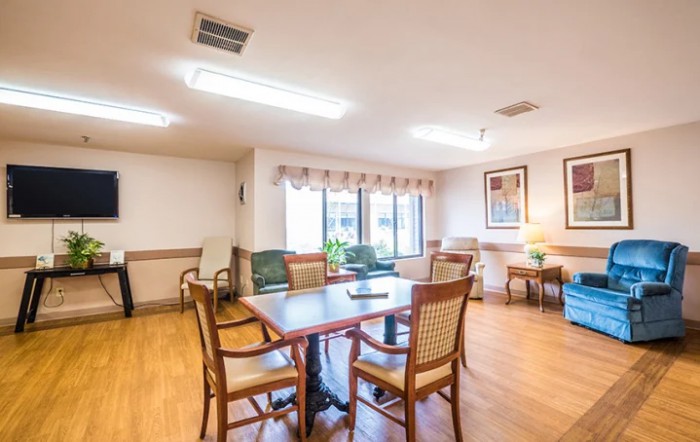
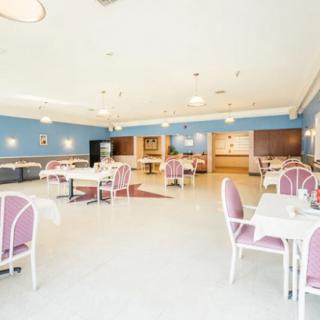
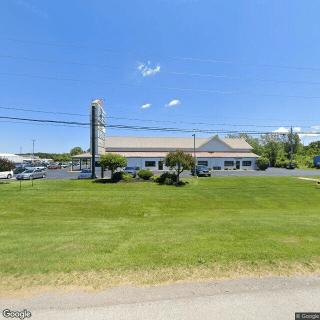
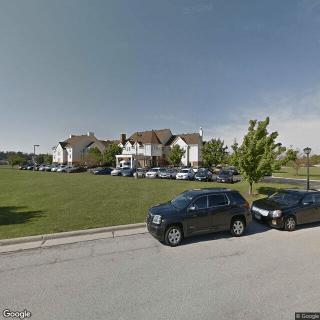
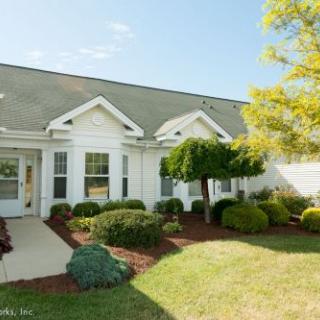
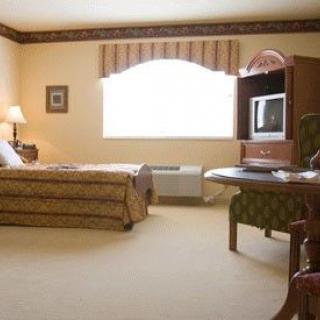
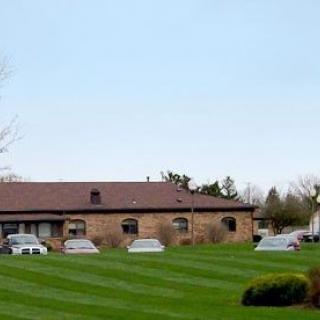
Edgewood Manor Rehabilitation & Healthcare Center in Port Clinton, OH

Save

Edgewood Manor Rehabilitation & Healthcare Center in Port Clinton, OH

Information last verified:

1330 South Fulton Street, Port Clinton, OH 43452

For more information about senior living options: (844) 490-3973

4.1 from 34 reviews
5 stars
22
4 stars
5
3 stars
1
2 stars
1
1 stars
5

Overall Review of Edgewood Manor Rehabilitation & Healthcare Center

Pros

  • pro The facility is regarded as one of the best in the area, with excellent staff who care for their clients, a nice building, and cleanliness.
  • pro The staff are very friendly and provide a pleasant rehabilitation environment for residents.
  • pro The staff take very good care of Gran, and the family is grateful for their care.
  • pro Jen received great care, and the staff treated the whole family well.
  • pro The staff are inviting and provide excellent care, and the facility is consistently clean.
  • pro The staff listen and adjust to residents' and families' needs; therapies are reassessed to maximize function; the staff have been consistent and rebounded well.
  • pro The staff are extremely helpful and very nice to residents.
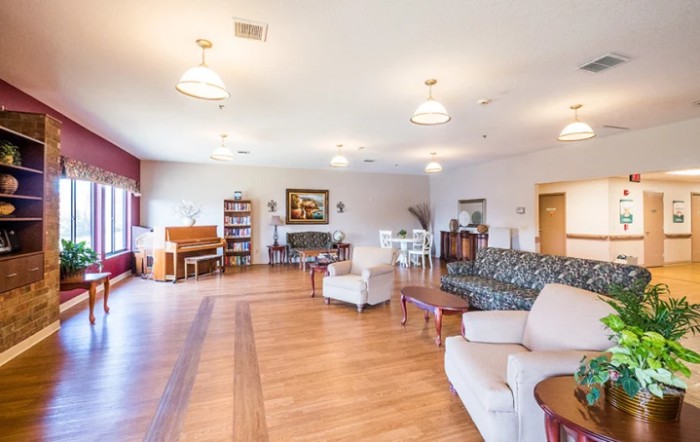
  • pro The facility has a home-like atmosphere with qualified, caring staff, giving peace of mind that loved ones are safe and well cared for.

Cons

  • pro The facility was described as more of a “glorified” homeless shelter than a nursing home.
  • pro The nurses were described as overworked and short-handed, with management focusing only on money.
  • pro The reviewer alleged that minorities were treated as prisoners.
  • pro A reviewer alleged a resident went 24 hours without medications and received no therapy for two days, with other basic-care issues such as nonworking scales and thin sheets.
  • pro The Port Clinton facility was criticized as needing significant investment in care and nursing standards.

Review

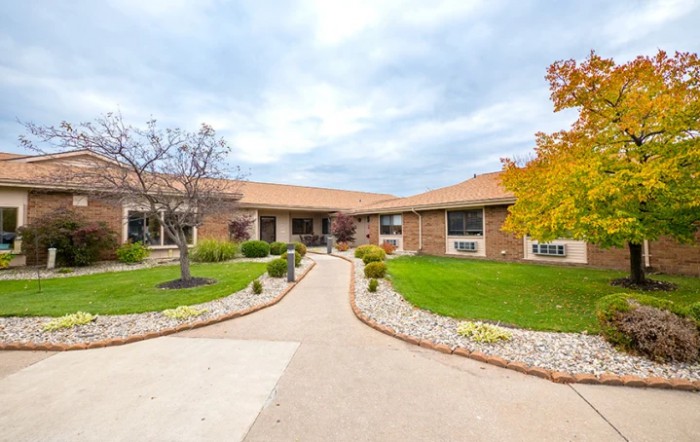
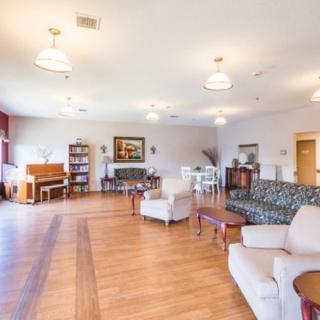
Edgewood Manor Rehabilitation & Healthcare Center in Port Clinton is most appropriate for families seeking a skilled-nursing environment with steady, relationship-driven care. It suits seniors who need reliable rehabilitation services, ongoing therapy, and a memory-care option within a clean, home-like setting. The facility’s strongest appeal lies in a consistently attentive staff, a well-maintained building, and a culture that emphasizes responsive caregiving and personal attention. For families prioritizing daily warmth, visible resident engagement, and solid therapy programs, Edgewood Manor stands out as a practical choice.

Alternatives are worth considering for those who require fewer staffing fluctuations, stricter med-management oversight, or a more pronounced emphasis on clinical rigor. A small but vocal portion of reviewers flagged experiences suggesting variable nursing coverage and occasional lapses in coordination of medications and wound care. Families who cannot tolerate perceived gaps in supervision, or who need a facility with a more uniformly staffed model across shifts, should contrast Edgewood Manor with nearby options that publish staffing ratios and policy audits, and request real-time evidence of consistent coverage during evenings and weekends. Also, those who have strong concerns about cultural sensitivity or discrimination-seeking environments will want to explore facilities with documented diversity training and clear non-discrimination records.

The pros at Edgewood Manor are substantial and repeatedly corroborated across multiple families. Residents benefit from a clean, well-kept building, a therapeutic environment, and staff members who are described as caring, approachable, and responsive. Therapy programs receive praise for their ongoing reassessment and the effort to maintain function, particularly for memory-care residents, where continuity and individualized adjustments matter most. Families note a home-like atmosphere that reduces the stress of transition, with staff that treat residents with dignity and include families in care planning. In short, the blend of clean surroundings, consistency in caregiving, and active therapy support often offsets the routine challenges inherent in long-term care.

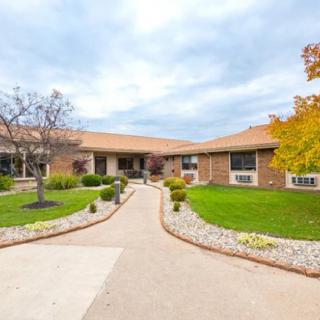
On the other hand, cons cited in reviews revolve around staffing pressures at times and occasional care-delivery gaps. A few accounts describe periods when staff were stretched thin, and one report highlighted a two-day lapse in medication administration coupled with questions about dietary compliance and basic bedside support. Other critiques center on physical-plant and outdoor access realities, such as limited shade and sidewalks for safe outdoor activity, and a suggestion that some operational priorities may gravitate toward occupancy and costs rather than every individual care detail. These threads matter, but they are not universal across every shift and unit, and they tend to recede when the care team demonstrates proactive problem-solving and transparent communication.

Those trade-offs point to a practical conclusion: Edgewood Manor is best for families who can partner closely with the facility, insist on clear, ongoing care plans, and prioritize a strong therapy backbone in a homey setting. The strong points, cleanliness, a caring staff, and engaged therapy, typically carry significant weight for long-term stays and for memory-care needs. The most convincing reason to consider alternatives is the presence of credible concerns about staffing consistency and episodic lapses in care delivery; in such cases, a parallel evaluation of nearby facilities with published staffing metrics and stricter quality oversight becomes prudent. For most families, Edgewood Manor remains a solid, workmanlike choice when those caveats are addressed upfront.

Practical next steps can anchor a confident decision. Schedule a firsthand tour during a typical weekday to observe staffing patterns, talk directly with nurses and therapists, and see how the team interacts with memory-care residents and post-acute rehabilitations. Ask for real-time data on med-management protocols, wound-care procedures, and how care plans adapt after hospital discharges. Request details on staffing ratios by shift, therapy frequency, and the process for dining accommodations for dietary restrictions. Inquire about outdoor spaces, shade availability, and walkability to ensure safe, restorative time outside. Finally, probe how feedback is escalated and resolved, and seek recent, specific examples of care plans that improved a resident’s function or comfort. Edgewood Manor remains a compelling option for families who value warm, attentive care and solid rehab support, provided expectations are aligned with the realities of staffing dynamics and ongoing quality oversight.

Features

Housing

  • 80 resident community capacity 80 resident community capacity

Types of Care

  • Skilled Nursing Facility Skilled Nursing FacilitySkilled Nursing Facilities are crucial for seniors as they provide round-the-clock medical care, rehabilitation services, and assistance with daily activities. These facilities ensure that seniors receive the specialized care they need to maintain their health and well-being as they age.

Amenities

  • Air-conditioning Air-conditioningAir conditioning is important for seniors as they are more vulnerable to heat-related illnesses and may have underlying health conditions that make it difficult for them to regulate their body temperature. It helps to keep them comfortable, safe, and healthy in hot weather.
  • Beauty salon Beauty salonBeauty salons are important for seniors because they provide a space for them to feel pampered, socialize, and maintain their personal grooming and hygiene. Regular visits to a beauty salon can help boost seniors' self-esteem and overall well-being.
  • Cable or satellite TV Cable or satellite TVCable or satellite TV is important for seniors because it provides entertainment, news, and companionship, helping to combat loneliness and boredom. It also offers a wide range of programming options tailored to different interests and preferences.
  • Computer center Computer centerA computer center is essential for seniors as it provides access to technology, communication tools, and resources that can enhance their daily lives. It allows them to stay connected with loved ones, engage in online activities, and learn new skills, ultimately promoting socialization and mental stimulation.
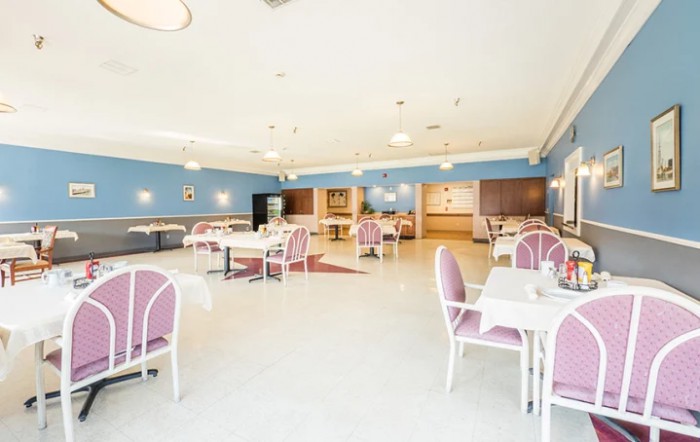
  • Dining room Dining roomDining rooms are important for seniors as they provide a space for socialization, connection, and nutritious meals. They offer opportunities for residents to bond over shared meals, foster a sense of community, and promote healthy eating habits. Dining rooms also ensure that seniors have access to well-balanced meals tailored to their dietary needs and preferences.
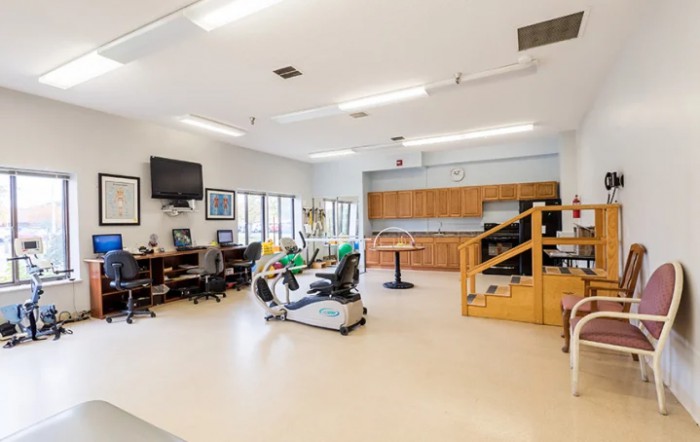
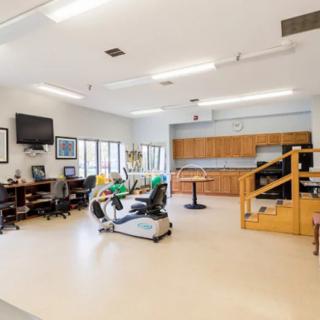
  • Fitness room Fitness roomHaving a fitness room in a senior living community is essential for seniors to stay active, maintain their physical health, and improve their overall well-being. Regular exercise can help prevent falls, reduce the risk of chronic diseases, and promote mental sharpness. It also provides social opportunities for residents to connect with others and enjoy a sense of community.
  • Fully furnished Fully furnishedFully furnished senior living communities are important for seniors because they provide convenience, comfort, and a hassle-free moving experience. Seniors can easily settle into their new living space without the stress of having to buy and move furniture. This allows them to focus on enjoying their new home and community.
  • Gaming room Gaming roomGaming rooms are important for seniors as they provide a fun and engaging environment for socializing, cognitive stimulation, and physical activity. Games can improve memory, problem-solving skills, and overall mental well-being while fostering friendships and reducing feelings of isolation.
  • Garden GardenGardens are important for seniors as they provide a peaceful and therapeutic environment for relaxation, physical activity, and socialization. Being in nature has been shown to reduce stress, improve mood, and promote overall well-being. Gardens also offer opportunities for seniors to engage in gardening activities, which can improve mobility, flexibility, and cognitive function. Additionally, gardens create a sense of community and connection with others who share a passion for plants and outdoor spaces.
  • Housekeeping services Housekeeping servicesHousekeeping services are important for seniors because they help maintain a clean and safe living environment, promote independence, and reduce the risk of accidents or illnesses. Additionally, having assistance with household chores can alleviate physical strain and allow seniors to focus on other aspects of their well-being.
  • Kitchenette KitchenetteKitchenettes are important for seniors living in senior living communities because they provide the convenience and independence of being able to prepare simple meals and snacks in the comfort of their own living space. This can help promote a sense of autonomy and well-being for seniors, allowing them to maintain some level of control over their dietary choices and daily routines.
  • Move-in coordination Move-in coordinationMove-in coordination is important for seniors because it helps ease the transition into their new living environment. It ensures that all logistics, such as packing, organizing movers, and setting up utilities are taken care of, allowing seniors to focus on settling in and adjusting to their new home. Having a smooth move-in process can alleviate stress and anxiety, making the transition smoother and more enjoyable for seniors.
  • Outdoor space Outdoor spaceOutdoor spaces are important for seniors as they provide opportunities for physical activity, social interaction, exposure to natural light and fresh air, and a sense of connection to nature. Having access to outdoor spaces can improve overall well-being and quality of life for older adults living in senior communities.
  • Private bathrooms Private bathroomsPrivate bathrooms are important for seniors in senior living communities because they provide independence, dignity, and comfort. Having a private bathroom allows seniors to maintain their personal hygiene routines without the need for assistance, promoting a sense of autonomy and privacy. Additionally, private bathrooms help prevent the spread of infections and provide a safe and clean environment for seniors to navigate safely.
  • Restaurant-style dining Restaurant-style diningRestaurant-style dining is important for seniors because it allows them to enjoy delicious, nutritious meals in a social and upscale setting. This enhances their dining experience, promotes healthy eating habits, and fosters socialization with fellow residents, ultimately contributing to their overall well-being and quality of life.
  • Small library Small librarySmall libraries are important for seniors as they provide access to a variety of reading materials, including books, newspapers, and magazines. This can help stimulate their minds, keep them engaged, and provide a sense of community through book clubs and other social activities. Additionally, reading has been shown to improve cognitive function and overall mental well-being in older adults.
  • Telephone TelephoneTelephones are important for seniors as they provide a lifeline for communication with loved ones, emergency services, and healthcare providers. They offer a sense of security and independence, enabling seniors to stay connected and access assistance when needed.
  • Wellness center Wellness centerWellness centers are important for seniors because they offer a variety of programs and services that promote physical, mental, and emotional well-being. These centers provide opportunities for exercise, socialization, education, and relaxation, helping seniors maintain their overall health and quality of life.
  • Wi-Fi/high-speed internet available Wi-Fi/high-speed internet availableWi-Fi/high-speed internet is important for seniors to stay connected with loved ones, access online resources, and participate in virtual activities to combat feelings of loneliness and isolation. It also allows them to easily manage healthcare needs, access entertainment, and engage in lifelong learning opportunities.

Transportation

  • Community operated transportation Community operated transportationCommunity operated transportation is crucial for seniors as it provides them with the means to access essential services, social activities, and medical appointments. It allows seniors to maintain their independence and quality of life by ensuring they can participate in activities outside of their homes. Additionally, community-operated transportation services offer a safe and reliable way for seniors to travel without having to rely on family or friends for assistance.
  • Transportation arrangement Transportation arrangementTransportation arrangements are crucial for seniors as they may face challenges with driving, mobility, or access to public transportation. Having reliable transportation services ensures that seniors can easily attend appointments, social activities, and maintain their independence and quality of life.
  • Transportation arrangement (non-medical) Transportation arrangement (non-medical)Transportation arrangements are essential for seniors as they provide access to essential services, activities, and social interactions outside the home. This service helps maintain independence, mobility, and overall well-being for seniors who may have limited transportation options.
  • Transportation to doctors appointments Transportation to doctors appointmentsTransportation to doctors appointments is crucial for seniors as it ensures they have access to necessary medical care and support, promoting their health and well-being. It allows them to receive timely treatment, monitor existing conditions, and address any new health concerns efficiently. Additionally, transportation services can help seniors maintain their independence and quality of life by enabling them to stay connected with their healthcare providers.

Care Services

  • 12-16 hour nursing 12-16 hour nursing12-16 hour nursing care is crucial for seniors in order to ensure around-the-clock monitoring, timely medication administration, and prompt response to any health concerns or emergencies. This level of care helps to promote the overall well-being and safety of seniors living in senior living communities.
  • 24-hour call system 24-hour call system24-hour call systems are important for seniors because they provide peace of mind and immediate assistance in case of emergencies. This technology ensures that help is always available, promoting safety and security for elderly individuals living alone or in assisted living facilities.
  • 24-hour supervision 24-hour supervision24-hour supervision is important for seniors to ensure their safety, well-being, and access to immediate assistance in case of emergencies or health issues. This constant support provides peace of mind for both seniors and their loved ones, allowing them to age in place with dignity and security.
  • Activities of daily living assistance Activities of daily living assistanceActivities of daily living assistance are important for seniors because they provide essential support with tasks such as eating, bathing, dressing, and mobility. This assistance helps seniors maintain their independence, dignity, and overall quality of life as they age.
  • Assistance with bathing Assistance with bathingAssistance with bathing is crucial for seniors as it helps maintain personal hygiene, prevents infections, and ensures their overall well-being and comfort. It also provides a sense of dignity and independence for seniors who may struggle with this task on their own.
  • Assistance with dressing Assistance with dressingAssistance with dressing is important for seniors because it helps maintain their independence, promotes personal hygiene, prevents accidents and injuries, and improves overall quality of life. This service ensures that seniors can continue to dress comfortably and confidently, despite any physical limitations they may have.
  • Assistance with transfers Assistance with transfersAssistance with transfers is crucial for seniors as it helps prevent falls and injuries, maintains their independence, and ensures they can safely navigate their living environment. It also provides peace of mind for both seniors and their loved ones.
  • Diabetes diet Diabetes dietA diabetes diet is crucial for seniors as it helps manage blood sugar levels, reduce risks of complications, and improve overall health and well-being. By following a balanced and nutritious diet tailored to their specific needs, seniors can better control their diabetes and enhance their quality of life.
  • Meal preparation and service Meal preparation and serviceMeal preparation and service are crucial for seniors as they may have limited mobility or energy to cook nutritious meals. Having access to healthy and convenient food options can ensure they are getting the proper nutrition needed to maintain their overall health and well-being.
  • Medication management Medication managementMedication management is crucial for seniors to ensure they are taking the right medications at the correct dosages and times. This helps prevent adverse drug interactions, reduces the risk of medication errors, and promotes overall health and well-being. Proactive management also allows for adjustments as needed based on changing health conditions or new prescriptions.
  • Mental wellness program Mental wellness programMental wellness programs are essential for seniors as they promote cognitive stimulation, emotional support, and social engagement. These programs help prevent isolation, depression, and cognitive decline, ultimately enhancing the overall quality of life for older adults.
  • Special dietary restrictions Special dietary restrictionsSpecial dietary restrictions are important for seniors because age-related changes in metabolism and health conditions can make it difficult for their bodies to process certain foods. By following a diet tailored to their specific needs, seniors can maintain their overall health and well-being, manage chronic conditions, and reduce the risk of complications such as malnutrition or food interactions with medications.

Dining

  • Diabetes diet Diabetes dietA diabetes diet is crucial for seniors as it helps manage blood sugar levels, reduce risks of complications, and improve overall health and well-being. By following a balanced and nutritious diet tailored to their specific needs, seniors can better control their diabetes and enhance their quality of life.
  • Special dietary restrictions Special dietary restrictionsSpecial dietary restrictions are important for seniors because age-related changes in metabolism and health conditions can make it difficult for their bodies to process certain foods. By following a diet tailored to their specific needs, seniors can maintain their overall health and well-being, manage chronic conditions, and reduce the risk of complications such as malnutrition or food interactions with medications.

Activities

  • Community-sponsored activities Community-sponsored activitiesCommunity-sponsored activities are important for seniors as they provide opportunities for social interaction, mental stimulation, and physical activity. These activities can help improve overall well-being, combat loneliness and isolation, and promote a sense of belonging and purpose among older adults.
  • Concierge services Concierge servicesConcierge services are essential for seniors as they provide assistance with daily tasks and errands, enhance their quality of life by offering convenience and personalized care, and promote a sense of safety and security.
  • Fitness programs Fitness programsFitness programs are crucial for seniors as they help improve strength, flexibility, balance, and overall well-being. Staying active can reduce the risk of chronic diseases, improve mental health, and enhance quality of life in older adults.
  • Planned day trips Planned day tripsPlanned day trips are important for seniors because they offer opportunities for socialization, mental stimulation, and physical activity. They provide a change of scenery and help seniors stay engaged and connected to their community, promoting overall well-being and quality of life.
  • Resident-run activities Resident-run activitiesResident-run activities are important for seniors as they encourage social interaction, creativity, and a sense of autonomy. These activities empower seniors to stay engaged and active in their community while fostering meaningful connections with their peers.
  • Scheduled daily activities Scheduled daily activitiesScheduled daily activities are important for seniors because they provide structure, socialization, mental stimulation, and physical activity. Engaging in regular activities can improve overall well-being and quality of life for seniors living in a community setting.

Description

Edgewood Manor Rehabilitation & Healthcare Center is a premier assisted living community located in Port Clinton, OH. With a range of amenities and care services offered, residents can expect a comfortable and fulfilling lifestyle.

The community offers various amenities to cater to the needs and preferences of its residents. A beauty salon ensures that residents can easily maintain their grooming needs. Cable or satellite TV is available for entertainment purposes. Community operated transportation allows residents to conveniently access nearby destinations. The computer center provides the opportunity for residents to stay connected with loved ones or explore their interests online.

A spacious dining room offers a restaurant-style dining experience where residents can enjoy delicious and nutritious meals prepared by the dedicated kitchen staff. Private bathrooms provide enhanced privacy and convenience for residents. Move-in coordination eases the transition process for new residents, ensuring a smooth and stress-free move into their fully furnished accommodations.

Recreational activities are abundant at Edgewood Manor Rehabilitation & Healthcare Center with options like a fitness room, gaming room, small library, and outdoor spaces such as gardens for relaxation and leisure time. Planned daily activities keep residents engaged and entertained while resident-run activities foster social connections within the community.

Care services provided include assistance with activities of daily living such as bathing, dressing, and transfers. Trained staff members are available 24/7 to provide supervision and respond promptly to any needs or emergencies using the 24-hour call system. Medication management ensures that medication schedules are adhered to effectively.

Keeping overall wellness in mind, Edgewood Manor Rehabilitation & Healthcare Center offers mental wellness programs alongside physical fitness programs in its wellness center. Special dietary restrictions can be accommodated to ensure each resident's nutritional needs are met.

Additionally, convenient nearby amenities include cafes, pharmacies, physicians' offices, restaurants, places of worship, and hospitals which further enhance accessibility for residents and their families.

At Edgewood Manor Rehabilitation & Healthcare Center, seniors will find a welcoming community that promotes an active and fulfilling lifestyle while providing personalized care and support.

Nearby Places of Interest

Physicians

  • Magruder Hospital & Family Clinics (0.4 miles)
  • McLean Sandy MD (0.4 miles)
  • Carl W. Steele (0.5 miles)
  • Leonardo Que MD (0.5 miles)
  • Northern Ohio Medical Specialists (0.5 miles)
  • Robert Cromley, DO (0.5 miles)
  • Fastrack Urgent Care (1 miles)

Hospitals

  • Magruder Hospital (0.5 miles)
  • H B Magruder Hospital (0.5 miles)
  • Firelands Regional Medical Center (12.2 miles)
  • Firelands S Campus (12.3 miles)
  • Firelands Regional Medical Center (12.3 miles)
  • Noms Healthcare (12.4 miles)

Places of Worship

  • St Thomas Episcopal Church (0.9 miles)
  • Trinity United Methodist Church (0.9 miles)
  • St Joseph's Catholic Church (10.7 miles)

Restaurants

  • Sloopy's Sports Cafe (0.9 miles)
  • Wendy's (1 miles)
  • 1812 Food & Spirits (1 miles)
  • The Bait House (1.1 miles)
  • McDonald's (1.3 miles)
  • Big Boy Family Restaurant (1.4 miles)
  • Docks Beach House (1.4 miles)

Cafes

  • Coffee Express (1 miles)
  • R Coffee Corner (4.1 miles)
  • Biggby Coffee (4.4 miles)
  • Starbucks (9.1 miles)
  • Coffee and Cream (10.1 miles)
  • Dockside Cafe (11.6 miles)
  • Vita Urbana (12 miles)

Pharmacies

  • Rite Aid (1.3 miles)
  • Kroger Pharmacy (2 miles)
  • Bassett's Market Pharmacy (4.4 miles)
  • Bassett's Market (4.4 miles)
  • Community Markets (11.1 miles)
  • Rite Aid (11.2 miles)
  • The Stadium Pharmacy (12.3 miles)

Parks

  • Lions Park (10.4 miles)
  • South Bass Island State Park (11.2 miles)
  • Marblehead Lighthouse State Park (11.8 miles)
  • Shoreline Park (12 miles)

Transportation

  • Amtrak Train Station (11.9 miles)

Frequently Asked Questions

Where is Edgewood Manor Rehabilitation & Healthcare Center?
What photos are available for Edgewood Manor Rehabilitation & Healthcare Center in Port Clinton, Ohio?

Nearby Communities

  • Home Instead - Port Clinton,  OH

    Home Instead - Port Clinton, OH

    Port Clinton, OH

    5 from 21 reviews
     

    pro Compassionate, capable staff delivering tailored home care.

  • Ohio Living Vineyard on Catawba

    Ohio Living Vineyard on Catawba

    Port Clinton, OH

    5 from 11 reviews
    $3,000 / month

    pro Peaceful campus with a picturesque vineyard, engaging events, and caring staff.

  • Chalet At The Vineyard On Catawba

    Chalet At The Vineyard On Catawba

    Port Clinton, OH


    pro Small, intimate setting with comprehensive care.

  • Ottawa Co Riverview Nursing Home

    Ottawa Co Riverview Nursing Home

    Oak Harbor, OH

    3.4 from 10 reviews
     

    pro Extensive amenities and 24/7 care (supervision, medication management, dining, activities, transportation, wellness).

  • The Commons of Providence

    The Commons of Providence

    Sandusky, OH

    4.8 from 55 reviews
    $1,418 to $2,912 / month

    pro Attentive, family-like staff and a clean, welcoming, home-like environment.

  • Commons Of Providence

    Commons Of Providence

    Sandusky, OH

    4.8 from 33 reviews
     

    pro Extensive on-site amenities and care options (dining, transportation, wellness, activities, private apartments).

  • Ohio Veterans Home

    Ohio Veterans Home

    Sandusky, OH

    4.3 from 51 reviews
     

    pro Excellent care in a welcoming, respectful environment with engaging activities and extensive amenities.

  • The Willows At Bellevue

    The Willows At Bellevue

    Bellevue, OH

    3.1 from 8 reviews
     

    pro Elegant, condo-style living with engaging activities and friendly staff.

  • Genoa Retirement Village

    Genoa Retirement Village

    Genoa, OH

    4.8 from 107 reviews
    $1,680 to $2,550 / month

    pro Caring staff, clean facilities, and active resident life.

Skilled Nursing Facility in Nearby Cities

Related Resources

  • does medicare cover home health careNavigating Medicare Coverage for In-Home Care Services

    Medicare covers in-home health care services, which are medical and provided by licensed professionals under a physician's supervision, whereas non-medical personal assistance is generally not covered unless part of a broader skilled care plan. Eligibility for benefits depends on being homebound and needing intermittent skilled services from a Medicare-certified agency, with specific coverage limitations and additional resources available for navigating options.

  • how much does private home care cost per hourIn-Home Care Costs in 2025: A Detailed State-by-State Exploration
    In-home care is increasingly sought after by older adults for maintaining independence, with average private home care rates in 2025 varying by state and service type, reflecting geographical and local labor market influences. As demand rises, families are considering funding options like Medicaid waivers and long-term care insurance to manage costs effectively while ensuring quality care.

  • what is home health careUnderstanding Home Health Care: A Comprehensive Guide
    Home health care has become essential for supporting independence among the aging population, offering diverse services such as skilled nursing and rehabilitation in familiar environments, while also incorporating technology for personalized care. Despite its benefits, including improved recovery rates and emotional well-being, challenges like safety, staff availability, and insurance navigation must be managed for effective implementation.