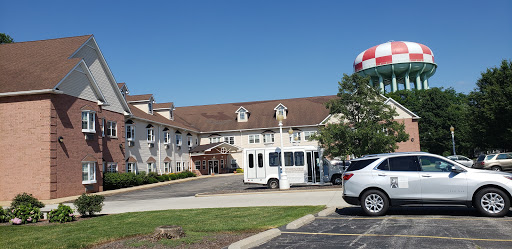
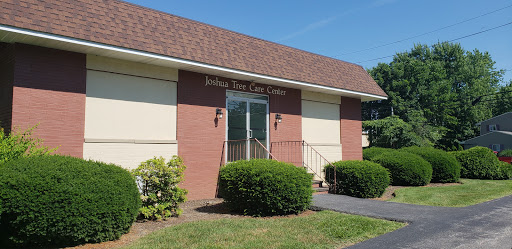




27500 Mill Road, North Olmsted, OH 44070
For more information about senior living options: (866) 208-4318
Overall Review of Joshua Tree Care Center
Pros
 The facility was wonderful.
- It was conveniently located near family, making visits easy.
- The admissions counselor was very nice and answered all questions.
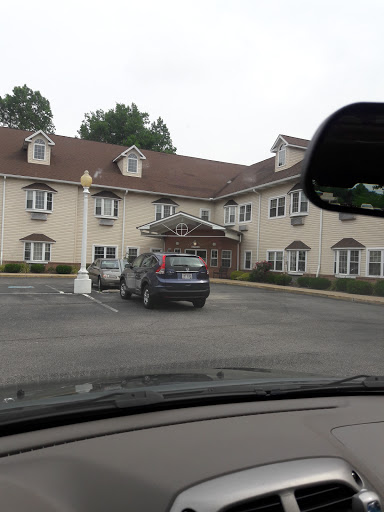
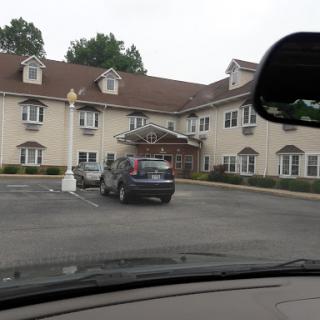
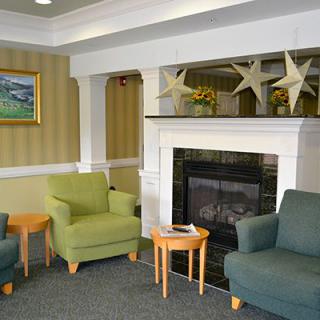
- The assisted living is brand new, elegant, and very beautiful.
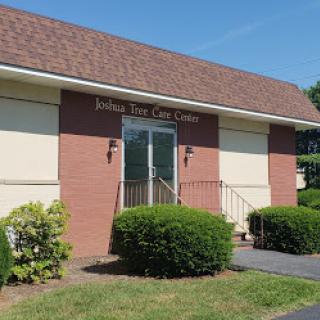
- The renovations to the skilled care building were wonderful.
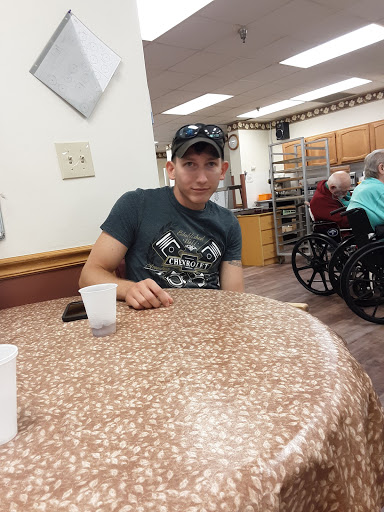
- The experience with Joshua Tree is very good—very clean, friendly, and home-like.
- The staff is very good.
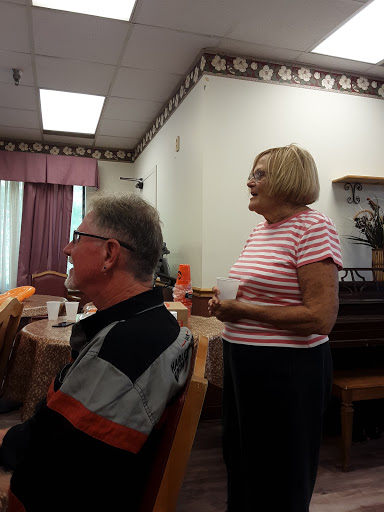
- The facility offers many amenities and activities, including trips and games, keeping residents busy.
Cons
 The place is overrated.
- The dad received no help to use the toilet, and his aides were outside smoking.
- Some staff are rude and intolerant of elderly residents.
- One of the dad's aides appeared to have mental problems and threw bed linens on the floor because there were no snacks.
- There is no secure courtyard for residents to sit in.
- The rooms are small.
Review
Joshua Tree Care Center in North Olmsted, OH is best suited for families seeking a compact, homey setting that offers light to moderate daily assistance, strong social programming, and the convenience of a nearby location for frequent visits. The newly renovated assisted-living wing gives residents a modern, pleasant environment, while the original skilled-care section has been refreshed to feel less outdated. It works well for respite stays or short-term placements while family obligations rotate, and it appeals to those who want a clean, orderly campus with accessible activities. This is not a place built for intensive medical oversight or constant nursing presence, so families weighing long-term, high-acuity needs should adjust expectations accordingly.
Those who should consider alternatives are those anticipating ongoing, around-the-clock medical or nursing requirements, or who need robust memory-care or highly supervised care. A key red flag from reviews is the uneven staffing across shifts and the absence of 24/7 skilled nursing, which can translate into lapses in care for residents with more demanding medical needs. Potential residents should also be wary if outdoor access safety is paramount; the campus lacks a secure courtyard, limiting outdoor space for independent, supervised time. Additionally, some families may prefer larger private rooms or a layout that feels more unified between care levels. For Medicaid-driven planning, it’s wise to compare with facilities that explicitly advertise Medicaid acceptance and continuous nursing coverage.
The strongest positives lie in location, cleanliness, and staff who are consistently described as friendly and capable in multiple shifts. The assisted-living area feels fresh and dignified, delivering a pleasant daily living experience. Medication assistance is available, easing routine health tasks even when full-time skilled nursing isn’t on site. A robust calendar of activities, outings, and a social atmosphere keeps residents engaged, while the dining experience is typically described as satisfying. Two-room apartments with basic kitchens provide a comfortable setup for couples or individuals seeking a bit more privacy without sacrificing support. Taken together, these advantages help mitigate the gaps in nursing coverage when expectations align with the care model.
Yet the downsides cannot be ignored. The most material concern remains the lack of 24/7 nursing coverage, which means care plans must be carefully tailored to avoid gaps during evenings or weekends. Staffing reliability on some shifts, illustrated by reports of inattentive aides, lowers confidence in consistent nursing-level support. A second practical drawback is the absence of a secured outdoor courtyard, limiting outdoor enjoyment for residents who value safe, easy access to fresh air. Room sizes, described as on the smaller side, may feel cramped for couples or those prioritizing more private space for a longer-term stay. Finally, the campus layout, with a newer wing and an older core, can create a sense of discontinuity in service levels if not managed with proactive oversight.
To make a well-informed decision, prospective families should conduct thorough tours focused on daily routines, staff interactions, and the true scope of nursing oversight. Confirm how medications are administered, who handles escalations, and whether more intensive care can be brought in without relocating. Examine room configurations, square footage, and the feasibility of respite stays with minimal disruption. Inquire about meal plans, dietary accommodations, and how activities are scheduled, including transportation options for off-site outings. If outdoor space matters, request a concrete plan for secure outdoor access or compare with nearby communities that boast courtyards and stronger safety features. This diligence ensures the fit is precise and sustainable.
Bottom line: Joshua Tree Care Center serves a practical niche for families seeking a tidy, engaging, lightly assisted environment in a convenient location, with the understanding that 24/7 nursing coverage is not part of the core model. It shines for respite stays and short-term transitions where proximity and social programming are valued. For families needing constant medical oversight, extensive memory-care services, or secured outdoor spaces, stronger nursing-focused alternatives should be pursued. Careful inquiries and multiple visits will reveal whether Joshua Tree’s strengths align with the resident’s needs, and whether its potential gaps can be effectively managed through a precise care plan and vigilant oversight.
 60 resident community capacity
 Skilled Nursing Facility
 Air-conditioning
 Beauty salon
 Cable or satellite TV
 Computer center
 Dining room
 Fitness room
 Fully furnished
 Gaming room
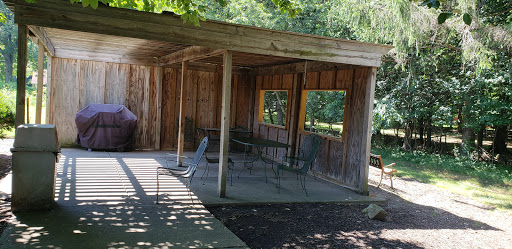
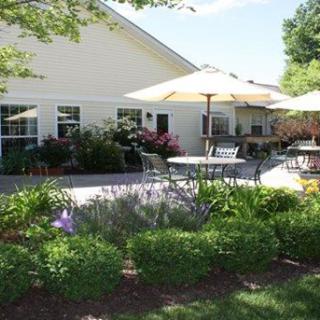
 Garden
 Housekeeping services
 Kitchenette
 Move-in coordination
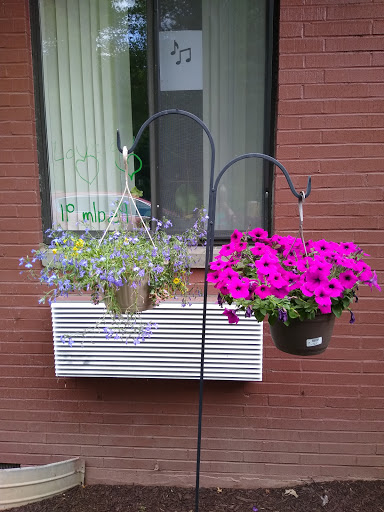
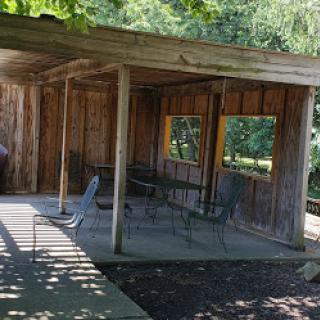
 Outdoor space
 Private bathrooms
 Restaurant-style dining
 Small library
 Telephone
 Wellness center
 Wi-Fi/high-speed internet available
 Cleveland-Hopkins International (4 miles away)
 Community operated transportation
 12-16 hour nursing
 24-hour call system
 Activities of daily living assistance
 Assistance with bathing
 Assistance with dressing
 Assistance with transfers
 Diabetes diet
 Medication management
 Mental wellness program
 Special dietary restrictions
 Concierge services
 Planned day trips





 Home Health Care Demystified: A Comprehensive Guide for Families and Caregivers
 Seniors and Modern Transportation: Exploring Uber, Lyft, and Other Ride-Hailing Options
 Comprehensive Guide to Qualifying for Home Health Care Services