
747 South Mt Vernon Avenue, Loudonville, OH 44842
For more information about senior living options: (866) 208-4318
Overall Review of Colonial Manor Health Care Center
Pros
 The staff took great care of her grandmother.
- She loved the staff.
- The staff always treated her with respect.
- The hospital provided pain and anxiety medication, and she started feeling better almost immediately.
Cons
 The doctor wouldn’t be in until the next morning.
- The doctor never called back after they left a message.
- The longer the wife was off her medicine, the harder she breathed.
- They could only leave a message, and no one returned the call.
- A staff member claimed the medications weren’t theirs anymore because they left without being discharged, even though insurance paid.
- The reviewer wouldn’t recommend this place to anyone.
Review
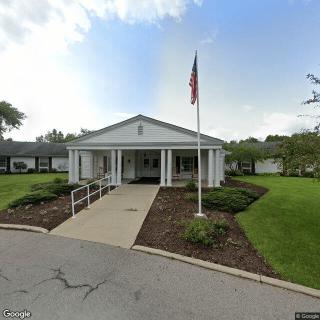
Colonial Manor Health Care Center in Loudonville is best suited for seniors who prize a warm, person-centered care culture delivered by long-tenured staff in a safe, small-town setting. Families seeking a homey atmosphere where residents are spoken to with respect and where staff appear genuinely invested in daily well-being will find a compelling fit here. The facility sits in a quaint, peaceful neighborhood and benefits from being in the heart of Ohio, a combination that supports a predictable routine and a sense of community. The fact that a daughter once worked there adds a quiet confidence about staff familiarity and continuity of care, which can be meaningful for relatives who want rapport and reliability.
Those considering alternatives should note that Colonial Manor may not be the best match for loved ones who require aggressive, proactive medical oversight or highly responsive medication management. In at least one account, the care team did not promptly address a medical need when a patient needed timely pain and anxiety medication and oxygen, and communication with a physician was slow. For families whose loved ones depend on rapid medical follow-through, urgent medication adjustments, or dependable doctor access on evenings and weekends, other facilities with stronger on-call protocols and tighter discharge coordination may reduce the risk of medical gaps.
The strongest positives here revolve around the human dimension of care. Residents reportedly receive attentive, respectful treatment from staff who build trust with both patients and families, and the care team’s warmth translates into tangible emotional comfort for residents. This translates into a daily experience that feels safe and dignified, with residents treated as individuals rather than numbers. The setting reinforces this impression: a calm, safe town environment and a facility that feels approachable, uncomplicated, and easy to integrate into a family’s routine. Such factors can make a meaningful difference for seniors who value stability and personal connection.
However, the more troubling downsides center on medical responsiveness and procedural reliability. Delays in physician involvement and the readiness of prescribed medications to be administered expose residents to unnecessary risk, especially when oxygen or pain management is involved. In practice, this means that a resident’s medical trajectory can hinge on the speed of communication with external physicians and the efficiency of in-house care coordination. For families with loved ones who have evolving clinical needs, these gaps can erode confidence and necessitate contingency plans, including hospital transfer when rapid intervention is required.
A separate but related concern concerns personal belongings and the handling of laundry and items during transitions. Reports of missing clothes and a SONIC-type frustration following a laundry mishap, plus the anecdote about a SIM card being removed, suggest that personal-item security and accountability may not be as tight as intended. While these incidents may stem from isolated lapses, they underscore the importance of explicit routines for item intake, secure storage, and clear, timely communication about misplaced belongings. Prospective residents should insist on transparent policies for lost items, item tracking, and a documented response process when concerns arise.
Overall, Colonial Manor Health Care Center represents a solid option for families prioritizing warmth, personal engagement, and a serene setting over high-intensity medical oversight. It earns credibility from evident staff dedication and a palpable respect for residents, with the best-case picture featuring steady, compassionate care and familiar faces. Yet the facility’s strengths must be weighed against medical response gaps and the possibility of personal-item lapses. For families weighing options, the prudent approach is to visit with an eye toward med-management procedures, physician on-call coverage, discharge planning clarity, and strict item-handling policies. In short, it is a viable home for those who value character and comfort, but not the first pick for those demanding rapid, flawless clinical responsiveness and ironclad security of possessions.
 72 resident community capacity
 Skilled Nursing Facility
 Air-conditioning
 Beauty salon
 Cable or satellite TV
 Computer center
 Dining room
 Fitness room
 Fully furnished
 Gaming room
 Garden
 Housekeeping services
 Kitchenette
 Move-in coordination
 Outdoor space
 Private bathrooms
 Restaurant-style dining
 Small library
 Telephone
 Wellness center
 Wi-Fi/high-speed internet available
 Community operated transportation
 12-16 hour nursing
 24-hour call system
 Activities of daily living assistance
 Assistance with bathing
 Assistance with dressing
 Assistance with transfers
 Diabetes diet
 Medication management
 Mental wellness program
 Special dietary restrictions
 Concierge services
 Planned day trips





 Managing Nursing Home Expenses After Medicare Coverage Ends
 Is a Geriatric Care Manager the Right Choice for Your Family?
 Compassionate Conversations: How to Comfort Someone Who Is Grieving