
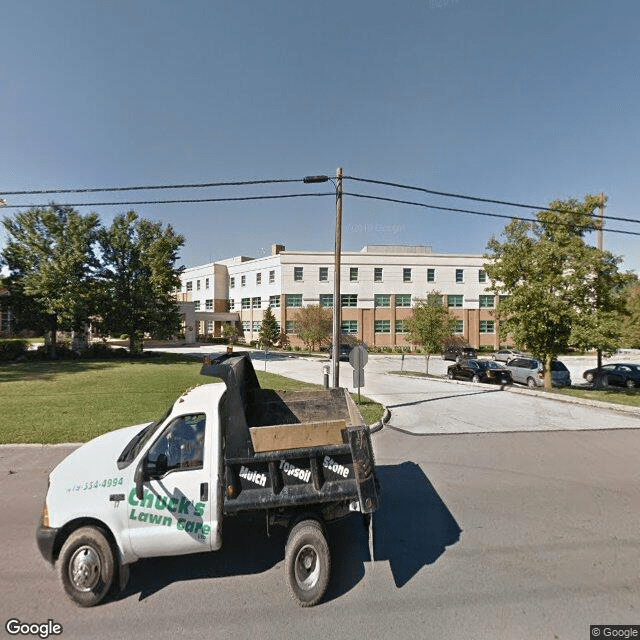
401 N Broadway St, Green Springs, OH 44836
To contact a resident: (419) 639-2626
For more information about senior living options: (866) 208-4318
Saint Francis Health Care Ctr Costs & Pricing
Saint Francis Health Care Center offers competitive pricing for its accommodations, with monthly costs reflecting the broader market trends in Seneca County and Ohio. For a one-bedroom unit, residents can expect to pay $3,825, which aligns closely with the county's average of $3,814 and is slightly above the state average of $3,712. In contrast, the two-bedroom option is priced at $4,475, matching Seneca County's rate but significantly above Ohio's state average of $3,501. This positioning indicates that while Saint Francis Health Care Center provides quality living options potentially justifying the slight premium for larger spaces, it remains aligned with local price points for single-room accommodations.
| Floor plans | Saint Francis Health Care Ctr | Seneca County | Ohio |
|---|---|---|---|
| 1 Bedroom | $3,825 | $3,814 | $3,712 |
| 2 Bedrooms | $4,475 | $4,475 | $3,501 |
Overall Review of Saint Francis Health Care Ctr
Cons
 The reviewer describes Elmwood West Campus as not very attentive to patients.
- They note that patients have to wait long periods for a nurse, especially if the reviewer isn’t there daily.
- When a nurse does arrive, staff say they don’t handle that request and must find another nurse.
- The reviewer characterizes the place as horrible and notes that doctor orders are not fulfilled.
- Patients reportedly waited hours for pain medication.
Review
This community is best suited for families that are prepared to act as an ongoing advocate, with a close, daily involvement to ensure basic nursing responsiveness and prompt medication administration. The two contemporary impressions from reviewers point to a pattern where requests for help can be deferred, and when nurses arrive, tasks outside their remit are redirected or delayed. In practical terms, the strongest fit here is for households that can monitor care actively, press for timely attention, and document issues so the staff understands that oversight will not be optional.
Those who should strongly consider alternatives are families seeking consistent, reliable nursing coverage and immediate pain management. The recurring concerns, long waits for assistance, unclear nurse availability, and orders not being fulfilled in a timely fashion, signal a core risk for residents who depend on prompt responses to acute symptoms, medication needs, or routine care requests. For seniors with higher medical complexity, memory or behavior challenges, or a history of requiring rapid escalation to clinicians, this setting presents a mismatch between needs and demonstrated capacity.
In terms of positives, the available commentary offers little in the way of meaningful advantages that could offset the service gaps. A facility tied to a broader health system can, in theory, offer access to physicians and coordinated care, yet the tangible experience described emphasizes staff responsiveness and consistent execution of orders as the decisive factors. When those basic expectations are unmet, any secondary benefits, such as clinician access or campus amenities, cannot meaningfully compensate for delays in pain management, missed nurse calls, or being told a task is outside a aide’s remit.
To determine fit with confidence, prospective families should conduct pointed due diligence. Request specifics on nurse-to-resident ratios and the typical response time for routine requests and medical orders. Probe the process for fulfilling doctor orders and the protocol for pain medications, including who authorizes, how quickly meds are delivered, and how disputes or delays are escalated. Ask to review recent call-light logs, med-pass records, and duty rosters for a representative 24-hour period. Schedule a tour that includes associate leaders, then request a candid explanation for any persistent gaps and a written plan outlining how these gaps will be closed.
If the decision hinges on overall quality of life versus safety and medical reliability, consider alternate options with stronger, traceable performance on care responsiveness. Other facilities with higher staffing stability, clear accountability structures, and transparent escalation procedures should be prioritized. Home-health or private-duty nursing can offer personalized oversight if family members cannot be present full-time, while some communities specializing in higher-acuity care may deliver more dependable pain management and timely nurse assistance. The objective is clear: minimize the risk of delayed care and ensure a dependable, physician-supported environment.
In sum, Saint Francis Health Care Center in Green Springs reflects a troubling gap between expectations for responsive, hands-on care and what family members experience in daily practice. The most prudent conclusion is a cautious, action-oriented stance: this community may be workable only for those prepared to supervise extensively and demand concrete, measurable improvements. For most seniors and their families, however, exploring facilities with proven responsiveness and consistent orders fulfillment is the safer, more prudent path. When choosing, require explicit commitments on response times, daily nurse availability, and a documented protocol for pain management and medical orders to avoid repeating the same challenging patterns.
 Skilled Nursing Facility
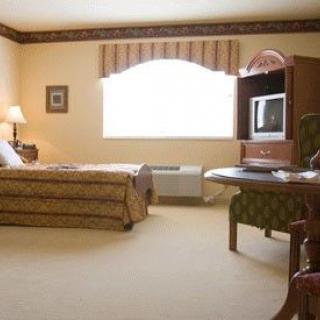
 Extensive amenities and comprehensive care services (dining, wellness, transportation)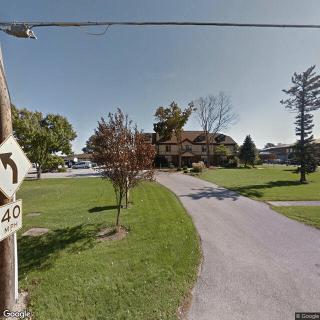


 Compassionate Conversations: How to Comfort Someone Who Is Grieving
 Home Health Care Aides: Understanding Their Role and Supporting Your Family
 Urinary Tract Infections in Older Adults: Comprehensive Insights on Symptoms, Treatment, and Prevention