For more information about senior living options: (866) 208-4318
3 from 42 reviews
5 stars
18
4 stars
2
3 stars
2
2 stars
2
1 stars
18
Overall Review of Windsor Lane Healthcare Center
differentiator5 reviews mention this
Bariatric rehab and weight goals
Residents describe the program as oriented toward bariatric needs and structured weight goals.
Several reviews mention bariatric-focused care, including residents being able to participate in the facility’s goals and programs. One reviewer says they were in bariatric rehabilitation and planned surgery while there, and another says the therapy team and program helped with weight loss efforts. Others point to large bariatric-focused equipment, while still criticizing parts of the food or support.
common5 reviews mention this
Therapy is a standout area
Physical therapy receives consistently strong feedback from residents and families.
Multiple reviews single out the therapy department as encouraging and among the best they’ve seen. Some describe a positive therapy culture and education, while another highlights a separate weight-lifting and restorative area. A separate review also notes issues with therapy equipment and support, but still frames therapy as central to the experience.
caveat4 reviews mention this
Diet for diabetics is contested
Residents express concerns about whether diabetic and healthy-diet needs are consistently supported.
While some reviewers say the food includes good choices, others describe major gaps in diet handling. Several criticize the lack of a dietician and say diabetics were not given appropriate menu adjustments, while another calls for controlled-calorie, healthier options. Others broaden the concern to overall meal quality and what residents are allowed to eat, framing it as not matching the goals of a rehab setting.
caveat5 reviews mention this
Understaffing affects daily care
A recurring concern is understaffing that limits hands-on help.
Some reviews describe staffing problems that affect basic routines like toileting and bathing, including claims of residents spending more time in beds. Families also describe difficulty getting the attention their loved one needed, including one account of delayed hygiene early in the stay. Beyond staffing, there are also comments about safety and reliability in urgent situations, adding to concerns about responsiveness when help is needed.
common12 reviews mention this
Staff are caring, but mixed
Many reviewers say nurses, aides, and other staff provide caring, personable support.
Across reviews, many people describe nurses and aides as attentive, knowledgeable, and comforting, with support that feels personal. Several also mention friendly interactions with residents and good bedside manner, including help with questions and requests. Other reviews are much harsher on care quality and staffing levels, which makes the overall staff experience feel inconsistent depending on what residents encountered.
How we summarize
Counts show how many written reviews mention each theme; a review can touch several themes, and only frequently mentioned themes are displayed.
Features
Housing
99 resident community capacity
Types of Care
Skilled Nursing Facility
Amenities
Air-conditioning
Beauty salon
Cable or satellite TV
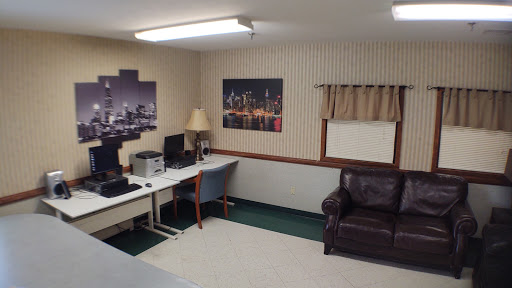
Computer center
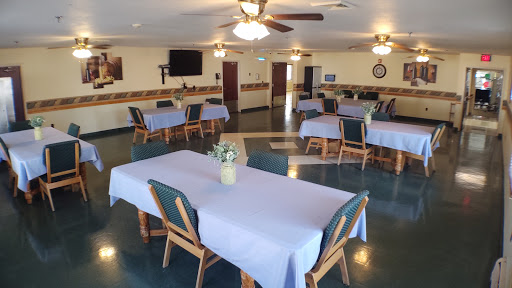
Dining room
Fitness room
Fully furnished
Gaming room
Garden
Housekeeping services
Kitchenette
Move-in coordination
Outdoor space
Private bathrooms
Restaurant-style dining
Small library
Telephone
Wellness center
Wi-Fi/high-speed internet available
Transportation
Community operated transportation
Transportation arrangement
Transportation arrangement (non-medical)
Transportation to doctors appointments
Care Services
12-16 hour nursing
24-hour call system
24-hour supervision
Activities of daily living assistance
Assistance with bathing
Assistance with dressing
Assistance with transfers
Diabetes diet
Meal preparation and service
Medication management
Mental wellness program
Special dietary restrictions
Dining
Diabetes diet
Special dietary restrictions
Activities
Community-sponsored activities
Concierge services
Fitness programs
Planned day trips
Resident-run activities
Scheduled daily activities
Nearby Places of Interest
Pharmacies
CVS Pharmacy (0.4 miles)
Gibsonburg Pharmacy (0.4 miles)
Pills 'N' Packages (5.4 miles)
Pills N' Packages (6.6 miles)
Pemberville Drug Store (7.7 miles)
Rite Aid (9.4 miles)
Walgreens (9.5 miles)
Restaurants
Chateau Tebeau (4.3 miles)
Ole Zim's Wagon Shed (5 miles)
Subway (5.3 miles)
McDonald's (5.9 miles)
Hardee's / Red Burrito (8 miles)
Casa Fiesta (9.1 miles)
Taco Bell (9.1 miles)
Physicians
Woodville Family Practice Center (6 miles)
Elmore Medical Associates (6.2 miles)
Kurt D Harrison DO (8.9 miles)
Clara Marie Schermerhorn (9 miles)
Northeast Orthopedic Surgery (9 miles)
North Coast Orthopedic Surgery (9 miles)
ProMedica Home Medical Equipment-Fremont (9.1 miles)
Places of Worship
Trinity Lutheran Preschool (6.4 miles)
Grace Evangelical Lutheran Church (7.4 miles)
Mount Pleasant Baptist Church (10 miles)
St John's YOUTH (10.2 miles)
Fremont Service (10.2 miles)
Diocese Of Toledo (10.3 miles)
Grace Lutheran Church (10.5 miles)
Transportation
U-Haul Neighborhood Dealer (9 miles)
Get You There Taxi (9.1 miles)
Norfolk Southern (15.8 miles)
Hospitals
Pro Medica Memorial Hospital (9.9 miles)
Memorial Hospital (9.9 miles)
ProMedica Memorial Hospital - Laboratory (9.9 miles)
Health Department (12 miles)
Elmwood Healthcare Center At The Springs (16 miles)
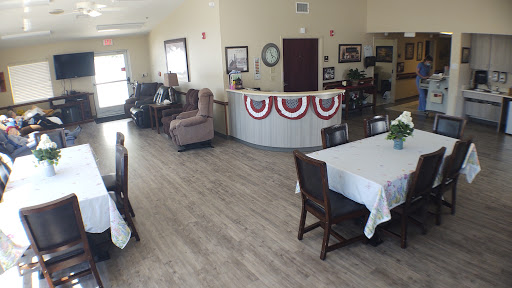
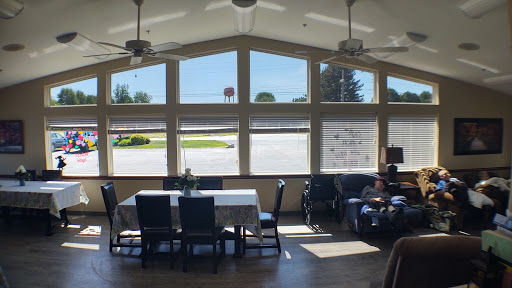
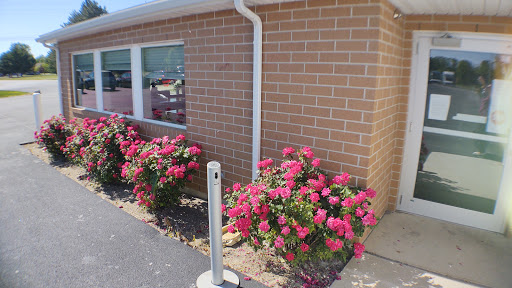
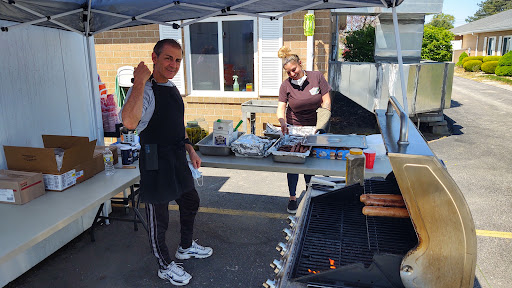
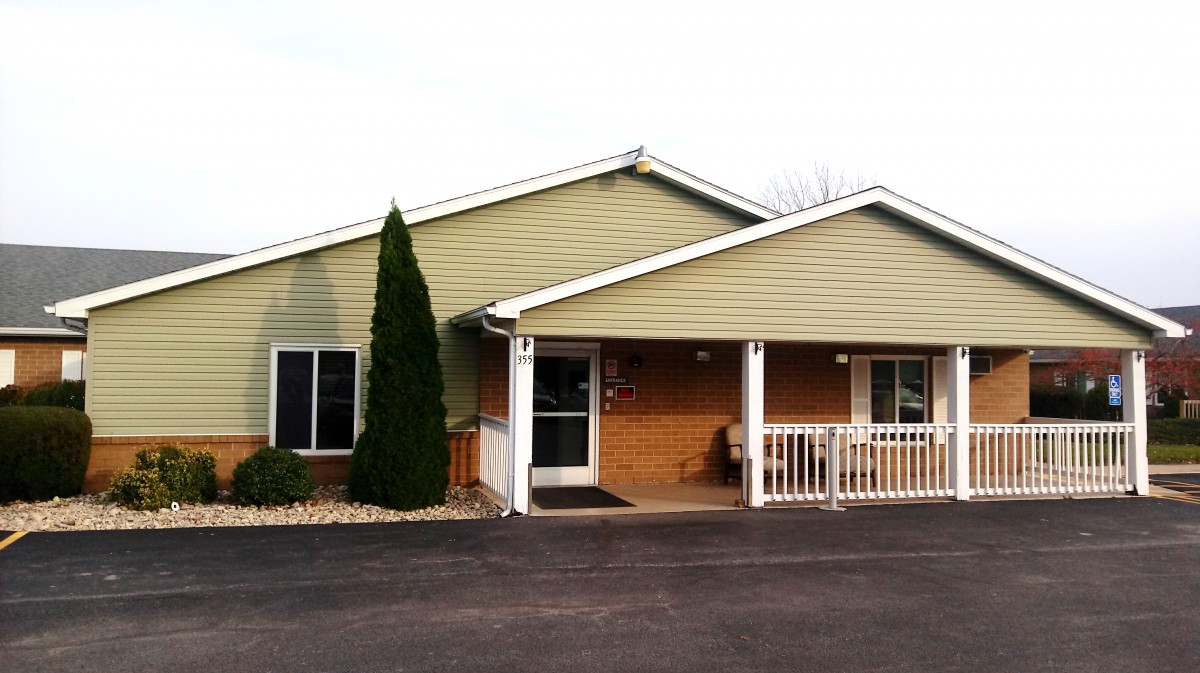
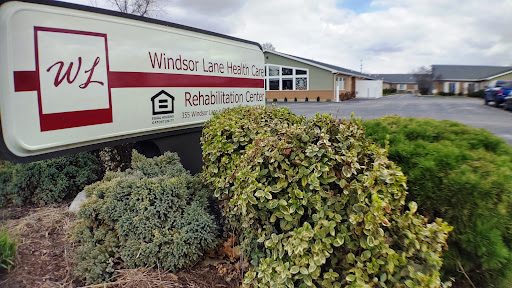
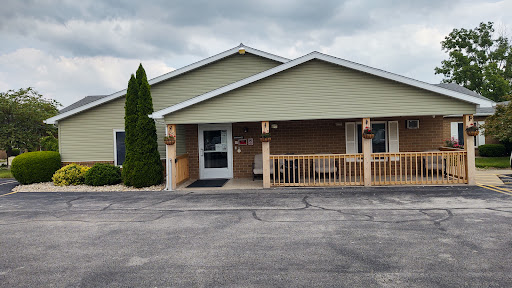
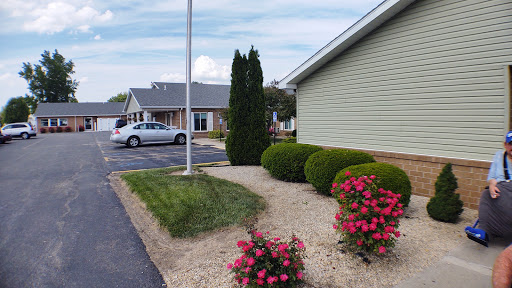
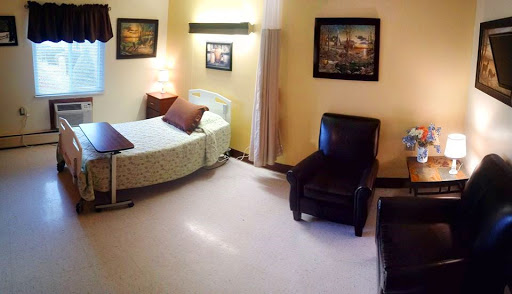
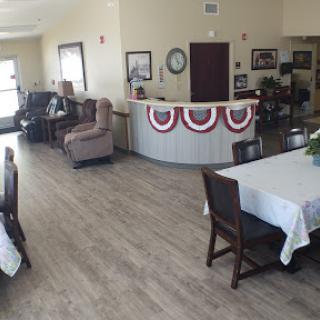
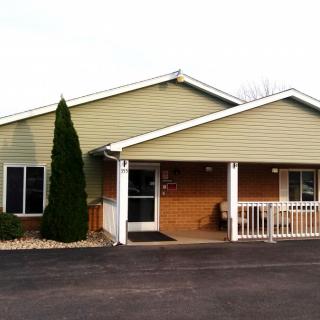
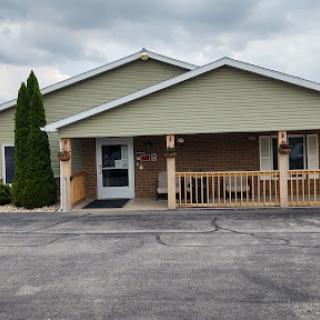
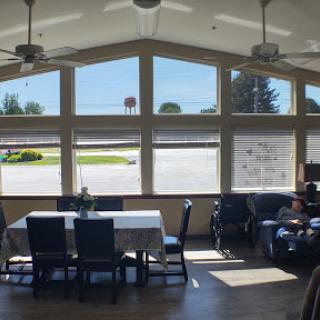
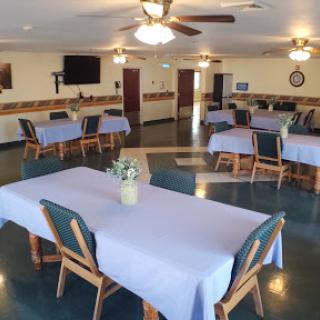
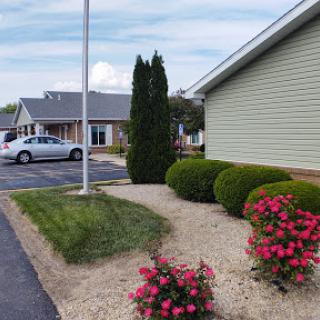
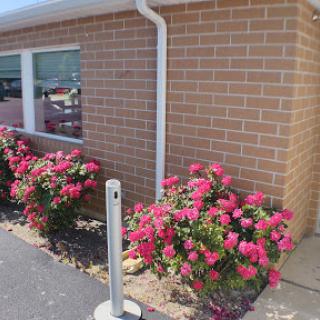
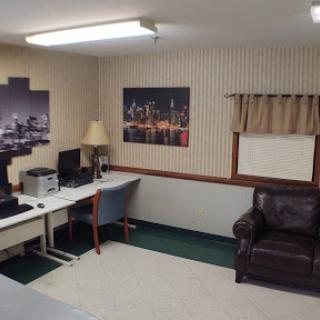
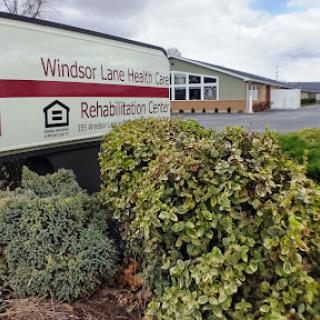
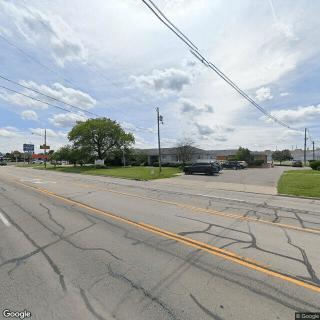
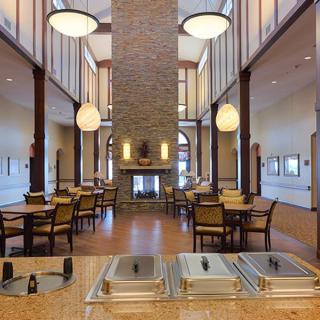
Windsor Lane Healthcare Center on seniors.fyi includes 11 photos including images showing building, interior, landscaping, lighting, decor, dining, architecture, parking, and more.
Nearby Communities
Luther Meadow Retire Apartment
Gibsonburg, OH
3.7 from 21 reviews
Personalized care and social engagement
Elmore Retirement Village
Elmore, OH
4 from 1 review
Nearby pharmacies, physicians, restaurants, and places of worship with supportive in-community services.
Otterbein Pemberville SeniorLife Community
Pemberville, OH
4.4 from 151 reviews
$2,000 to $3,200 / month
Friendly, caring staff in a clean, welcoming campus with on-site care transitions.
Bethesda Care Center
Fremont, OH
4.7 from 126 reviews
Caring staff with effective therapy in a clean, activity-rich environment.
Parkview Care Ctr
Fremont, OH
3.8 from 39 reviews
Kind, attentive staff in a convenient Fremont location.
Genoa Retirement Village
Genoa, OH
4.8 from 107 reviews
$1,680 to $2,550 / month
Caring staff, clean facilities, and active resident life.
Parkcliffe Community at Northwood
Northwood, OH
4.5 from 35 reviews
$4,150 / month
Attentive, caring staff and a home-like environment with engaging activities.
St. Clare Commons
Perrysburg, OH
3.7 from 105 reviews
$3,300 to $4,200 / month
Beautiful, resort-like campus with extensive amenities and attentive staff.
Orchard Villa
Oregon, OH
3.3 from 117 reviews
Clean, well-maintained facility with attentive recreation staff.
Palliative care focuses on alleviating distress at any stage of a serious illness and can accompany curative treatments, while hospice care is for those nearing the end of life with a prognosis of six months or less, emphasizing comfort over curative measures. Both prioritize holistic care for patients and families but differ in timing, goals, and scope.
Fecal incontinence, prevalent among older adults, arises from factors like weakened pelvic muscles and nerve damage, significantly affecting well-being and social interactions. Diagnosis involves clinical evaluation and tests to inform tailored treatments, while caregivers and preventive measures can aid in managing the condition effectively.
Gardening provides seniors with physical exercise, mental and emotional support, and social interaction opportunities, while accommodating their needs through raised beds and ergonomic tools. It promotes health benefits like improved dexterity and cardiovascular health, encourages sustainable practices, and allows for manageable upkeep with low-maintenance plants.
Get PricingAsk A QuestionSchedule A TourContact Senior Advisor
By clicking submit, you agree to our Partner's Terms of Use. You
also consent to receive calls and texts, which may be autodialed, from our Partner. Your consent is not a condition to
using our Partner's service. Please visit our Partner's Privacy Policy for information about their privacy practices.

 99 resident community capacity
 Skilled Nursing Facility
 Air-conditioning
 Beauty salon
 Cable or satellite TV
 Computer center
 Dining room
 Fitness room
 Fully furnished
 Gaming room
 Garden
 Housekeeping services
 Kitchenette
 Move-in coordination
 Outdoor space
 Private bathrooms
 Restaurant-style dining
 Small library
 Telephone
 Wellness center
 Wi-Fi/high-speed internet available
 Community operated transportation
 12-16 hour nursing
 24-hour call system
 Activities of daily living assistance
 Assistance with bathing
 Assistance with dressing
 Assistance with transfers
 Diabetes diet
 Medication management
 Mental wellness program
 Special dietary restrictions
 Concierge services
 Planned day trips
 Personalized care and social engagement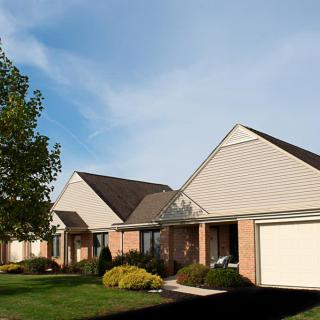




 Understanding the Nuances of Palliative Care and Hospice: A Comprehensive Exploration
 Fecal Incontinence in Older Adults: A Comprehensive Guide
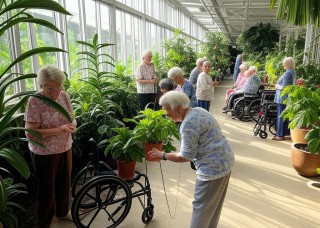 Nurturing Well-Being Through Gardening: A Detailed Guide for Senior Enthusiasts