



5757 Ponderosa Drive, Columbus, OH 43231
For more information about senior living options: (866) 208-4318
Overall Review of Friendship Village Health Center
Pros
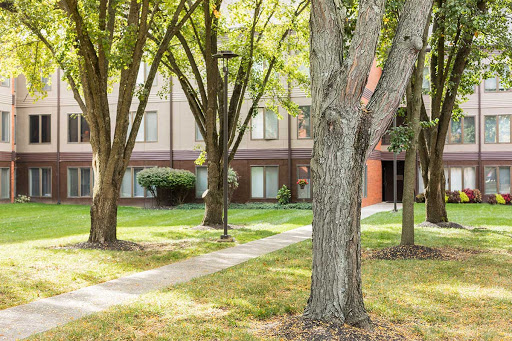
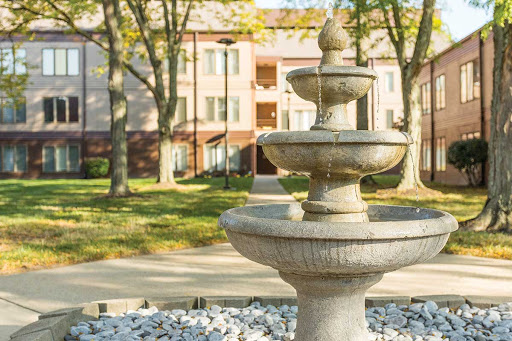
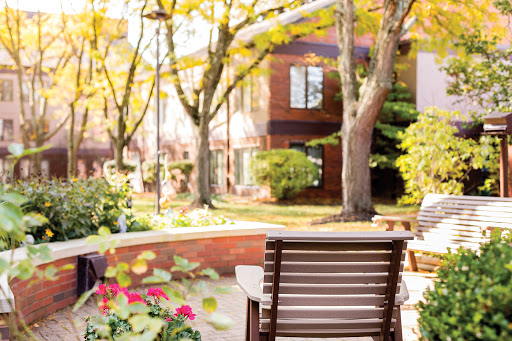
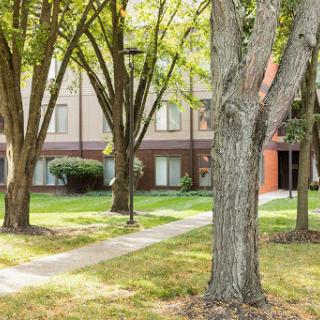
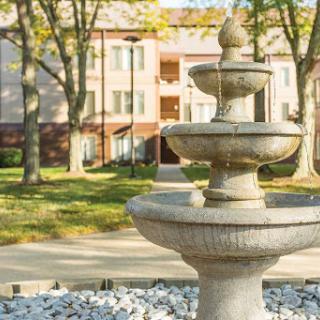
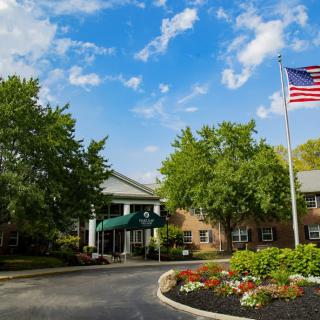
 The facility was beautiful for assisted and independent living.
- The staff were nice and took good care of her.
- The rehabilitation area was very nice for PT and OT.
- The food was very good and delicious.
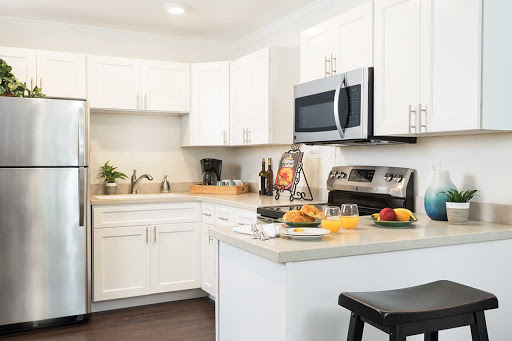
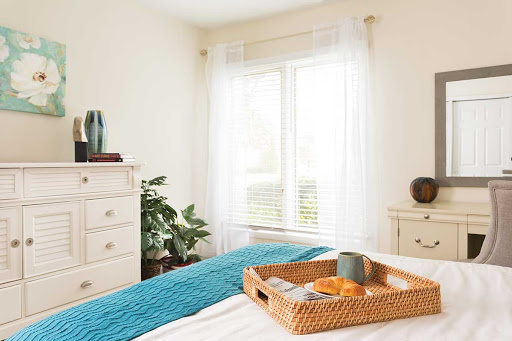
- She had a nice, big private room with plenty of space and a bathroom.
Cons
 They disliked that the skilled nursing area mixed memory care, long-term, and short-term residents in the same area.
- The private room, though spacious, was a little dated.
Review
Friendship Village Health Center in Columbus is best suited for families that want a campus feel with strong on-site rehabilitation, appealing dining, and comfortable, private accommodations as a core part of the plan. The community presents as a well-maintained environment that supports both assisted living and independent living with an emphasis on recovery services. It works especially well for residents entering a short-term rehab stint after a hospital stay or those who anticipate transitioning into assisted living with ongoing access to PT and OT, all within a cohesive, aesthetically pleasing setting. In short, the facility shines when recovery, mobility, and daily living comfort are the primary objectives.
Those who should consider alternatives are families seeking a more clearly defined memory-care focus or a skilled-nursing arrangement with strictly separated wings. The pivotal concern here is how skilled nursing is organized: memory care, long-term care, and short-term care are all mixed within the same area. For families that insist on dedicated memory-care spaces, evenly specialized staffing, or a more stringent separation by care type, other communities may offer a more reassuring structure. Additionally, the on-site rooms, while ample and private, lean toward a dated feel rather than a modern, rehab-focused SNF environment, which can matter for residents who prize the latest in comfort and accessibility design.
The strongest positives begin with the facility’s beauty and the quality of the rehab program. The rehabilitation area earns high marks for PT and OT, with a setup that supports meaningful, hands-on recovery rather than a perfunctory post-acute experience. The staff are described as nice and attentive, a practical advantage when motivation and daily coordination are crucial for progress. Food quality stands out as a real asset, contributing to better nourishment and morale during recovery and long-term living. The combination of a spacious, private room and an on-site rehab ecosystem creates a practical, outcomes-focused value for families prioritizing healing and functional gains.
However, the main caveat centers on the mixed SNF layout. When skilled nursing blends memory care and other long-term or short-term cohorts in the same area, concerns naturally arise about privacy, specialized attention, and the overall environment for residents with memory needs. This arrangement can dilute both the targeted programming for memory care and the sense of safety that many families expect in a dedicated unit. While staff responsiveness and general care quality appear solid, the lack of a clearly separated memory-care area can be a significant factor for families who want a tightly structured setting tailored to memory impairment or for those who value a more cohesive, single-purpose SNF environment.
In practice, the key question for families becomes whether the rehab-first strengths compensate for the absence of a strict memory-care or SNF separation. For residents whose priority is rapid recovery, mobility improvement, and engaging dining and living spaces, Friendship Village offers a compelling package. The facility’s beauty, the quality of rehab services, and the agreeable food create a favorable experience that often translates into smoother transitions back to everyday life. Yet for those with pronounced memory-care requirements or a preference for a more streamlined, purpose-built SNF, the available configuration may not fully meet expectations. Weighing these factors will determine whether the trade-offs are acceptable or the search should continue.
The practical takeaway is clear: Friendship Village Health Center is a strong, well-rounded option for families prioritizing recovery-oriented care, hospitality, and comfort. It delivers meaningful advantages in rehab capability, resident experience, and daily life support that can offset some limitations. If memory-care fidelity and unit-specific specialization are non-negotiable, or if room modernization is a priority, it is prudent to explore peers with a more segregated, contemporary SNF or a dedicated memory-care model. First-hand visits should focus on observing how the mixed SNF area functions in real time, the degree of privacy in private rooms, and how responsive staff are to memory-care needs during activities and routines.
 75 resident community capacity
 Continuing Care Retirement Community (CCRC)
 Skilled Nursing Facility
 Air-conditioning
 Beauty salon
 Cable or satellite TV
 Computer center
 Dining room
 Fitness room
 Fully furnished
 Gaming room
 Garden
 Housekeeping services
 Kitchenette
 Move-in coordination
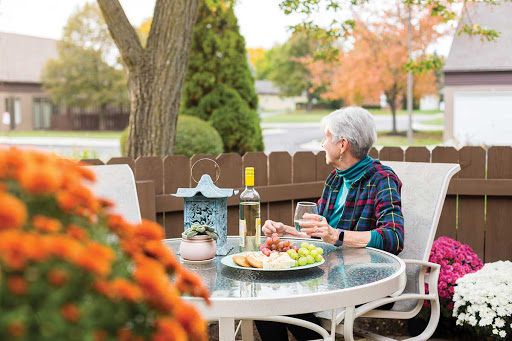
 Outdoor space
 Private bathrooms
 Restaurant-style dining
 Small library
 Telephone
 Wellness center
 Wi-Fi/high-speed internet available
 John Glenn Columbus International Airport (7 miles away)
 Community operated transportation
 12-16 hour nursing
 24-hour call system
 Activities of daily living assistance
 Assistance with bathing
 Assistance with dressing
 Assistance with transfers
 Diabetes diet
 Medication management
 Mental wellness program
 Special dietary restrictions
 Concierge services
 Planned day trips


 Is a Geriatric Care Manager the Right Choice for Your Family?
 Compassionate Conversations: How to Comfort Someone Who Is Grieving
 Home Health Care Aides: Understanding Their Role and Supporting Your Family