

347 Steubenville Rd SE, Carrollton, OH 44615
To contact a resident: (330) 627-2814
For more information about senior living options: (866) 208-4318
Overall Review of Atwood Nursing Ctr
Pros
 The facility is incredible.
 - The staff provided excellent care to residents.
- Staff consistently showed kindness and patience to residents.
- The kitchen accommodated dietary needs with thoughtful meals.
- Therapists communicated regularly with families and made time for meetings.
- The physical therapist reviewed goals and answered questions attentively.
- Aides demonstrated genuine care and dedication to residents.
- Nurses are stellar and thorough.
- The front desk and care team are helpful and friendly.
- The rehabilitation program delivers excellent care and helps residents return home.
Cons
 The place was a joke every week, with the care not being good.
- A nurse took 20 minutes to respond to a resident who was not feeling well.
- The resident’s heart condition was described as being in bad shape.
- Meals delivered to the resident’s room were cold.
- The facility felt like a ghost town with staff rarely present.
- The cousin was not getting the care she was promised.
- The facility is not a place to send loved ones, as one resident was left alone in the bathroom all night and became dehydrated, requiring hospitalization.
- Phone calls to the facility often rang without answer or were hung up on.
Review
Atwood Nursing Center in Carrollton is best suited for families that place a premium on genuine warmth, small-community feel, and caregiver patience. The facility tends to attract residents who respond well to hands-on, compassionate staff, and families who want regular, personal updates from therapy teams and nurses. It can be a solid fit for post-acute rehab or long-term care where the emphasis is on daily attentiveness, individualized meals, and plainly attentive aides who will take the time to comfort and assist. The setting works best when residents can thrive with steady human touch, clear front-desk coordination, and therapy teams that communicate progress frequently.
Those considering alternatives should pay particular attention to two red flags. First, a pattern of staffing variability and moments when assistance feels slow or uneven can be a deterrent for relatives seeking constant supervision or rapid response in every situation. Second, several reviews recount incidents where care gaps, such as delayed attention, dehydration, or residents left unattended, sharply undermine confidence in safety and reliability. For families with residents who need rigorous, always-on monitoring or highly structured medical oversight, a larger or more consistently staffed facility may be a wiser choice.
The strongest positives at Atwood offset a great deal of concern when care needs align with what the home does well. Families repeatedly praise the kindness, patience, and professionalism of nurses and aides, noting that staff members remain calm under pressure and communicate well with loved ones. Therapists, in particular, receive praise for thorough goal setting and accessible collaboration with families, while dining and dietary teams demonstrate flexibility, cooking around puree diets and accommodating preferences. Cleanliness, inviting common areas, and active programming, bingo, live music, art classes, help maintain dignity and engagement, which matters greatly for long-term residents seeking meaning and routine.
Yet the mix of reviews makes clear that not every shift reflects the same level of attentiveness. Several accounts describe slow nurse response times, a sense of staff being stretched thin, or situations where critical care was delayed. One harrowing report recounts a resident left alone in a bathroom and dehydration leading to hospitalization, a narrative powerful enough to temper otherwise strong impressions. Such episodes, even if not universal, threaten safety perceptions and underscore that staffing consistency and timely care are non-negotiables for certain families.
Administrative support often stands out in a positive light. Reports highlight proactive front-desk interaction, help navigating insurance and paperwork, and care-coordinator leadership that pushes for coordination among nurses, therapists, and family members. When the care team aligns, families feel heard and empowered; when gaps appear, questions about care plans, accountable staffing, and escalation processes surface quickly. This variability means families should enter with a plan: request daily or weekly care updates, confirm who will supervise therapy and nursing at key times, and insist on explicit, written care plans with measurable goals.
In the end, decision-makers should weigh personal risk tolerance against the facility’s strengths. Atwood is a credible choice for families who value compassionate, hands-on care, steady therapy engagement, and a welcoming environment that emphasizes resident activity and family communication. For households where the priority is unbroken continuous monitoring, rapid nurse response, and a consistently high staffing ratio, alternatives with stronger staffing guarantees or larger care teams may offer greater peace of mind. A practical approach is to visit at different times, speak directly with nursing leadership about staffing models, and request specific assurances around response times, hydration monitoring, and fall-risk management before committing.
 Skilled Nursing Facility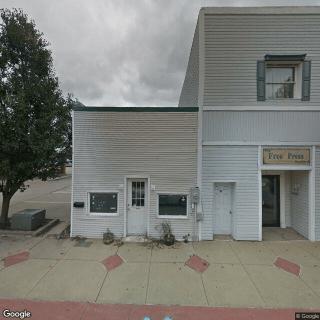





 Navigating the Financial Road to Nursing Home Care: In-Depth Guidance and Resources
 Supportive Employee Benefits That Help Caregivers Attain Better Work-Life Harmony
 Top Cars for Senior Drivers and Essential Safety Innovations