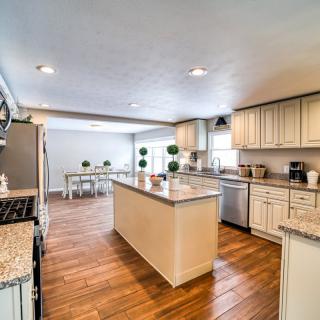
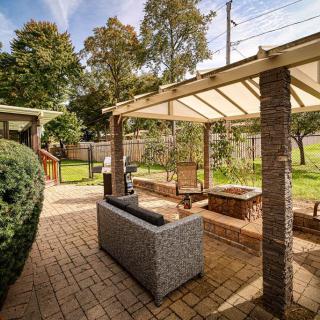
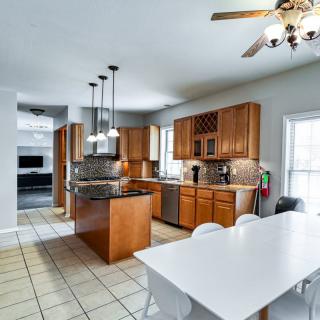
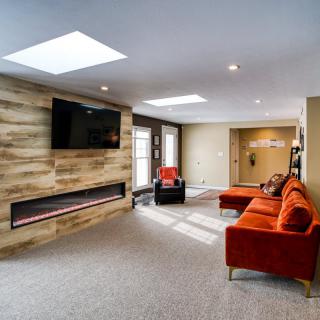
18851 Dellwood Dr, Walton Hills, OH 44146
To contact a resident: (440) 666-2358
For more information about senior living options: (866) 208-4318
Heritage Retirement Communities Walton Hills Costs & Pricing
Heritage Retirement Communities in Walton Hills offers a range of costs reflective of its commitment to quality care and comfort. For semi-private rooms, the monthly fee stands at $4,000, which is slightly above the Cuyahoga County average of $3,582 and the state average of $3,965. Private rooms are available at $4,500, which is marginally higher than both the county average of $4,004 and the state average of $4,771. This pricing structure suggests that Heritage provides an attractive option within the market while ensuring residents receive high standards of service and amenities that merit their investment.
| Floor plans | Heritage Retirement Communities Walton Hills | Cuyahoga County | Ohio |
|---|---|---|---|
| Semi-Private | $4,000 | $3,582 | $3,965 |
| Private | $4,500 | $4,004 | $4,771 |
Skilled Nursing Facilities with a similar price nearby
-
from +$200 / mo
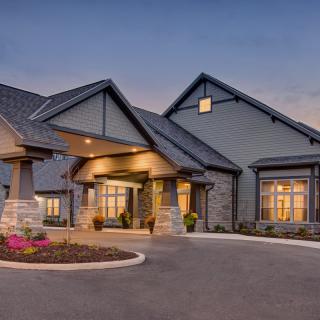
Maplewood At Cuyahoga Falls
$4,200 to $5,500 / month14.2 miles away -
from -$407 / mo
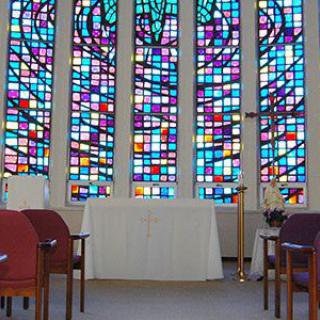
Light of Hearts Villa
$3,593 to $4,343 / month1.5 miles away -
from +$500 / mo
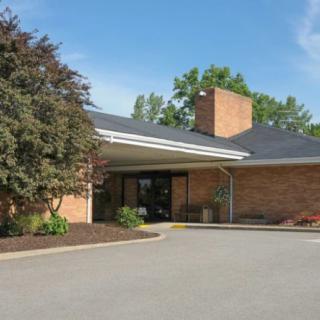
Life Care Center Of Medina
$4,500 to $4,650 / month23.0 miles away -
from -$200 / mo
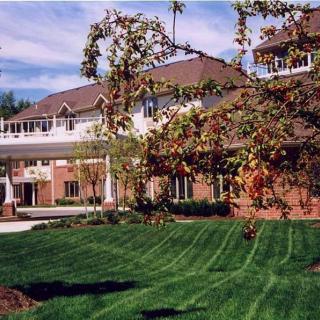
Solon Pointe
$3,800 to $5,000 / month4.1 miles away -
About the same
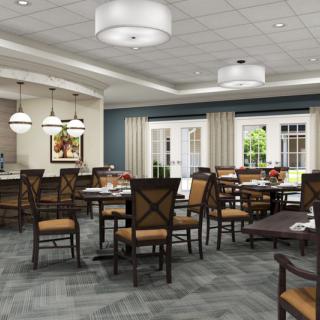
Vitalia Strongsville
$3,935 to $6,065 / month17.3 miles away
Overall Review of Heritage Retirement Communities Walton Hills
Pros
 Heritage Retirement Communities is praised for its willingness to accept residents and provide needed care.
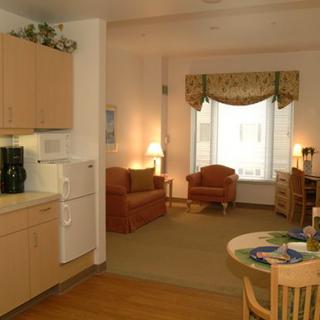
- The room sizes are described as wonderful.
- The food served is highly praised, with one resident being ecstatic about it.
- The staff are noted as very accommodating.
- The reviewer would recommend the facility to others.
Cons
 Limited medical feedback.
- Difficulty contacting the physician.
- No meetings with the physician.
- Lack of regular doctor check-ins leaves families less informed about the resident's medical status.
Review
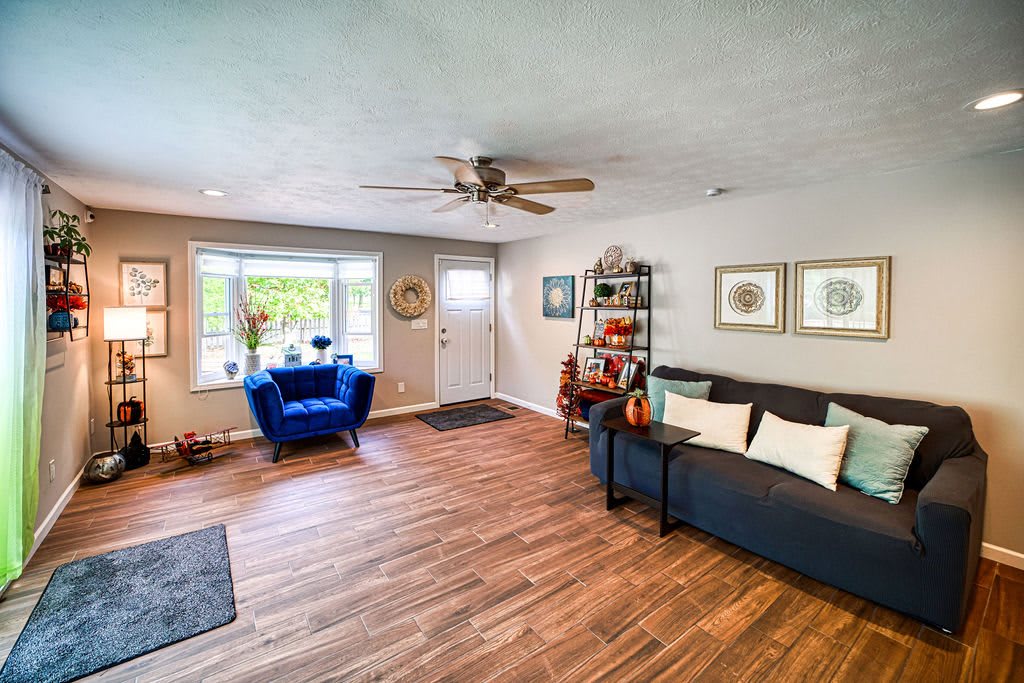
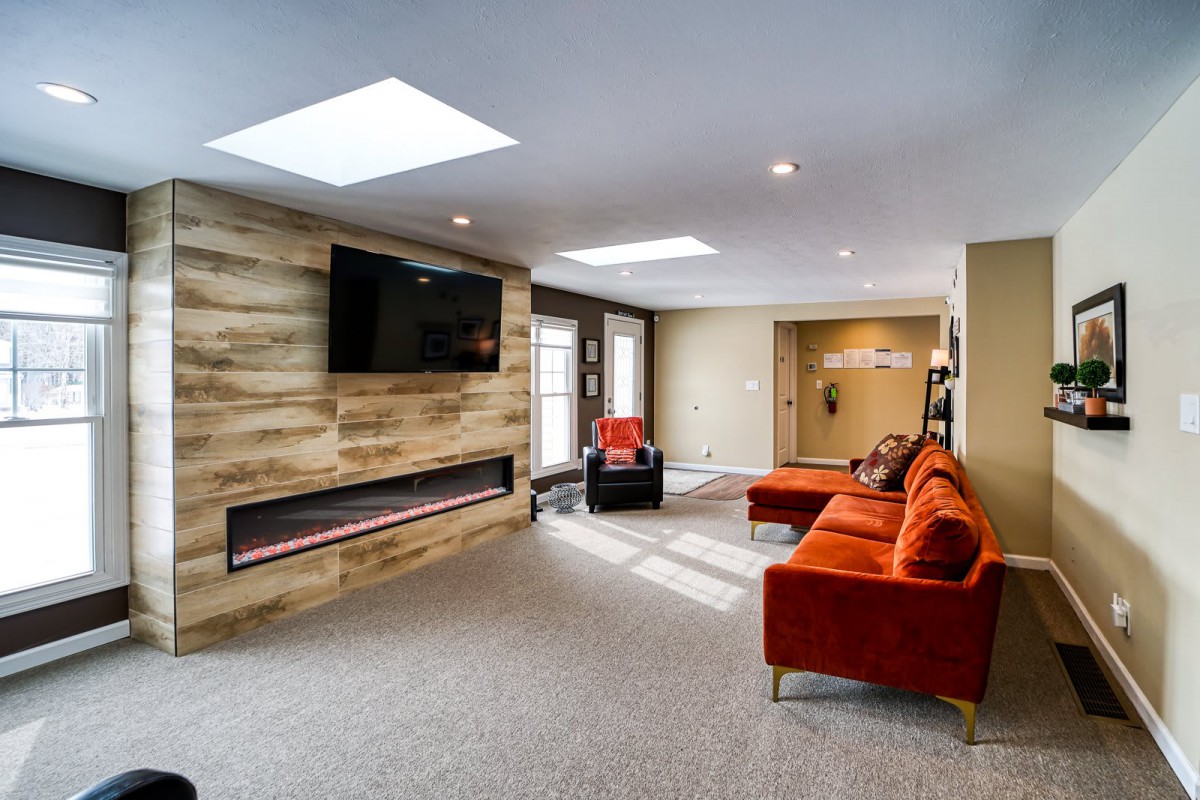
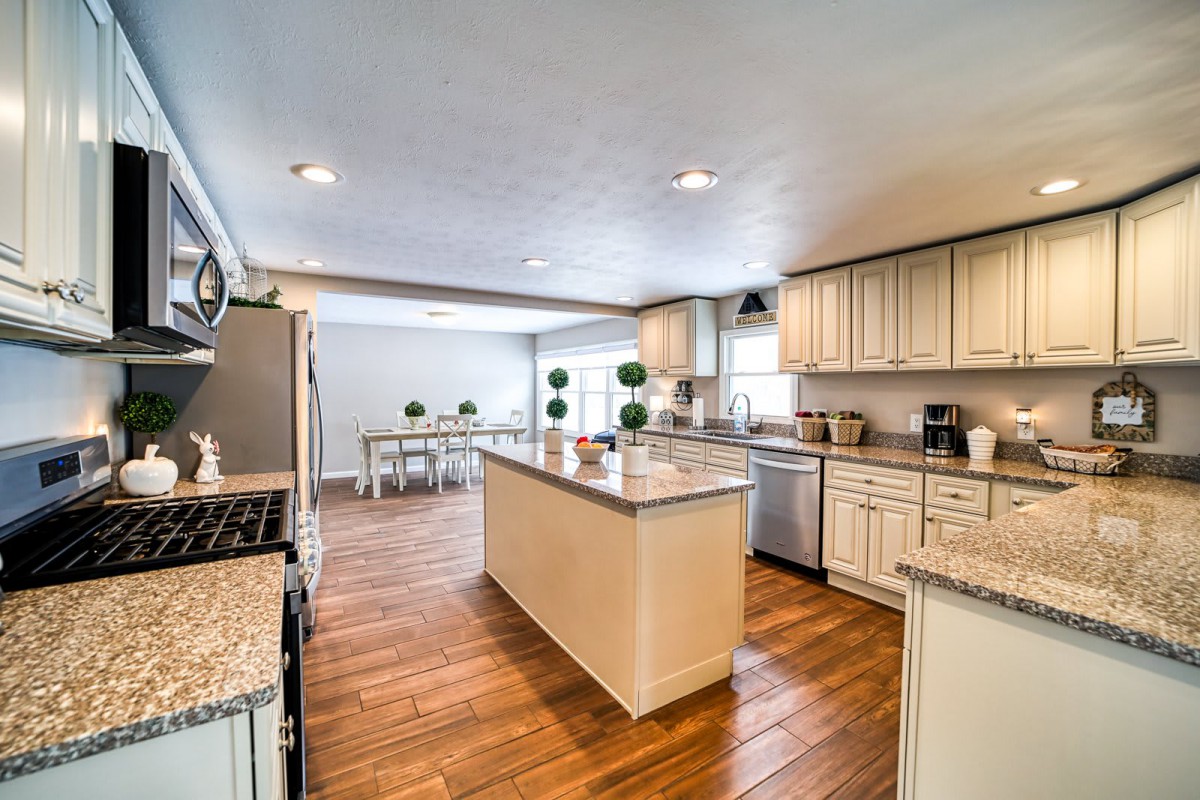
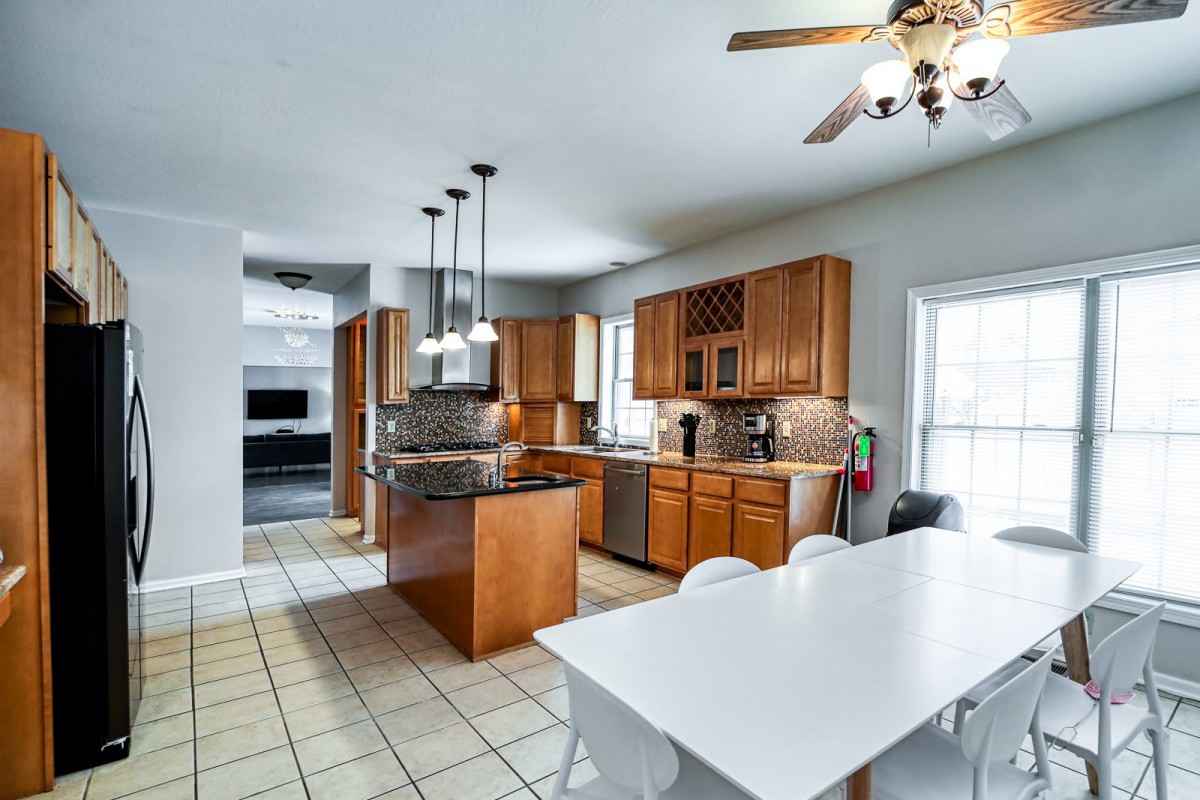
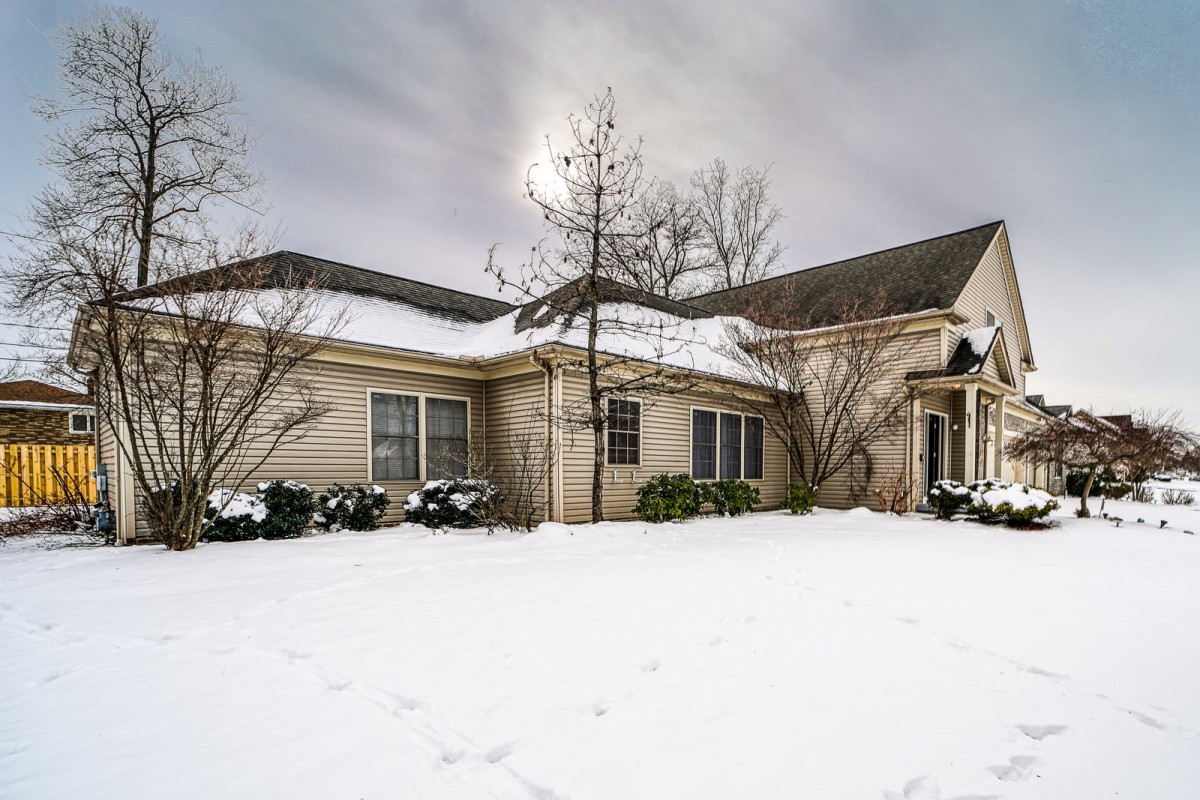
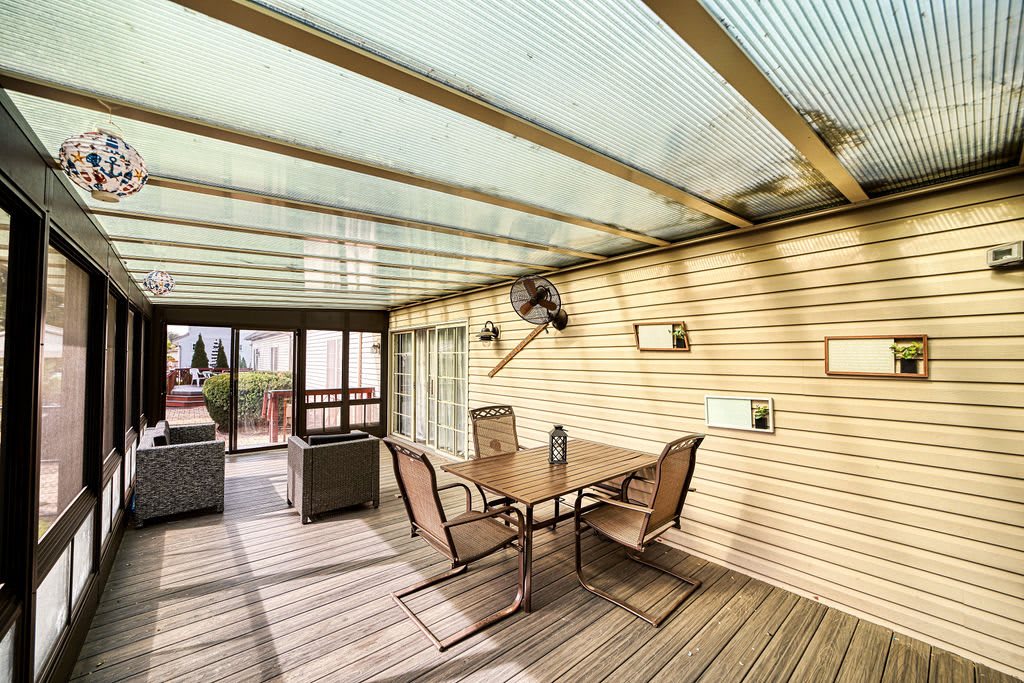
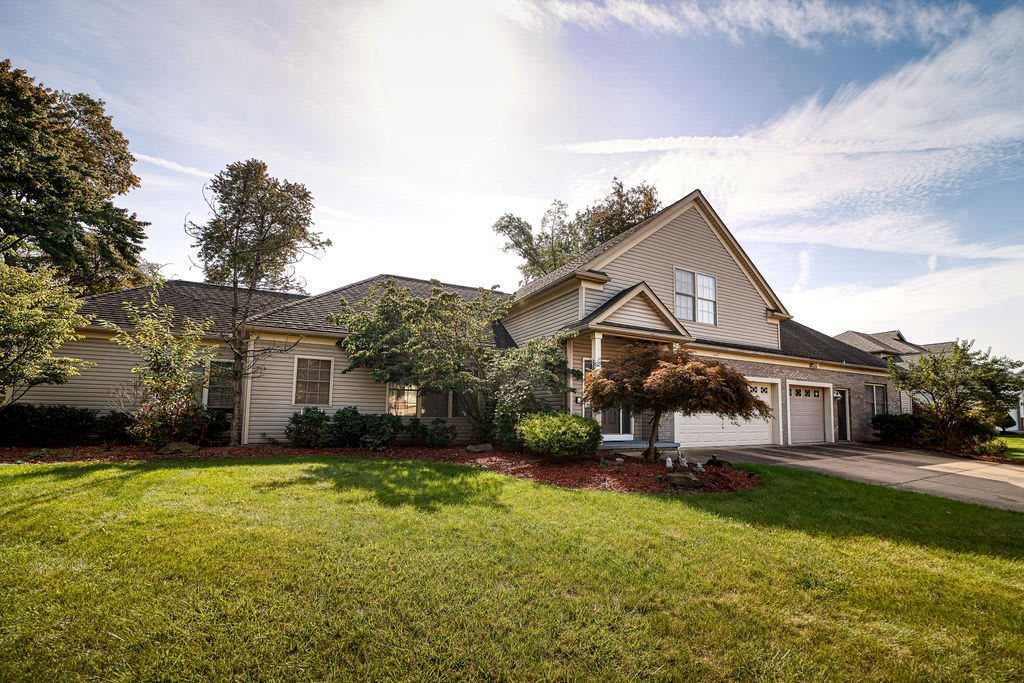
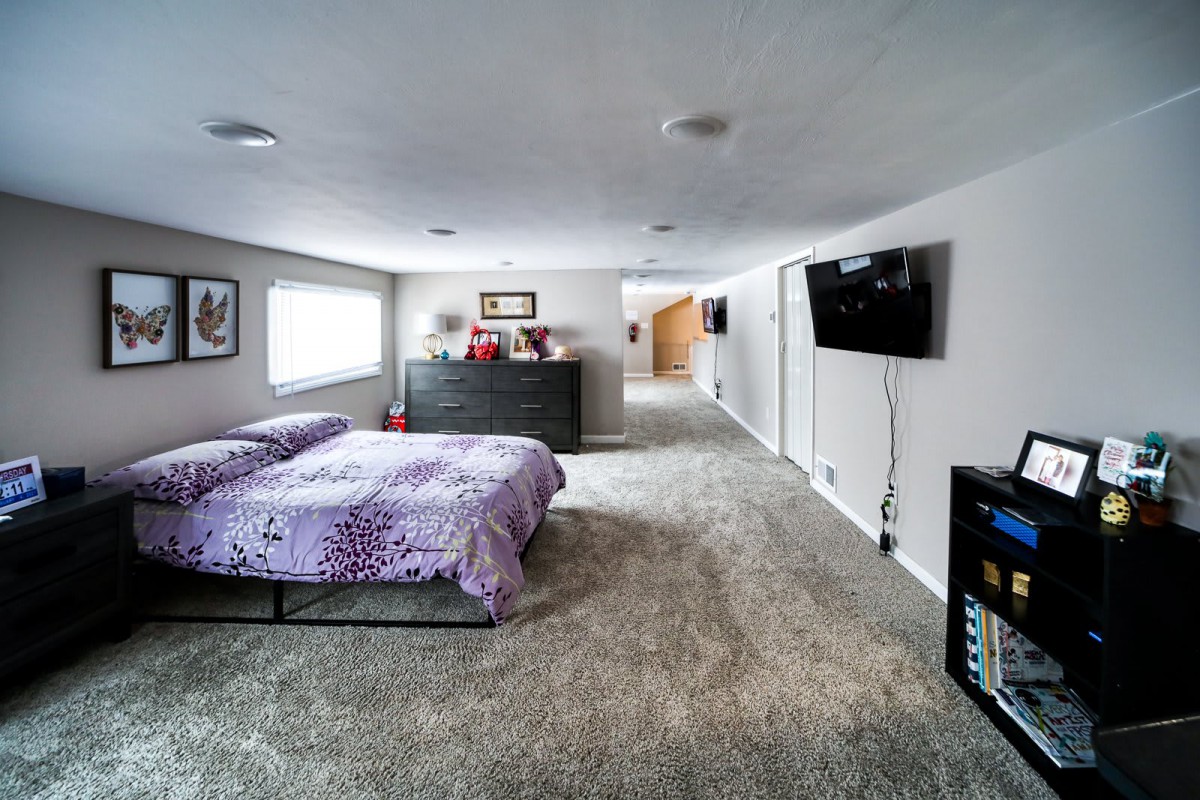
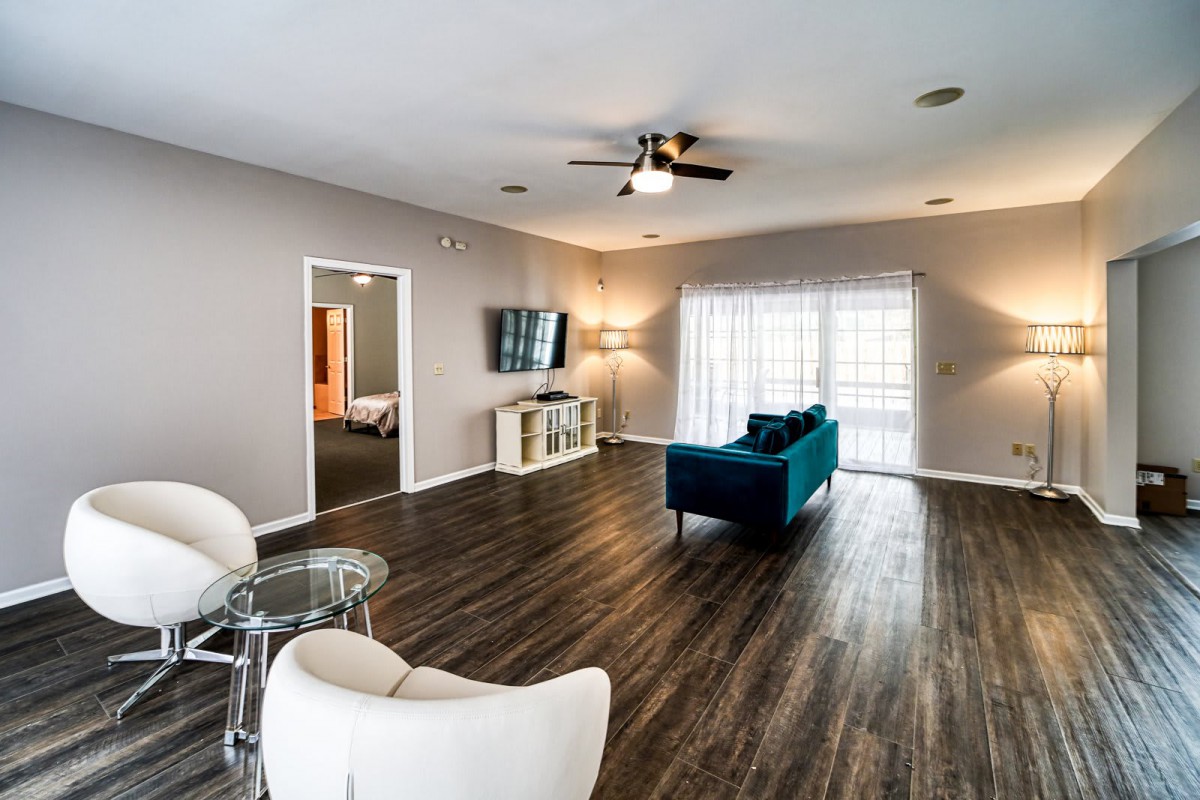
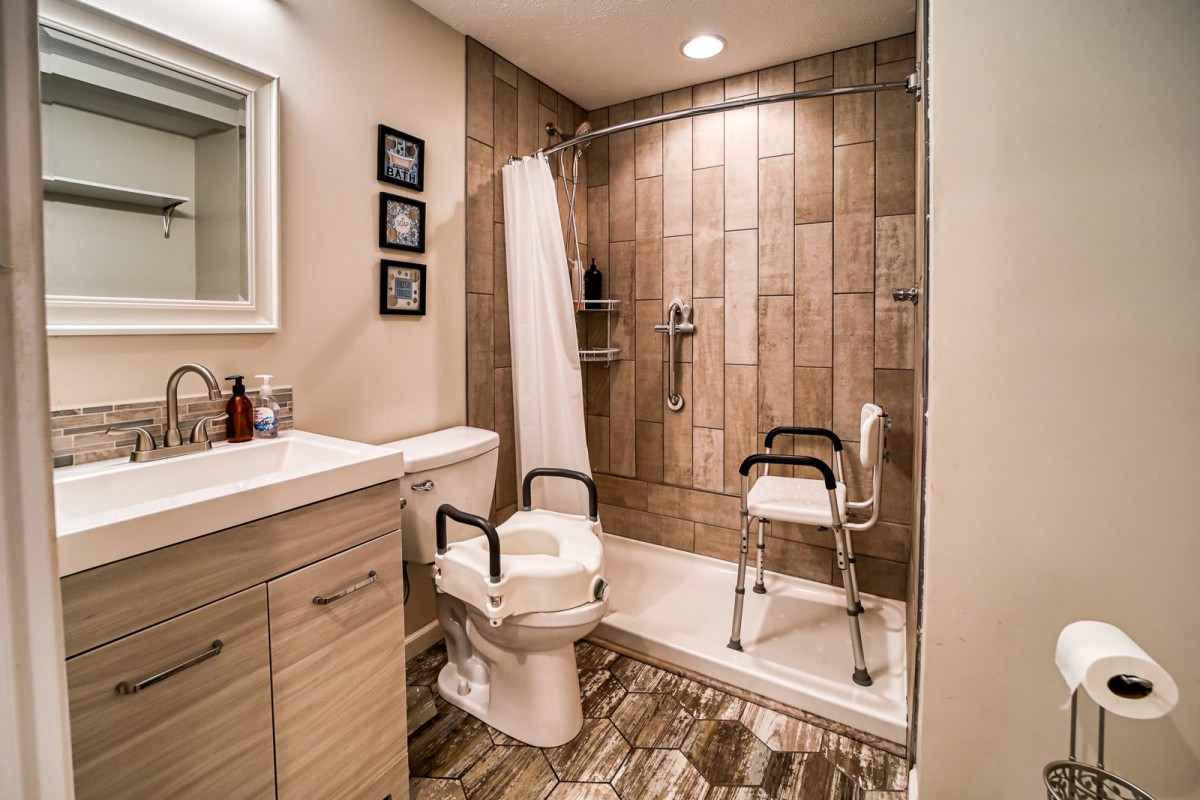
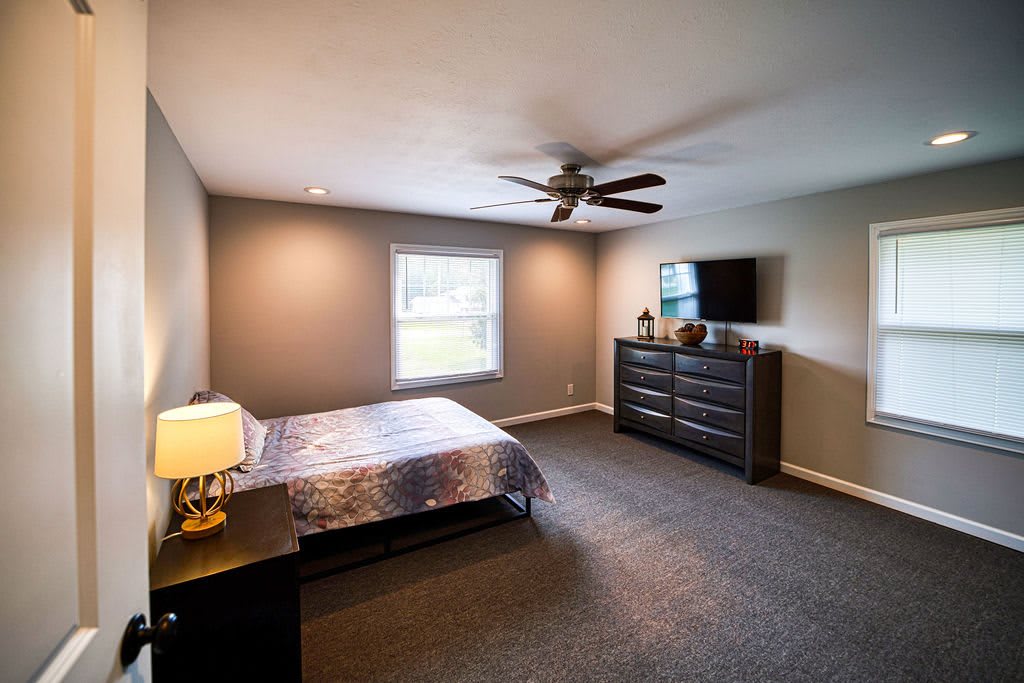
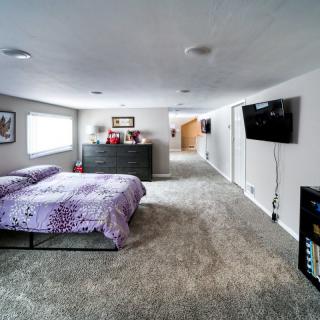
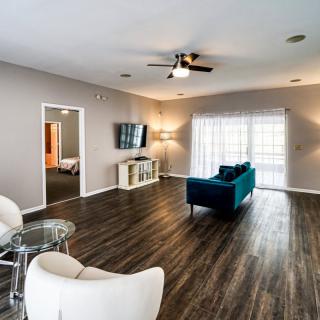
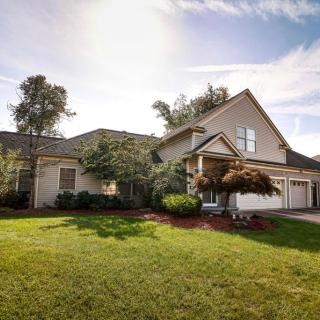
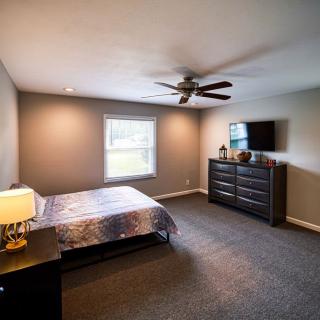
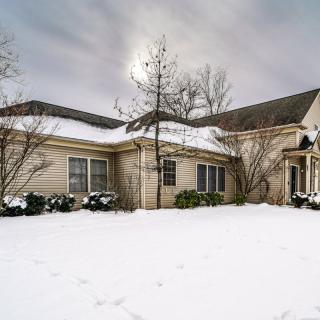
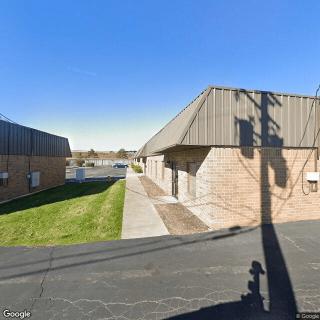
Heritage Retirement Communities Walton Hills is best suited for seniors who want a warm, home-like atmosphere with intimate, house-based living, where comfort, roominess, and responsive staff matter as much as medical minutiae. The campus is organized into eight or nine small houses, each housing roughly nine to eleven residents. That structure creates a sense of familiarity and ease of supervision, with room sizes described as wonderful. The residentā€™s praise of the meals reinforces a culture that prioritizes daily livability and enjoyment of everyday life. For families seeking a smooth transition to assisted living without a clinical footprint that dominates the experience, this community offers a compelling fit.
That said, some families will want to consider alternatives. The most salient gap is in medical transparency and coordination. There is limited feedback from a medical perspective, and the physician contact process has proven difficult, with no regular meetings or documented check-ins. For households where ongoing, proactive medical oversight and timely health updates are non-negotiable, an option with a more visible on-site medical leadership and scheduled family communications will feel more trustworthy. In short, Heritage Walton Hills shines as a livable, people-centered setting, but it may fall short for those who demand systematic, clinical engagement within the facility.
The strongest positives, welcoming acceptance, accommodating staff, comfortable private-like rooms, and high-quality meals, do meaningful work in offsetting the main concern about medical oversight. The willingness to accept and care for the loved one signals a low-friction entry point and a focus on daily well-being. A responsive staff can mitigate daily irritants, ease routines, and support meaningful engagement in activities and meals, all of which reduce caregiver stress. In practice, these elements translate into steadier days for residents and clearer peace of mind for families who can rely on good day-to-day care while managing medical updates through external channels.
However, the main drawbacks cannot be ignored. The limited medical feedback and difficulty in contacting the physician create a persistent uncertainty about health status and care plans. No routine medical meetings leave families without a predictable cadence for understanding changes in conditions, adjustments to medications, or the rationale behind clinical decisions. This absence is not a minor annoyance; it touches core questions about safety, alignment with care goals, and timely response to health concerns. If medical continuity and clarity are essential, the current communication model may undermine confidence in a longer-term arrangement.
To navigate decisions effectively, prospective residents should actively shore up the medical communication piece before committing. During tours, request a concrete plan for medical updates: who will be the point of contact, how often families should expect written or verbal health summaries, and whether the facility can support regular physician rounds or remote check-ins. Ask about the on-site nursing presence, the process for medication management, and how escalations are handled when a health issue arises. If possible, propose a trial period with a formalized update schedule to test whether the current system meets expectations, and insist on a clear line of communication to the family doctor or specialists.
In the final assessment, Heritage Walton Hills delivers a solid, home-forward living option for seniors who prioritize comfort, social connection, and a responsive caregiving staff, with meals that enhance daily life. It is less well-suited for families who require consistent, in-depth medical reporting and monthly or biweekly clinician engagement. When choosing, focus on setting expectations around medical oversight and insist on built-in communication routines. With proactive steps to establish medical transparency, Heritage Walton Hills can be an excellent fit; without that, the physician engagement gap risks leaving important health information opaque and delays in care.
 1-bedroom apartments
 Board and Care Home
 Skilled Nursing Facility
 Cats allowed
 Dogs allowed
 Activities on-site
 Air-conditioning
 Bath tubs
 Beautician on-site
 Cable or satellite TV
 Computer center
 Devotional services on-site
 Garden
 Ground floor units
 Guasts at mealtime
 Guest parking
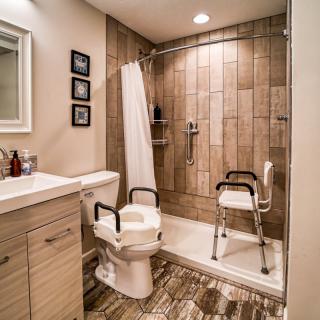
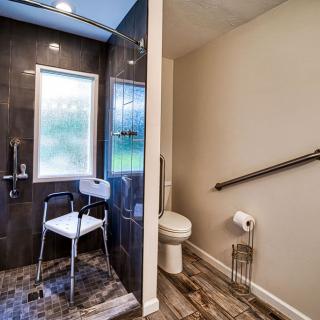
 Handicap accessible
 Home sale assistance
 Housekeeping services
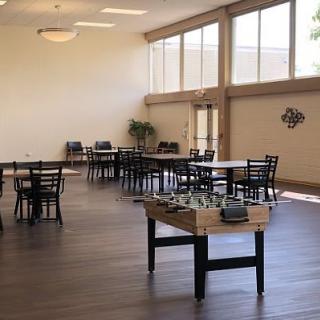
 Indoor common areas
 Laundry
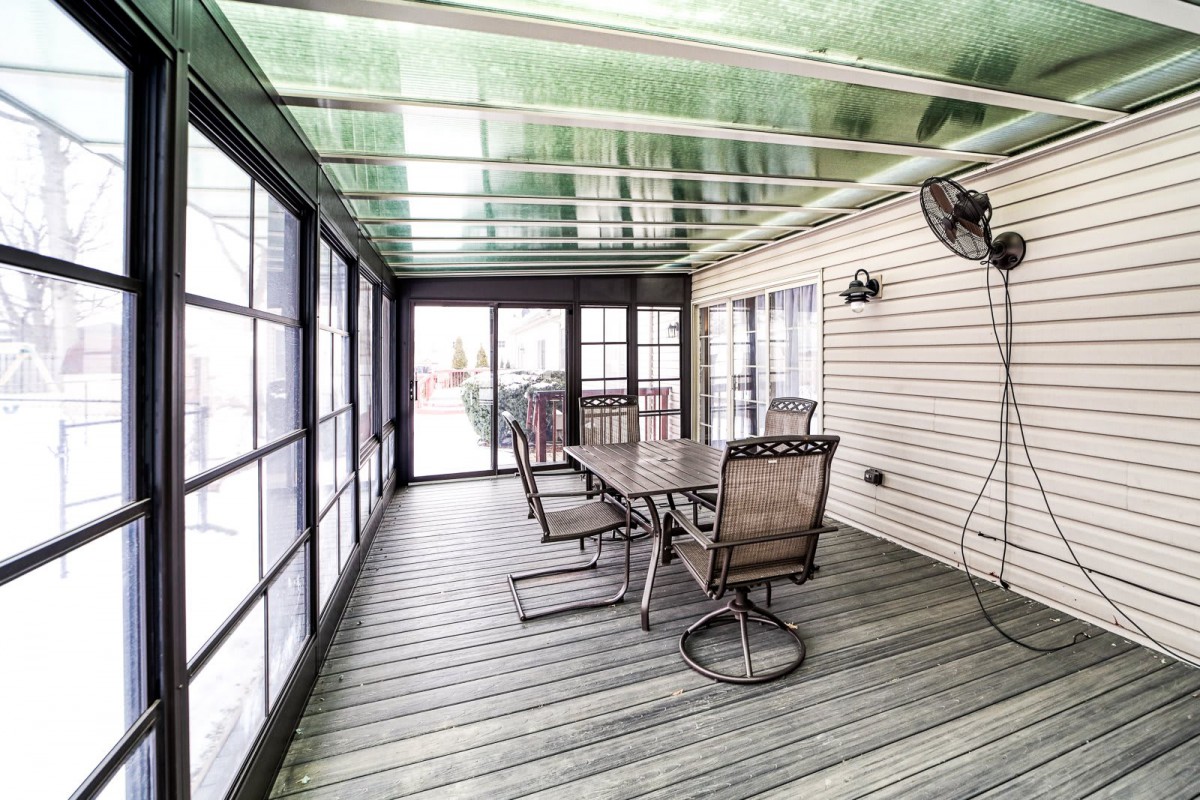
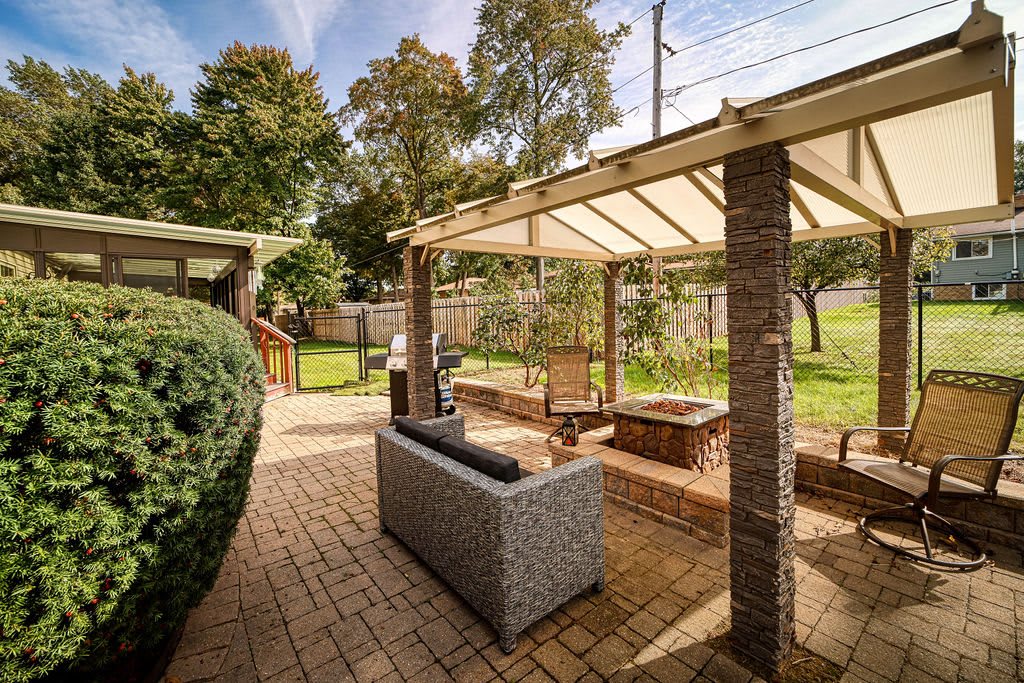
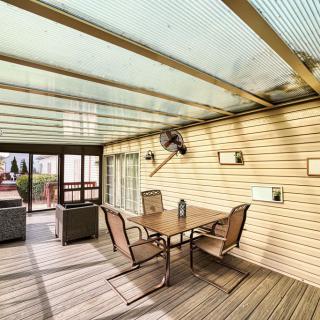
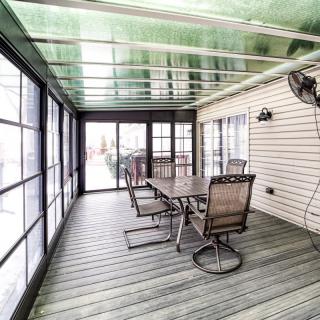
 Outdoor common areas
 Overnight guests
 Party space
 Private
 Private bathrooms
 Respite or short term stays offered
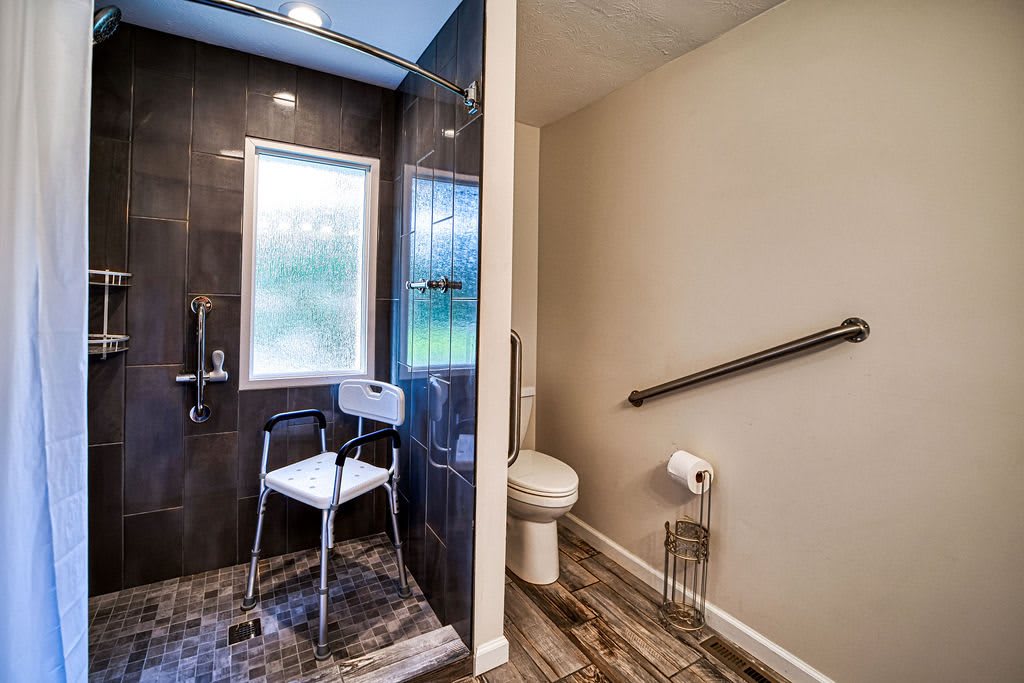
 Wheelchair accessible showers
 Wi-Fi/high-speed internet available
 Cleveland-Hopkins International (17 miles away)
 Transportation & parking
 Ambulatory care
 Companion care
 Diabetic care
 High acuity care
 Hospice care
 Incontinence care
 Medication management
 Physical therapy
 Psychiatric care
 Anytime dining
 Special dietary restrictions
 Art classes
 BBQs or picnics
 Book club
 Brain fitness
 Cooking classes
 Day trips and outings
 Educational speakers / life long learning
 Forever fit
 Games
Games Happy hour
 Karaoke
 Live musical performances
 Live well programs
 Trivia games

 Senior Move Management: Understanding the Role, Value, and Associated Costs
 Weight Training for Seniors: Building Strength and Vitality
 Understanding the Sandwich Generation: Stress and Responsibilities for Multigenerational Caregivers