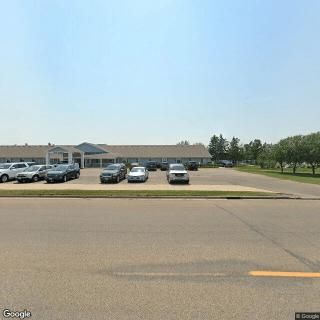
300 Main Street S, Velva, ND 58790
For more information about senior living options: (866) 208-4318
Overall Review of Souris Valley Care Center
Pros
 The staff are kind and understanding.
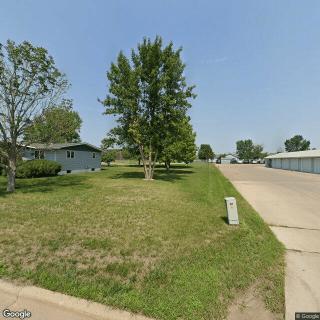
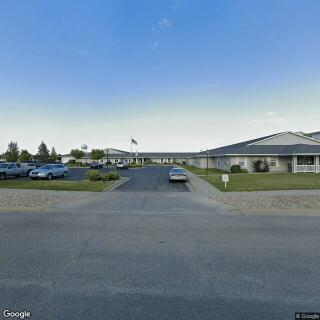
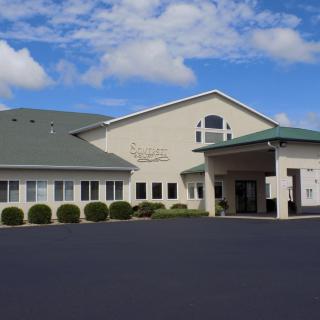
- The facility is clean and very nice.
- They help families meet goals to get loved ones home and back to a normal life.
- The staff provide excellent care.
Cons
 The reviewer states that Souris Valley Care Center must be shut down.
- The reviewer, an OSHA CSHO, says the facility is one big violation.
- The reviewer claims they suffered from advanced cancer because the facility ignored their medical needs while there.
- The reviewer describes the facility as "no good."
Review
This community is best suited for families seeking post-stroke or rehabilitation-focused care where the emphasis is on patient progress toward returning home. It appeals to those who value a clean, comfortable environment and a staff team that is patient, approachable, and willing to partner with families to set achievable goals. For residents whose primary objective is regain mobility and independence with ongoing therapy, Souris Valley Care Center can deliver steady, supportive daily rhythms and discrete professional oversight that keeps recovery on track.
Those who may want to consider alternatives are residents with high medical complexity or ongoing needs that require intensive, tightly coordinated medical management. The most concerning signal from the reviews is a report alleging neglect of medical needs and significant violations, which, if representative of broader practices, would pose unacceptable risk for anyone requiring serious, consistent oversight, especially in cases of advanced cancer or rapidly changing clinical status. Families should be cautious about assuming uniform quality across all shifts or departments, and should scrutinize regulatory compliance, staffing levels, and the robustness of clinicians’ care plans before committing.
On the upside, the strongest, most durable positives center on people and process rather than glossy marketing. Several reviews highlight a kind staff and excellent, goal-oriented care. The facility’s cleanliness and overall appearance also factor prominently in user impressions, reinforcing a sense that residents can live with dignity and comfort during recovery. Where rehabilitation is framed around clear milestones, regaining function, progressing toward discharge to home, and aligning with family-approved goals, the environment can be genuinely enabling, avoiding the trap of impersonal, one-size-fits-all care.
Yet, the negative voice cannot be dismissed. A single, pointed account accusing the center of violations and medical neglect casts a long shadow over any general impression of quality. It raises legitimate questions about governance, responsiveness, and patient safety that must be investigated fully. Even if that experience reflects a rare lapse or a specific episode, its presence in the mix of reviews means prospective families cannot rely on tone alone; they must verify compliance history, review state inspections, and directly observe how care coordination happens in real time. The risk, if true, is substantial and nontrivial for residents with complex needs.
The key dynamic to weigh is whether the pros, personalized attention, a rehab-forward focus, and a clean, welcoming setting, can realistically offset the potential downsides. For a stroke survivor who is progressing through therapy with goals anchored to returning home, the supportive staff and structured routines can be decisive advantages. The positive experiences suggest that when therapy is active and communication with families is open, real progress can occur. However, any resident whose condition requires reliable, continuous medical oversight, rapid escalation of symptoms, or specialized oncology or wound-care capabilities may encounter gaps that those strengths cannot fill.
In guiding a decision, it is prudent to pursue a targeted, concrete assessment before placement. Request current, facility-wide survey results and any recent corrective-action plans; ask to speak with the administrator and the lead nurse on the unit most closely linked to rehabilitation; and arrange a trial period or a detailed, written care plan that documents who is responsible for monitoring medical needs 24/7. Probe how therapists coordinate with physicians, how quickly changes in status are escalated, and what contingency procedures exist for urgent situations. If the resident’s goals center on returning home with a solid post-acute plan, Souris Valley Care Center can be a strong fit, but only with explicit assurances of medical oversight, transparent communication, and a proven track record of rapid response to clinical concerns.
 50 resident community capacity
 Skilled Nursing Facility
 Beauty salon
 Cable or satellite TV
 Dining room
 Fully furnished
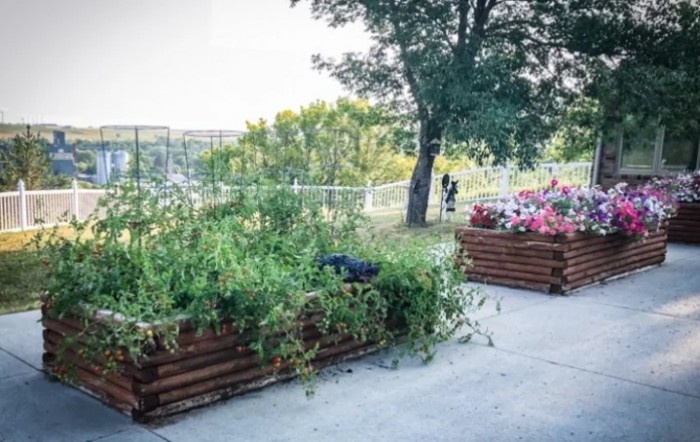
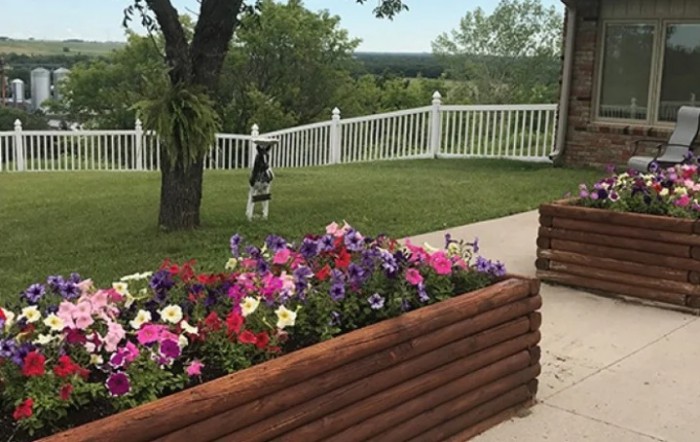
 Garden
 Housekeeping services
 Kitchenette
 Move-in coordination
 Outdoor space
 Restaurant-style dining
 Small library
 Telephone
 Wi-Fi/high-speed internet available
 Minot International (21 miles away)
 24-hour call system
 Activities of daily living assistance
 Assistance with bathing
 Assistance with dressing
 Assistance with transfers
 Diabetes diet
 Medication management
 Mental wellness program
 Special dietary restrictions

 Engaging Brain Games and Innovative Apps to Keep Senior Minds Active
 Effective Strategies for Keeping Seniors' Minds Active: A Deep Dive into Brain Games and Apps
 In-Depth Look at the VA Aid and Attendance Program